What to know
The main types of intellectual property
Copyright protects original creative works such as writing, images, music, video and software code from the moment they are fixed in a tangible form. Trademarks protect names, logos and slogans that identify the source of goods or services. Patents protect inventions. Trade secrets protect valuable confidential information, such as recipes, processes and customer lists, as long as you take reasonable steps to keep them secret.
Keeping secrets secret
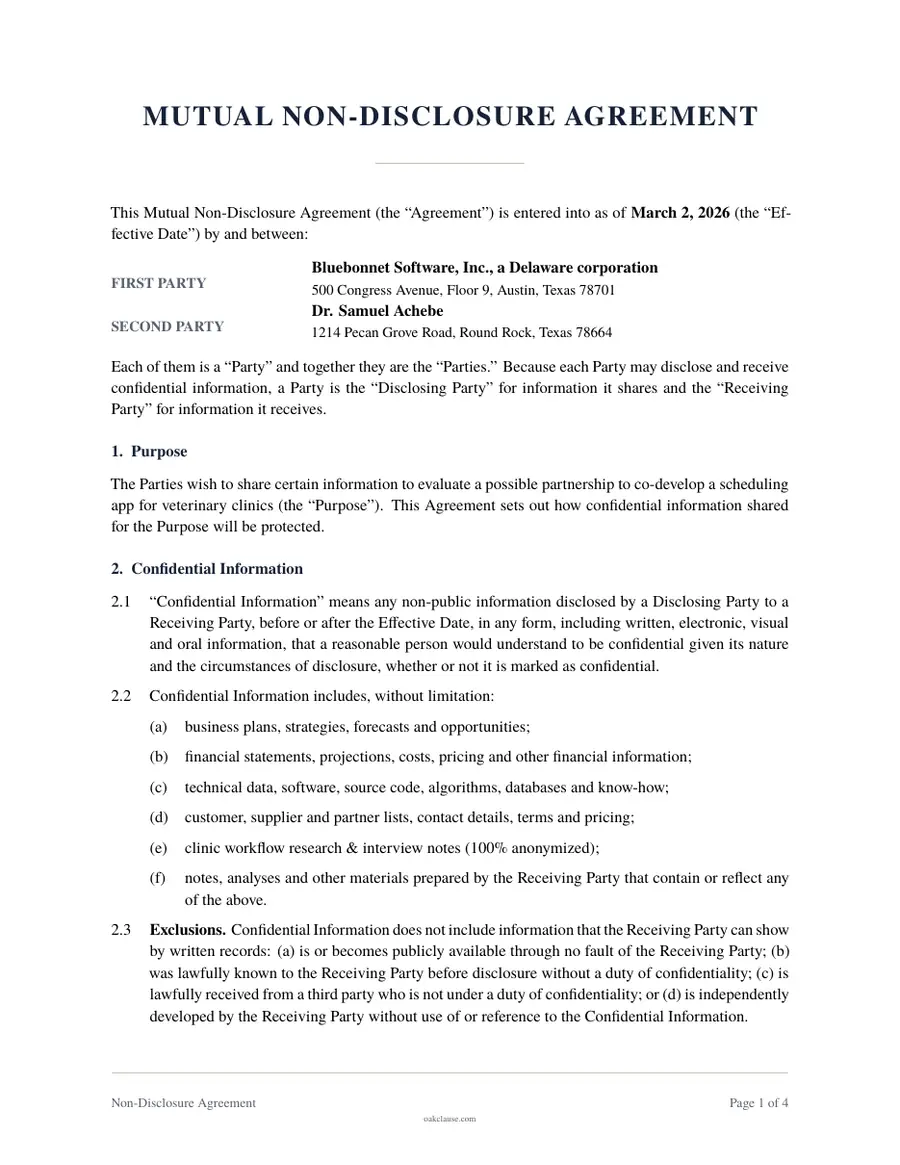
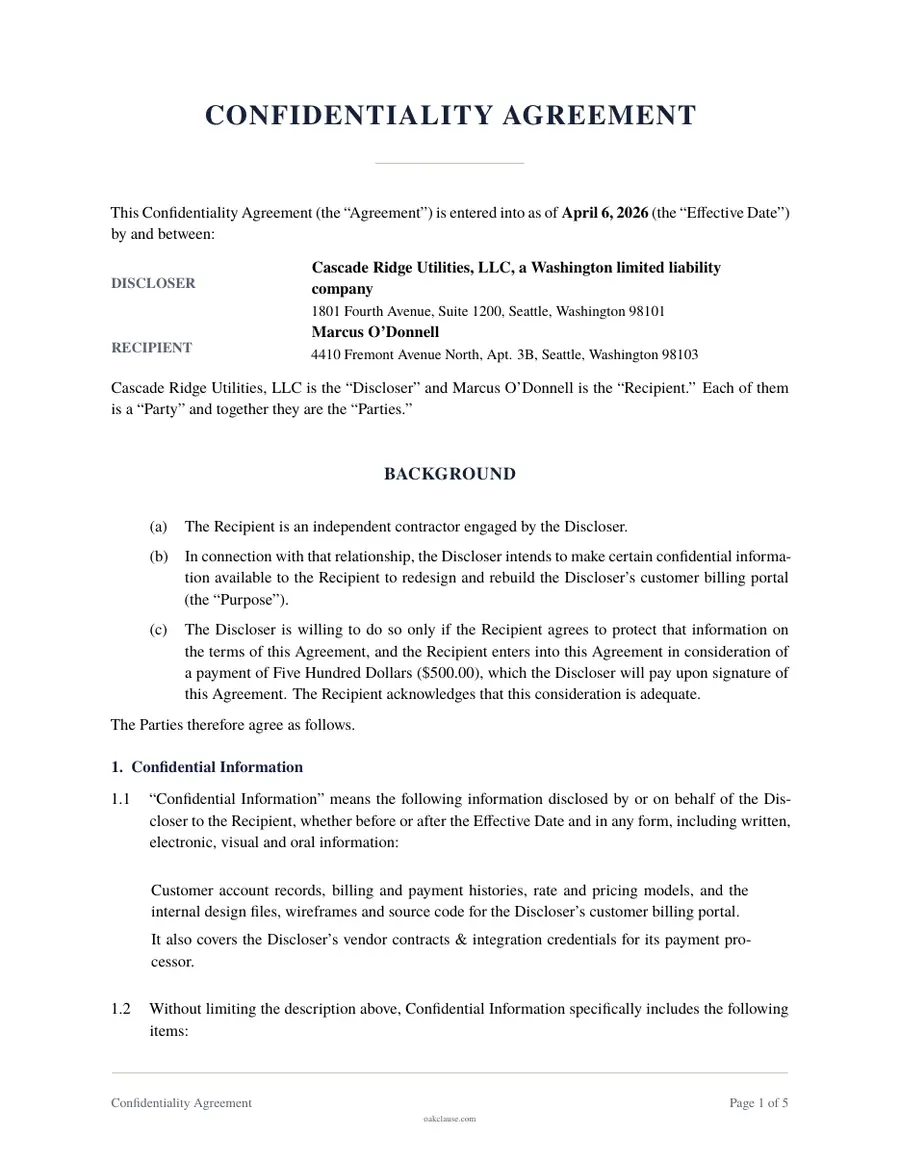
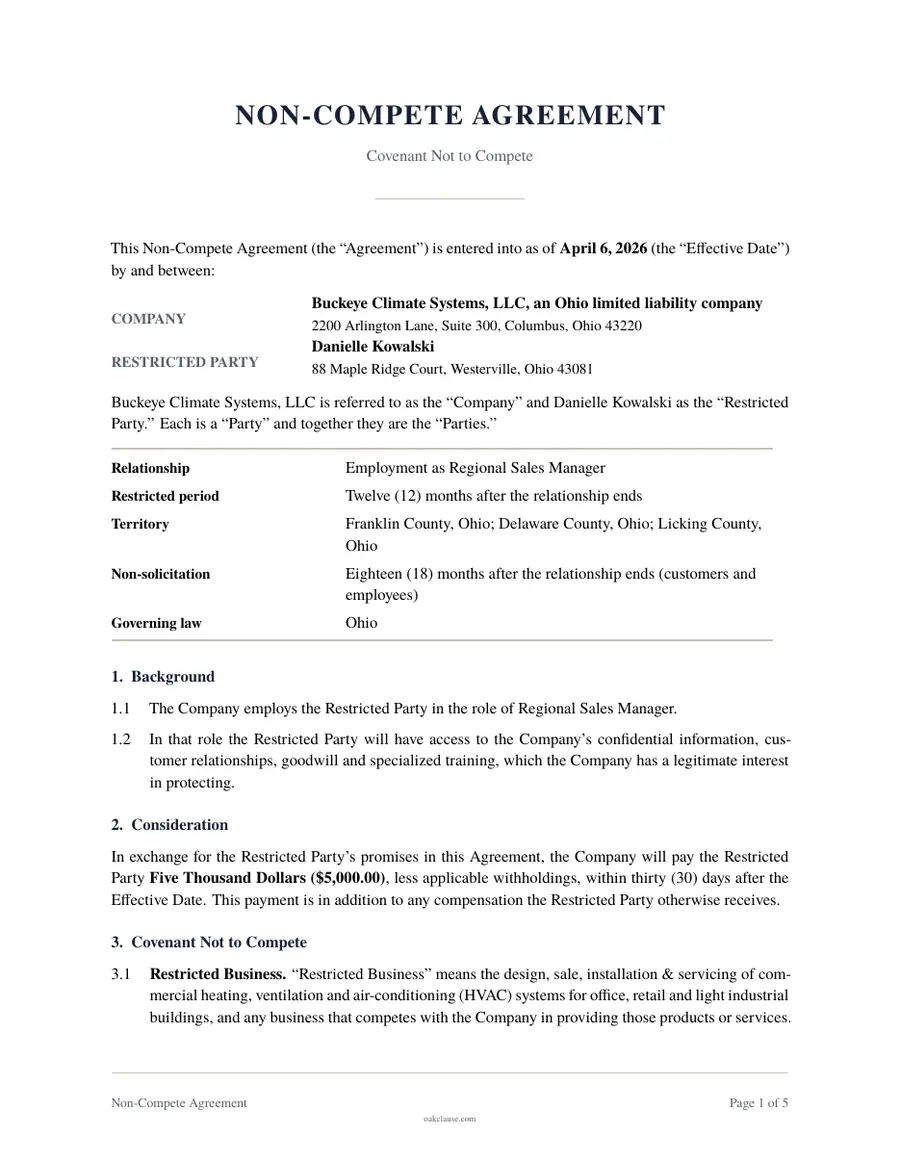
Non-disclosure and confidentiality agreements are the main way to share sensitive information with employees, contractors, investors or potential partners without losing protection. A good NDA defines what is confidential, limits how it may be used, sets how long the obligation lasts and says what happens to the information when the relationship ends.
Owning what is created for you
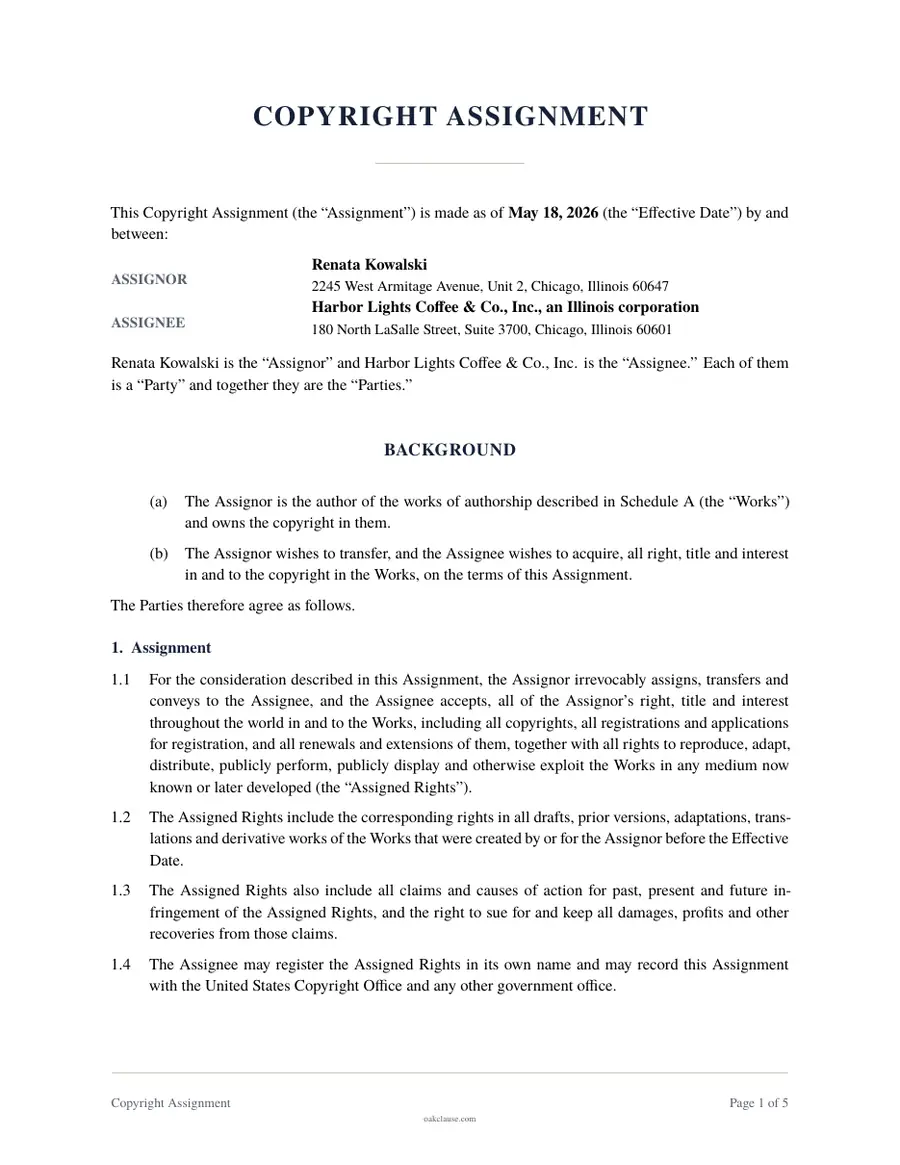
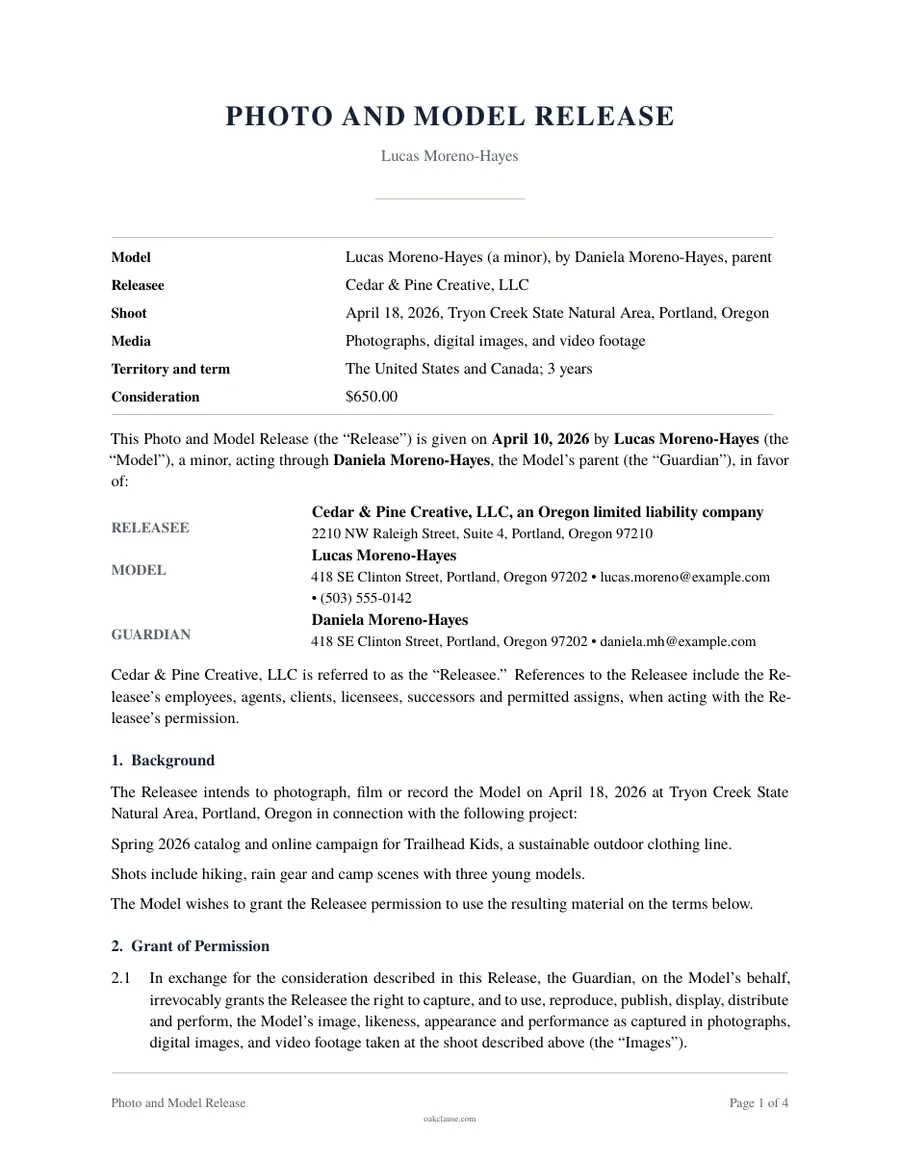
Businesses are often surprised to learn that a freelancer, not the client, usually owns the copyright in work they create unless a written agreement says otherwise. Employees' work created within the scope of their job generally belongs to the employer. To be safe, use written assignments for contractors and include intellectual property terms in employment agreements.
Licensing and transferring
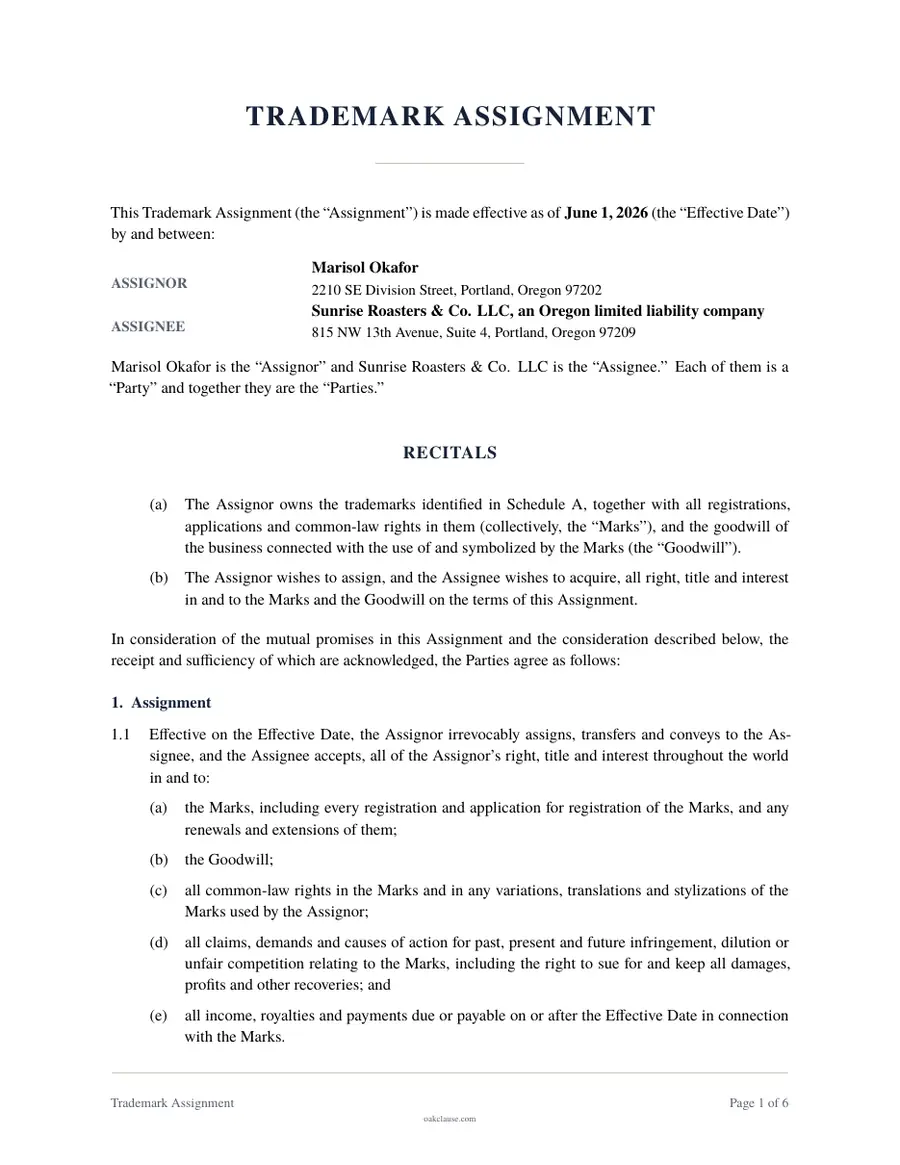
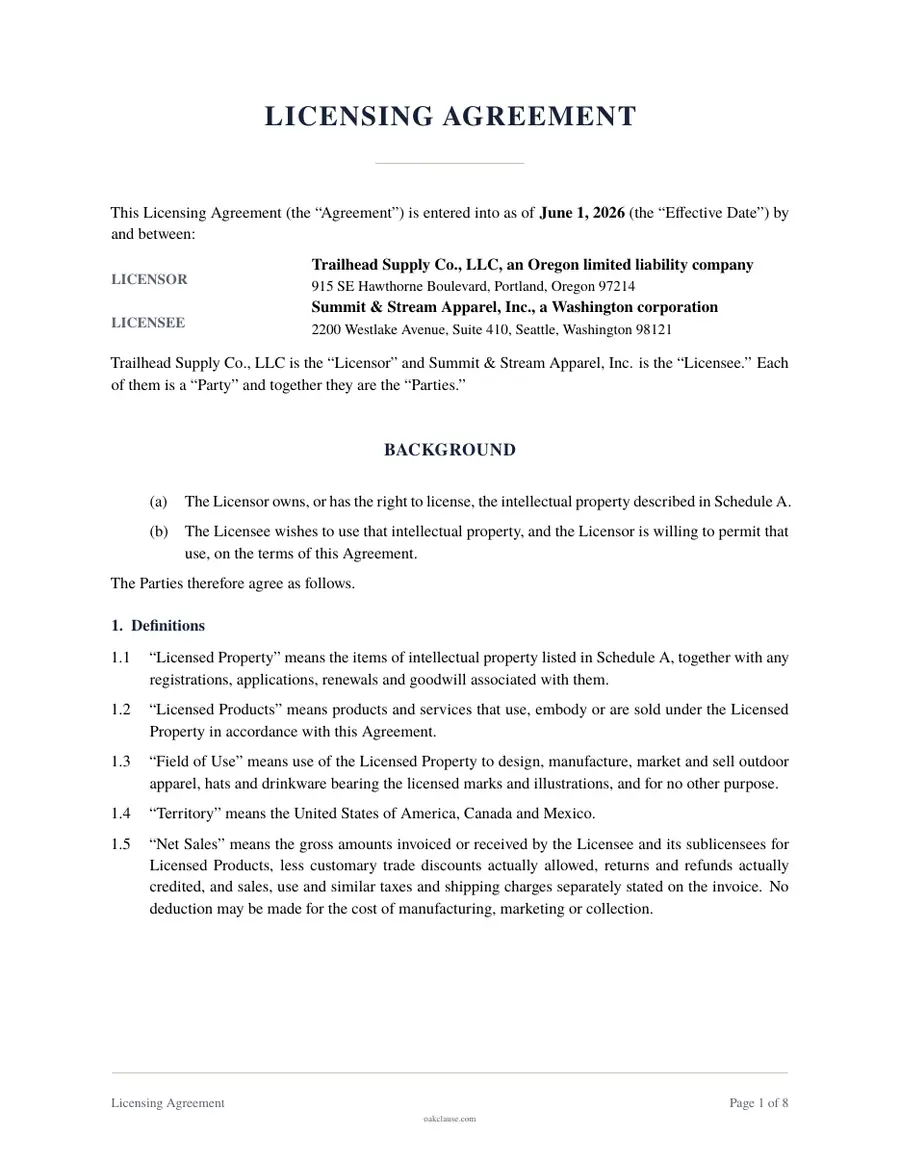
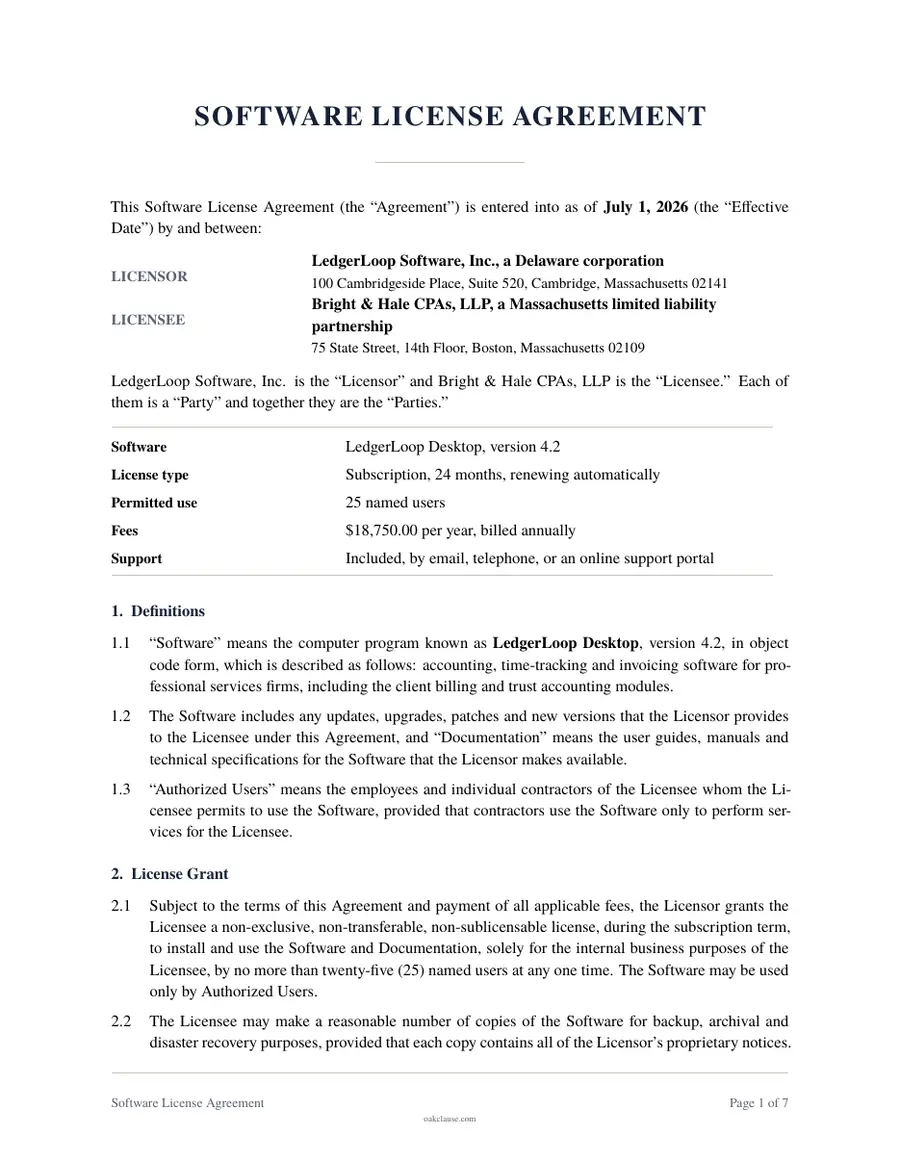
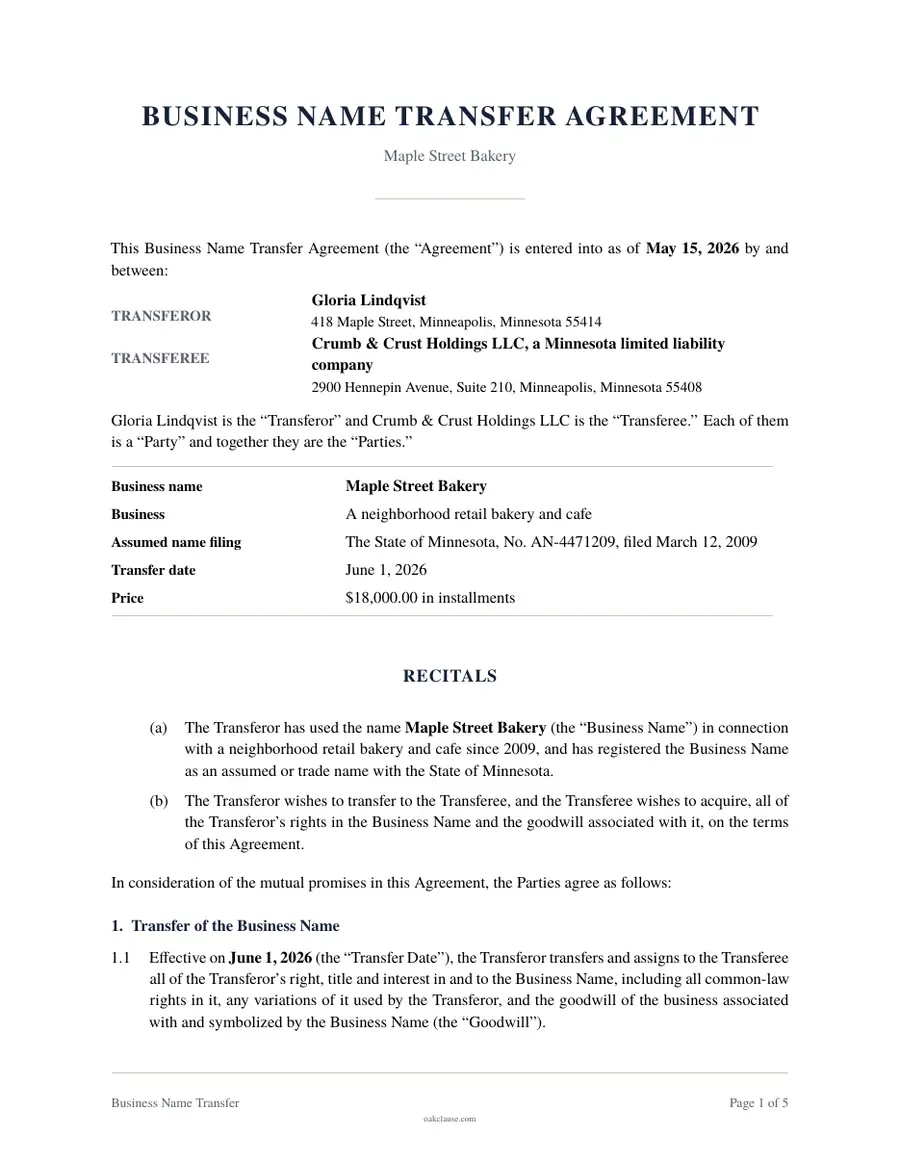
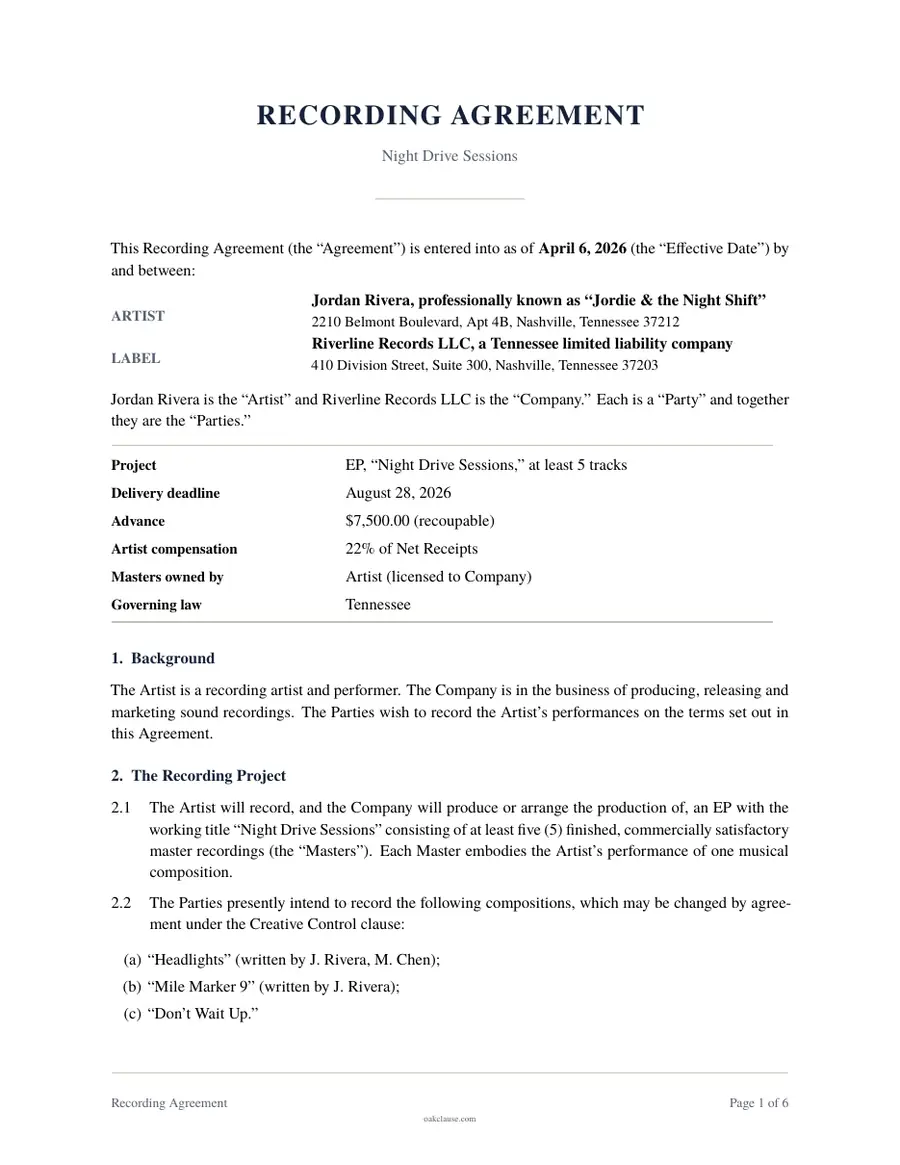
A license lets someone use your property while you keep ownership; it can be exclusive or non-exclusive and limited by territory, time or purpose. An assignment transfers ownership outright. Copyright and trademark assignments can be recorded with the US Copyright Office or the US Patent and Trademark Office, which helps put others on notice.
Enforcing your rights
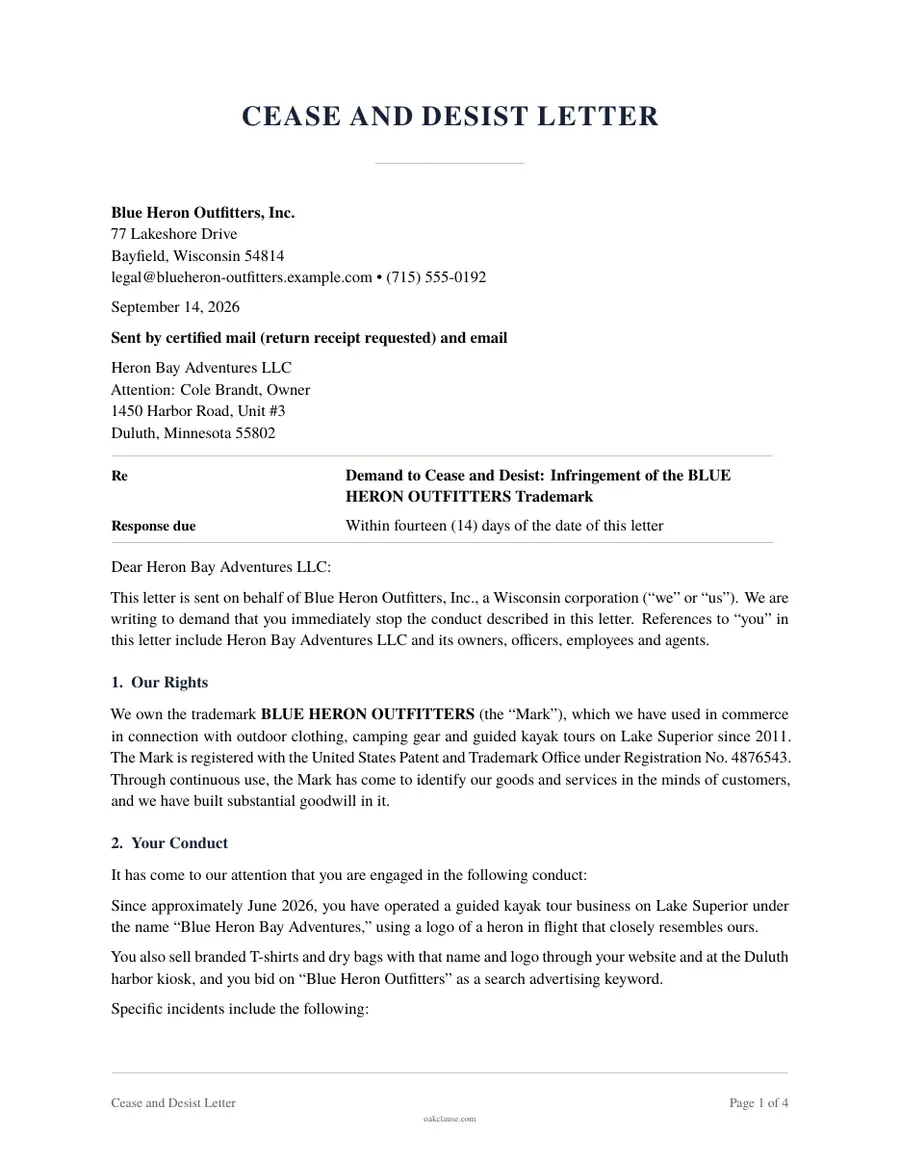
If someone copies your work or uses a confusingly similar brand, a cease and desist letter is often the first step. It identifies your rights, describes the infringing activity and asks the recipient to stop by a deadline. Be accurate and measured; overstated claims can backfire.
Register what matters
Copyright exists automatically, but registration with the US Copyright Office is generally required before suing for infringement of a US work and can unlock additional remedies. Federal trademark registration strengthens your rights nationwide. Consider registering your most important brands and works early, before a dispute arises.