What to know
Hiring
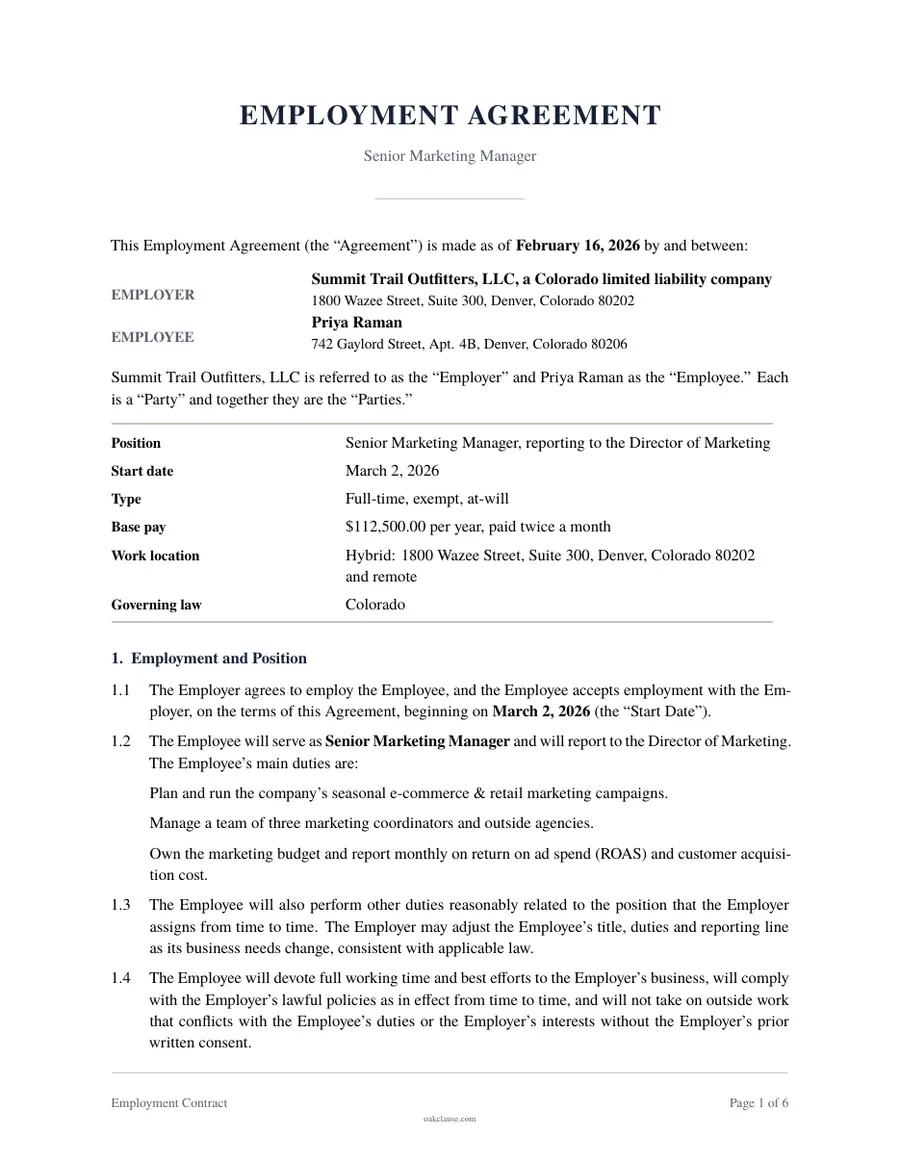
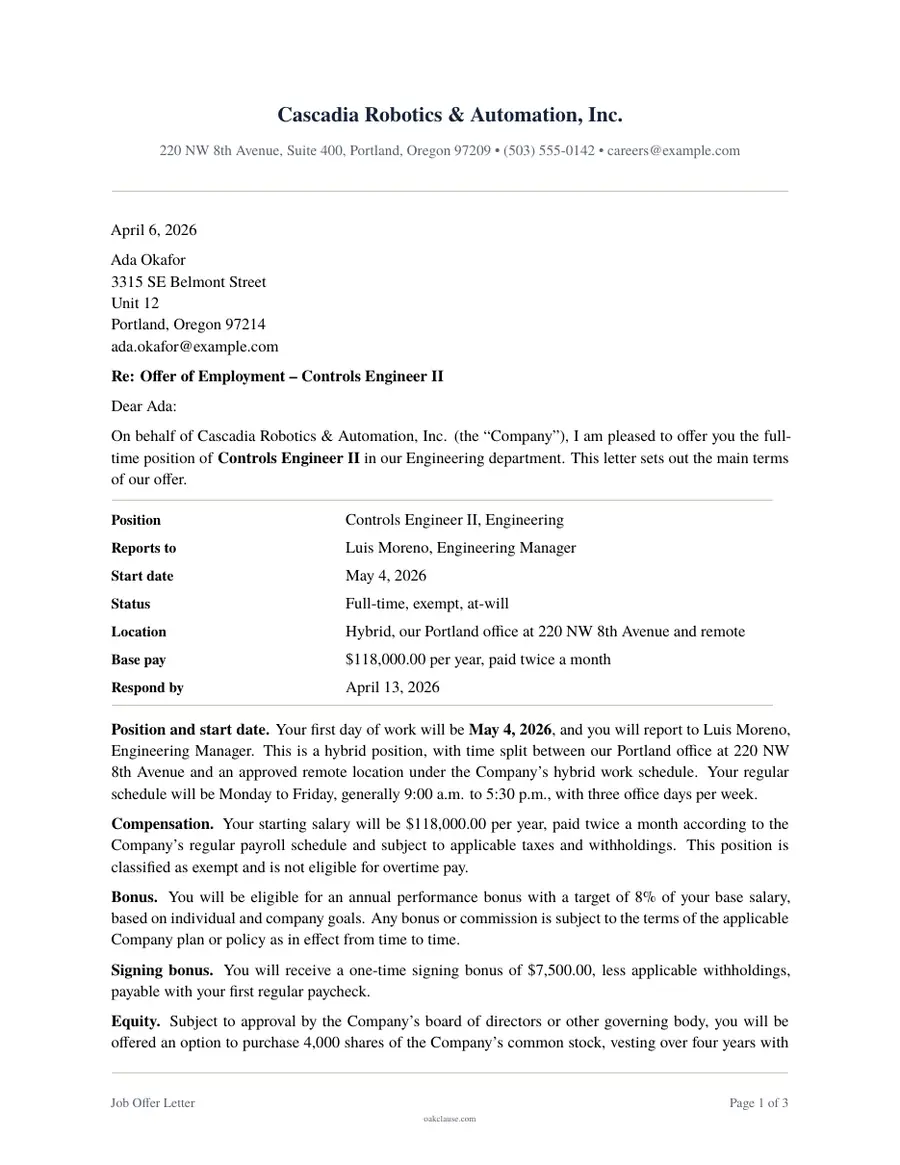
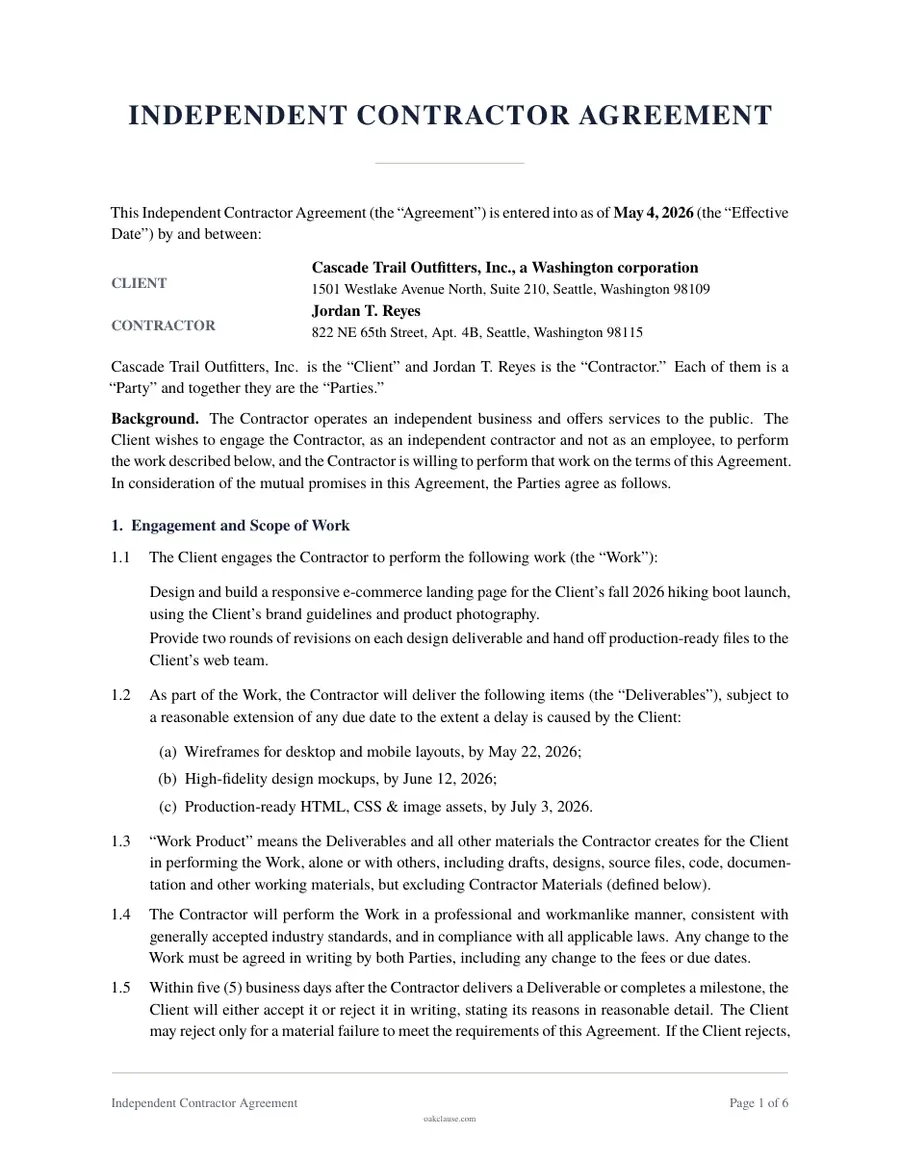
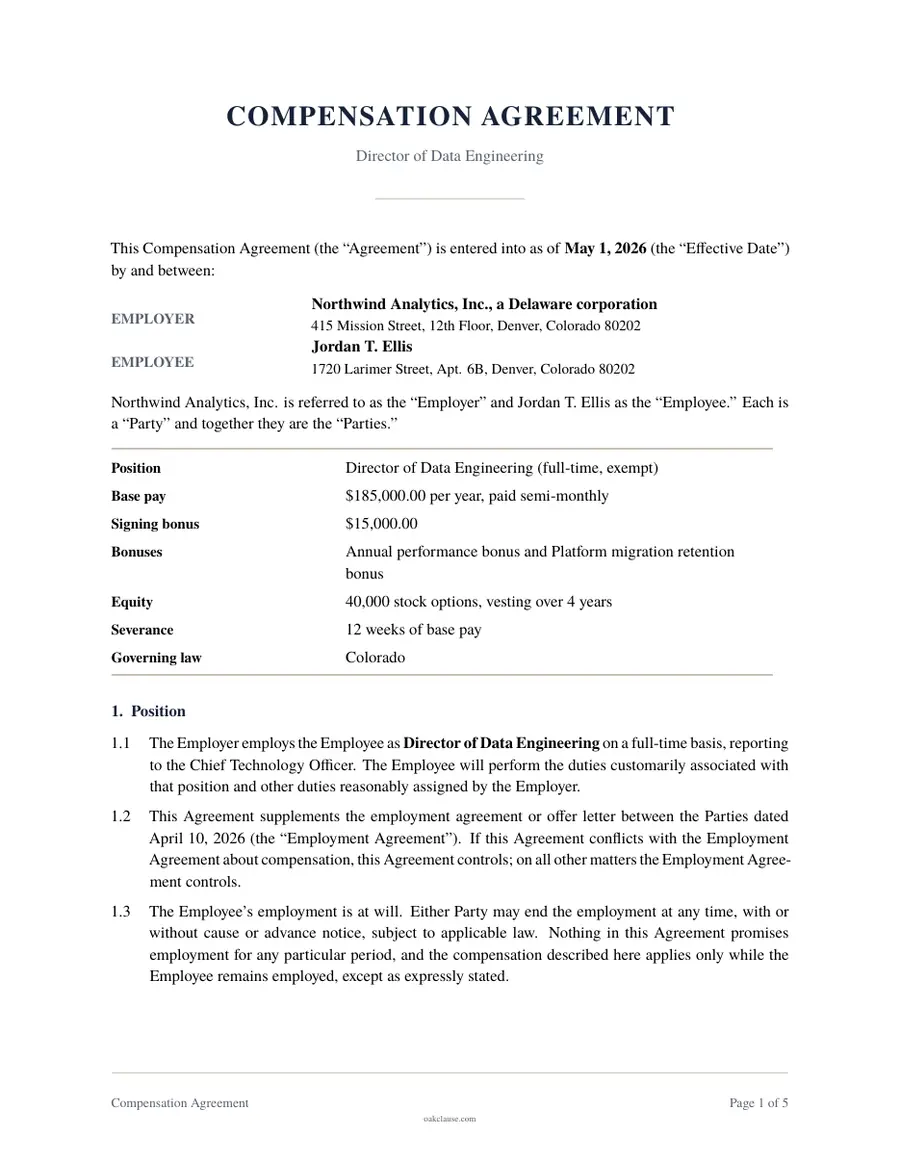
Most US employment is at will, which means either side can end it at any time for any lawful reason. An offer letter confirms the position, pay, start date and at-will status without promising a fixed term. An employment contract is more detailed and is common for senior roles, fixed-term arrangements, or when you need specific terms on bonuses, intellectual property or confidentiality.
Before the first day, employers must complete federal Form I-9 to verify work authorization and collect a Form W-4 for tax withholding, plus any state forms.
Protecting your business
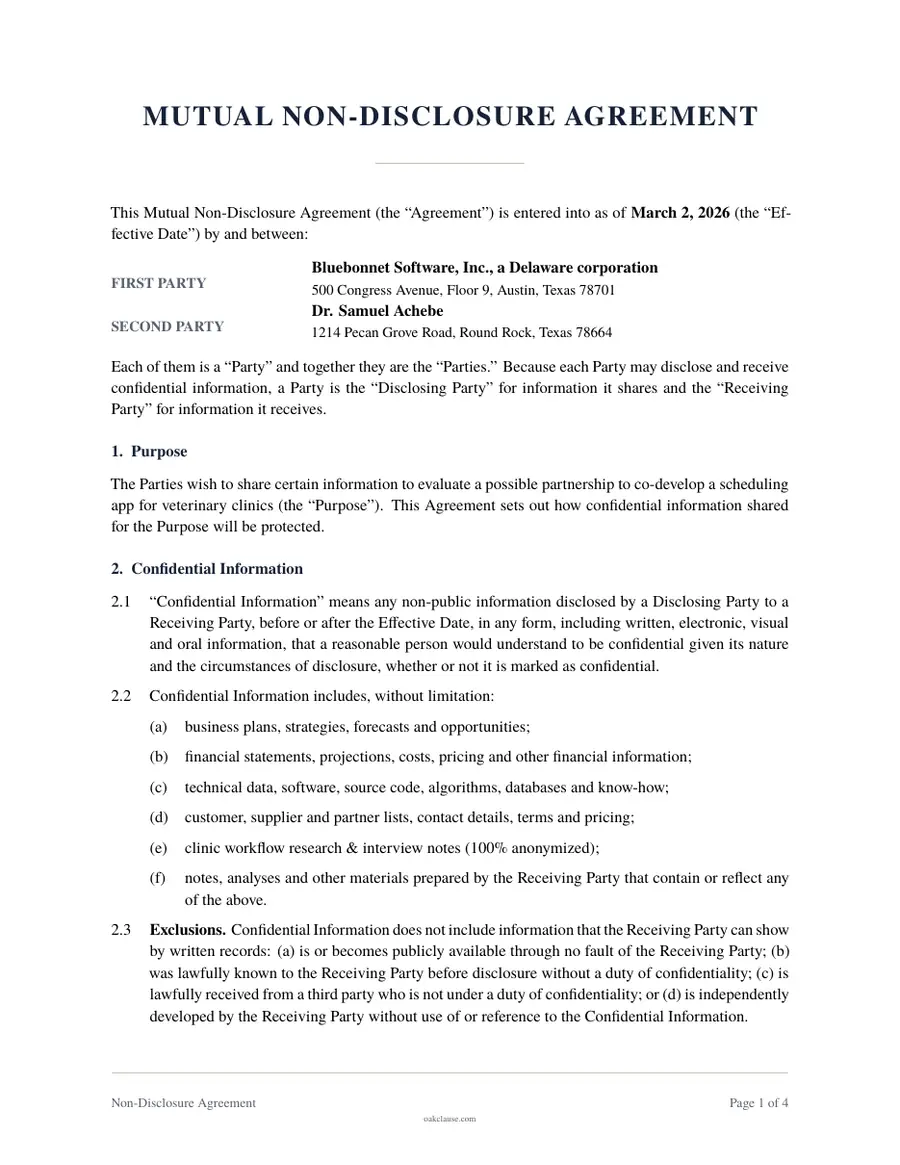
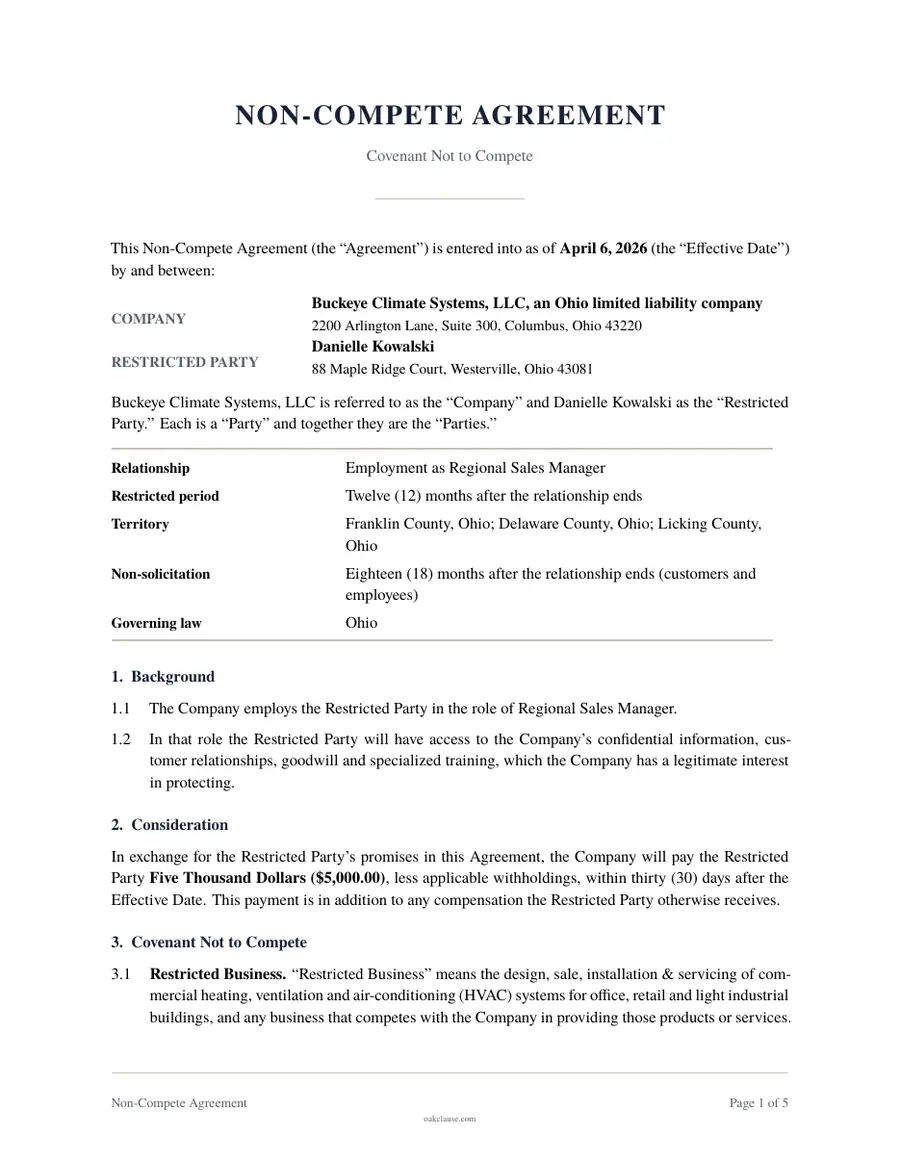
A non-disclosure agreement protects confidential information employees learn on the job. A non-compete agreement goes further and restricts working for competitors after leaving. Enforcement of non-competes varies sharply by state. California and a few other states bar most of them, while others enforce reasonable restrictions limited in time, geography and scope. Many employers rely on confidentiality and non-solicitation terms instead.
Managing performance
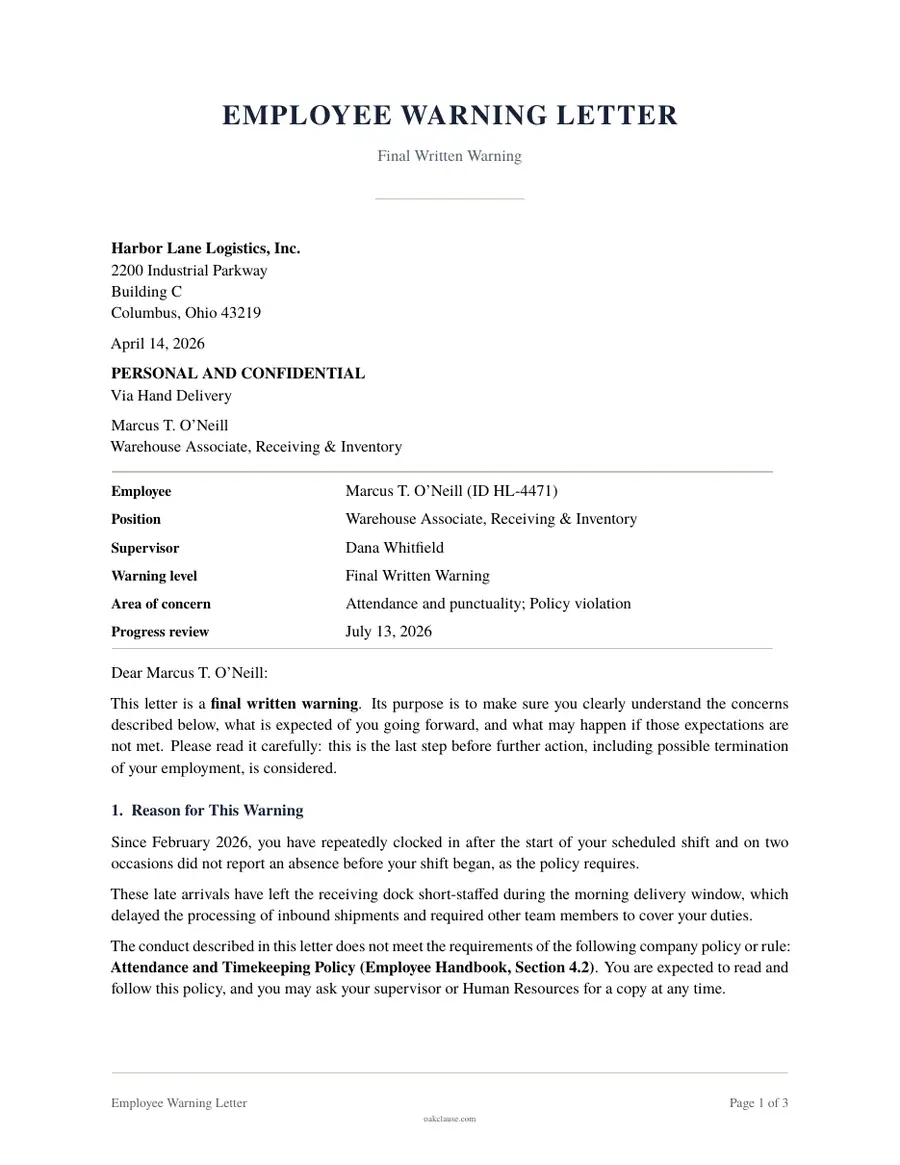
Regular performance reviews and written warnings create a fair, documented process. Be specific about the issue, the expected improvement and the timeline. Consistent documentation also helps if a termination decision is later questioned.
When employment ends
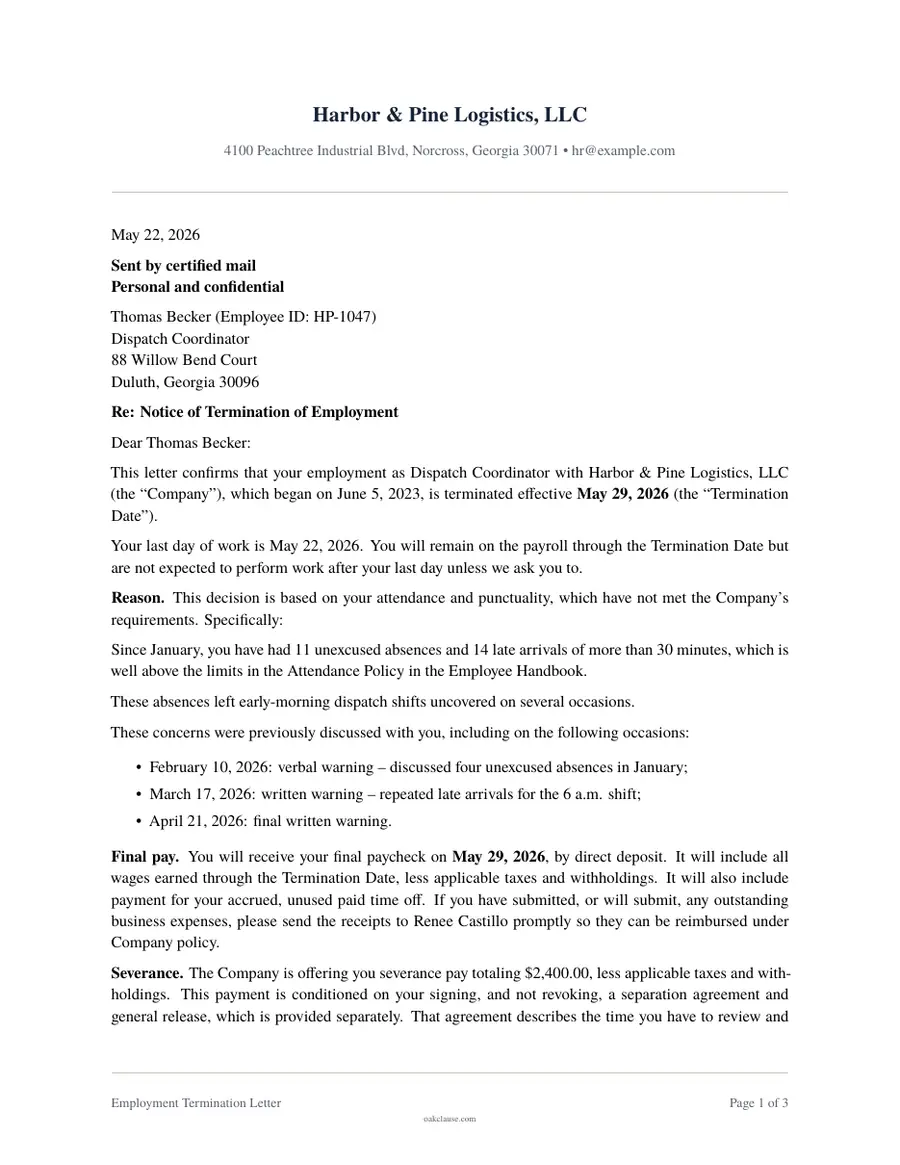
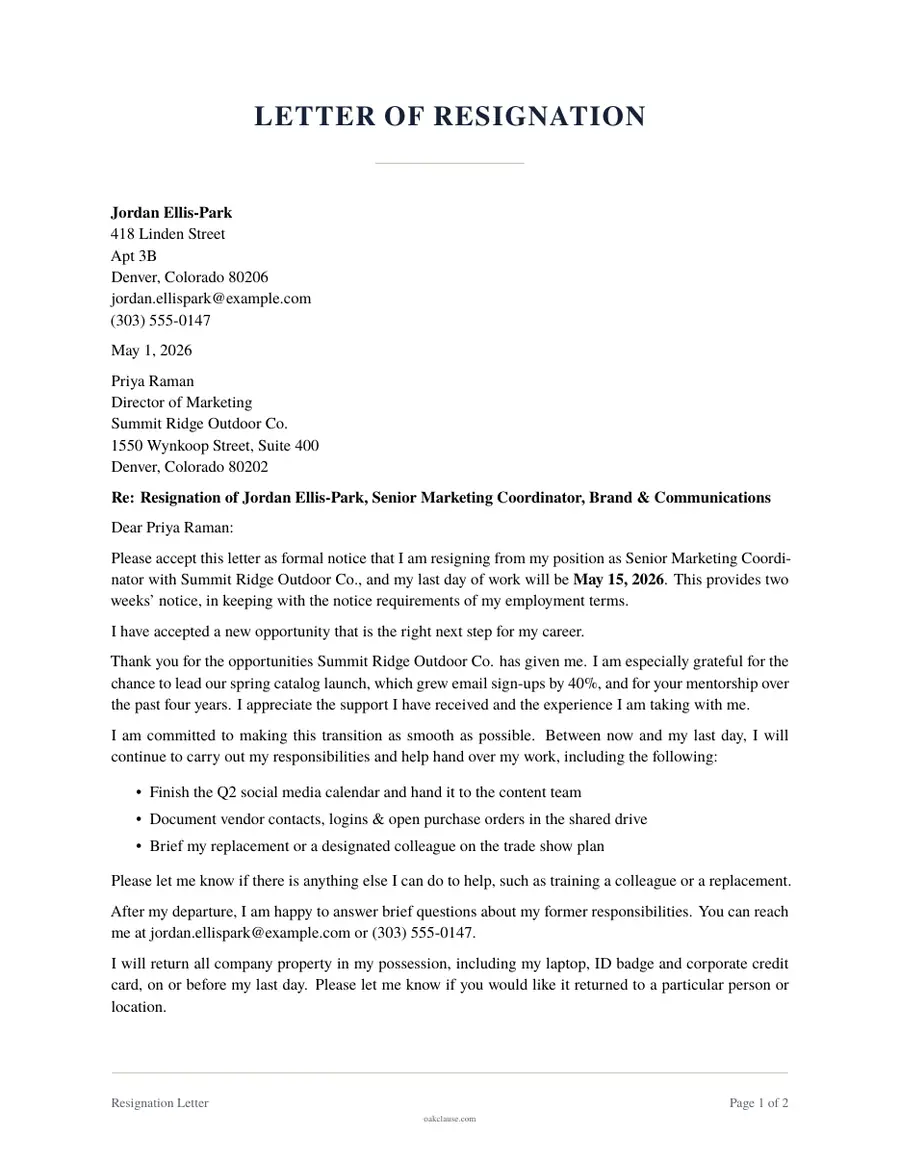
A termination letter confirms the end date, final pay and the return of company property, and explains benefits continuation where relevant. States set their own deadlines for the final paycheck, some as soon as the last day of work. Employees leaving voluntarily often give a resignation letter with a few weeks' notice, though at-will employees are rarely required to do so.
Never base an employment decision on a protected characteristic such as race, sex, religion, age, disability or national origin.
Keep personnel records
Federal and state laws require employers to keep certain payroll, tax and hiring records for set periods. Keep signed offer letters, agreements, reviews and warnings in each employee's file, store medical information separately and confidentially, and limit access to people who need it.