What to know
Always work under a written agreement
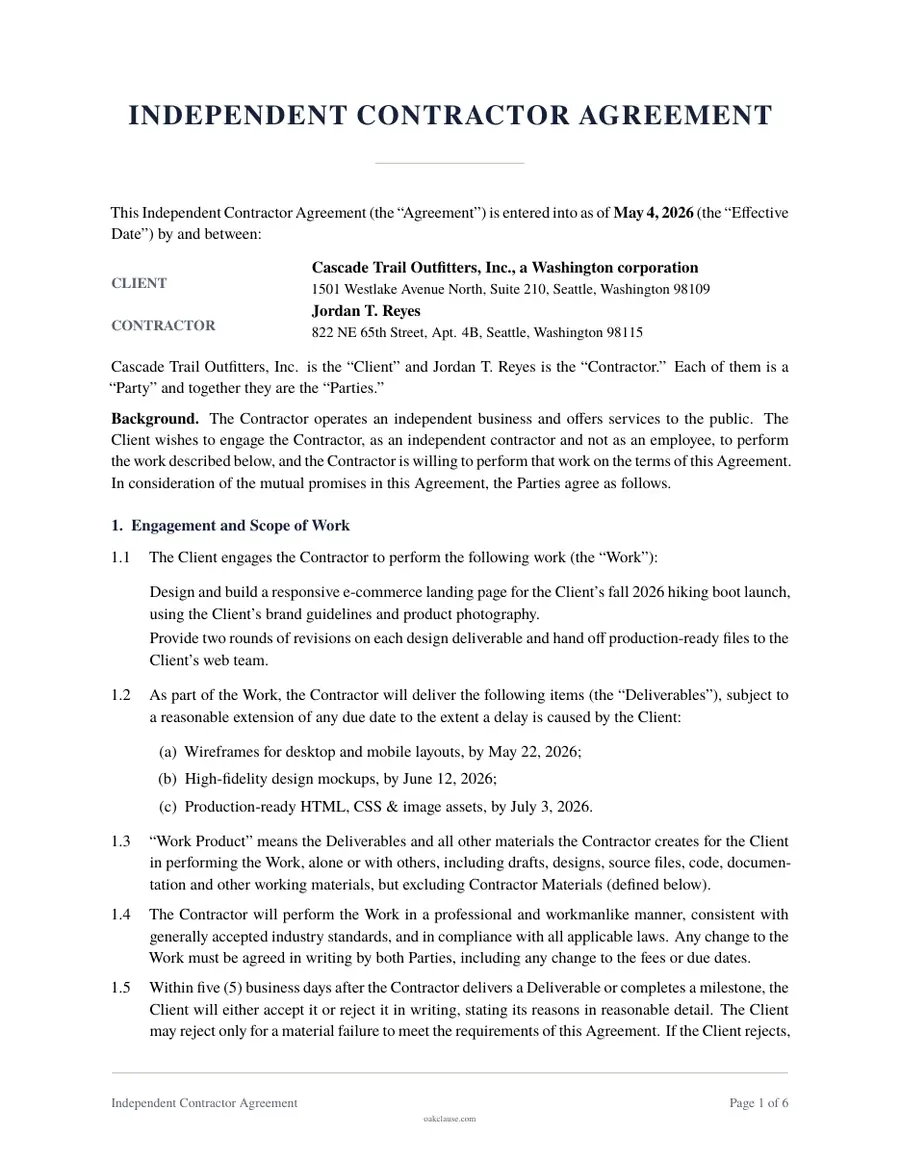
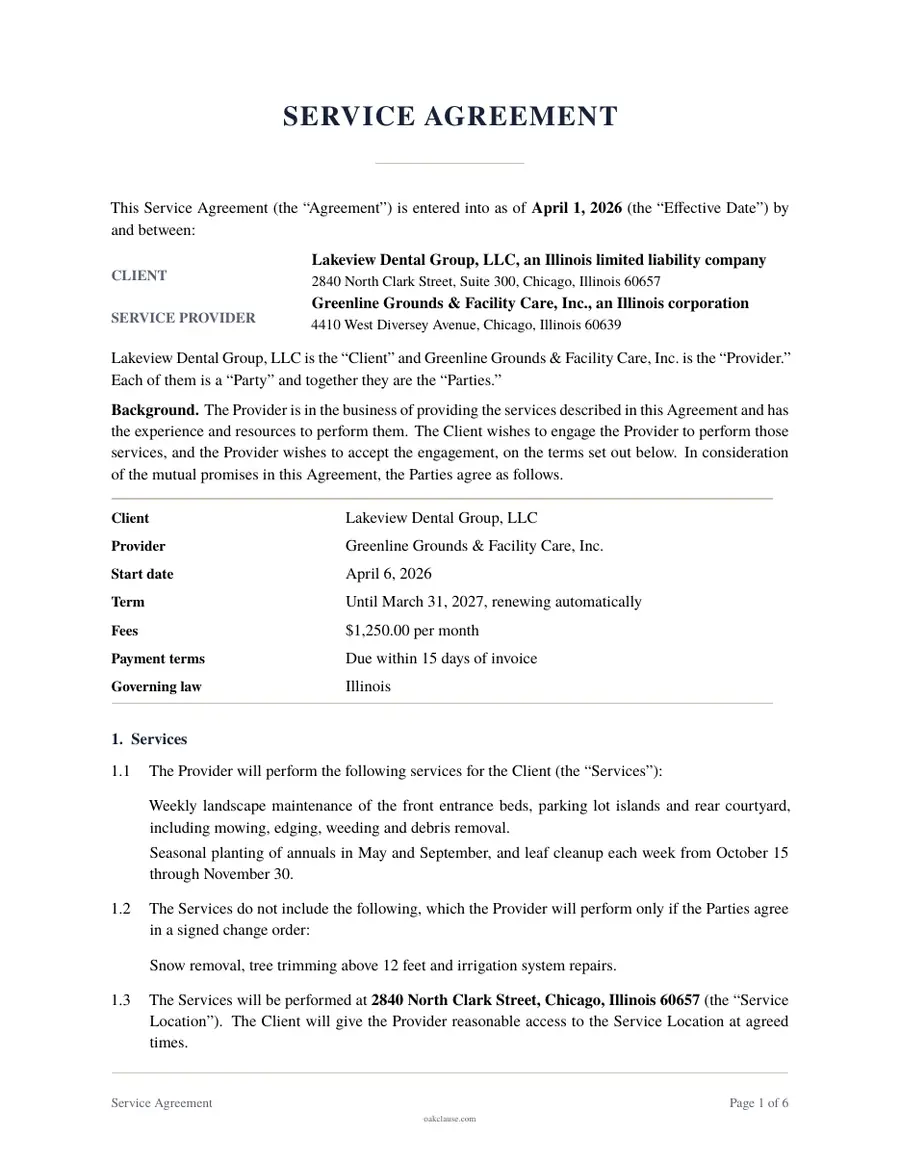
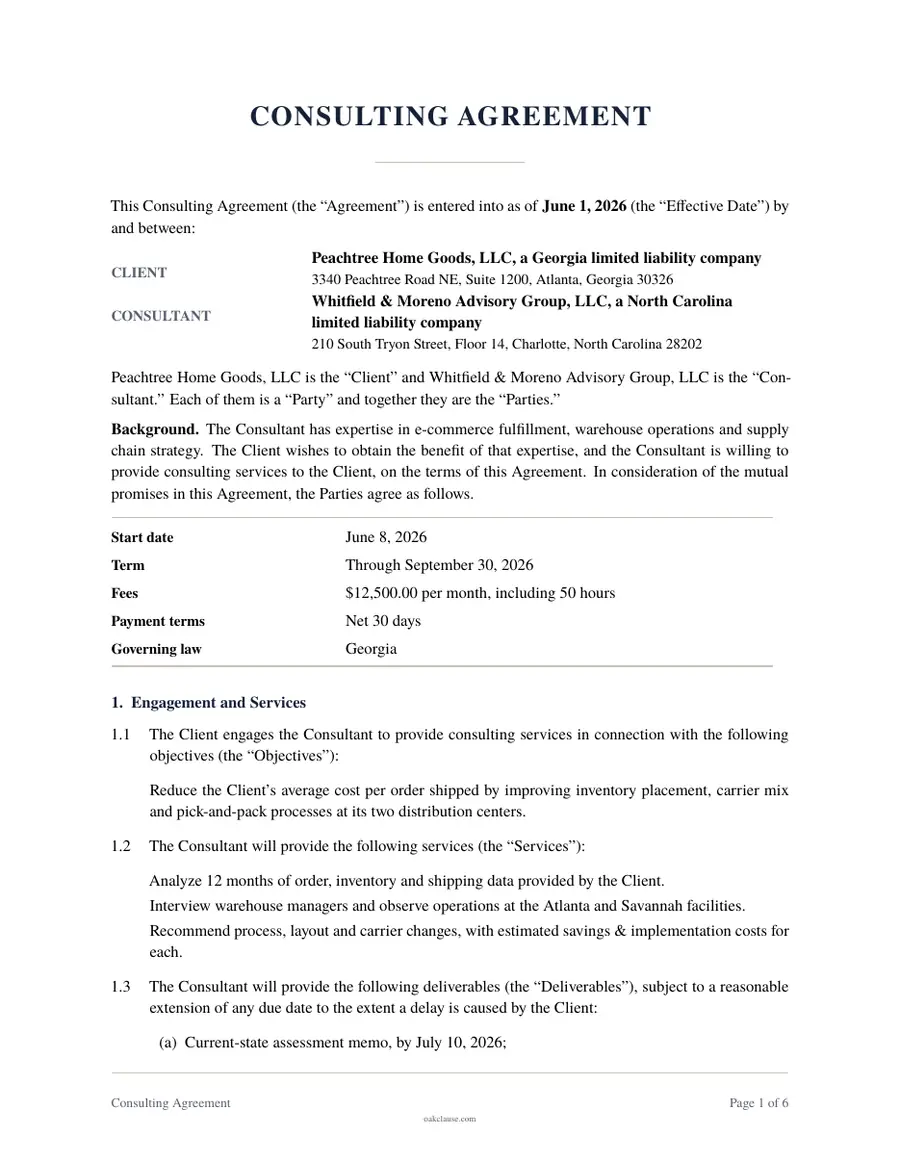
A written contract is the freelancer's best protection. It defines the scope of work, deadlines, the price and payment schedule, how changes are handled, and what happens if the client cancels. Scope creep and late payment are the two most common freelance disputes, and a clear contract addresses both.
Contractor or employee?
Calling someone an independent contractor does not make them one. Federal and state agencies look at the real relationship, especially who controls how and when the work is done, whether the worker can work for others, and who provides tools and bears financial risk. Some states apply stricter tests than federal law. Misclassification can lead to back taxes and penalties for the hiring business.
Who owns the work
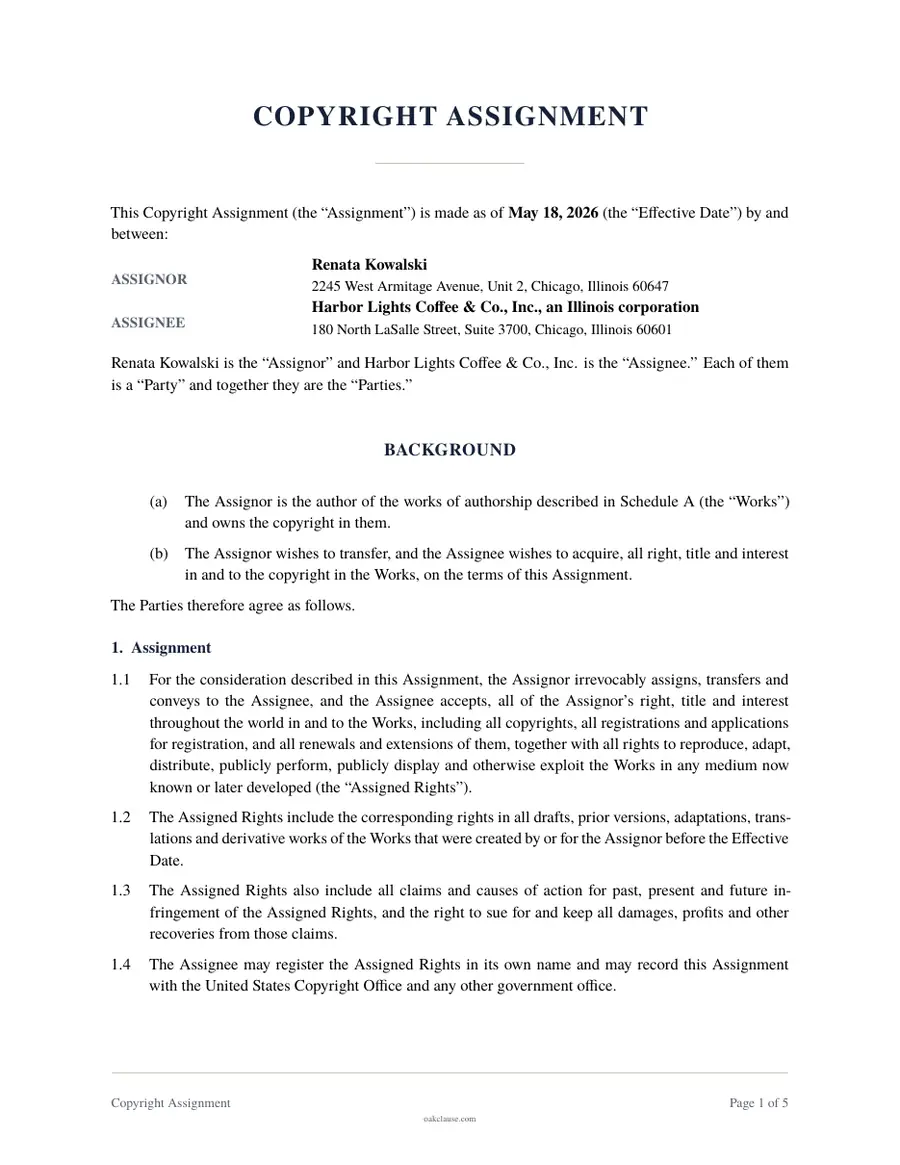
Under US copyright law, a freelancer generally owns what they create unless there is a written agreement transferring ownership or the work qualifies as a work made for hire. If a client needs to own the deliverables, the contract should include an assignment, often effective once payment is made. Freelancers can also license work instead of assigning it, keeping the right to reuse it.
Getting paid
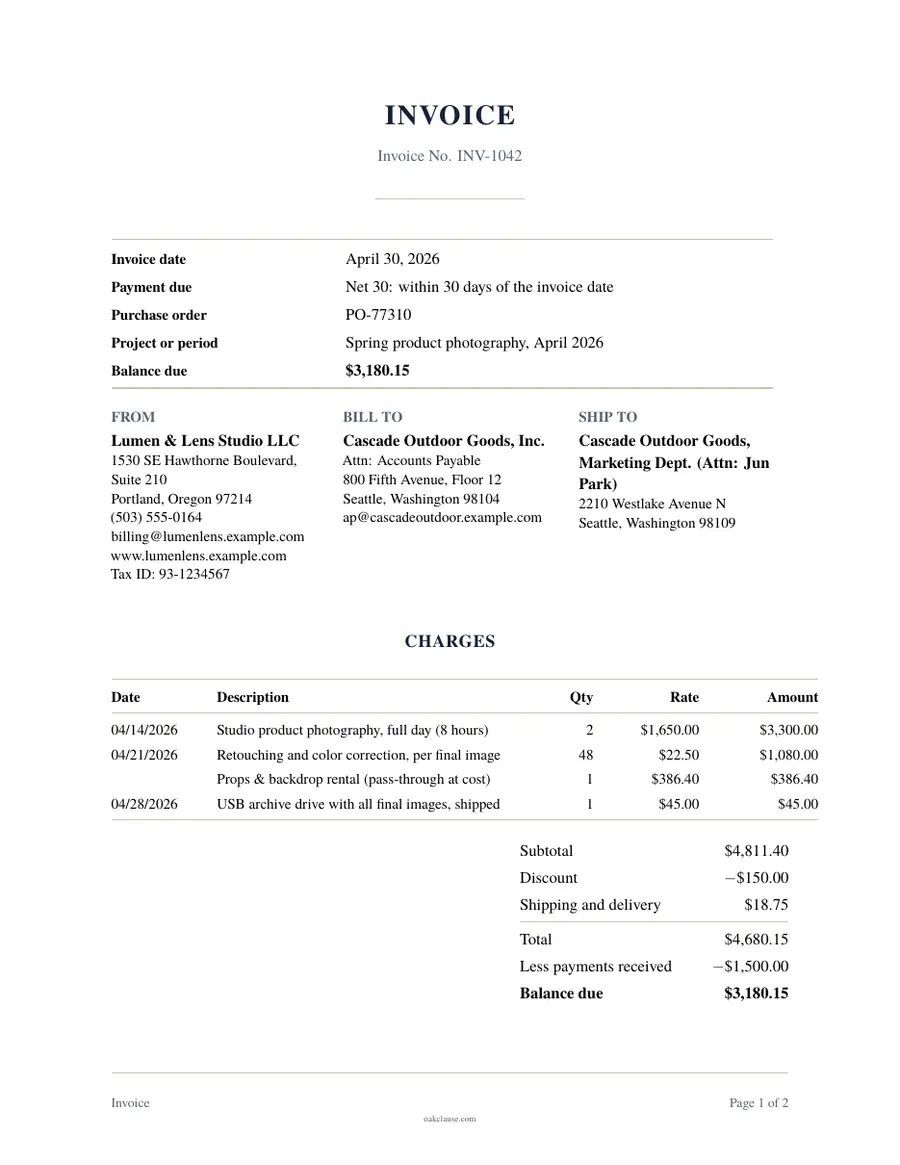
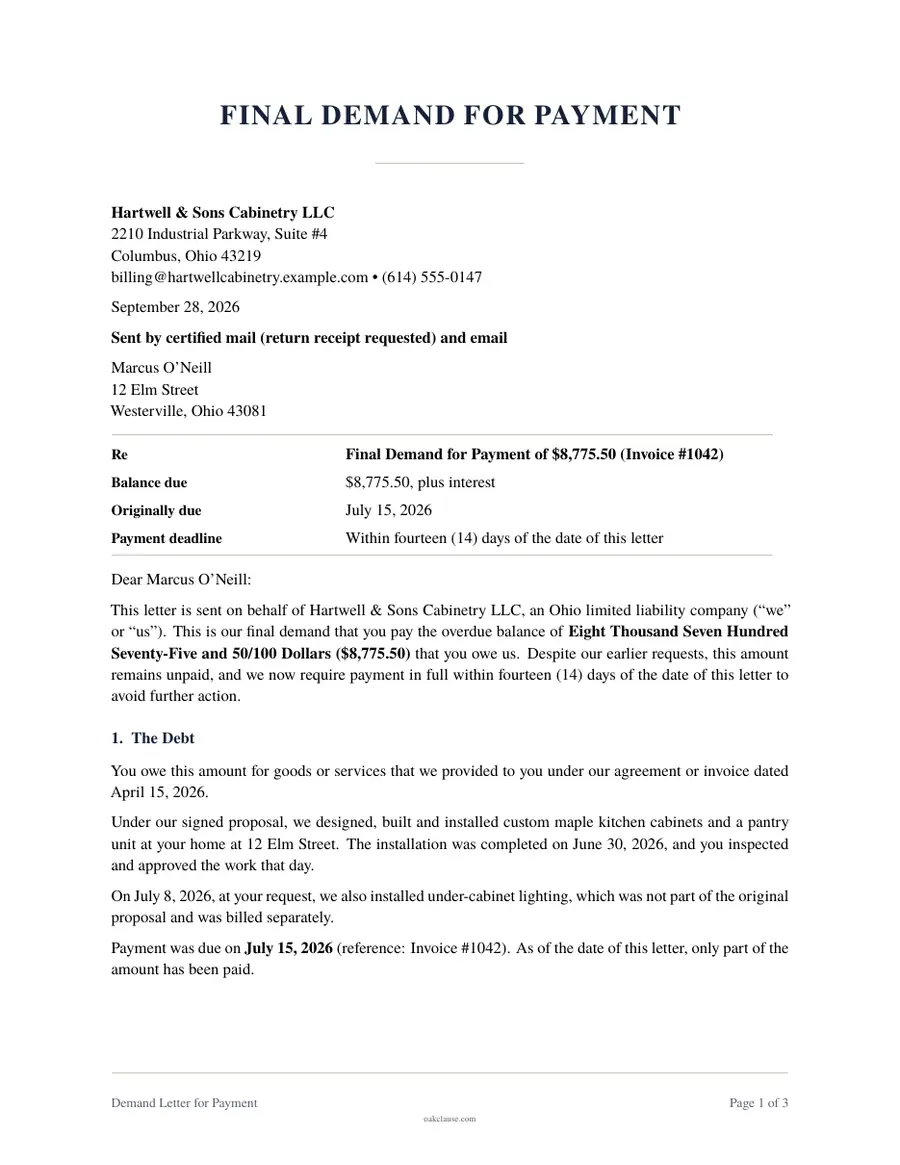
Send invoices that reference the contract, list deliverables and state the due date. Many freelancers ask for a deposit before starting and set late fees in the contract. If a client stops paying, a polite reminder followed by a formal demand letter often resolves the matter before small claims court becomes necessary.
Creative and media work
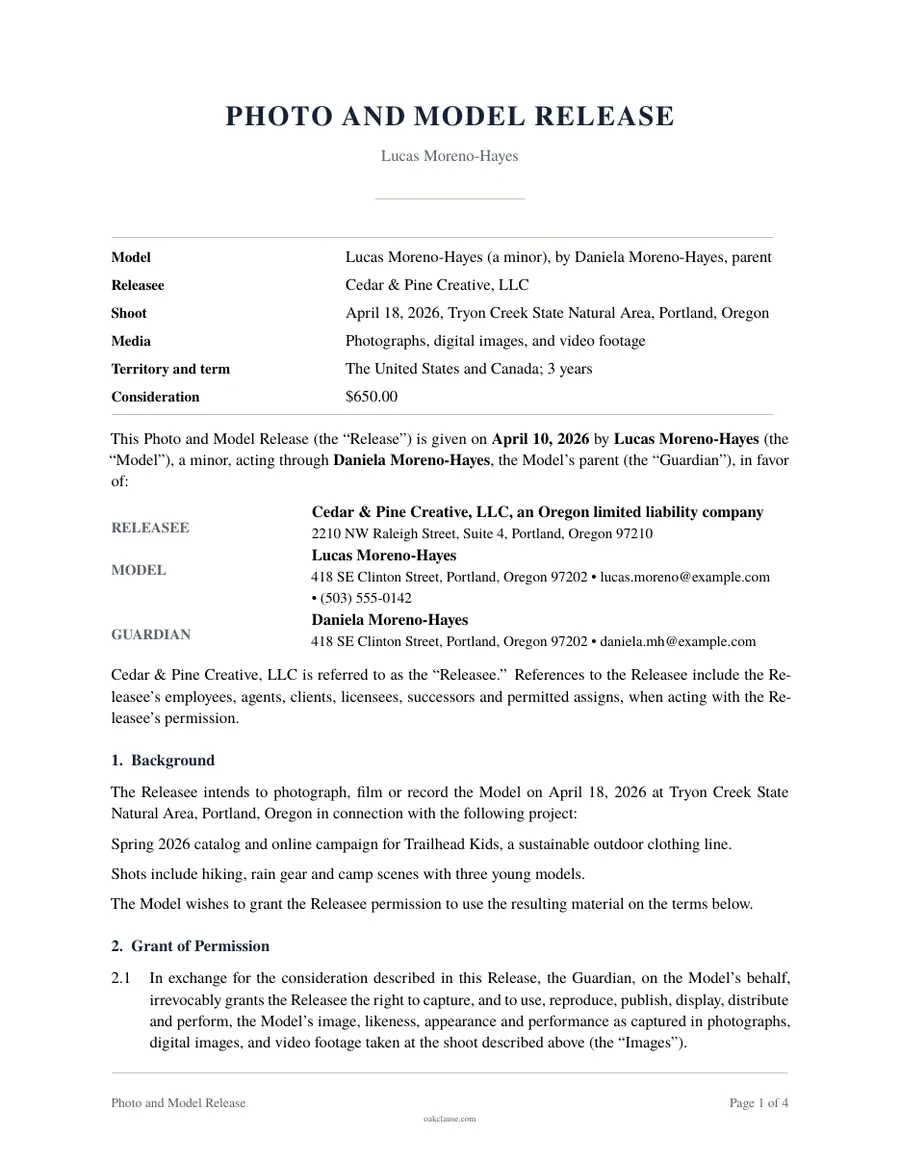
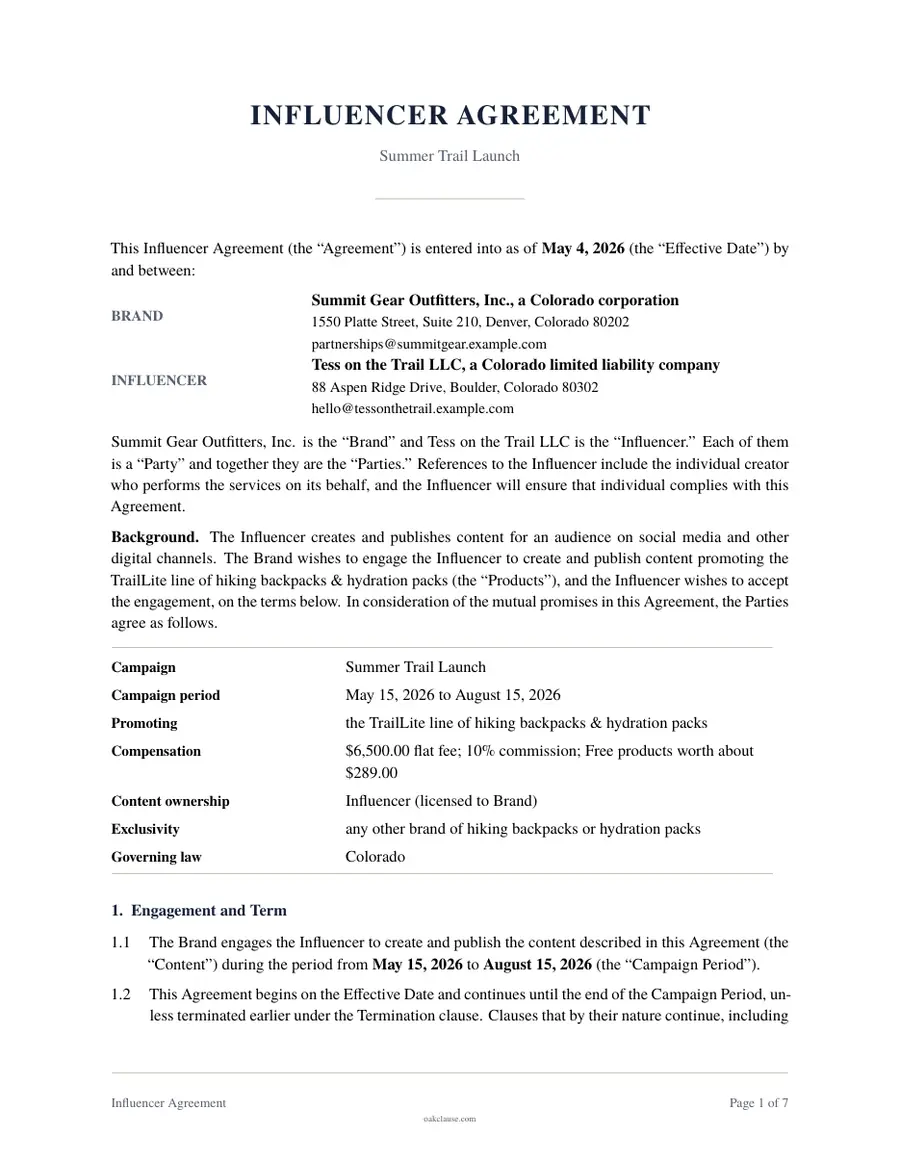
Photographers, videographers and content creators also need permission from the people who appear in their work. A model release covers the use of someone's likeness, and influencer agreements set disclosure requirements, since federal advertising rules require sponsored content to be clearly identified.
Plan for taxes and insurance
Independent contractors generally pay their own income and self-employment taxes, often through quarterly estimated payments. Setting aside part of every payment avoids surprises. Depending on your work, general liability or professional liability insurance can protect you if a client claims your work caused them a loss.