What to know
What makes a contract enforceable
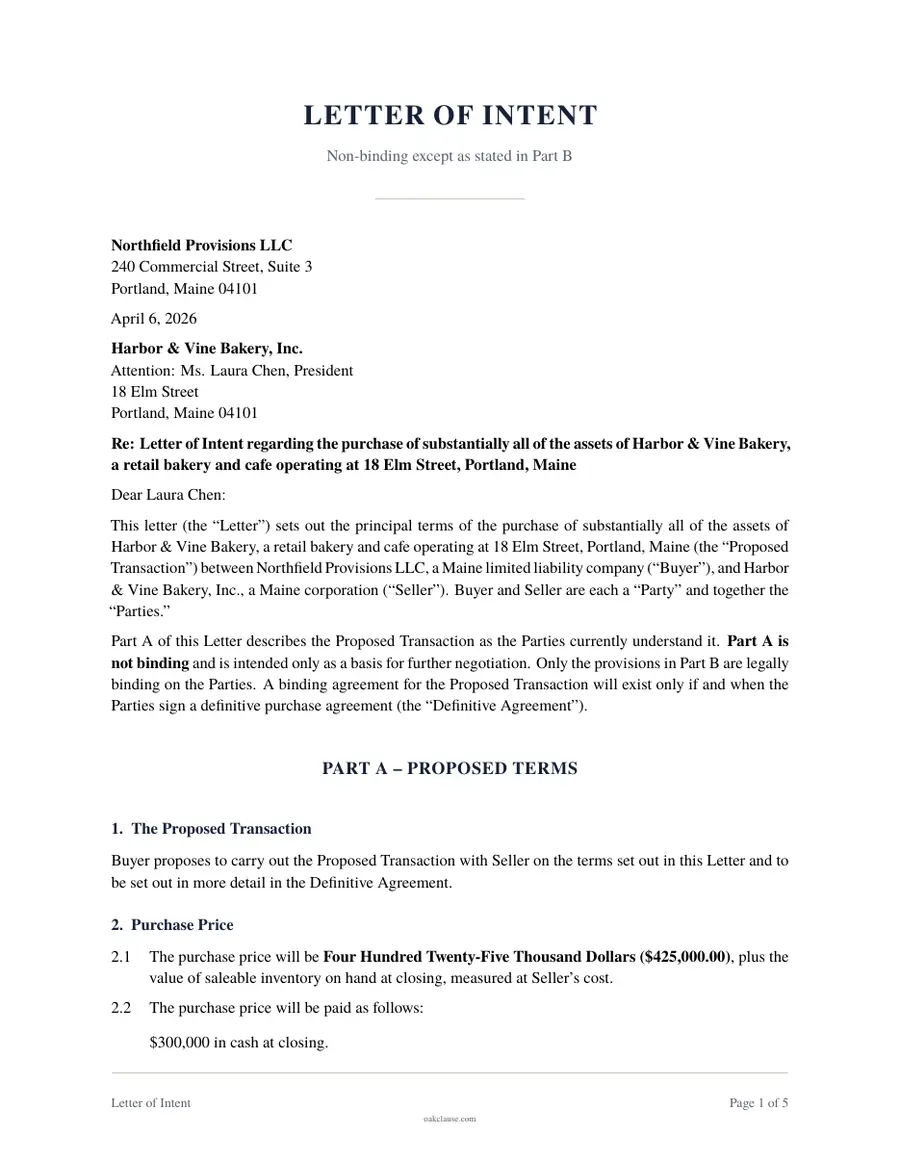
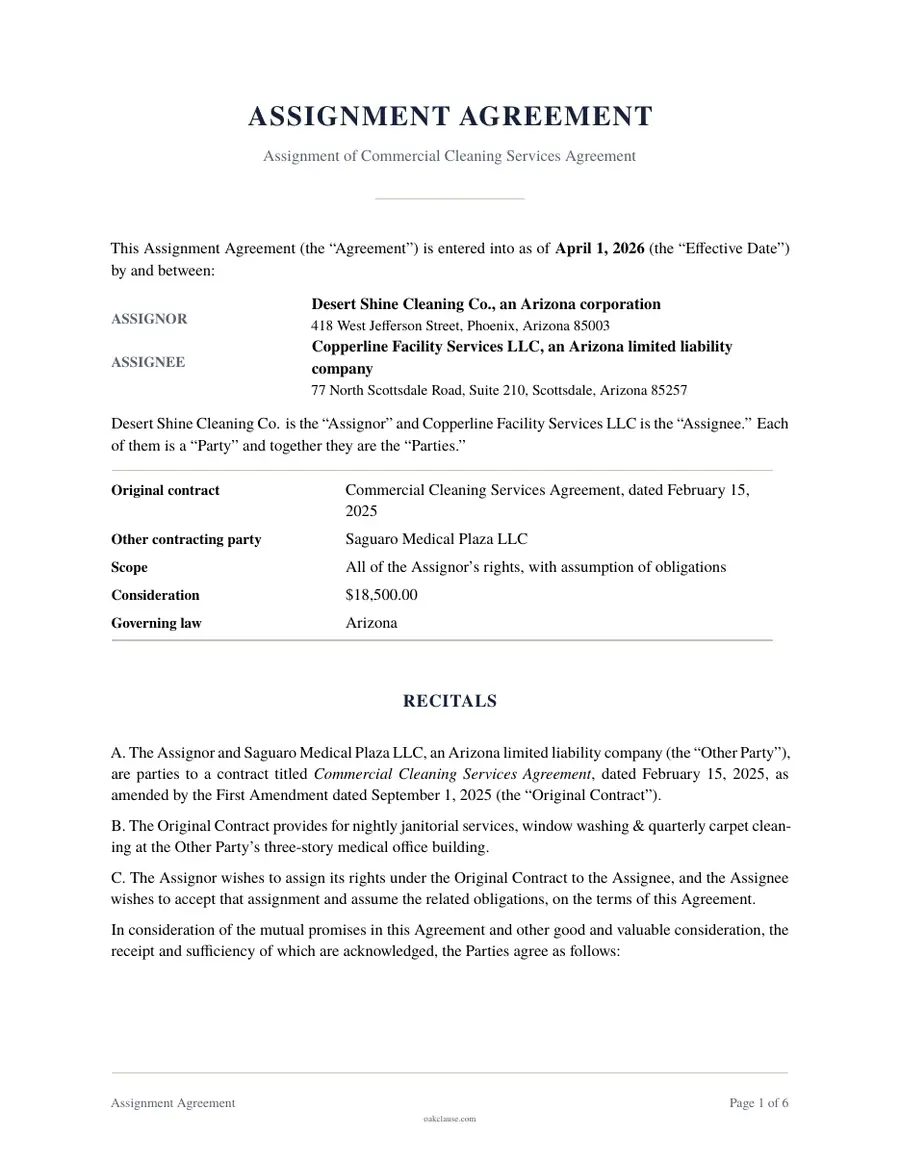
In general, a contract is formed when one party makes an offer, the other accepts it, and each side gives something of value. The parties must have the capacity to contract and the purpose must be legal. Many contracts can be made orally, but some types, such as agreements to sell real estate or contracts that cannot be performed within a year, generally must be in writing to be enforceable.
Even when writing is not required, it is strongly recommended. A written contract is evidence of what was agreed.
Terms every contract should cover
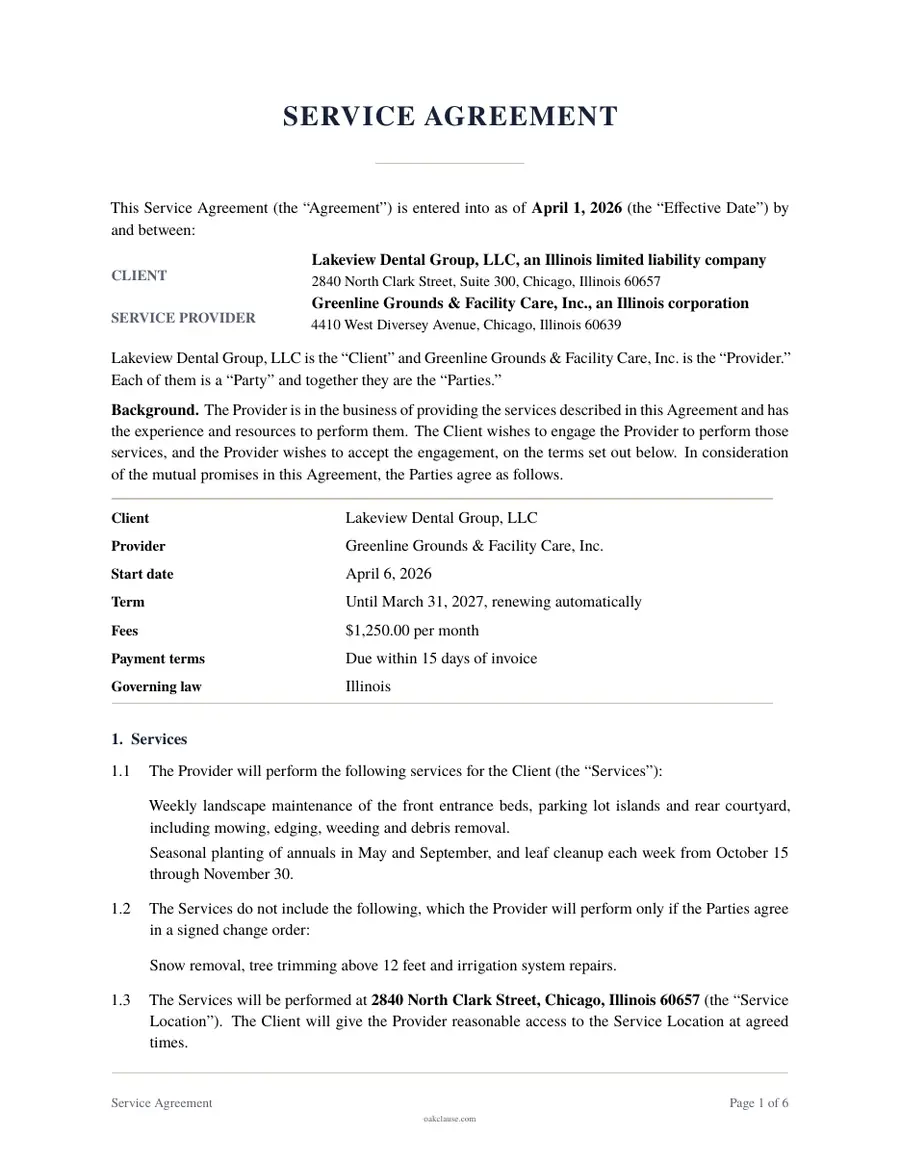
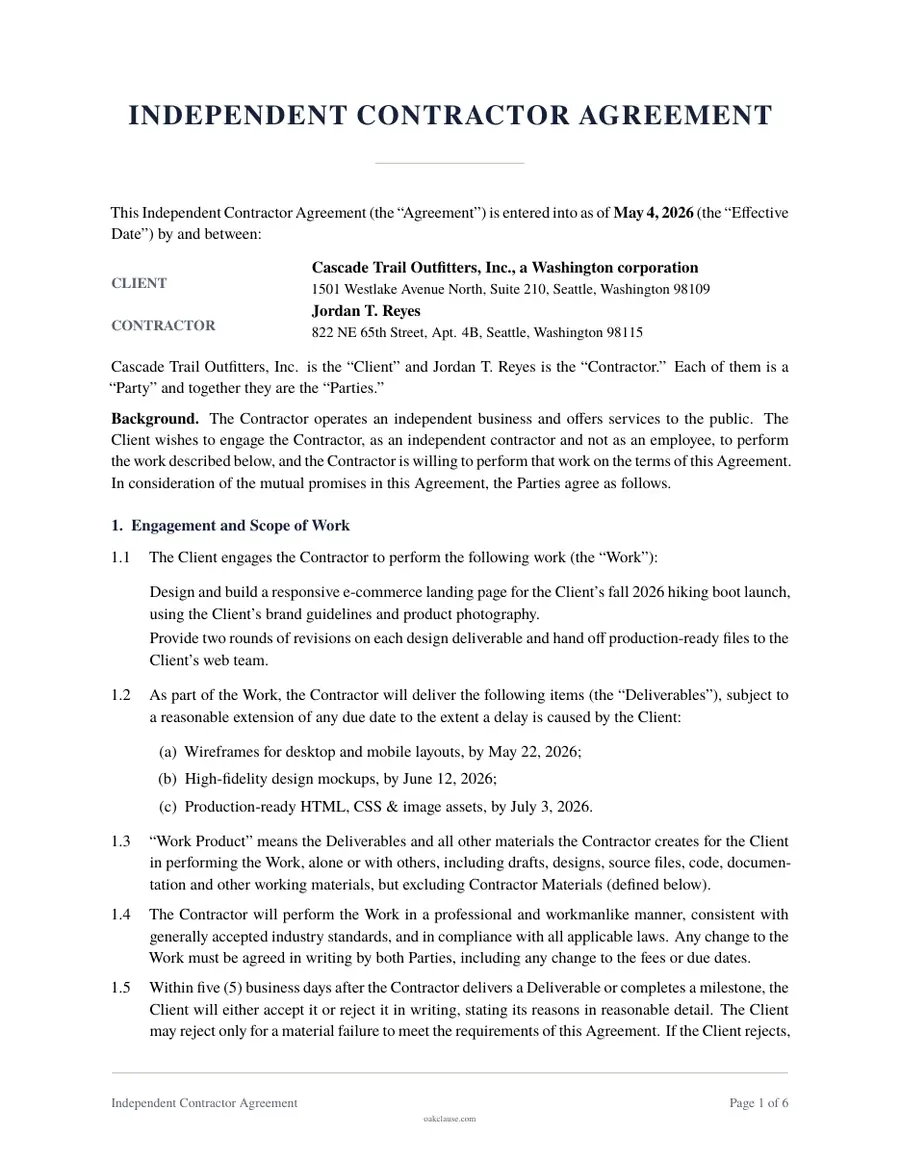
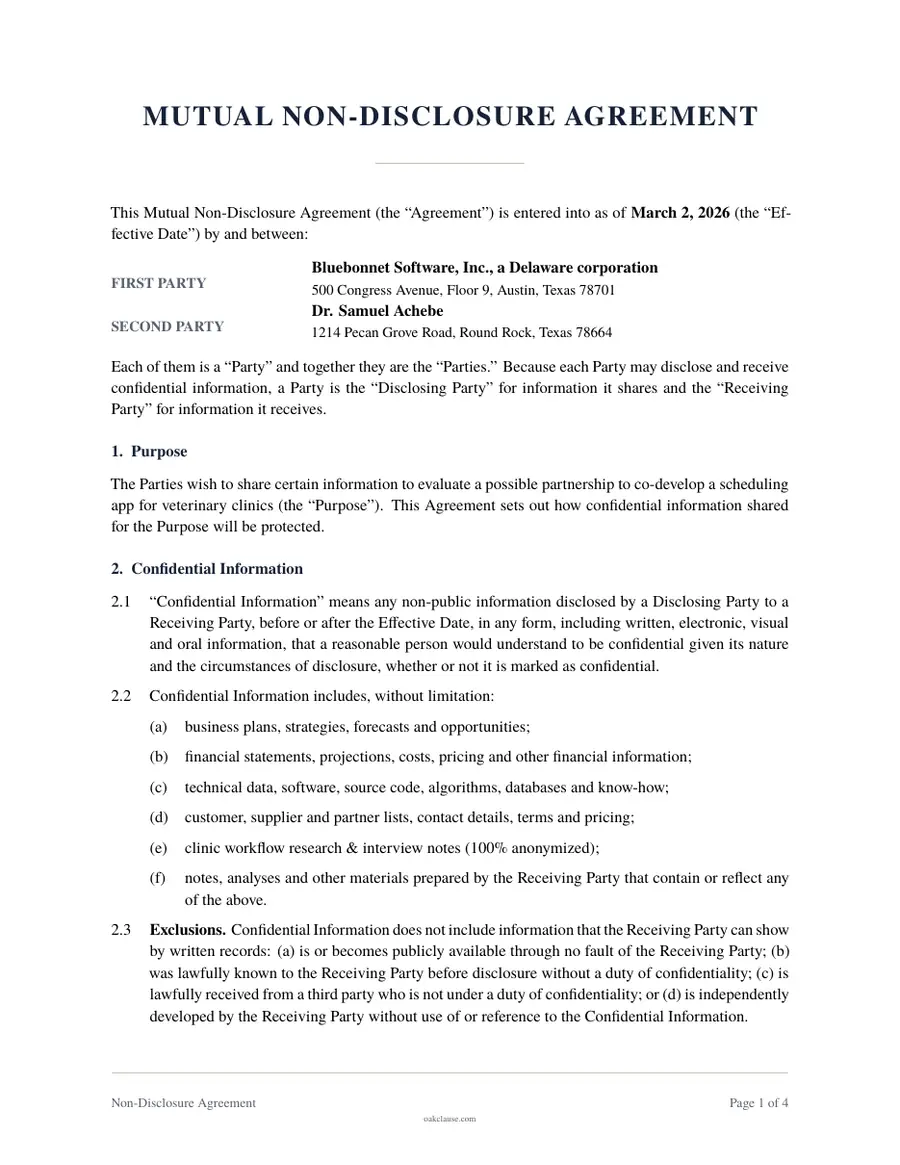
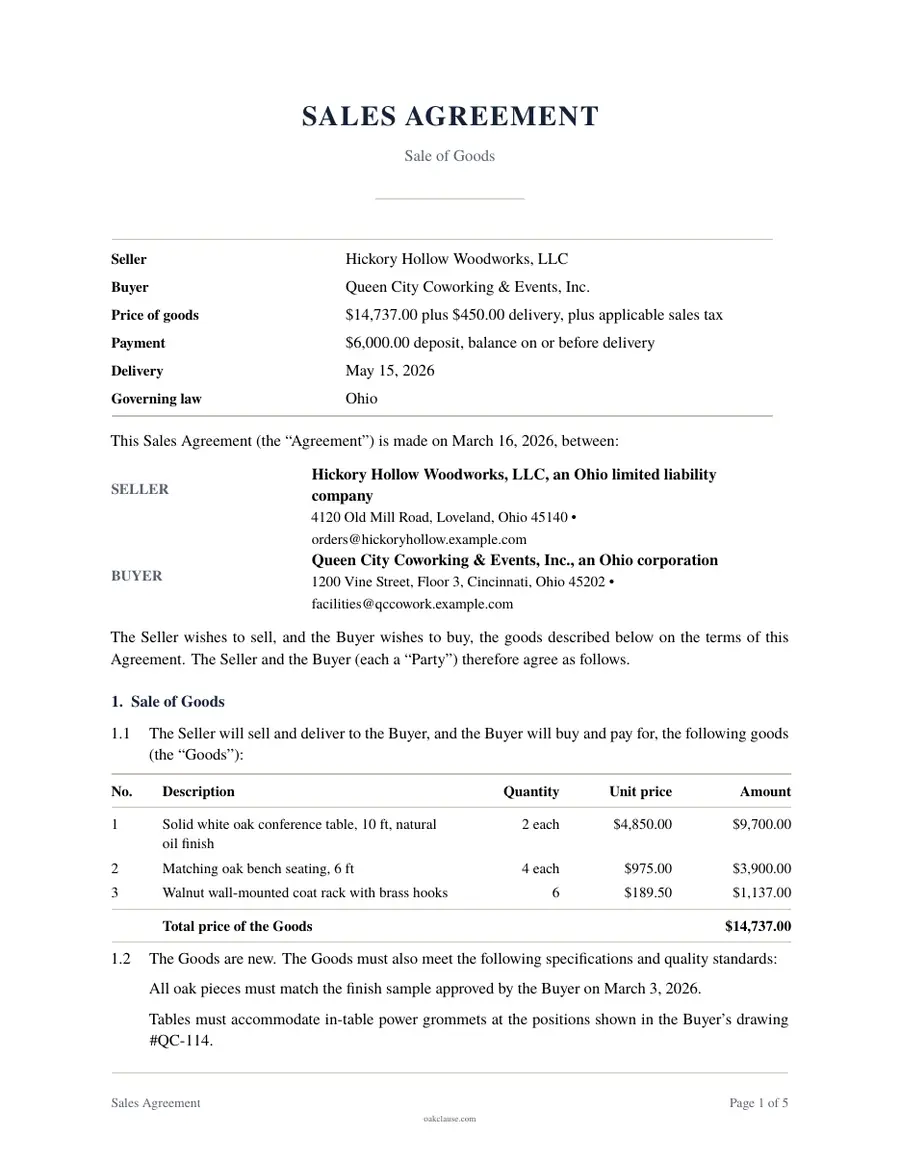
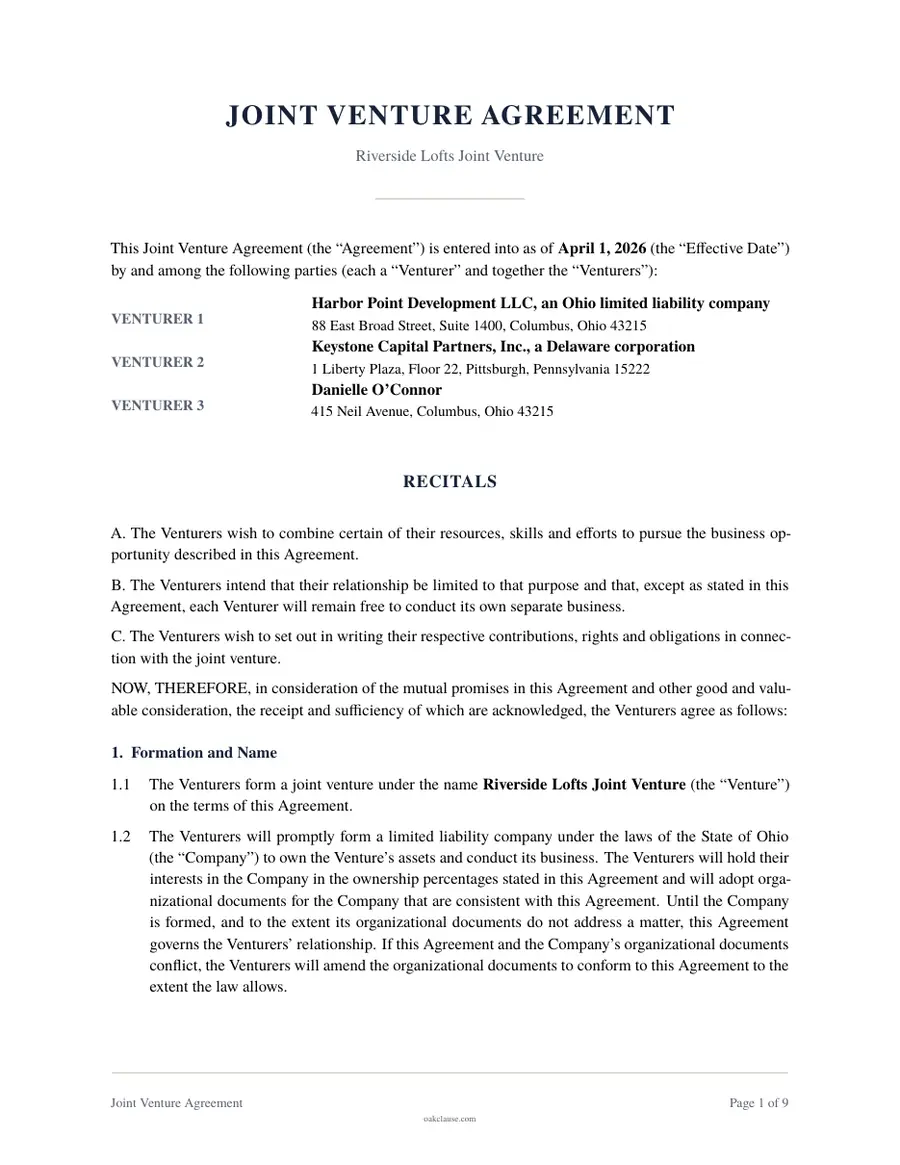
Identify the parties precisely, including the legal name of any business. Describe what each side will do or deliver, the price and when it is paid, deadlines, and how the agreement can be ended. Common protective terms include limits on liability, confidentiality, how disputes will be resolved and which state's law applies.
Changing a signed contract
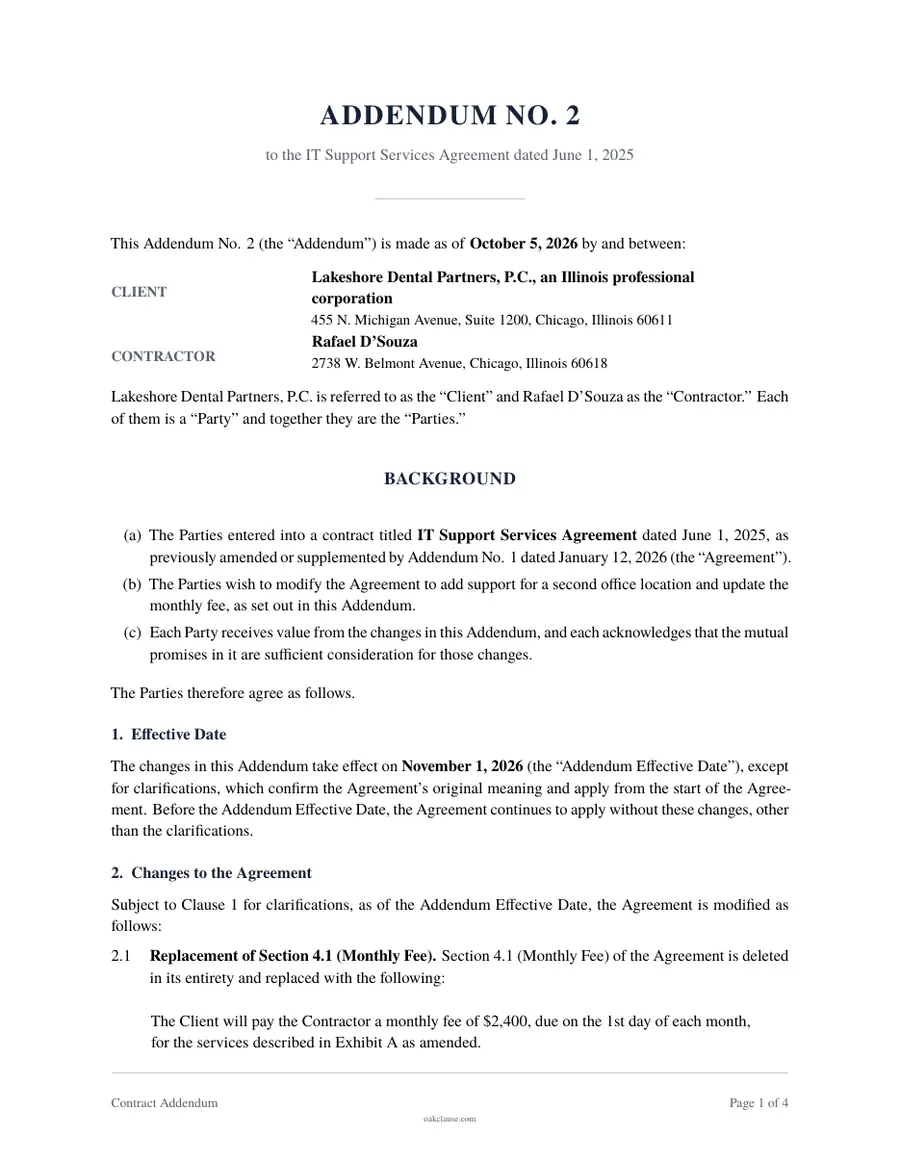
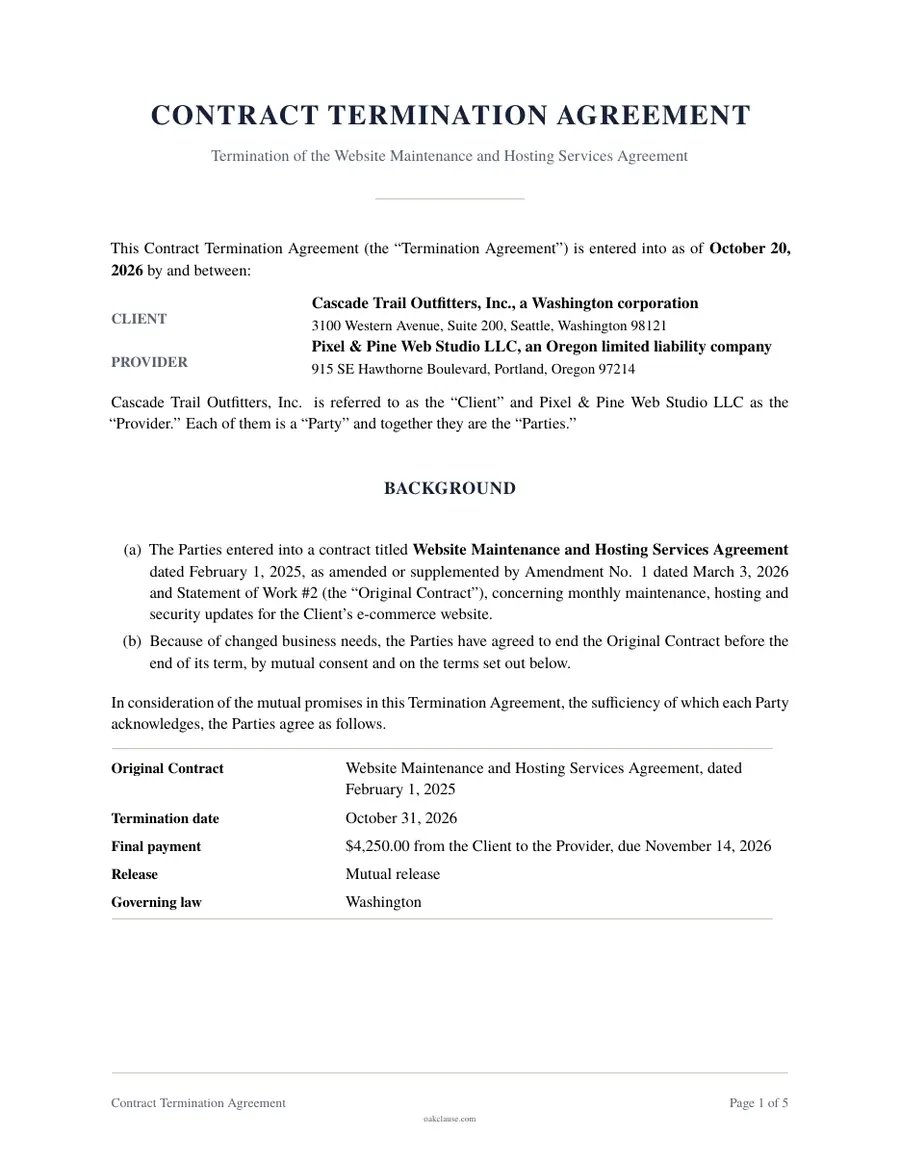
Most contracts say they can only be changed in writing signed by both parties. A contract addendum adds or modifies terms without replacing the whole agreement. If both sides want to end a contract early, a termination agreement records that decision and settles any remaining payments or obligations.
Releases and waivers
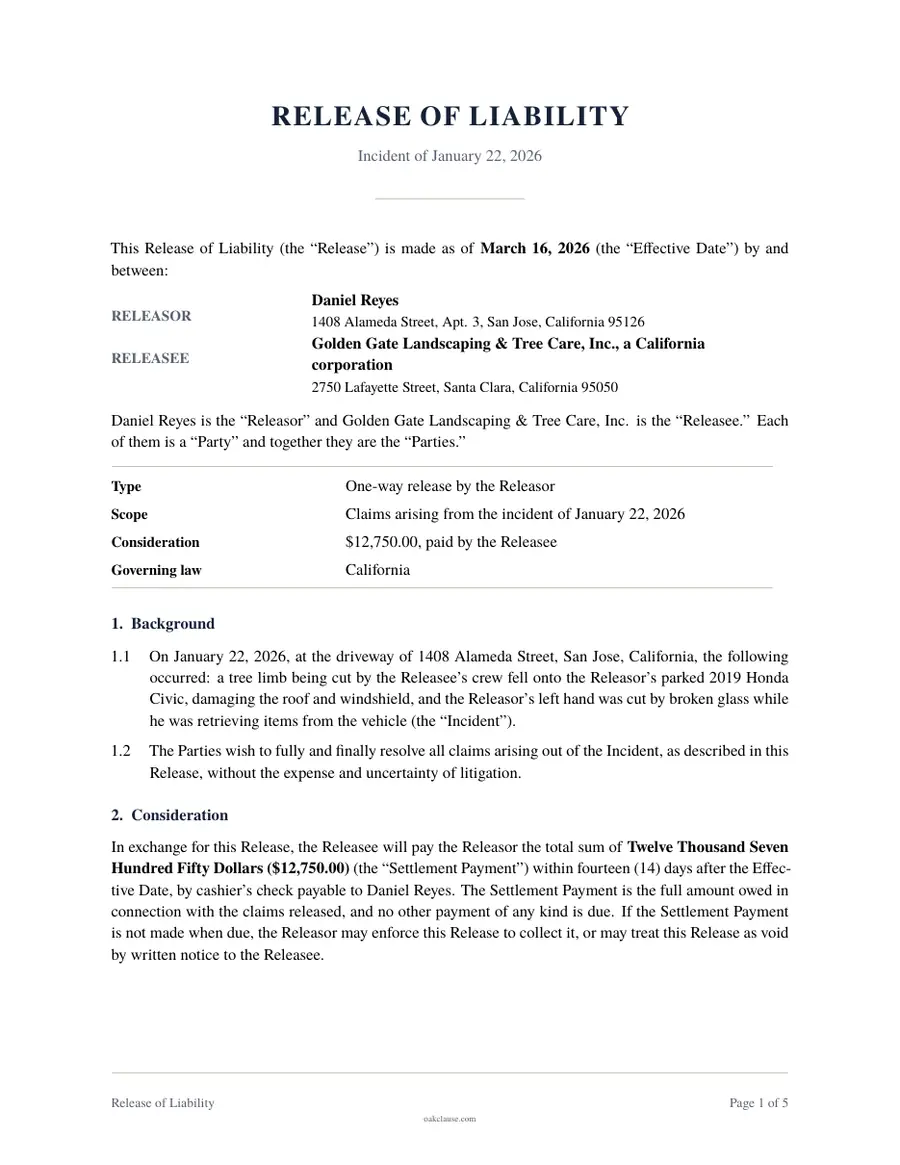
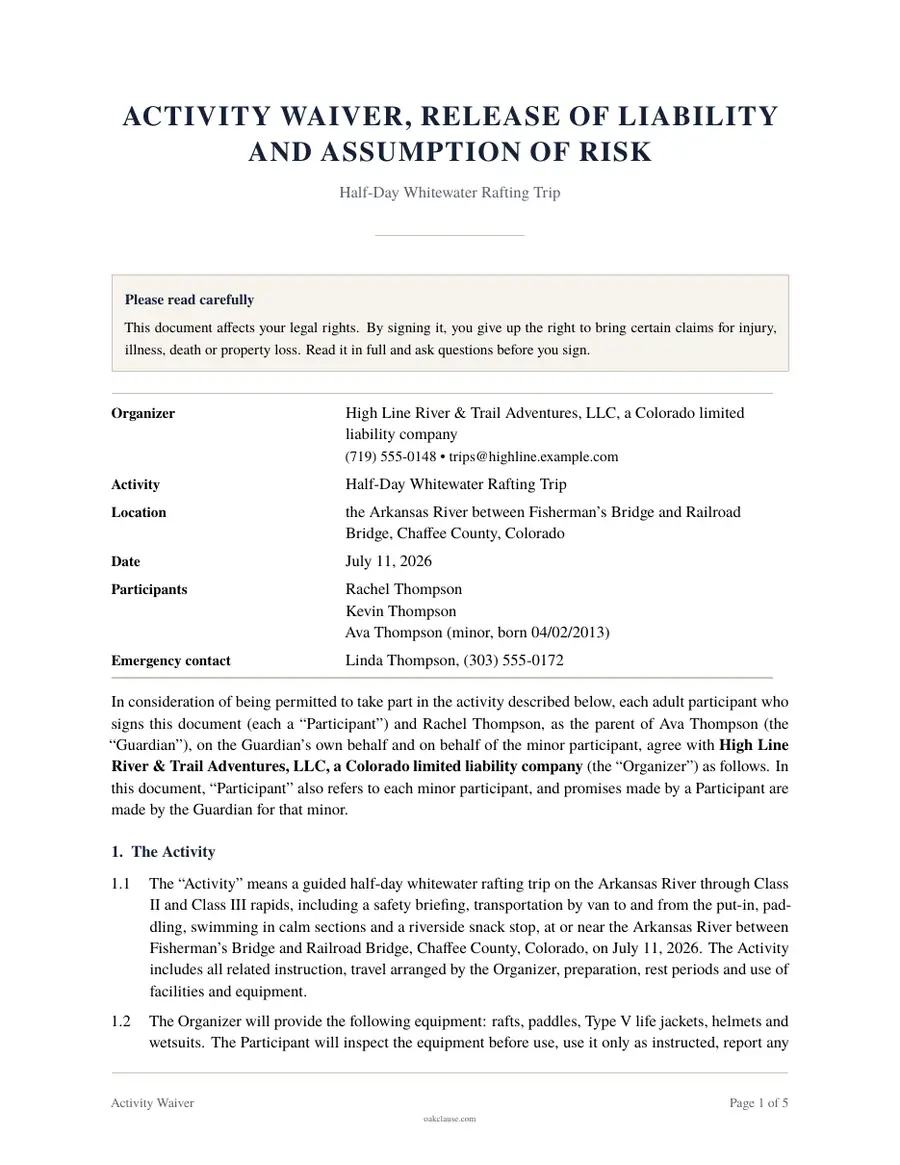
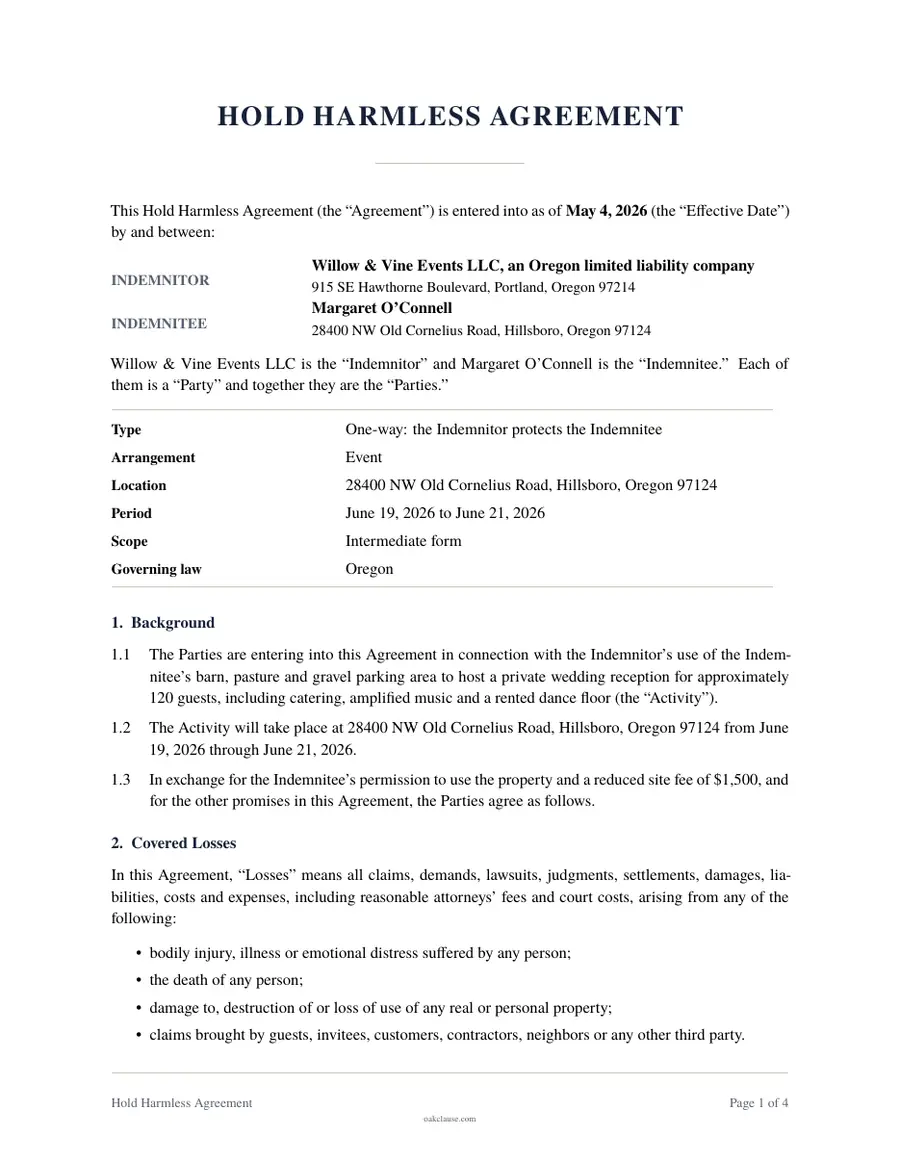
A release of liability gives up claims arising from a past event, often in exchange for a settlement payment. An activity waiver asks participants to accept the risks of a future activity. Courts in many states will not enforce waivers of gross negligence or intentional misconduct, and some scrutinize waivers closely, so clear and conspicuous wording matters.
Signing
Under federal and state electronic signature laws, electronic signatures are generally as valid as handwritten ones for most business contracts. A few document types, such as wills and some real estate filings, still have special signing rules.
Keep the signed version
Store the final signed version of every contract where you can find it, along with any amendments. Note key dates such as renewal deadlines, notice periods and payment milestones on a calendar, because many disputes start when a deadline in the contract is missed.