What to know
How title moves from one owner to another
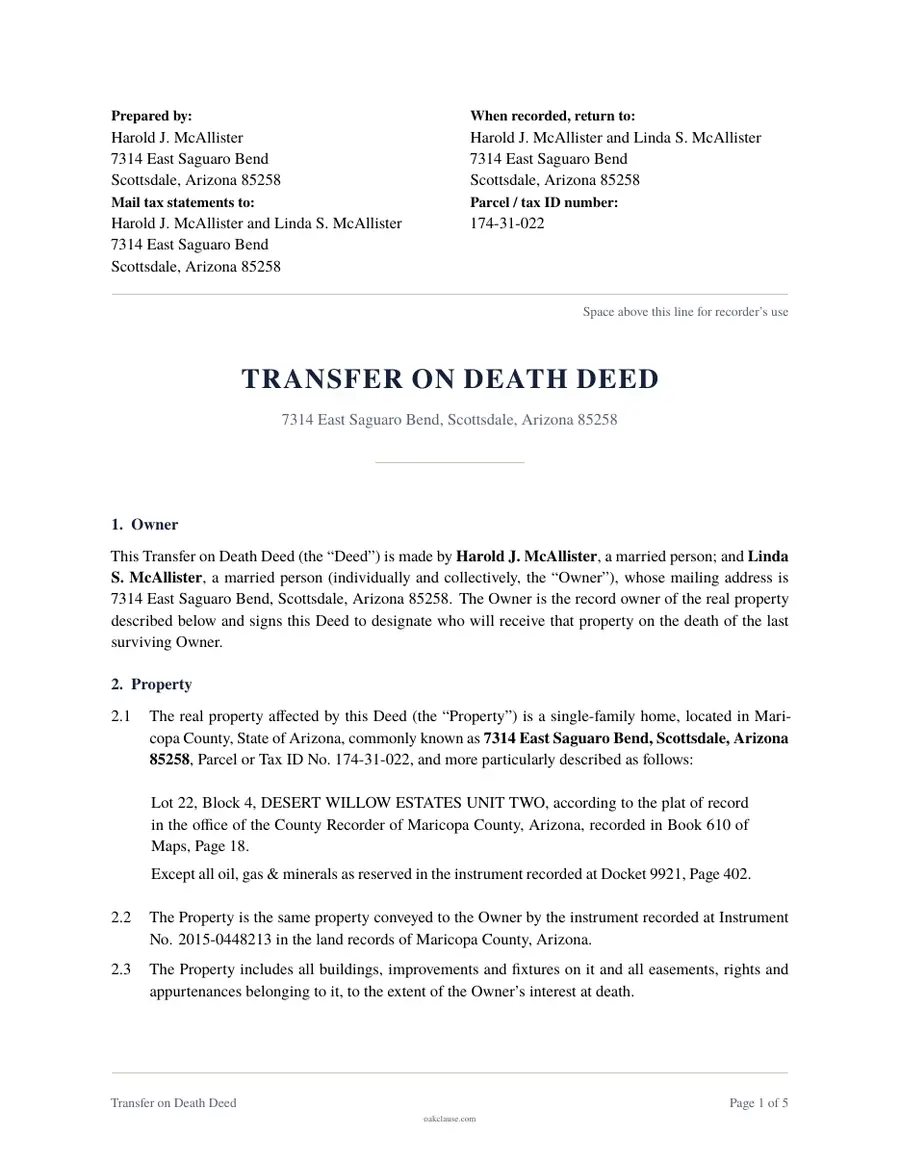
Real estate changes hands through a deed: a signed document that transfers ownership from the current owner (the grantor) to the new owner (the grantee). For the transfer to be effective against the rest of the world, the deed is usually signed in front of a notary and recorded with the county office where the property is located.
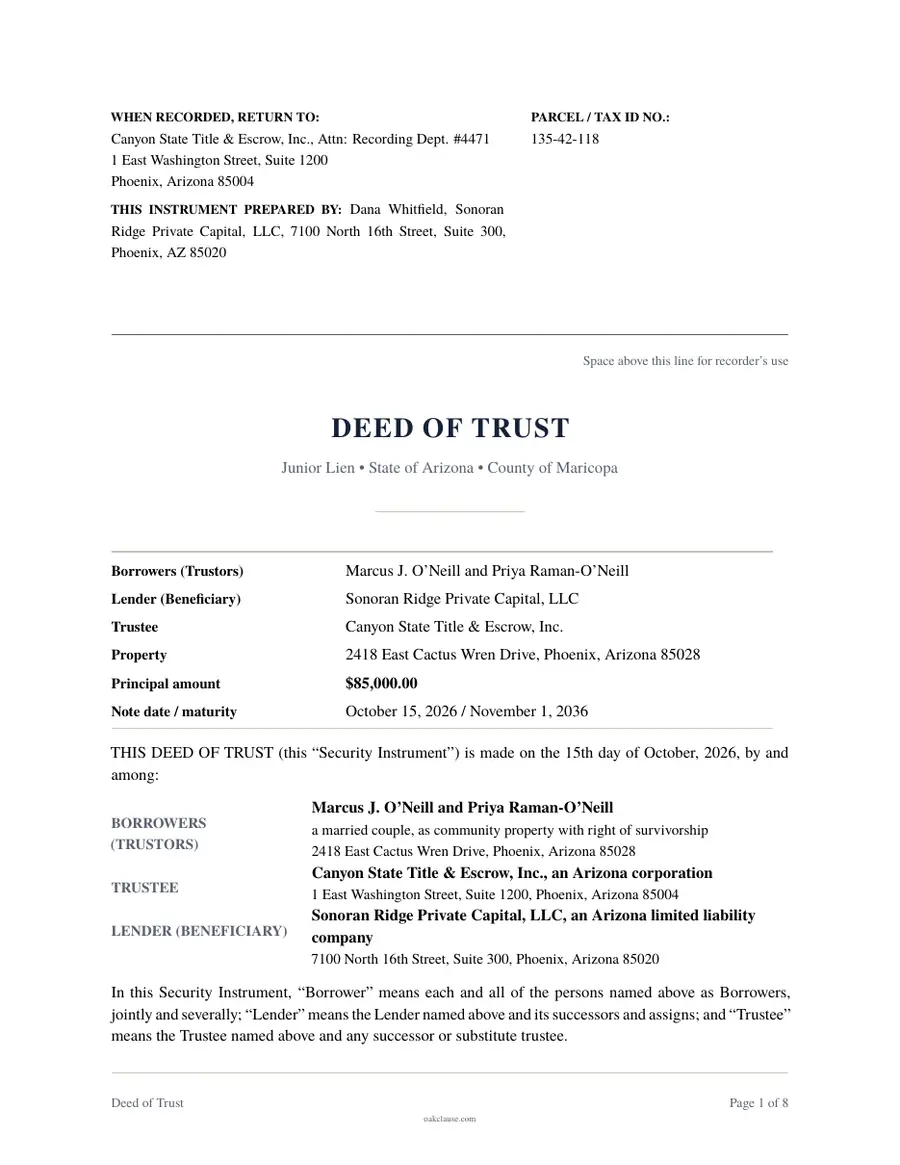
Recording requirements vary by county and state. Many offices require specific margins, a legal description of the property, the preparer's name and a return address, and some require a transfer tax form or a cover sheet. Check with the recorder before you submit.
Choosing the right deed
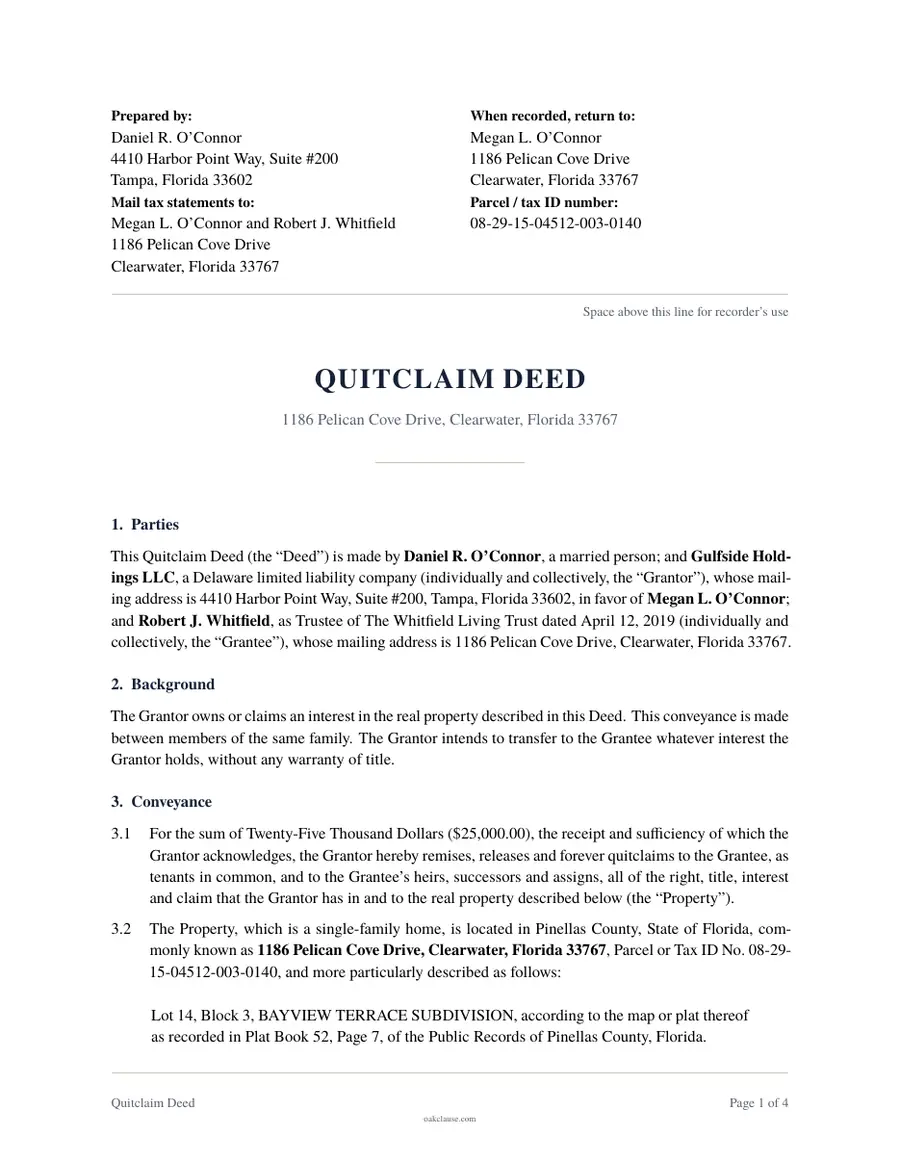
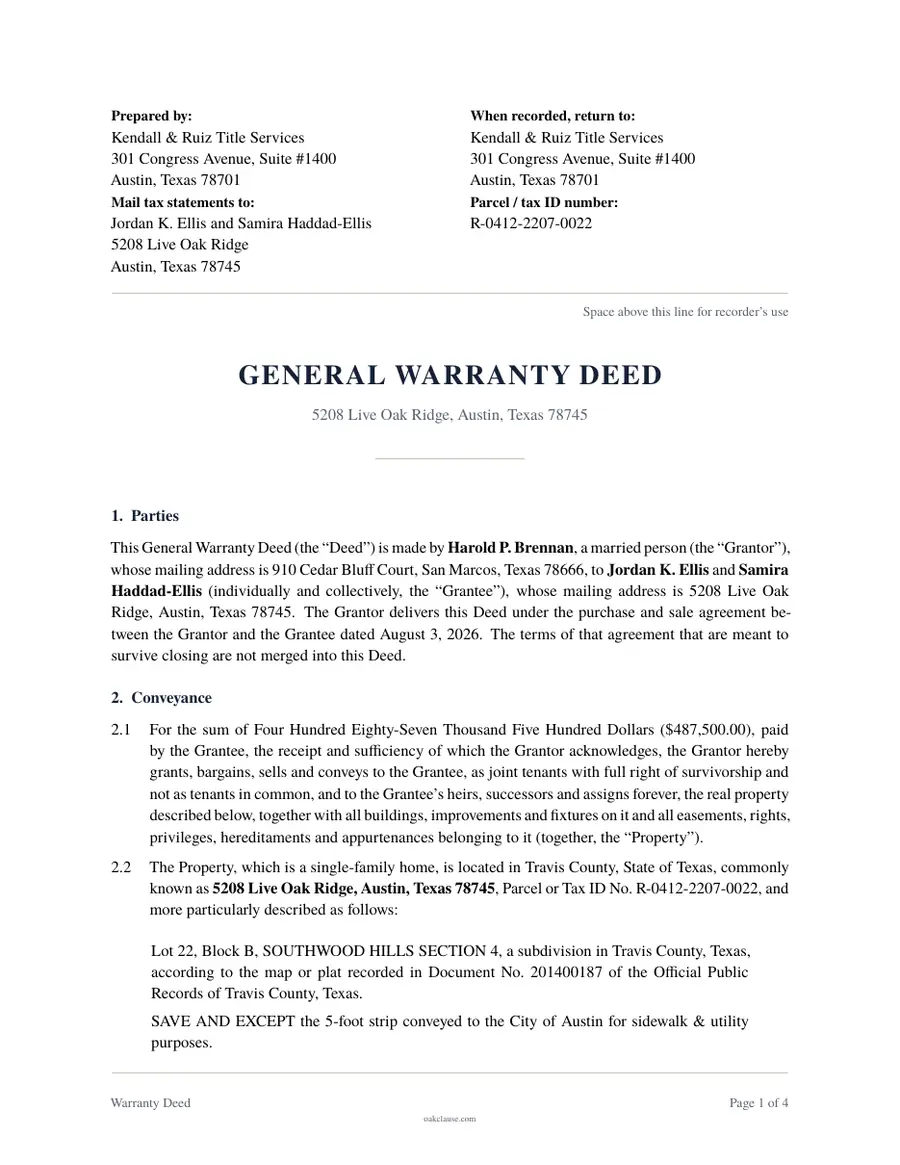
A warranty deed includes the grantor's promise that the title is clear and that they will defend it against claims. It is common in sales between strangers. A quitclaim deed transfers only whatever interest the grantor has, with no promises at all; it is often used between family members, between spouses during a divorce, or to clear up a title issue.
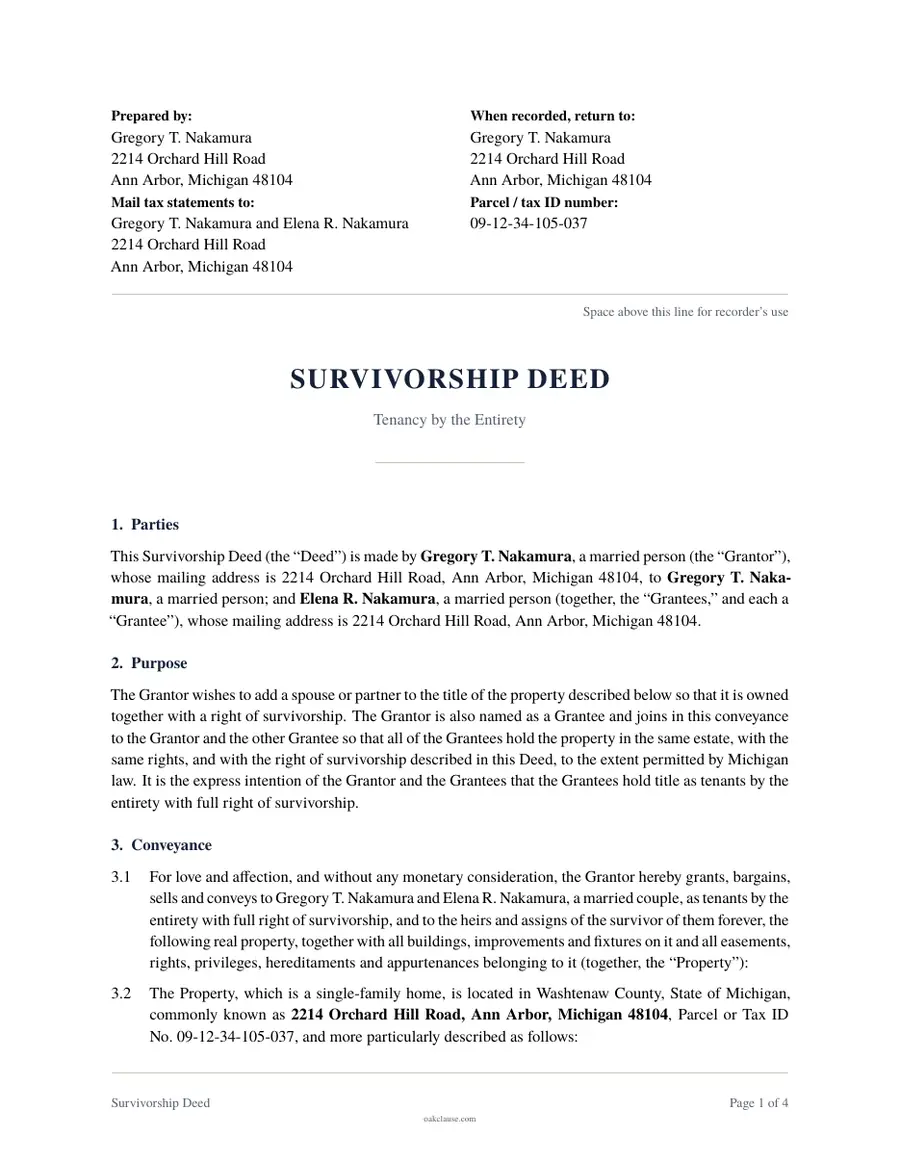
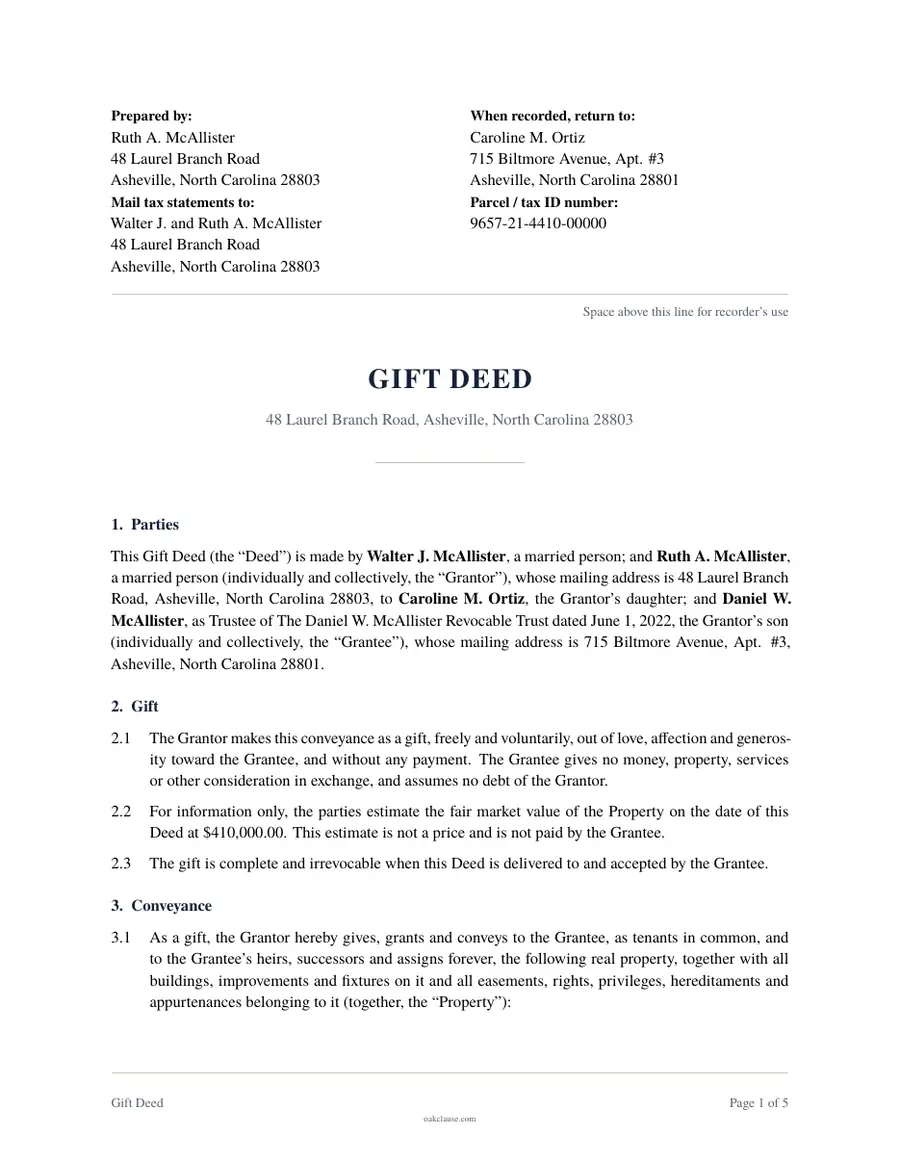
A survivorship deed puts property in the names of two or more owners so that when one dies, their share passes to the survivors without probate. A gift deed transfers property with no payment in return. Large gifts may have federal gift tax reporting implications, so talk to a tax professional if the property is valuable.
Selling the property
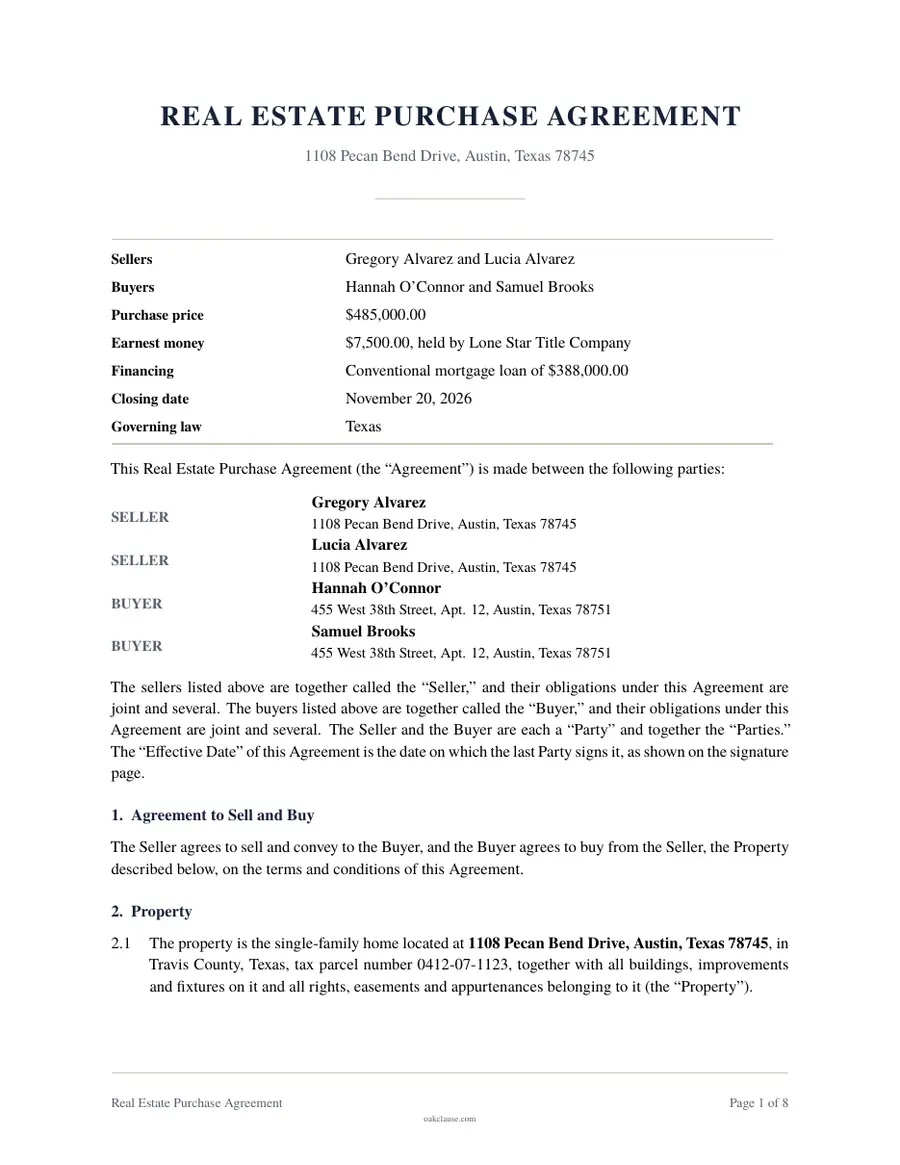
When there is a buyer, the deal is set out in a purchase agreement before any deed is signed. The agreement covers price, deposit, contingencies, disclosures and the closing date. The deed is then delivered at closing once the buyer pays.
Fixing mistakes and proving heirship
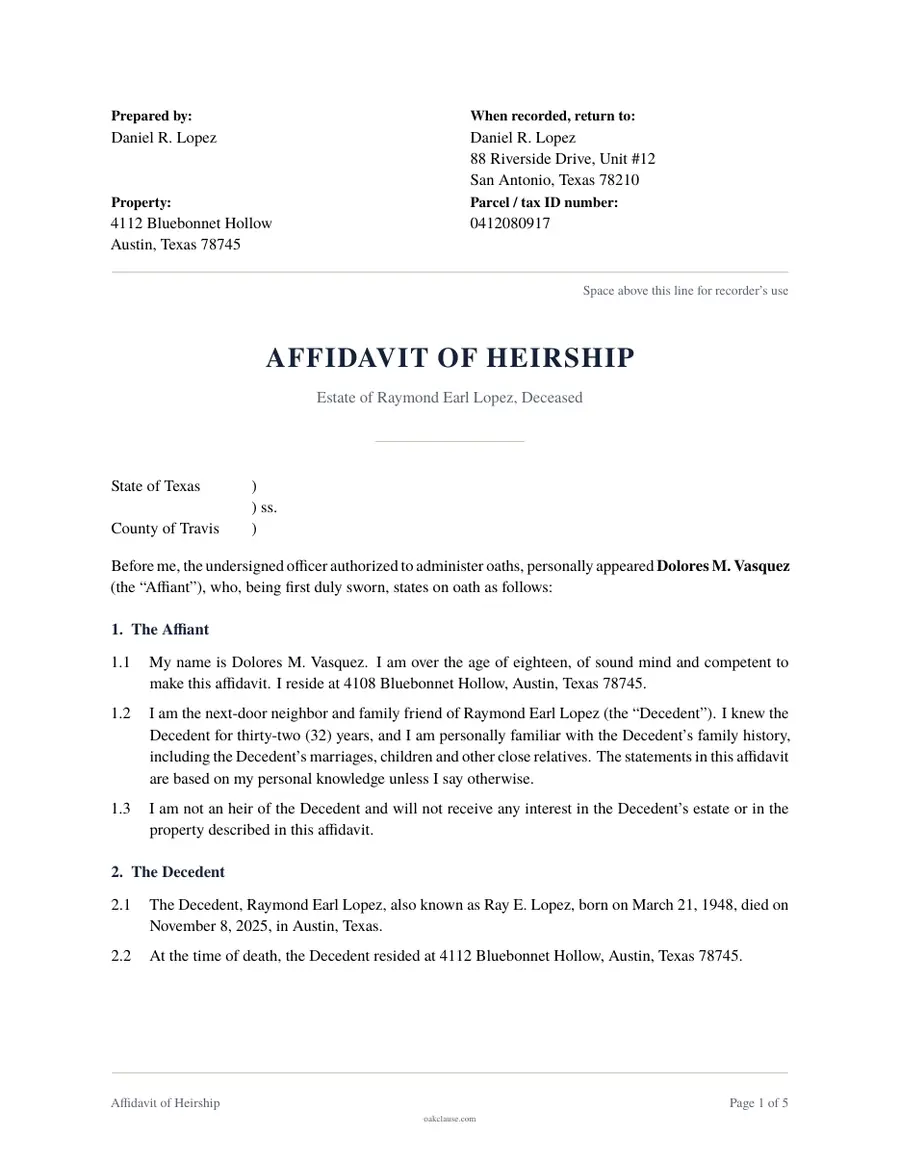
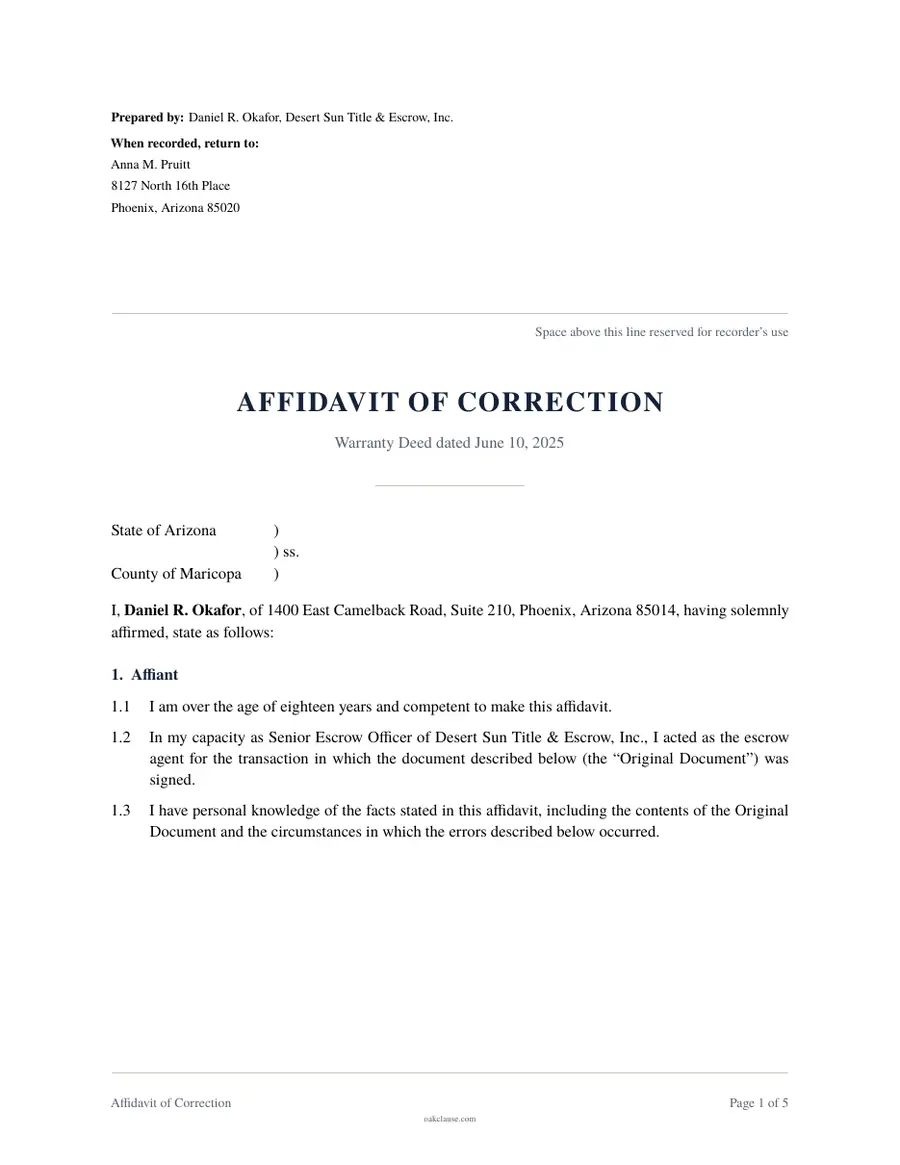
If a recorded document contains an error, such as a misspelled name or a wrong lot number, an affidavit of correction may fix it in some states, while others require a new corrective deed. When an owner dies without a will, an affidavit of heirship can help establish who inherited the property, though title companies differ on when they will accept one.