What to know
Start with a solid lease
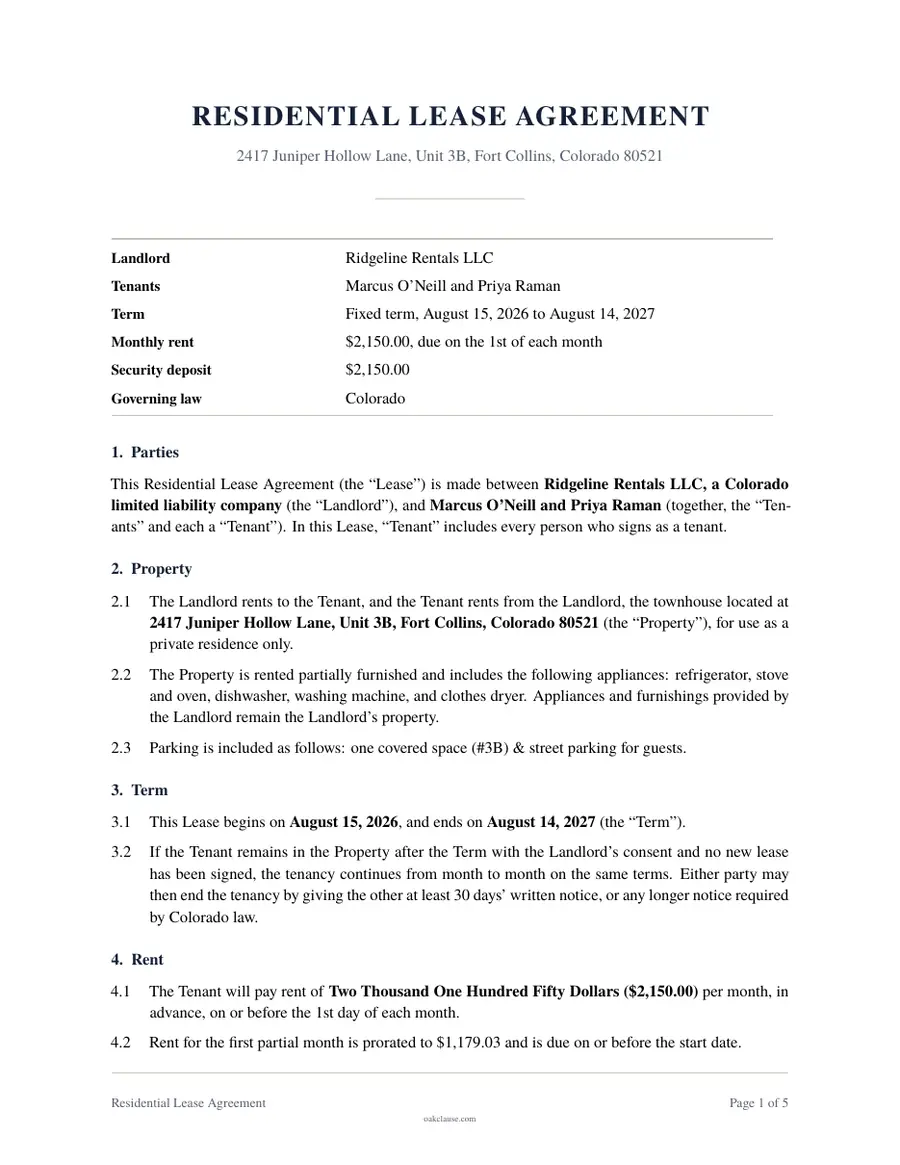
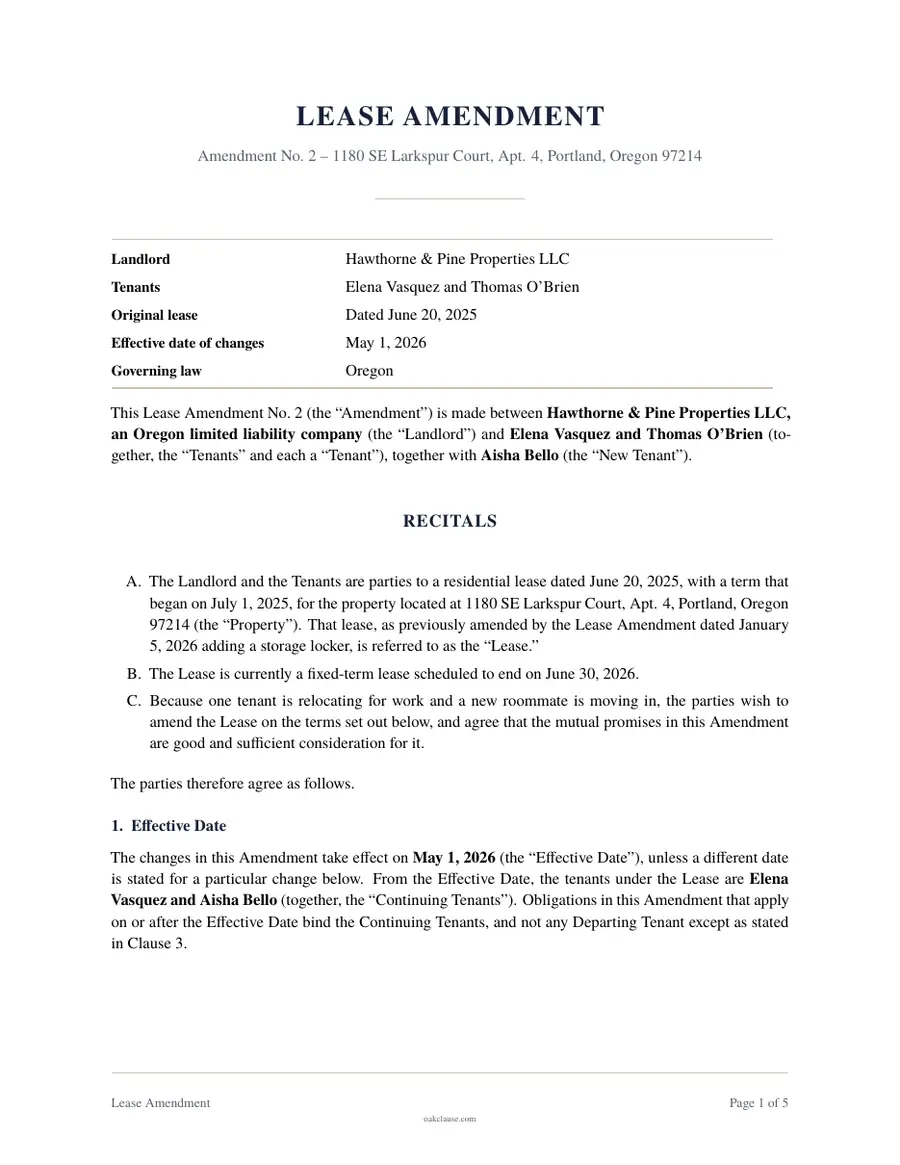
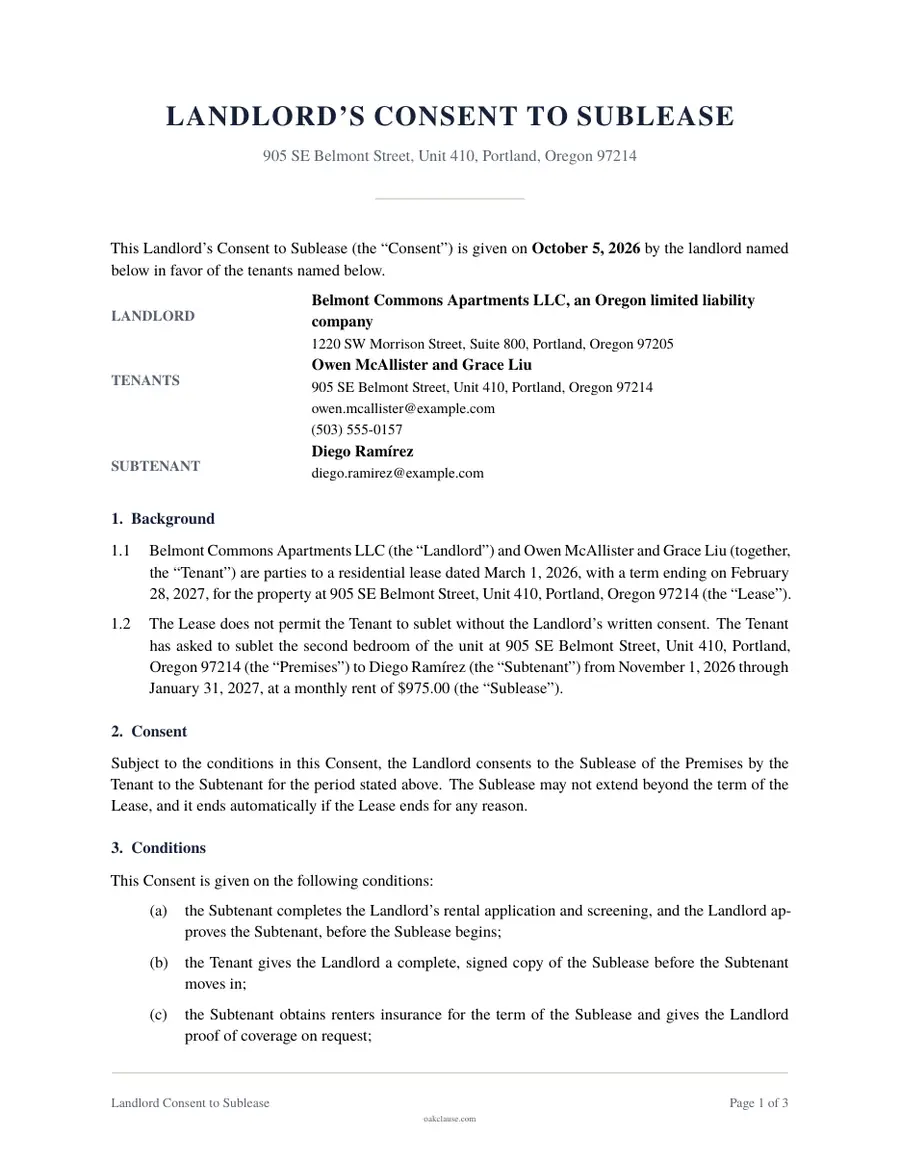
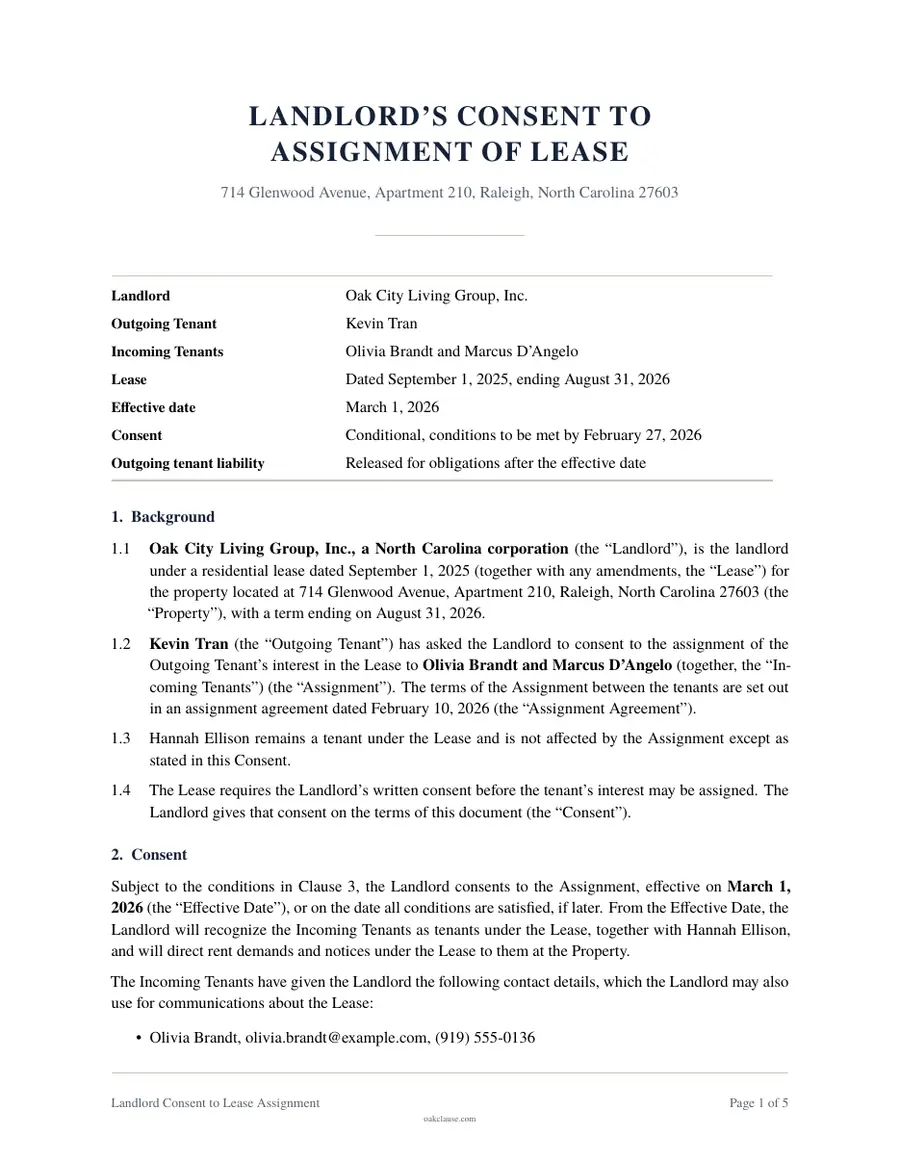
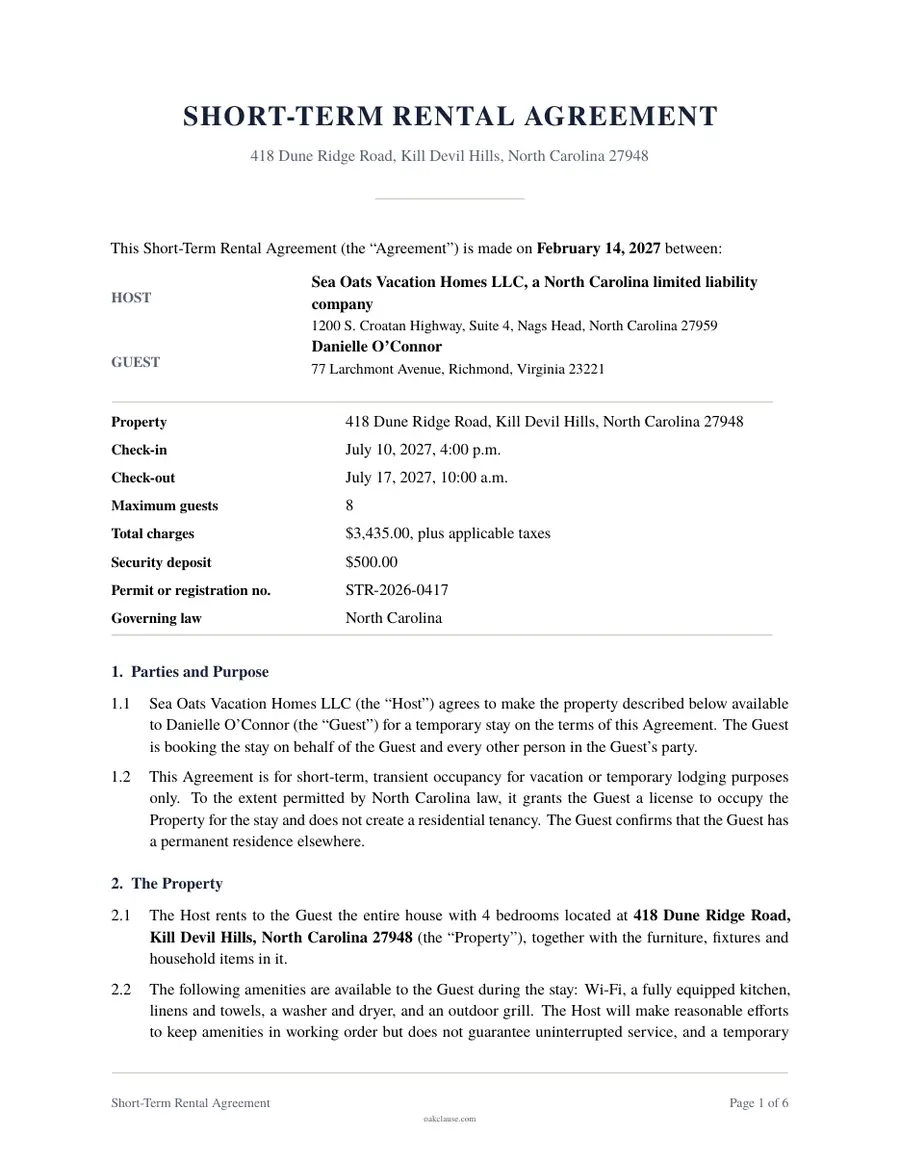
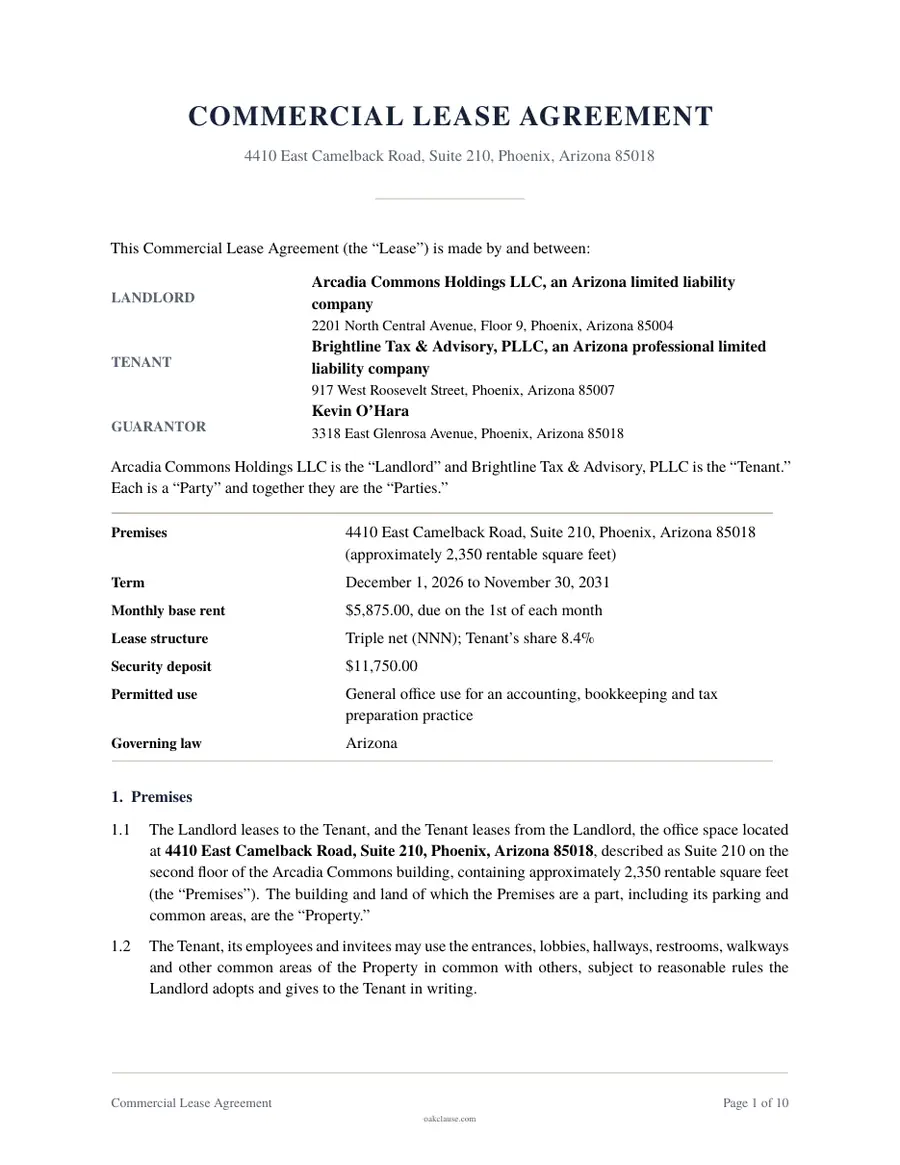
A written lease is the backbone of every rental. It records the rent, the deposit, who may live in the unit, who handles which repairs, and what happens if either side wants to end the arrangement early. Oral agreements can be enforceable for short terms in many states, but they leave far more room for disagreement about what was actually promised.
Because landlord-tenant law is set mostly by states and sometimes by cities, a lease should reflect local rules on security deposits, required disclosures, notice periods and entry rights. Our lease questionnaire asks for the property's state and adjusts the wording to match.
Screen applicants consistently
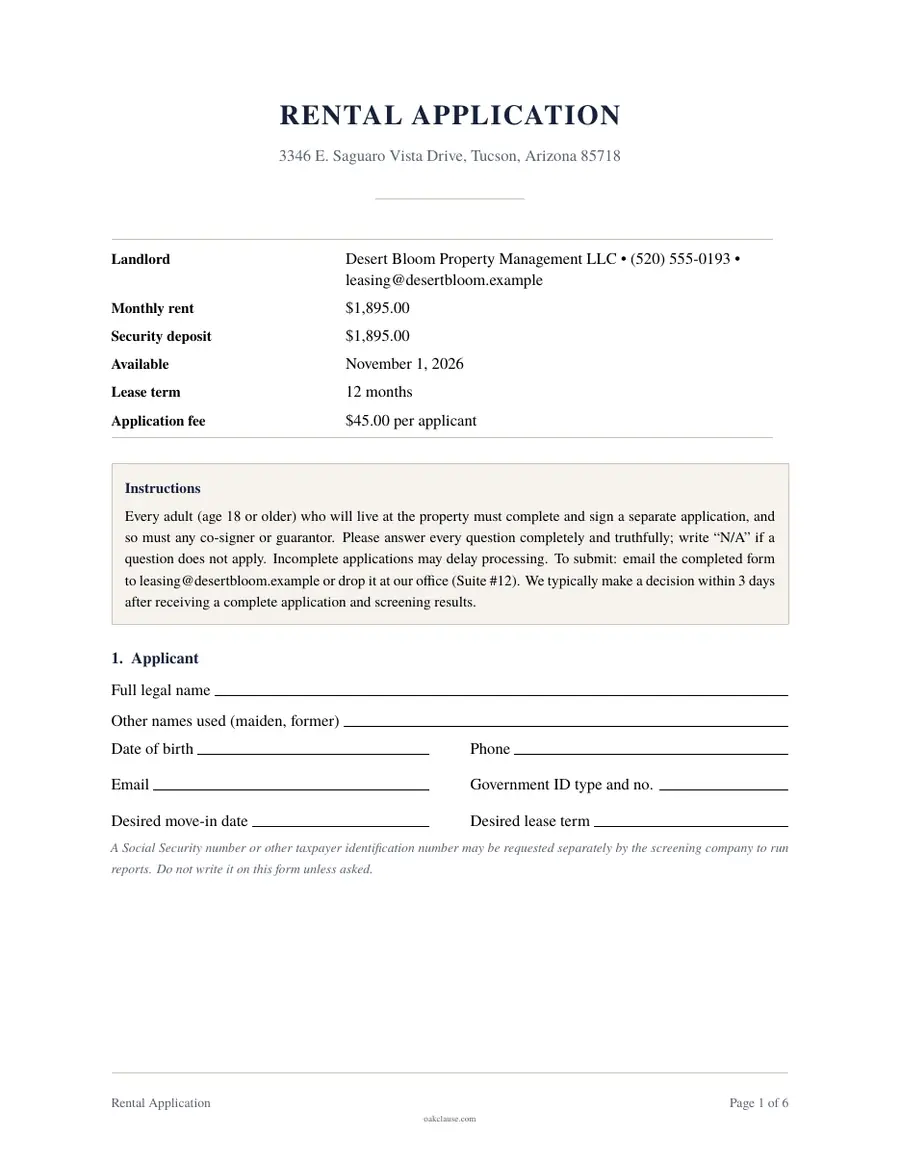
A rental application gives you the information you need to compare applicants on the same basis: rental history, income, employment and references. Apply the same criteria to everyone. Federal fair housing law prohibits discrimination based on race, color, national origin, religion, sex, familial status and disability, and many states and cities protect additional characteristics such as source of income.
Put every notice in writing
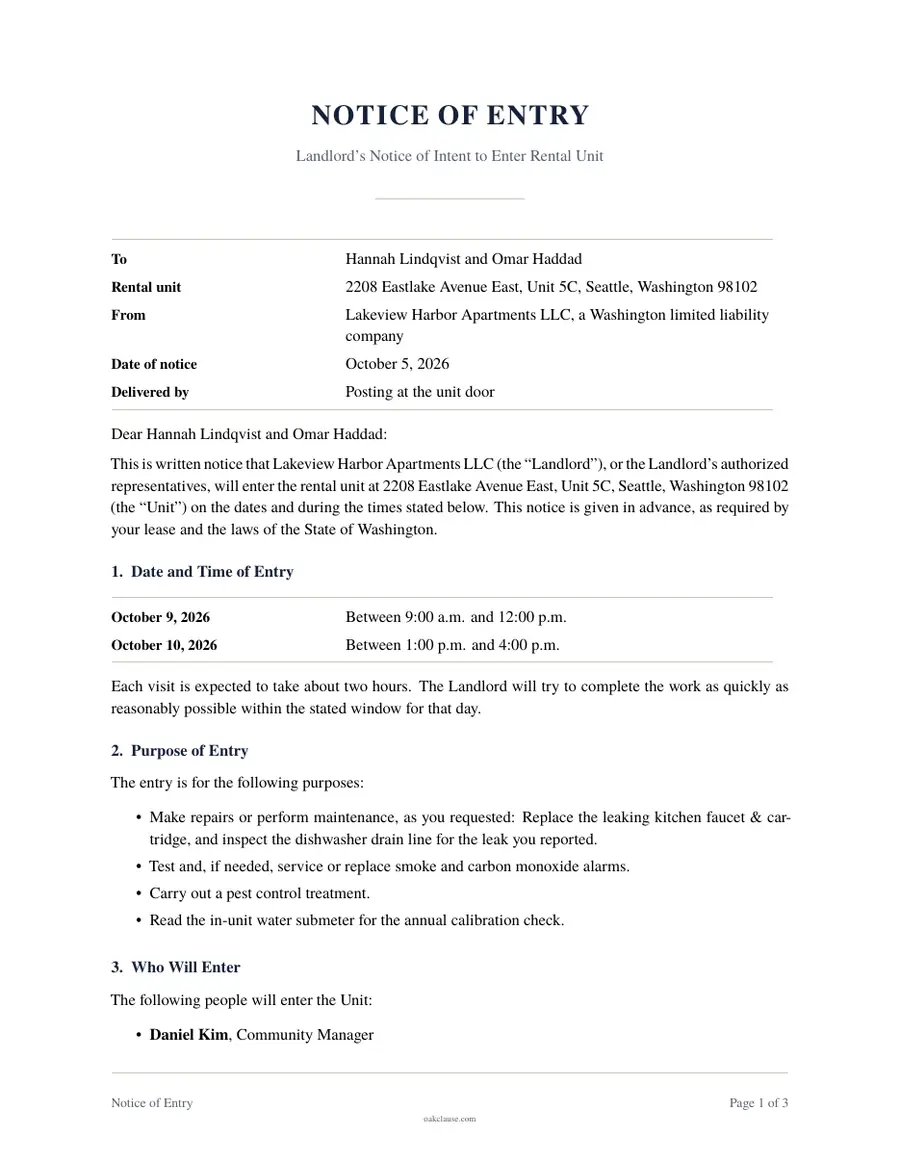
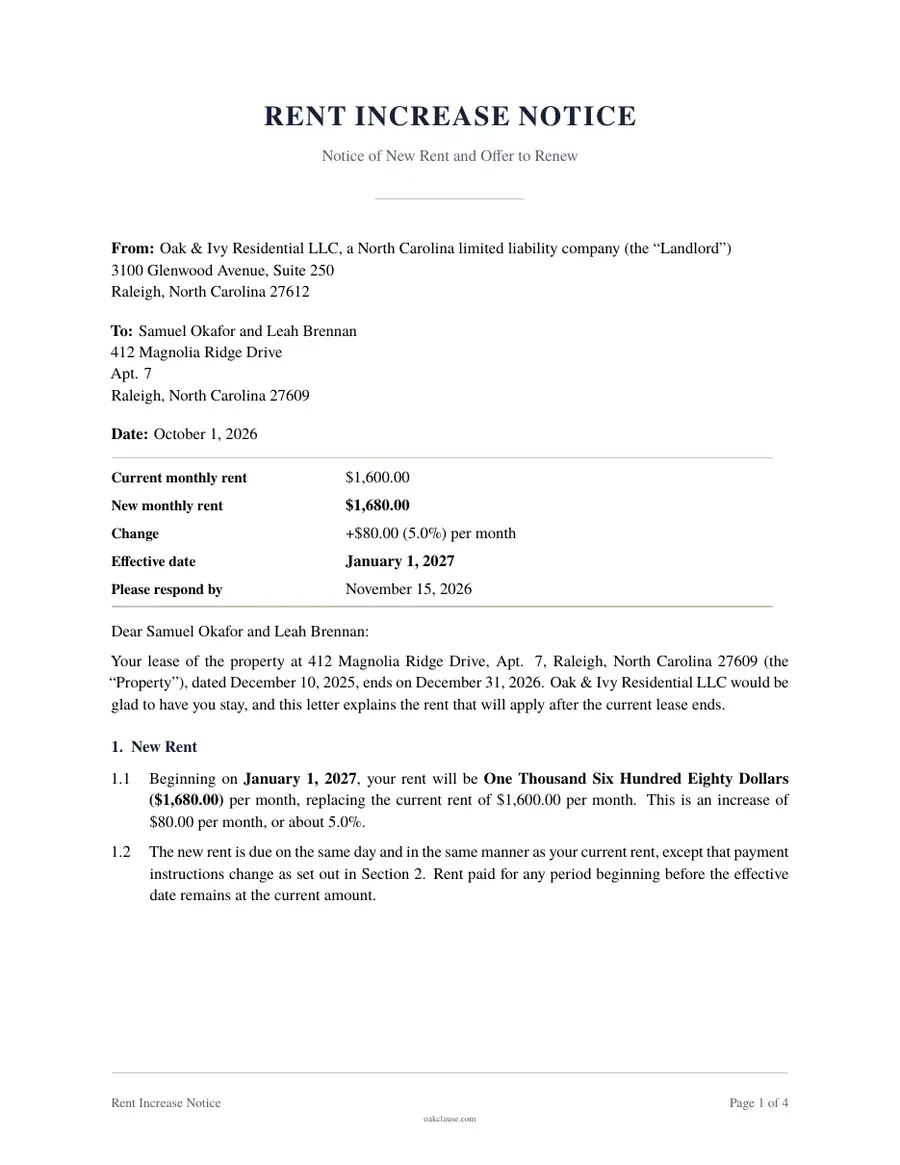
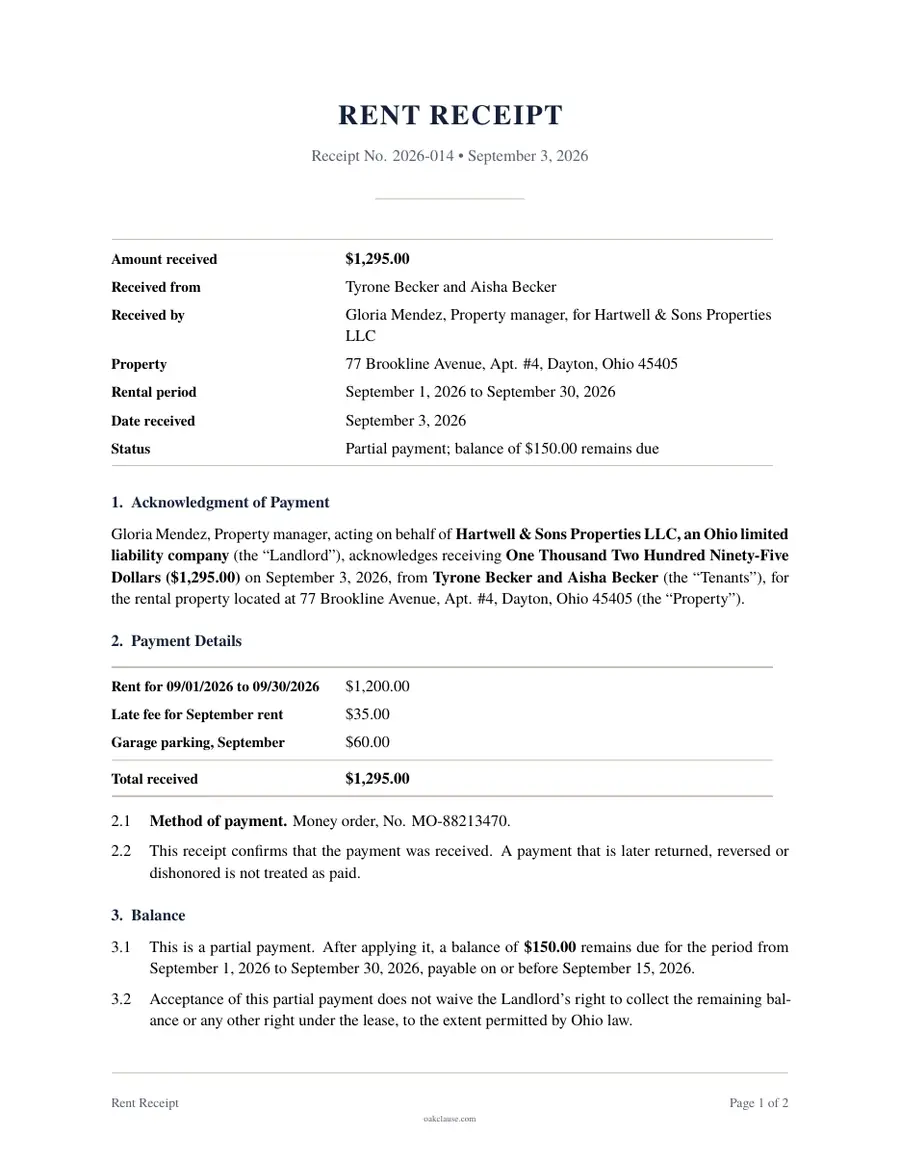
During the tenancy you may need to raise the rent, enter the unit for repairs or address a missed payment. Written notices create a record of what you said and when you said it, which matters if a dispute ever reaches court. Most states set a minimum amount of notice for rent increases and non-emergency entry, so check the timing before you deliver anything.
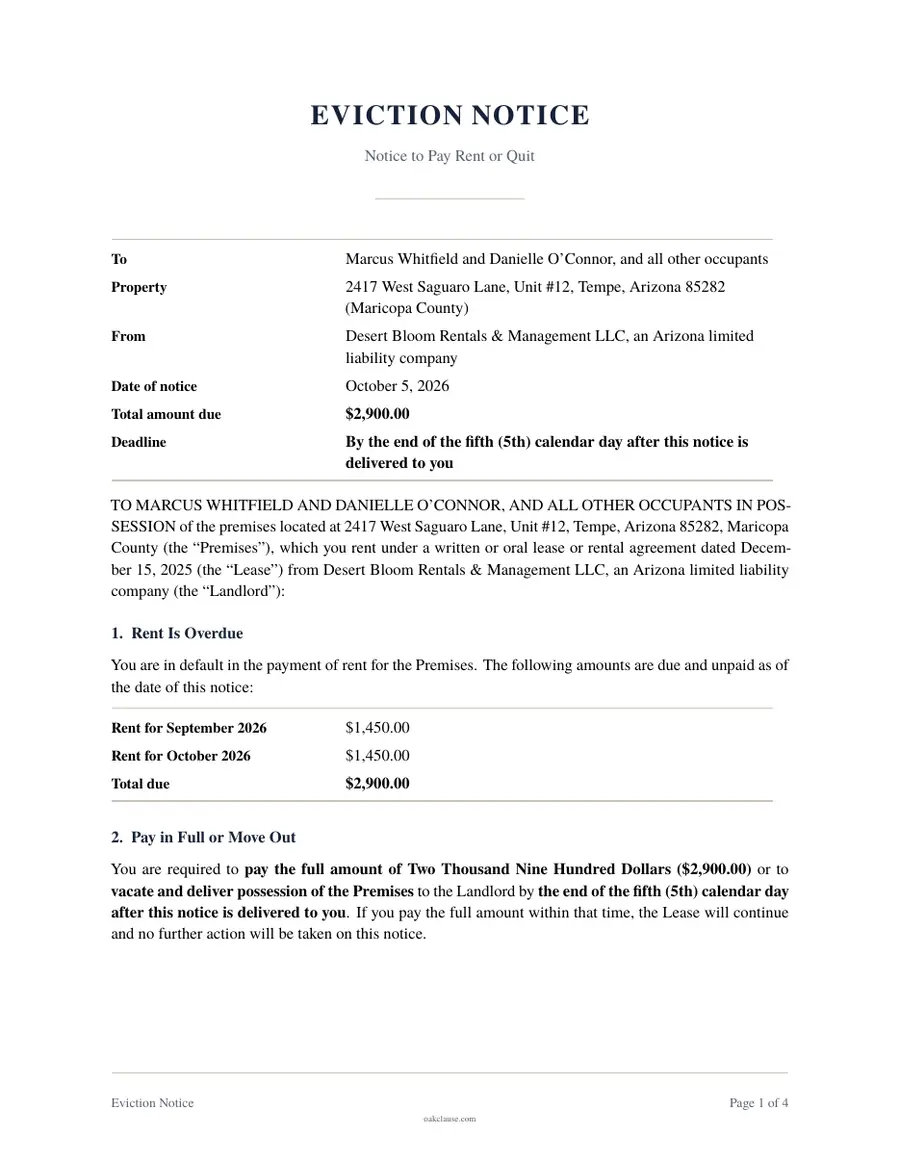
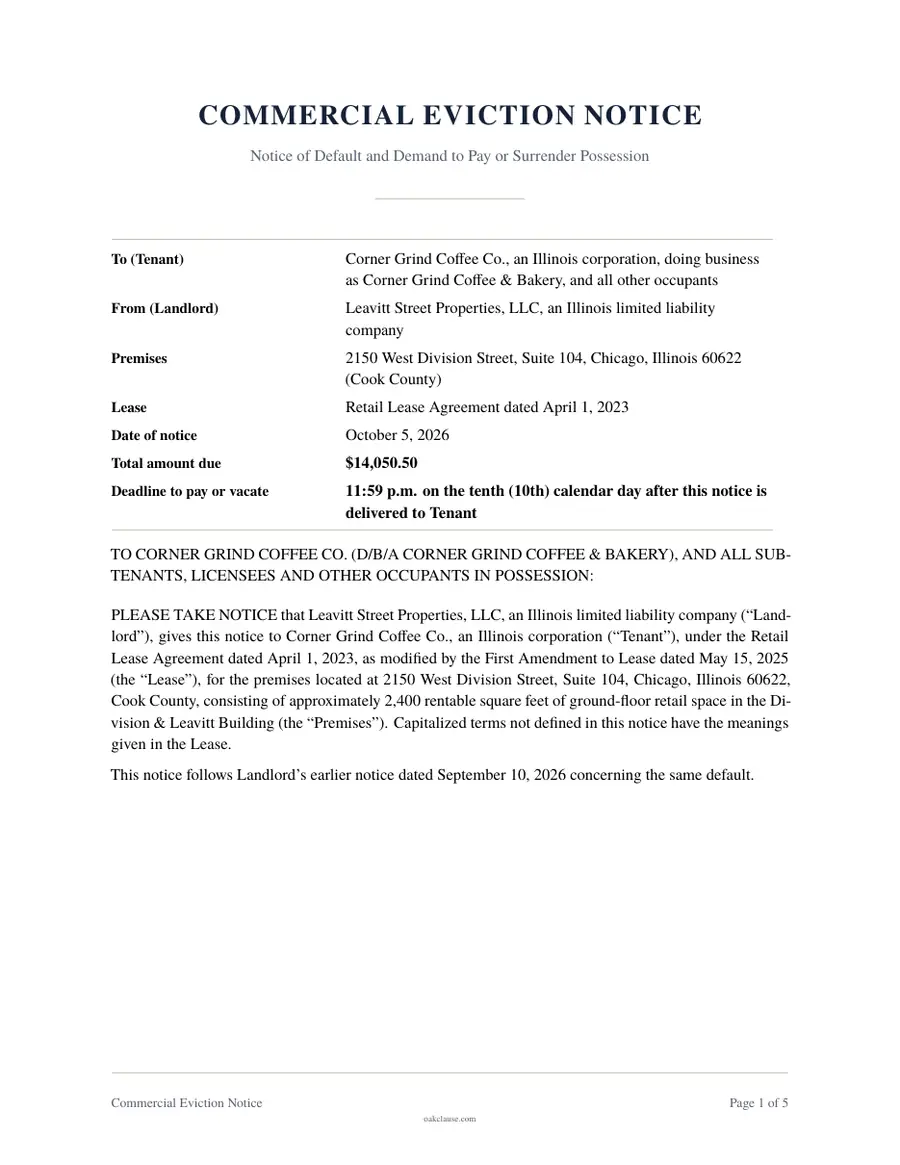
If a tenant falls behind or breaks a lease rule, an eviction notice is usually the required first step before any court filing. Landlords should never change the locks, remove belongings or shut off utilities to force a tenant out; self-help evictions are prohibited across the country.
Close out the tenancy cleanly
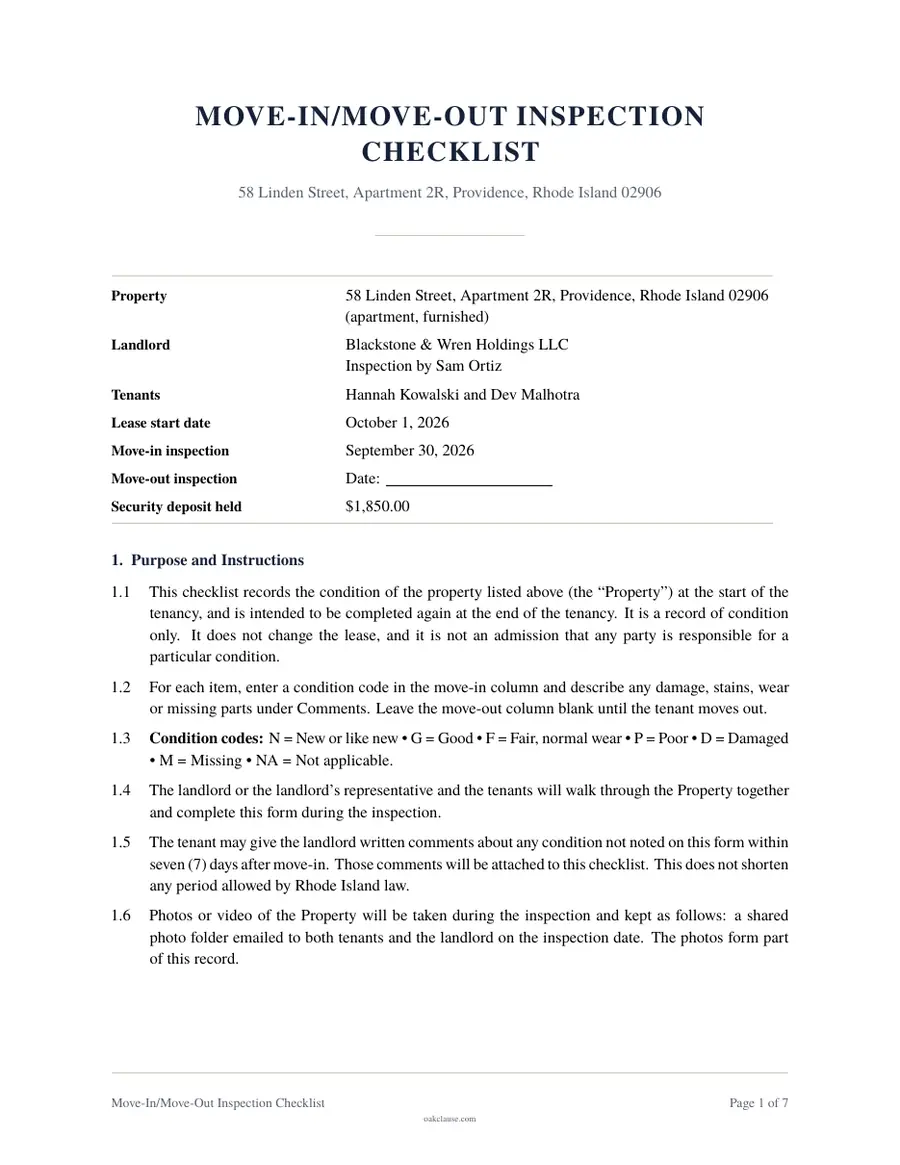
A move-in and move-out inspection checklist, completed with the tenant, is the best evidence of the unit's condition. States set deadlines for returning a deposit and often require an itemized list of deductions, so document damage with dates and photos as soon as the tenant leaves.