What to know
Choosing a structure
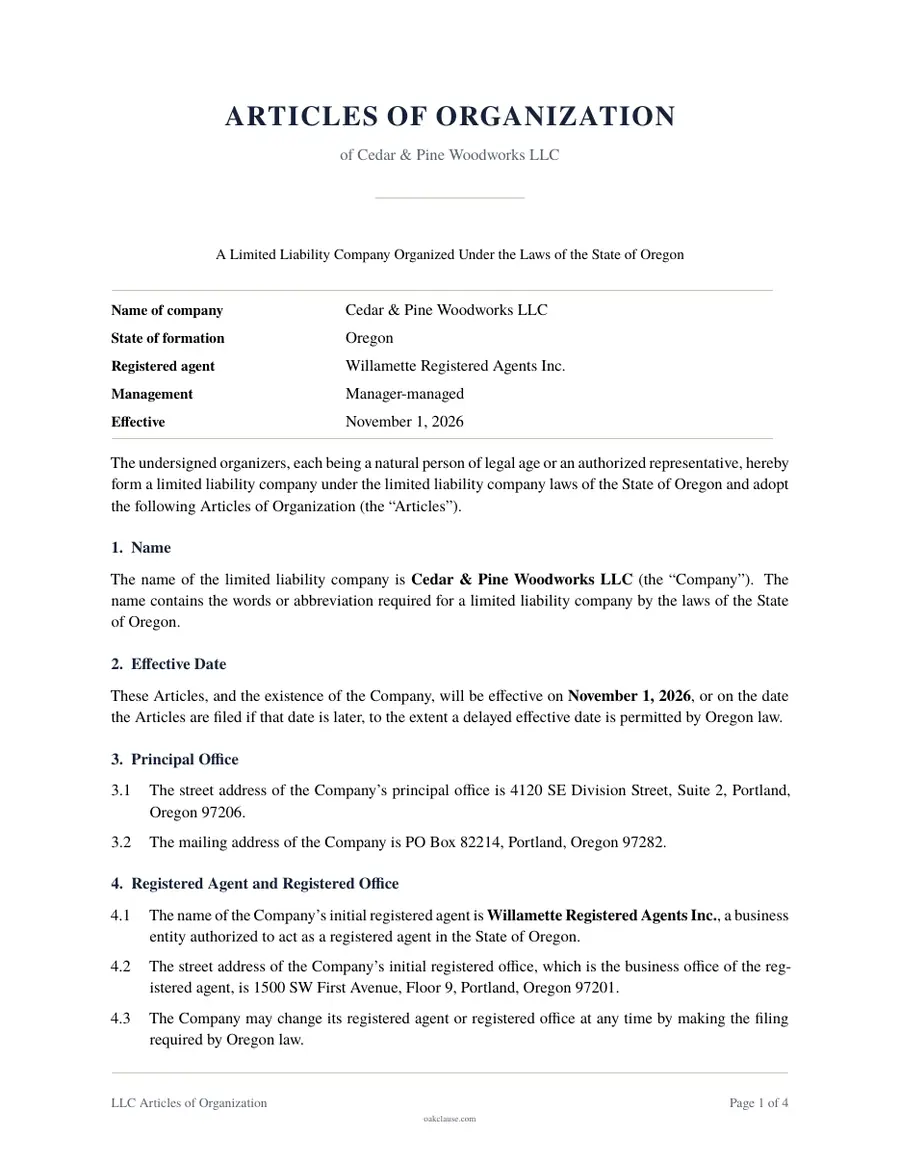
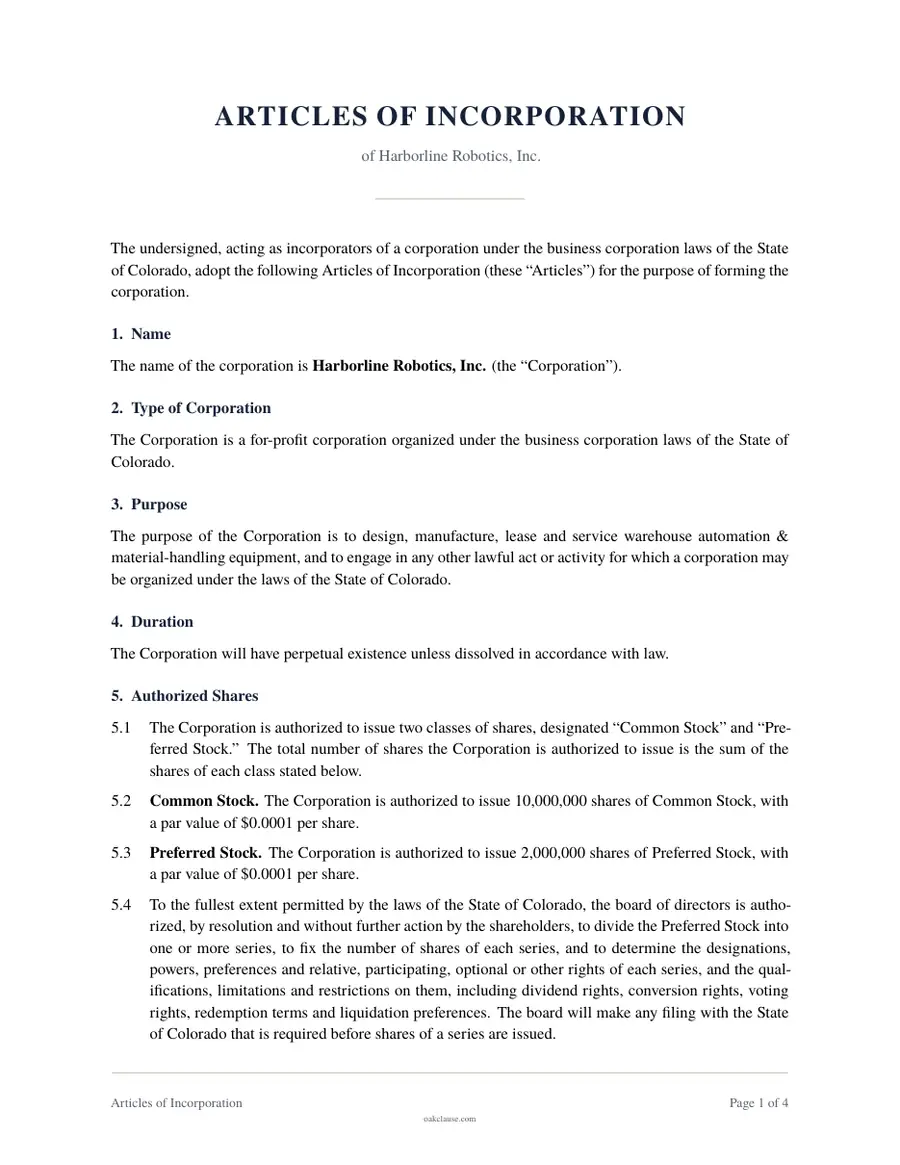
Most small businesses start as a sole proprietorship, a partnership, a limited liability company or a corporation. Sole proprietorships and general partnerships require little paperwork but give owners no protection from business debts. LLCs and corporations are separate legal entities created by filing with the state, and they generally shield owners' personal assets from business liabilities when they are run properly.
Agreements between owners
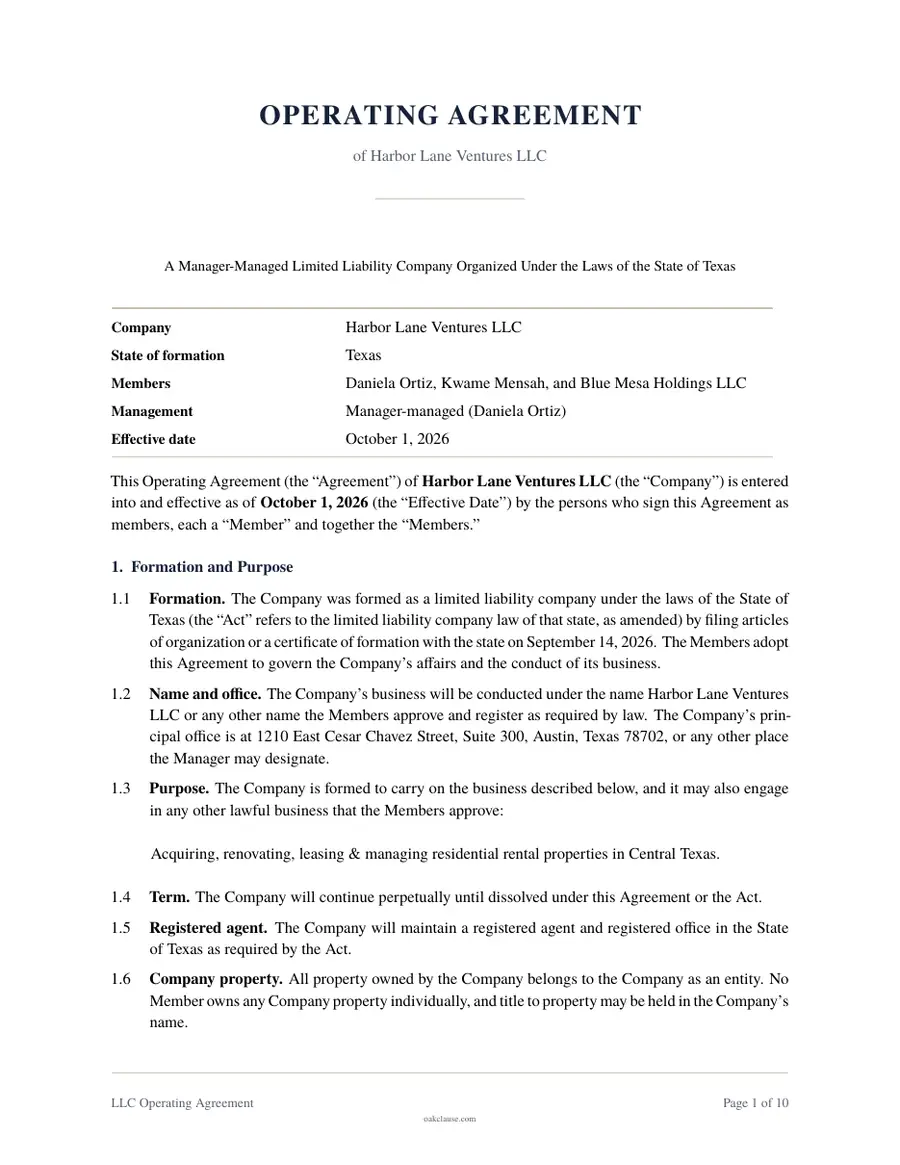
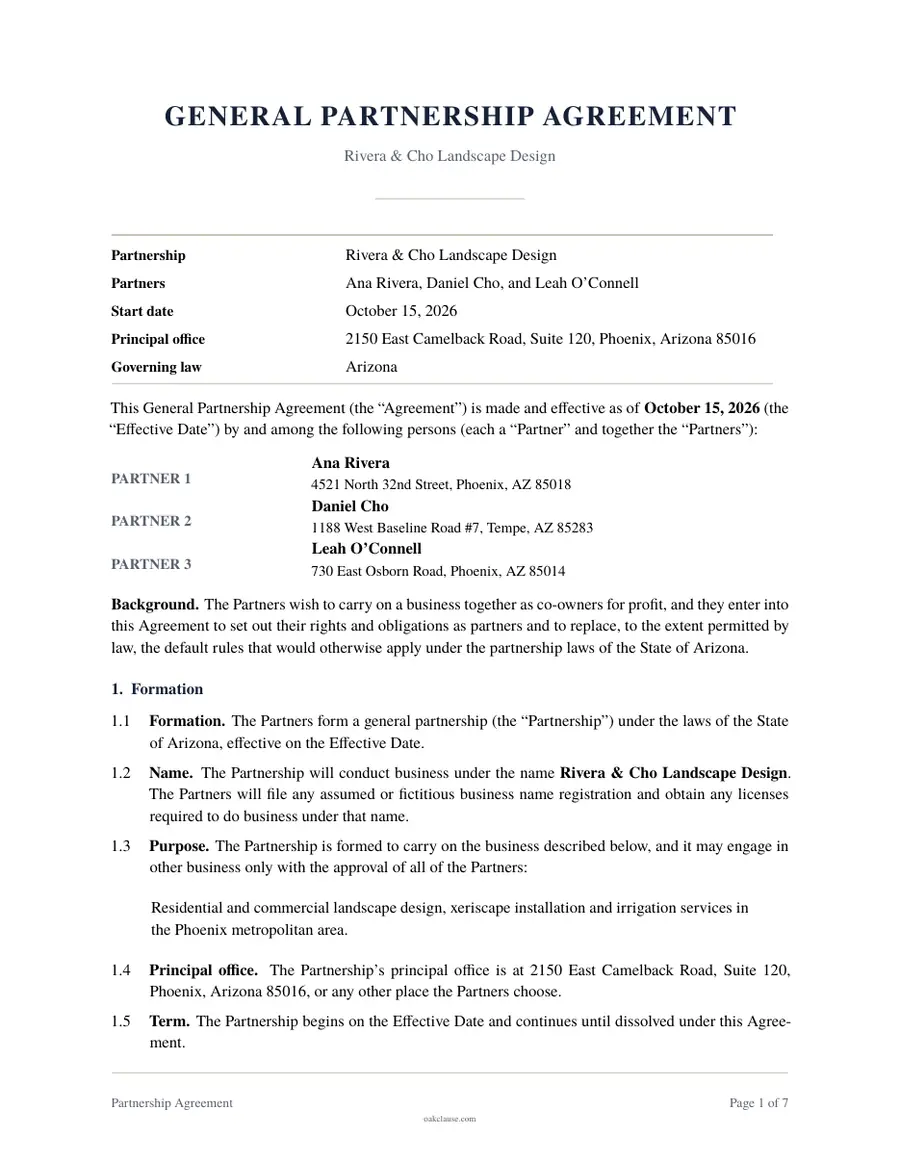
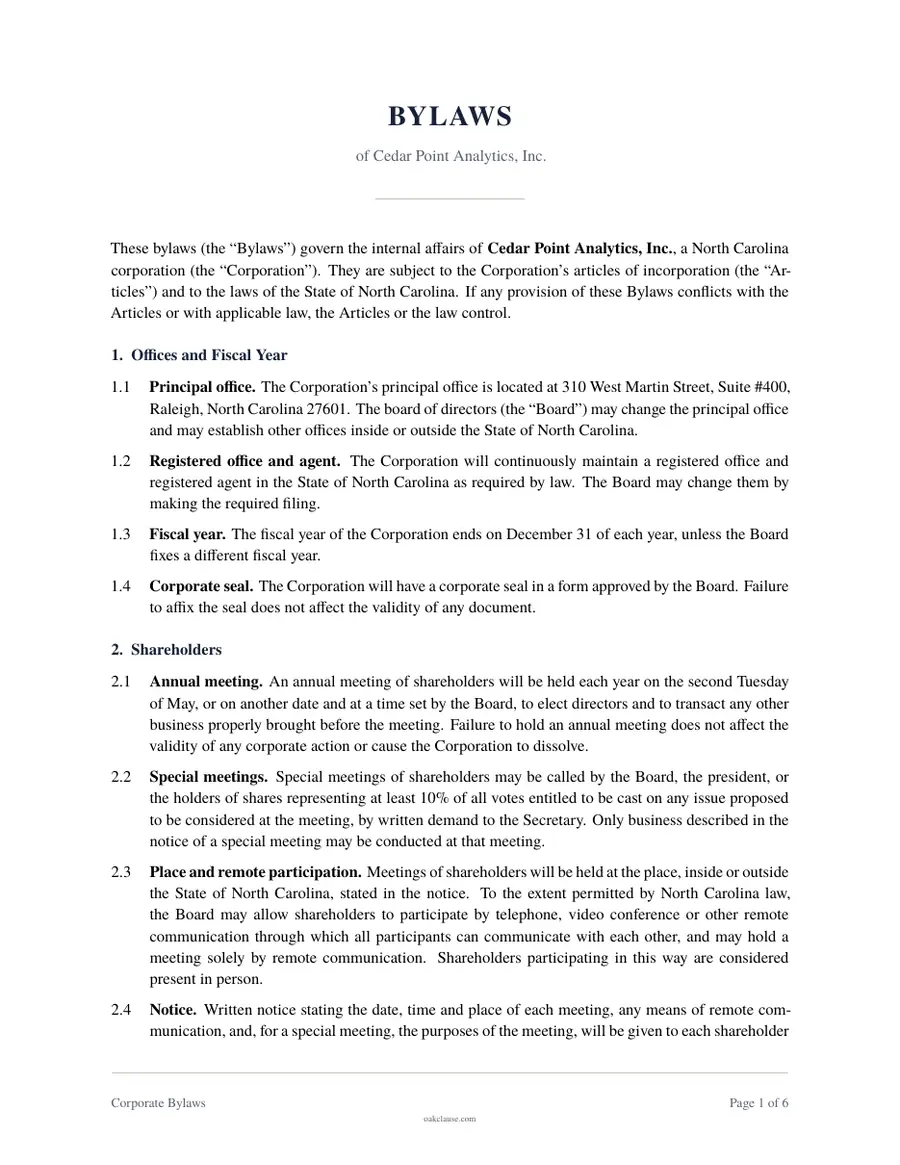
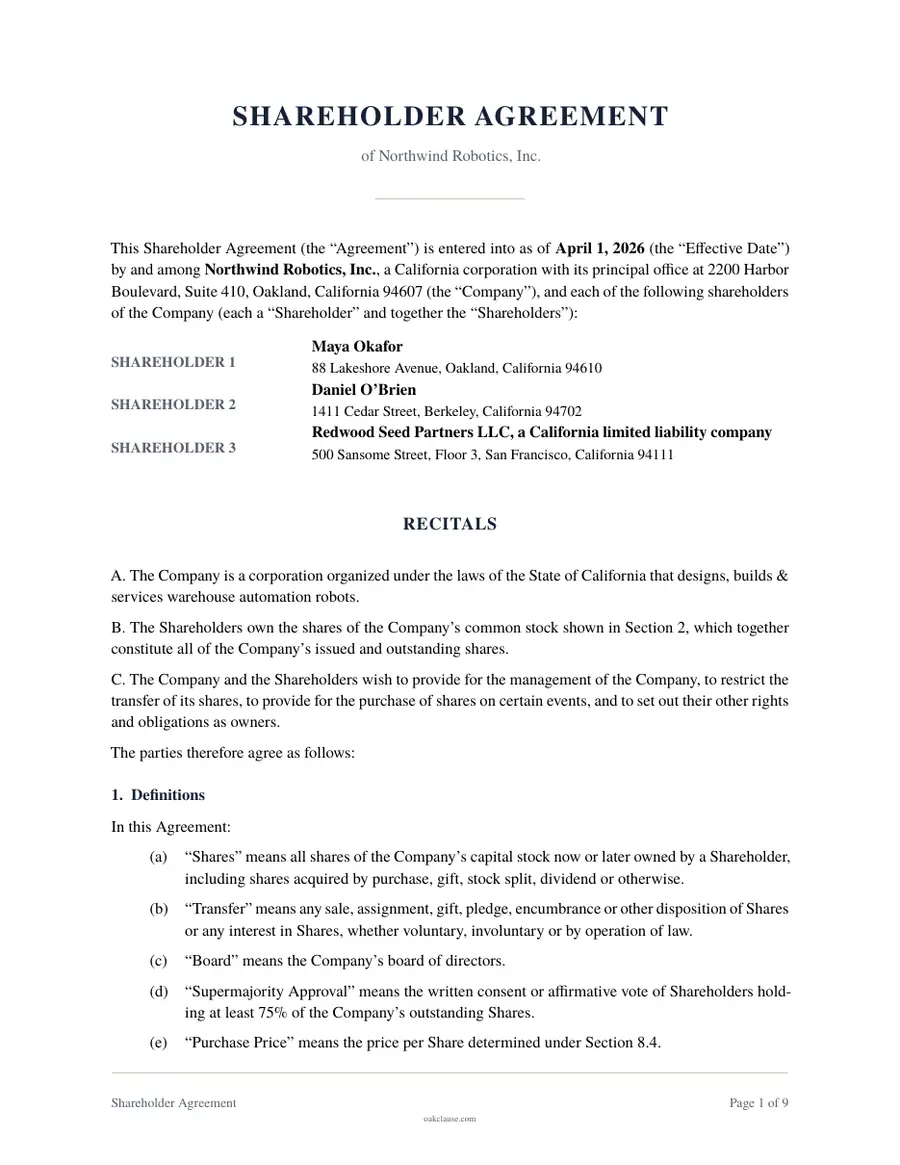
Every business with more than one owner should have a written agreement among them. For an LLC that is an operating agreement; for a partnership, a partnership agreement; for a corporation, bylaws plus a shareholder agreement. These documents cover contributions, ownership percentages, voting, profit distributions and what happens when an owner wants to leave, becomes disabled or dies.
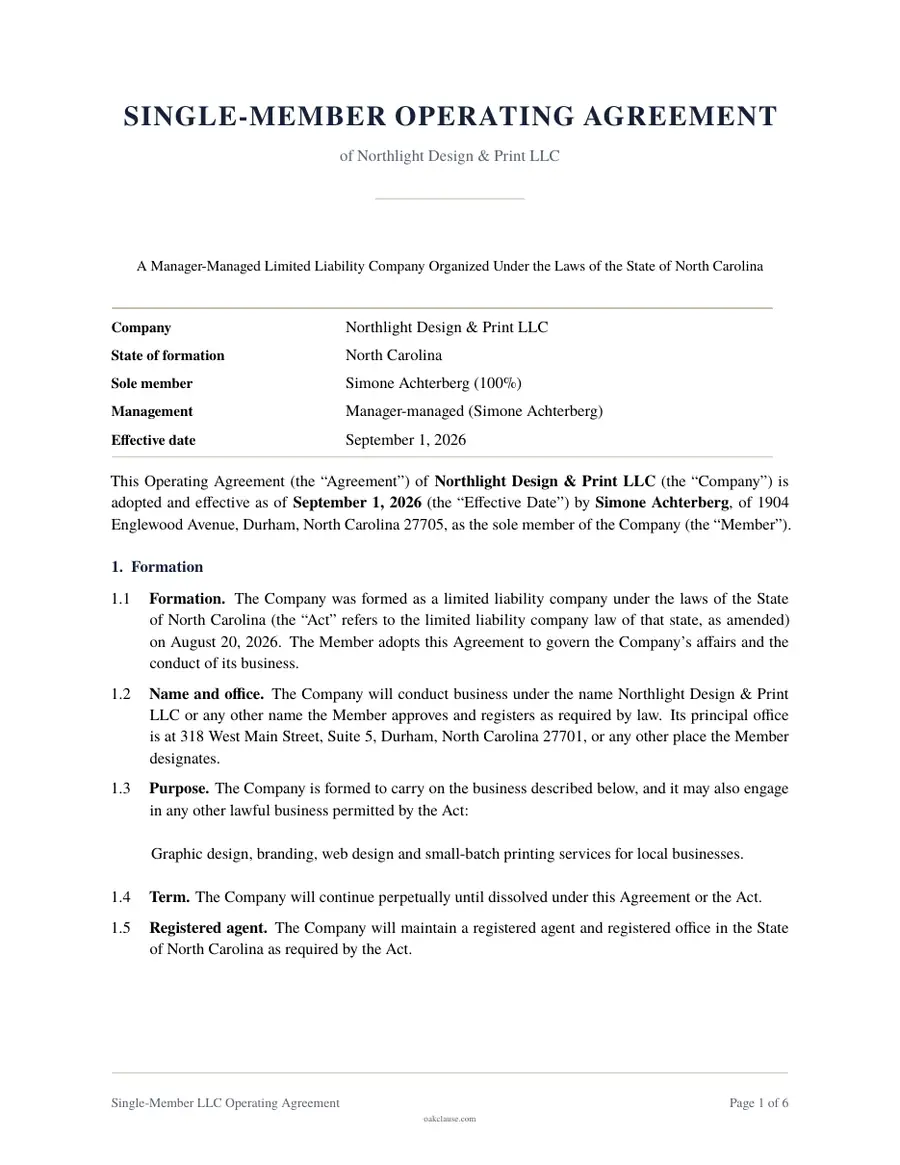
Even single-member LLCs benefit from an operating agreement. It shows that the business is separate from its owner, which supports liability protection, and banks often ask for one.
Keeping corporate records
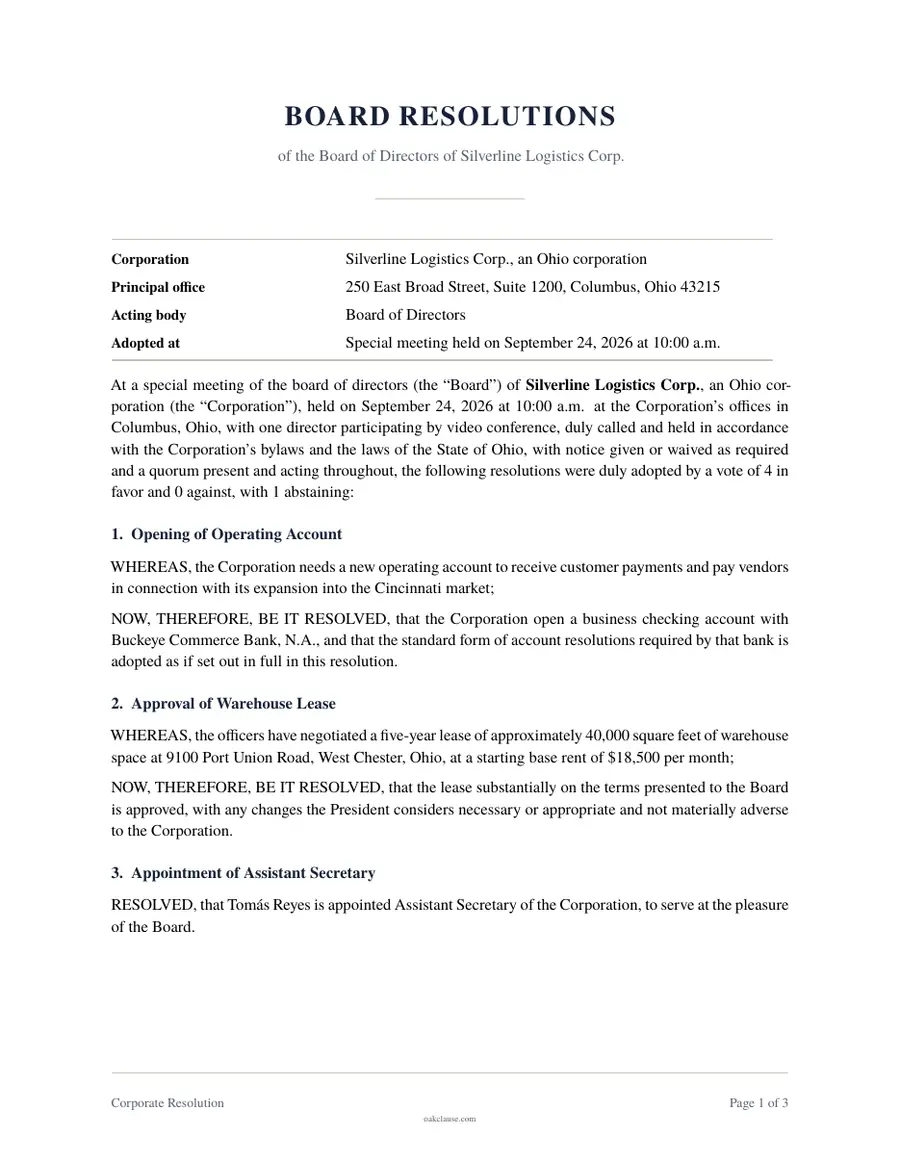
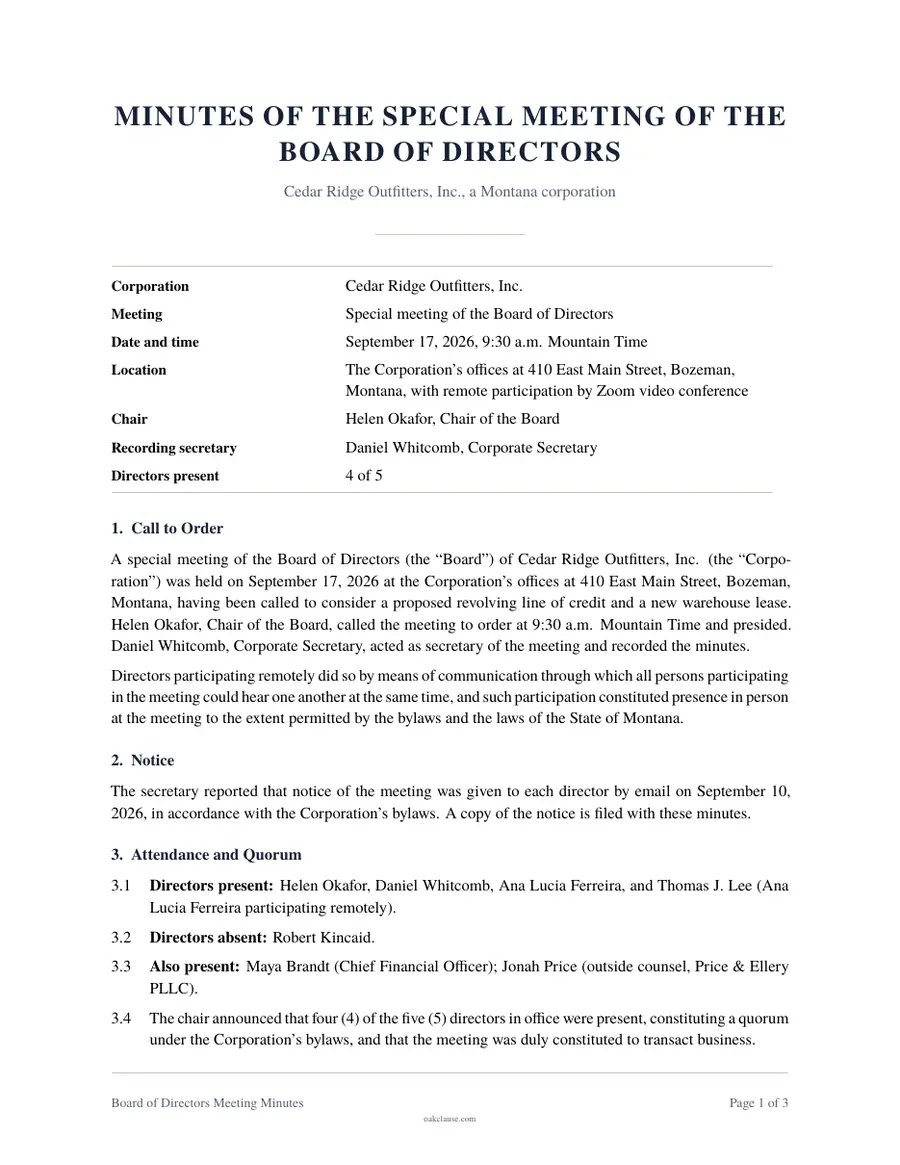
Corporations are expected to hold meetings, record minutes and document major decisions with resolutions. LLCs have fewer formalities, but recording important decisions is still good practice. Consistent records help preserve liability protection and make due diligence easier if you ever sell the business or raise money.
State filings and compliance
Every state requires entities to keep a registered agent who can receive legal papers, and most require an annual or biennial report. Missing filings can lead to penalties or administrative dissolution, so put deadlines on your calendar.
Planning for growth
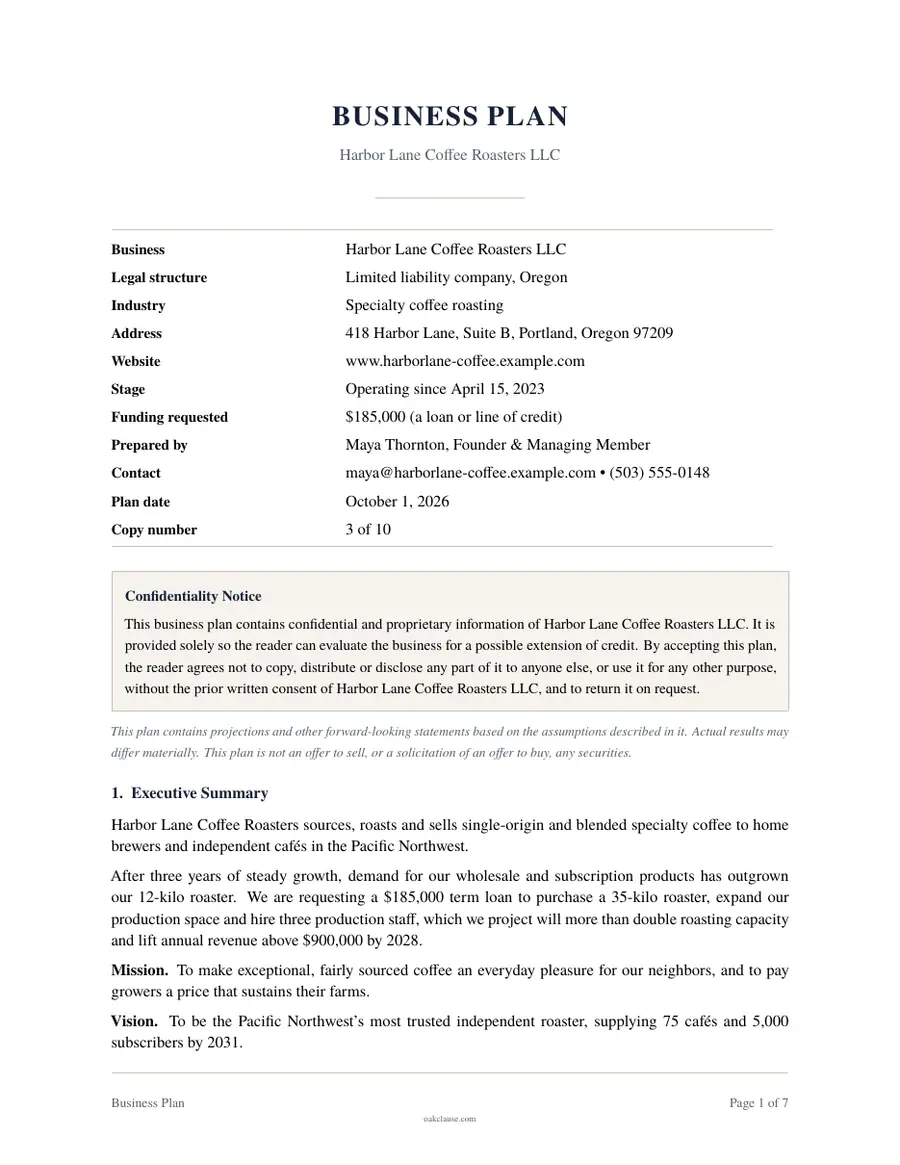
A business plan clarifies your strategy for yourself and for lenders or investors. Tools such as a SWOT analysis and a startup cost estimate help you test assumptions before you commit money.
Bringing in new owners
Adding a partner, investor or new member changes the ownership of your business and usually requires amendments to your operating agreement, partnership agreement or shareholder records. Plan the terms in writing before money changes hands, including valuation, voting rights and what happens if the new owner later wants to leave.