What to know
Guardians for minor children
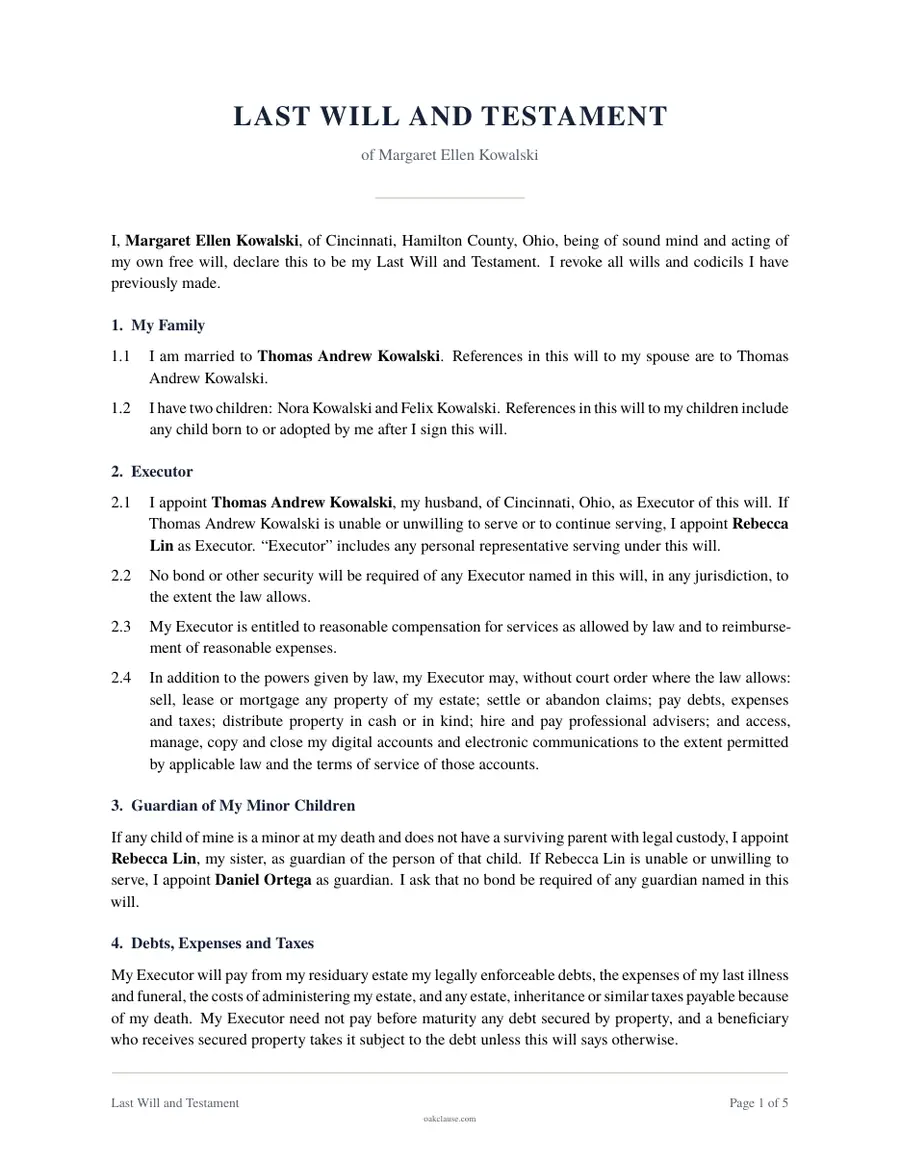
If both parents of a minor child die or become unable to care for the child, a court appoints a guardian. Parents can name their preferred guardian in a will, and courts generally follow that choice unless there is a strong reason not to. Without a named guardian, the court chooses, sometimes after relatives disagree about who should step in.
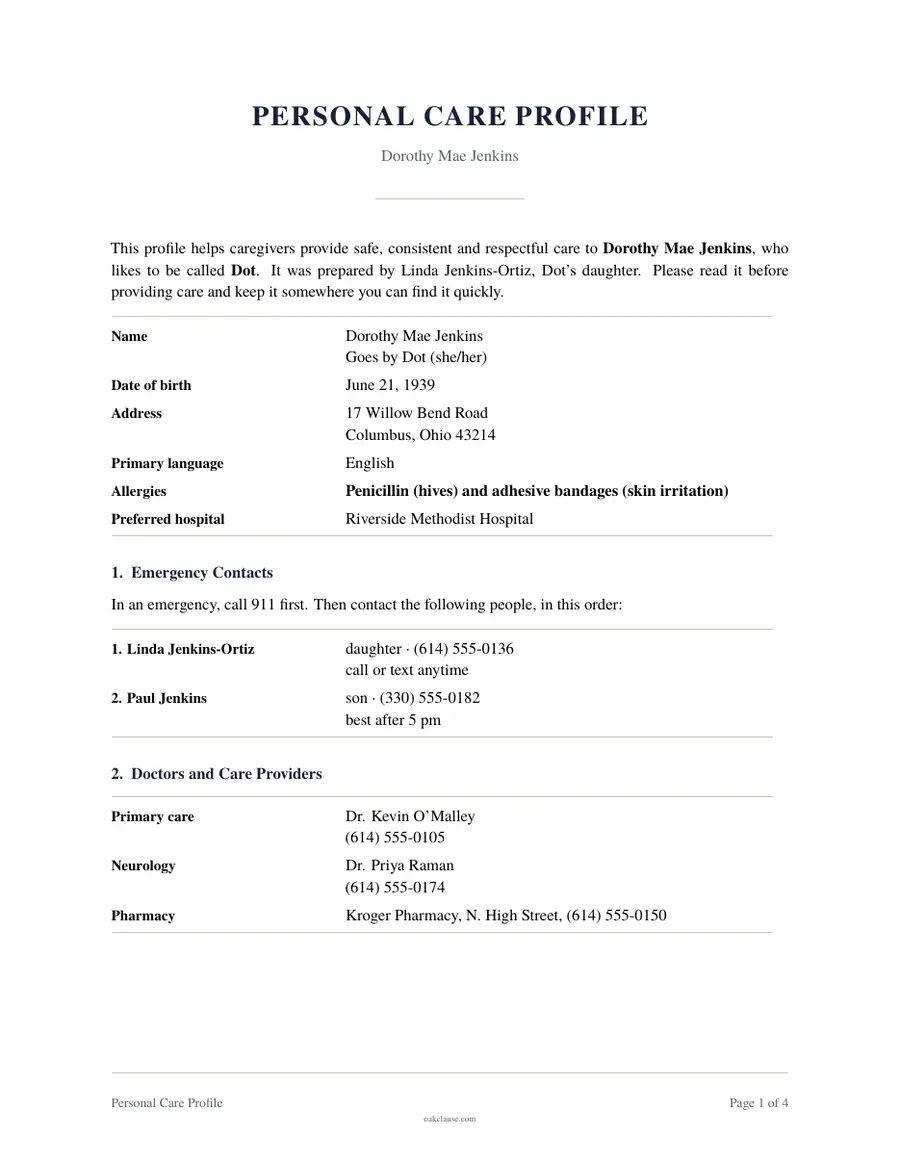
When choosing a guardian, think about the person's values, health, location, relationship with your children and willingness to take on the role. Ask them first, and name an alternate in case your first choice cannot serve.
Guardianship versus managing money
Caring for a child and managing a child's inheritance are different jobs. Many parents name one person as guardian and another, or a trust, to manage money left for the children. Minors generally cannot own significant property outright, so leaving assets in a trust or to a custodian for the child avoids a separate court process.
Temporary authority
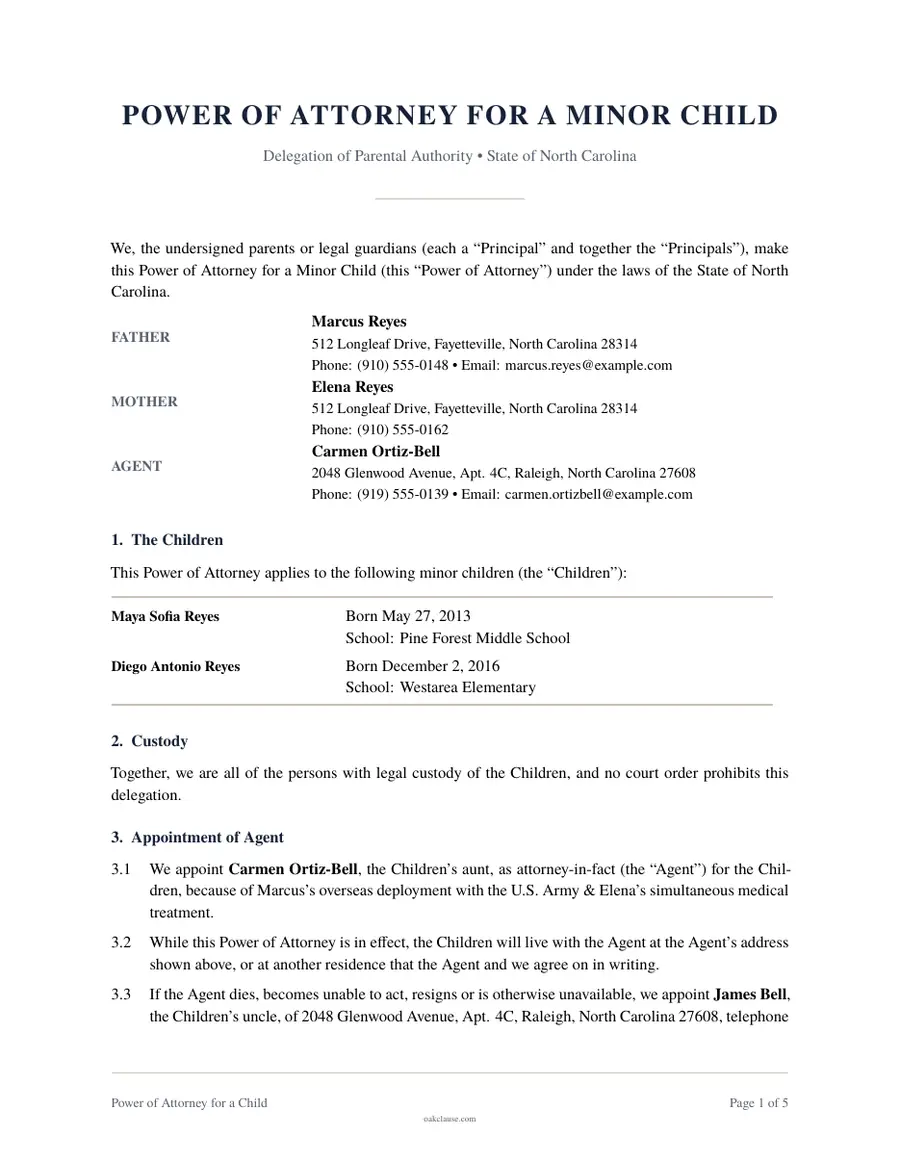
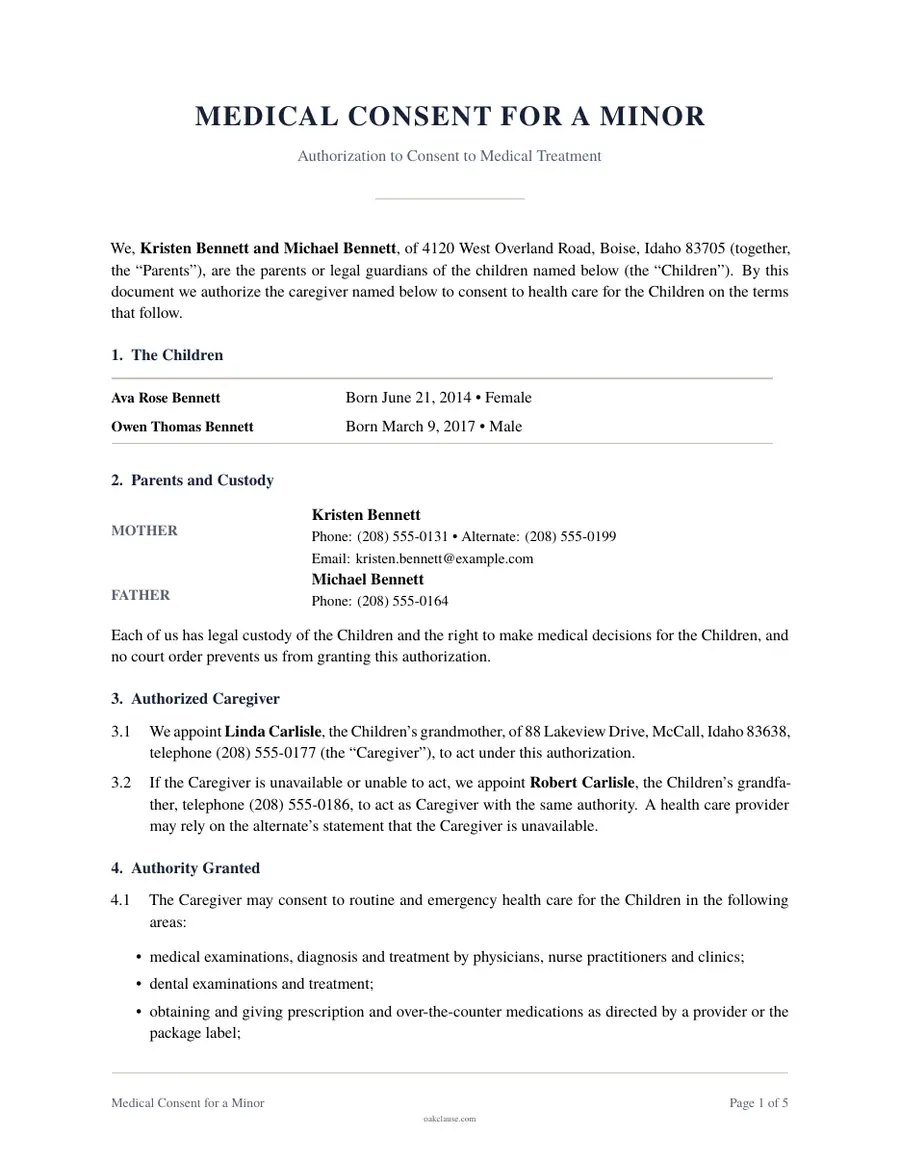
A power of attorney for a child lets parents delegate decision-making for a limited time without going to court. It is useful for deployments, extended travel or medical treatment, but it can usually be revoked by the parent at any time and is often limited in duration by state law.
Planning for your own care
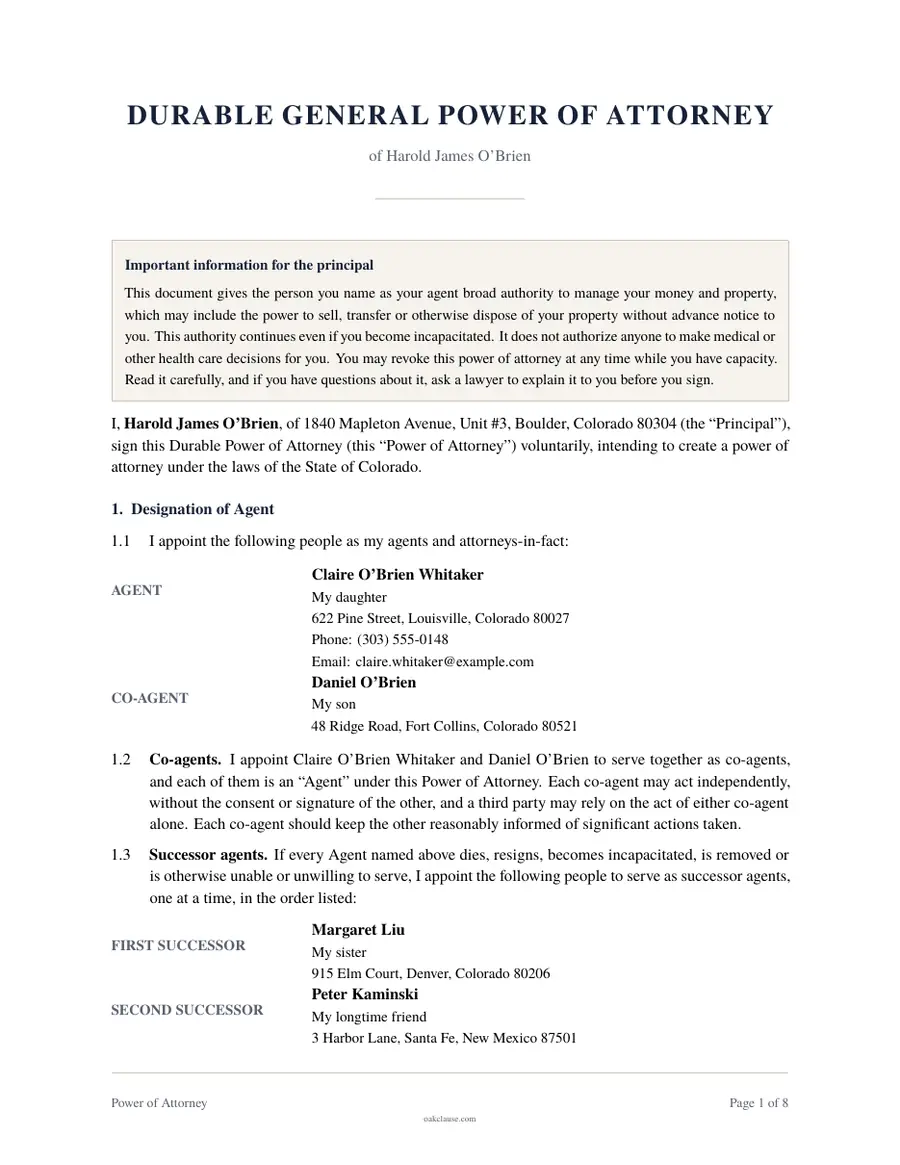
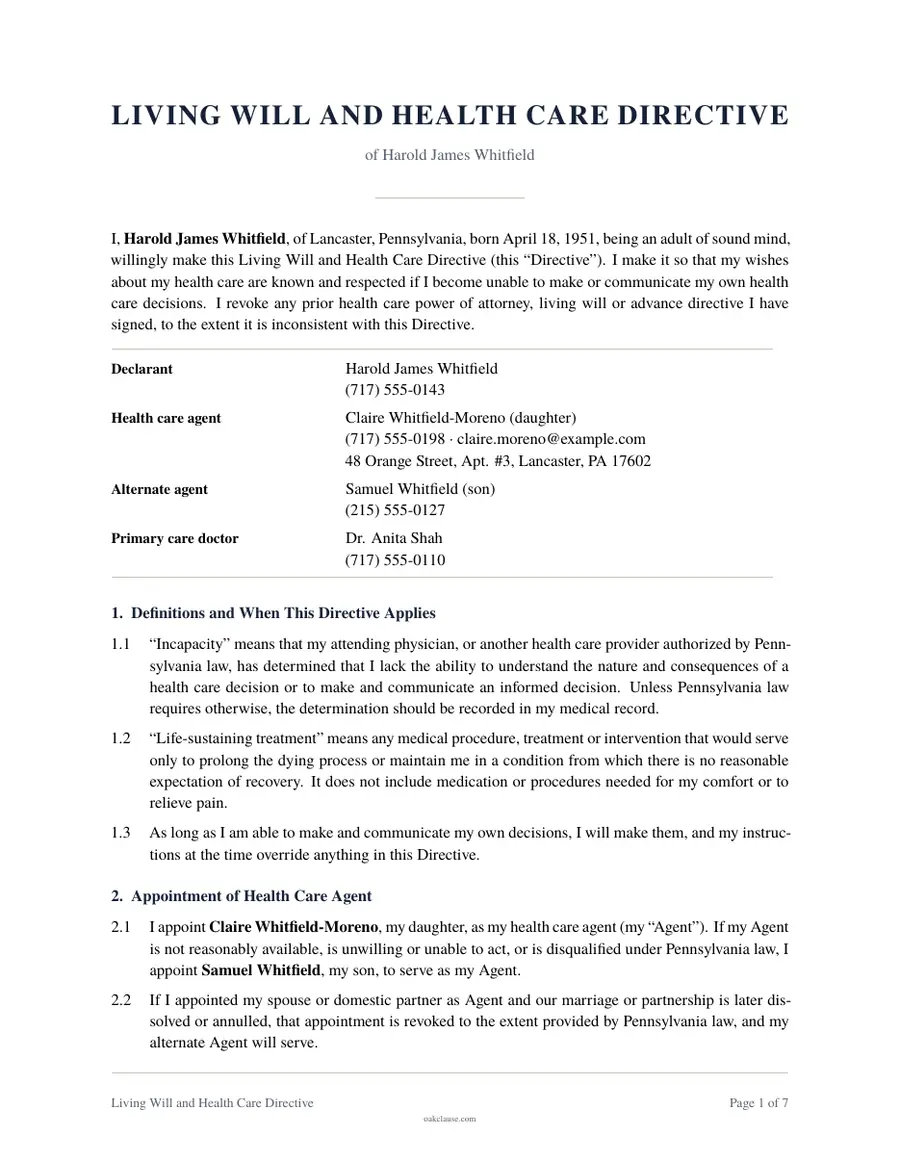
Adults can lose the ability to manage their own affairs through illness or injury. Without planning documents, family members may need to ask a court to appoint a guardian or conservator, which can be slow and public. A durable power of attorney for finances and a health care directive let you choose in advance who will act for you and how, often avoiding a court process altogether.
Talk to the people you name
Before naming anyone as a guardian, agent or caretaker, have an honest conversation about what the role involves and whether they are willing to take it on. Share where your documents are kept, and revisit your choices every few years or after major changes in your family or theirs.