What to know
When your child travels
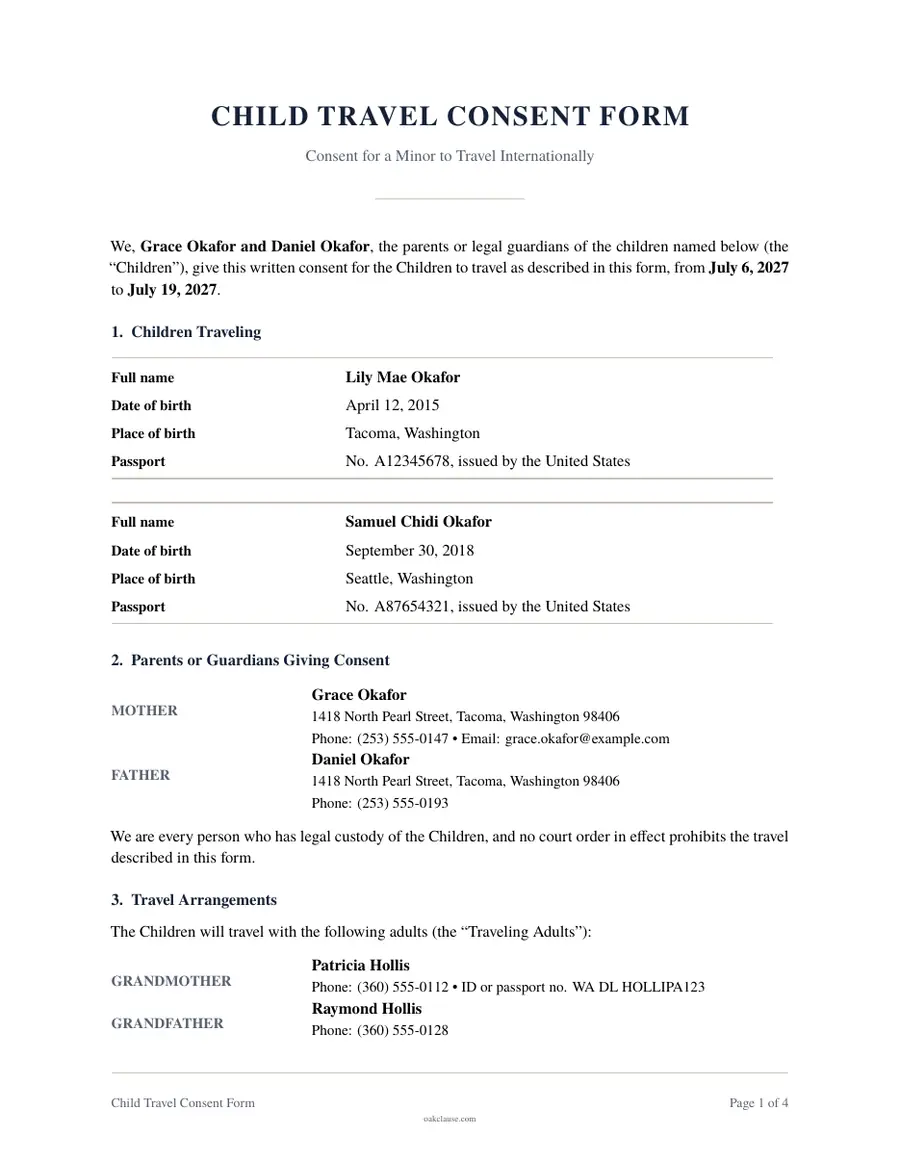
When a child travels with only one parent, with grandparents or with a school group, a signed travel consent letter shows that the parents or guardians approved the trip. It is not always legally required, but airlines, border officials and foreign immigration authorities may ask for one, especially on international trips. Include the dates, destination, the accompanying adult's details and how to reach the parents.
Medical care while you are away
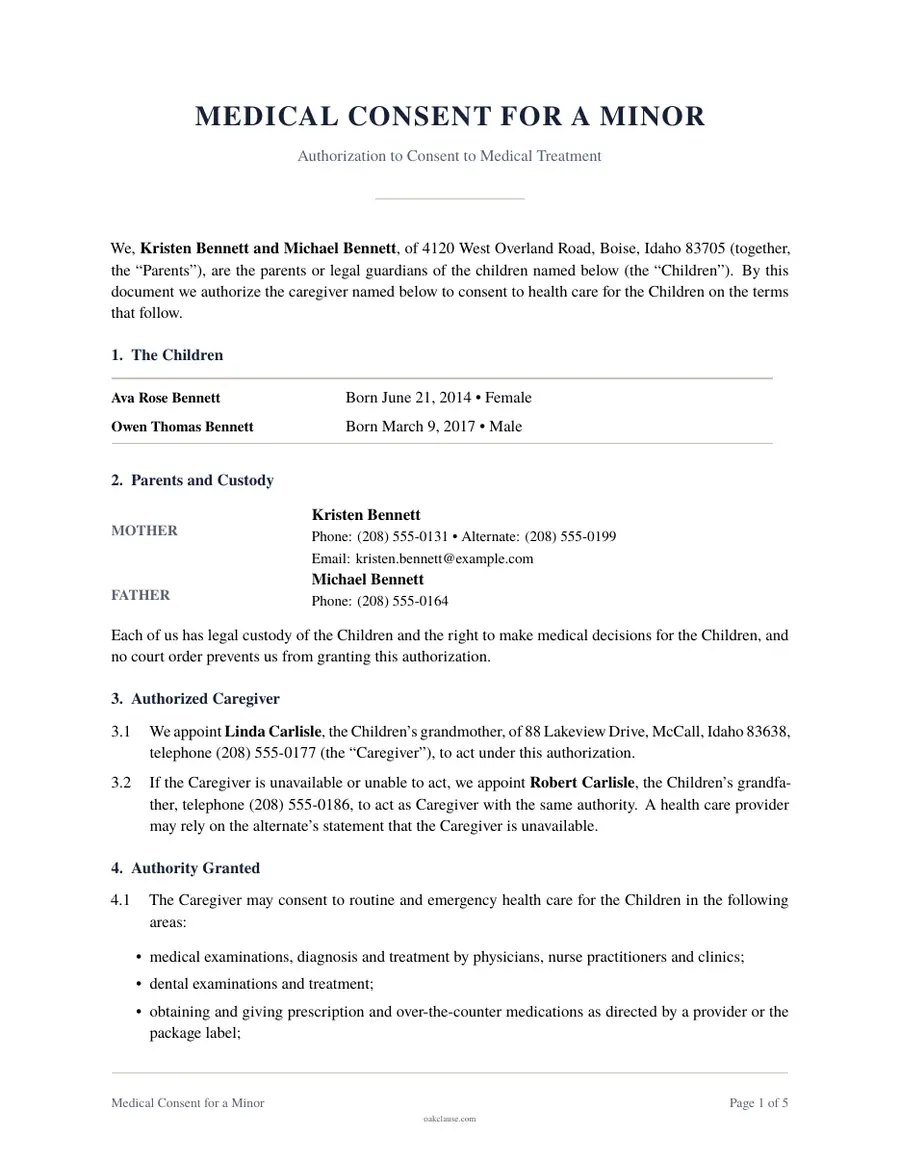
If your child stays with a relative, a sitter or at camp, a medical consent form lets the caregiver authorize routine or emergency treatment when you cannot be reached. List allergies, medications, insurance details and your doctor's contact information.
Longer absences
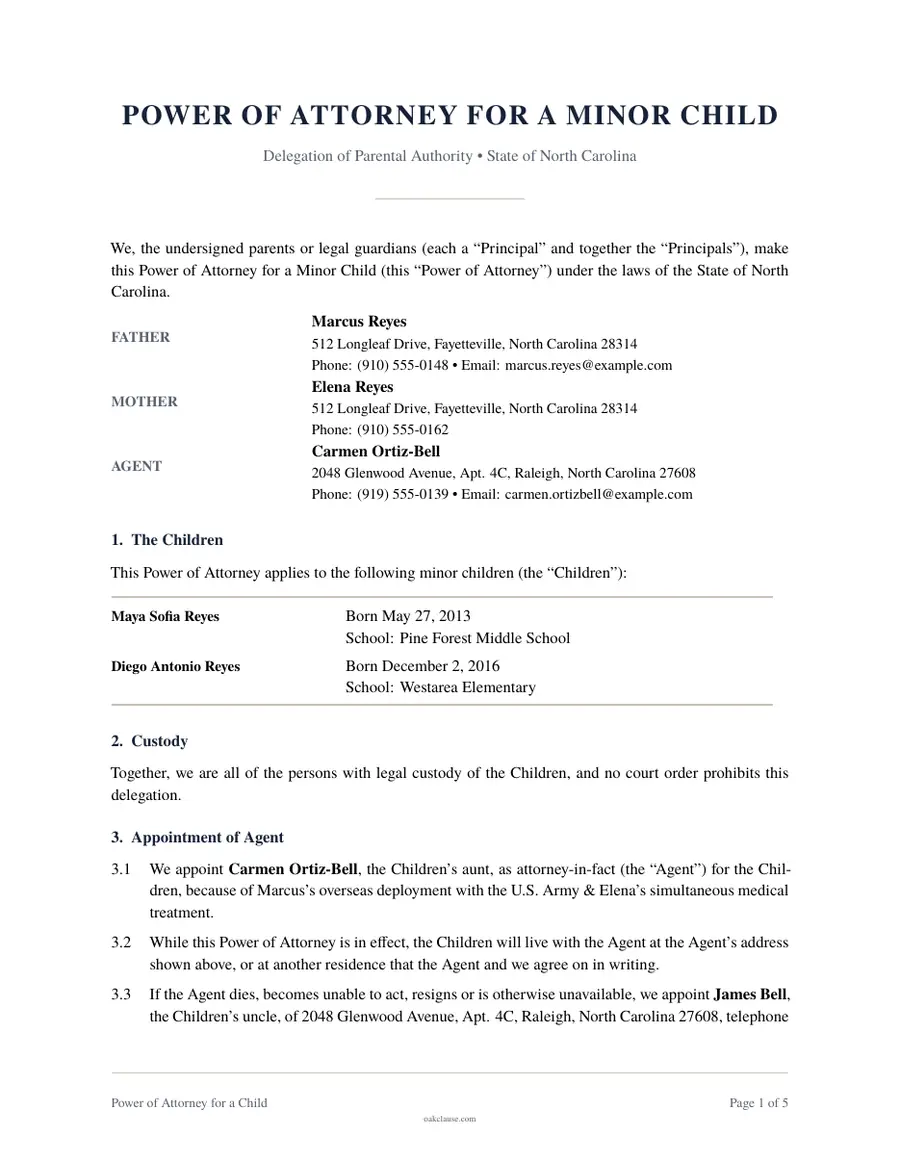
For longer periods, such as military deployment or extended medical treatment, a power of attorney for a child can give a trusted adult broader temporary authority, including school enrollment and medical decisions. Many states limit how long this kind of delegation can last, and it does not terminate the parents' rights. Permanent arrangements usually require a court guardianship.
Child care and parenting schedules
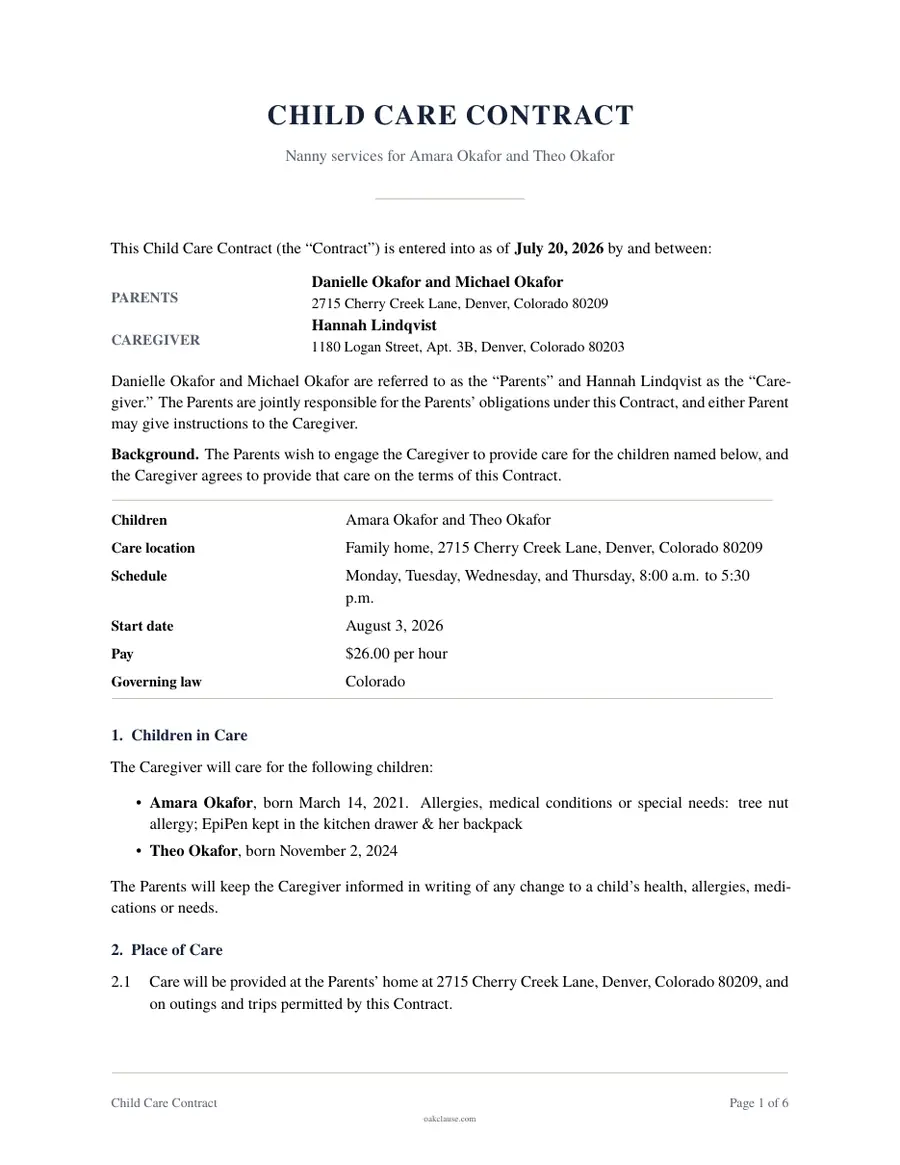
Hiring a nanny or babysitter goes more smoothly with a written contract covering hours, pay, duties and house rules. Household employers may also have tax and wage obligations, so check the IRS guidance for household employees.
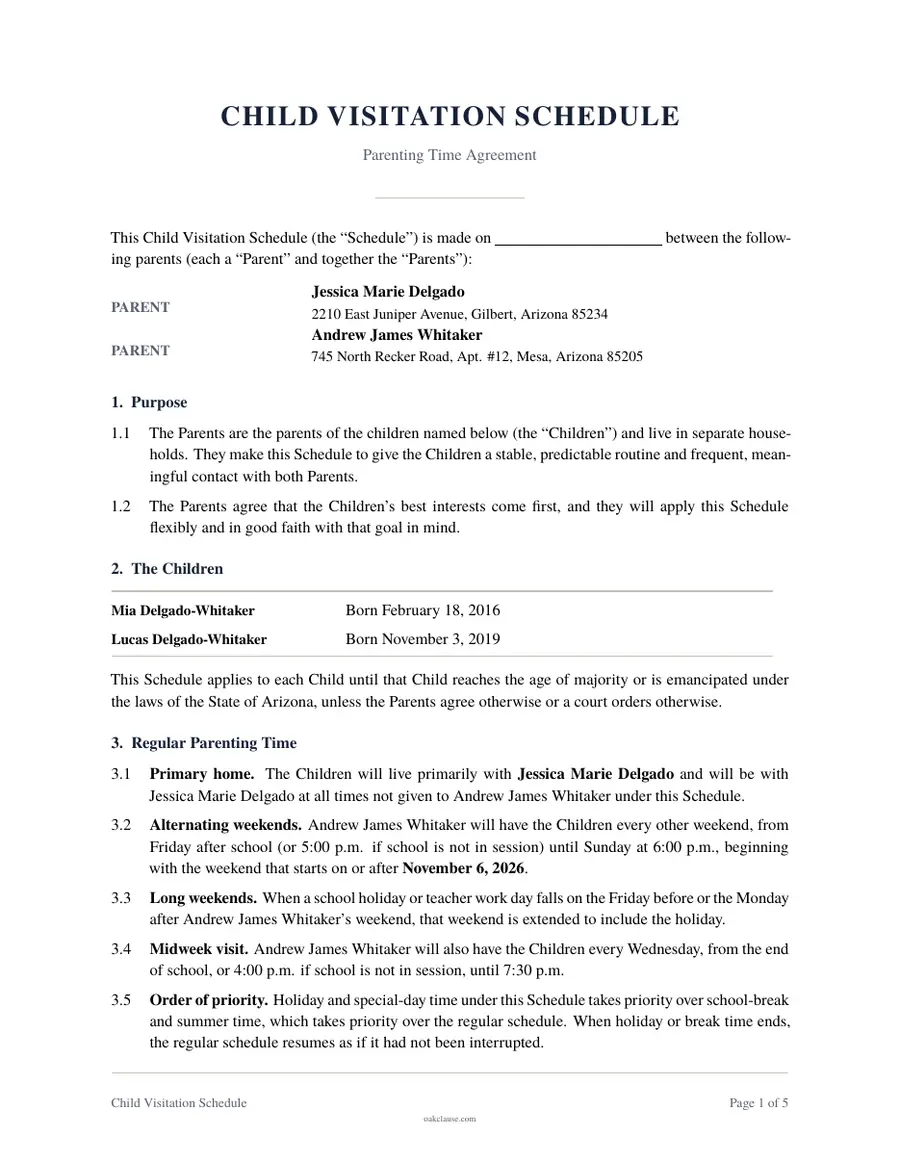
Separated parents benefit from a written visitation schedule that covers weekdays, weekends, holidays and handovers. If a court order is in place, any informal schedule should be consistent with it.
Planning for the unexpected
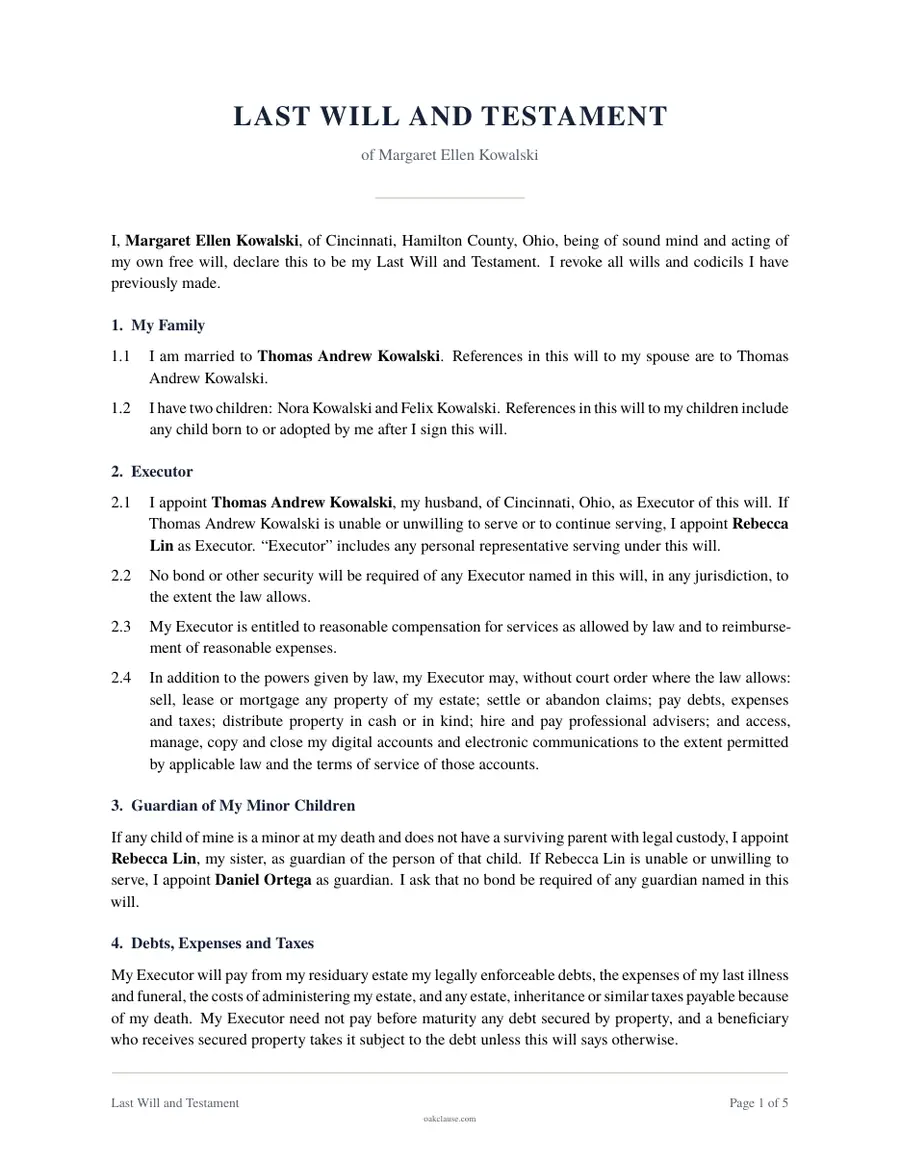
Naming a guardian for minor children in your will is one of the most important steps parents can take. A court makes the final appointment, but it gives significant weight to the parents' written choice.
Keep documents handy
Store signed consent forms and authorizations where caregivers can find them quickly, and give copies to schools, camps or relatives who may need them. Update them when contact details, medical information or caregivers change, and destroy old versions to avoid confusion.