What to know
Saying it clearly
Leaving someone out of your will is not always enough. If a child is simply not mentioned, a court may wonder whether the omission was intentional, and some states have rules protecting children who were born or adopted after the will was signed. The clearest approach is to name the person and state that you are intentionally making no provision for them.
You are not required to explain why. Some people choose to give a brief, neutral reason; others say nothing beyond the statement itself. Avoid harsh language, which can invite a challenge.
Limits on disinheriting a spouse
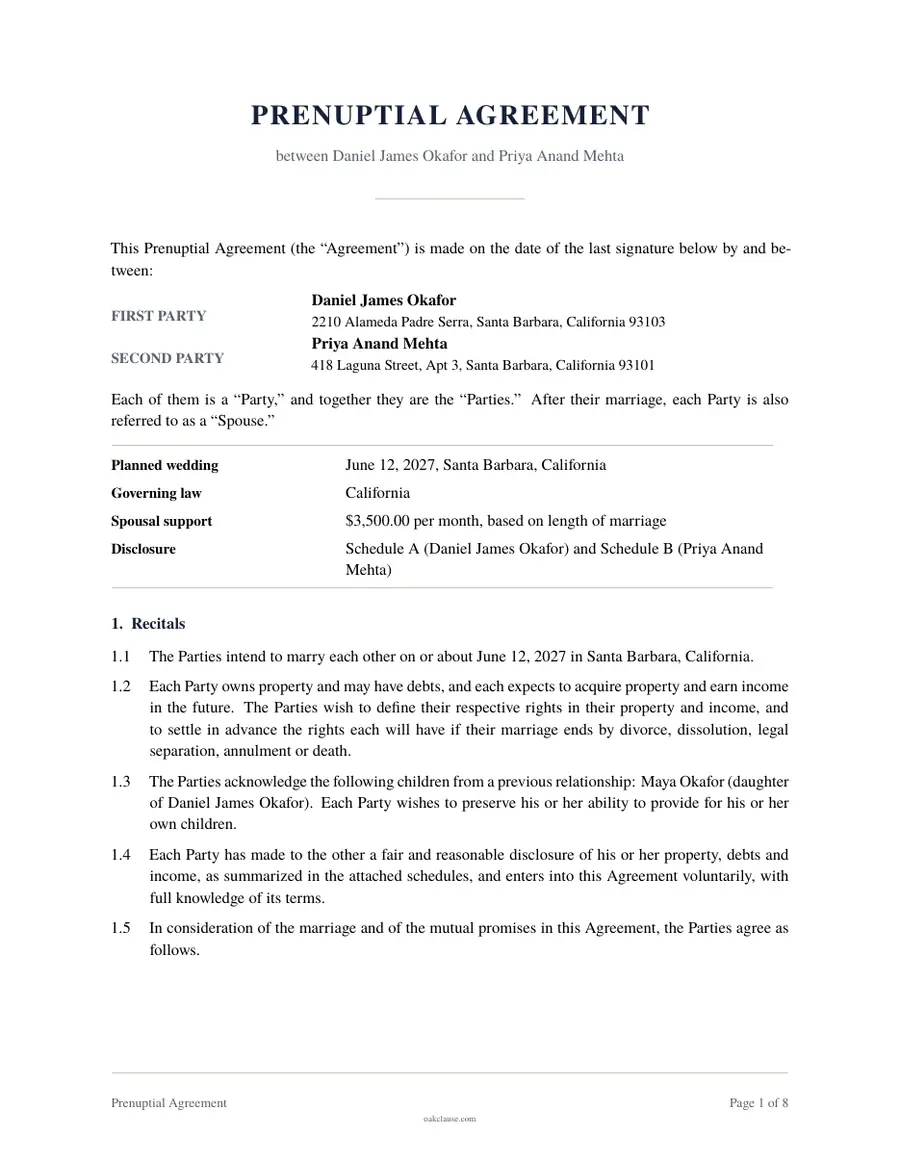
Most states protect surviving spouses. In common law states, a spouse who is left out can often claim an elective share, a portion of the estate set by statute. In community property states, the surviving spouse already owns half of the community property. A valid prenuptial or postnuptial agreement can change these rights.
Children and other relatives
Adult children can generally be disinherited in every state except Louisiana, which has special protections for certain heirs. Other relatives, such as siblings, have no automatic right to inherit if you have a valid will that addresses all of your property.
Reducing the chance of a challenge
Disinherited heirs sometimes contest a will by claiming the person who made it lacked capacity or was pressured. Signing with the proper formalities, including a self-proving affidavit where available, helps. Some people include a no-contest clause that cancels the gift of any beneficiary who challenges the will; states differ on whether and when those clauses are enforced.
A living trust can be harder to challenge in practice and keeps the details private, which some families prefer.
Review regularly
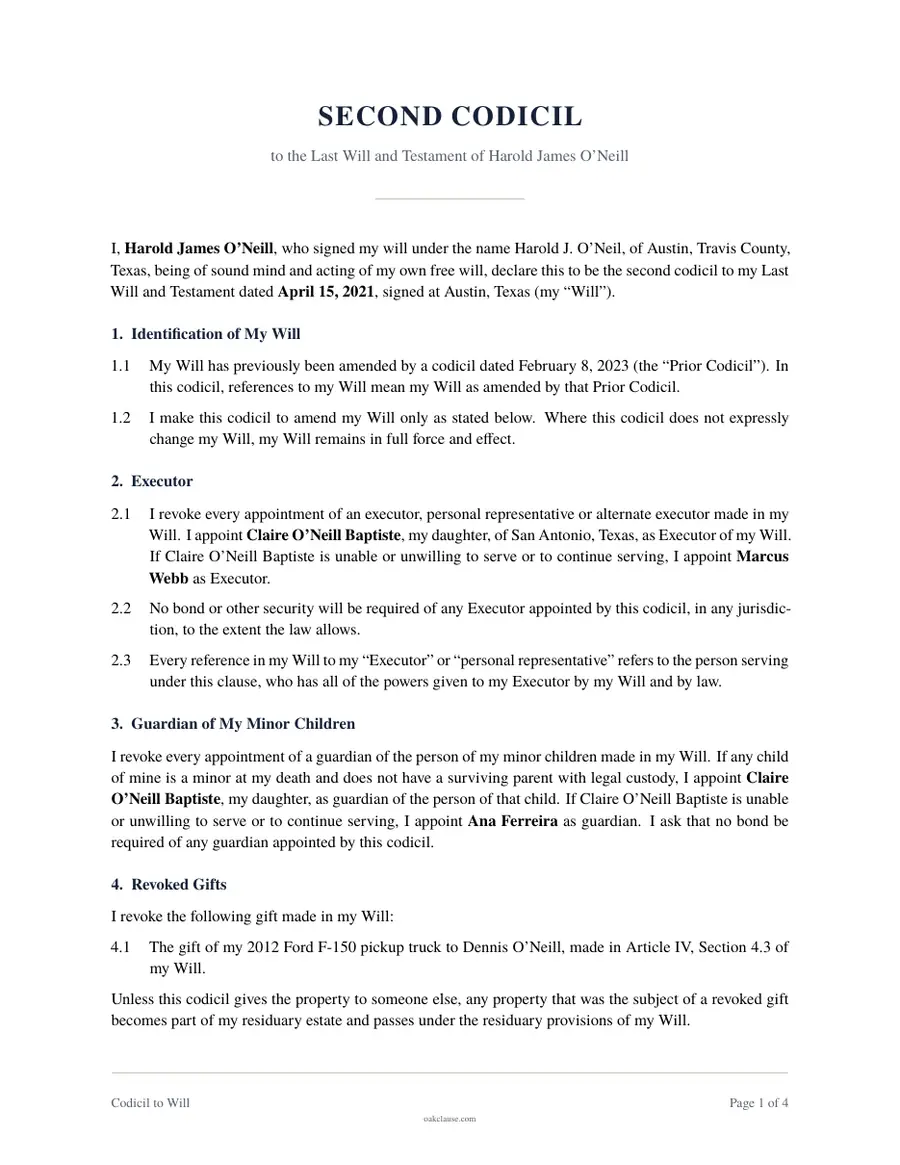
Family relationships change. If you reconcile with someone you previously left out, or circumstances shift for another reason, update your will or trust with a new document or a properly signed codicil. Do not rely on handwritten notes on the original, which may be ignored or cause disputes.