Business formation
Form an LLC
A limited liability company combines personal liability protection with flexible management and pass-through taxation by default.
Request formation help
Online filing is launching soon. Leave your details and we will contact you about forming your business.
Why form an LLC
- Helps protect your personal assets from business debts and claims
- Pass-through taxation by default, with the option to elect corporate tax treatment
- Fewer ongoing formalities than a corporation
- Flexible ownership and profit-sharing rules set in your operating agreement
How it works
The usual order of things, from picking a name to staying in good standing.
- 1
Choose a name
Your LLC name must be distinguishable from other businesses registered in your state and usually must include “LLC” or “Limited Liability Company.”
- 2
Appoint a registered agent
Every LLC needs an agent with a physical address in the state to receive legal papers during business hours.
- 3
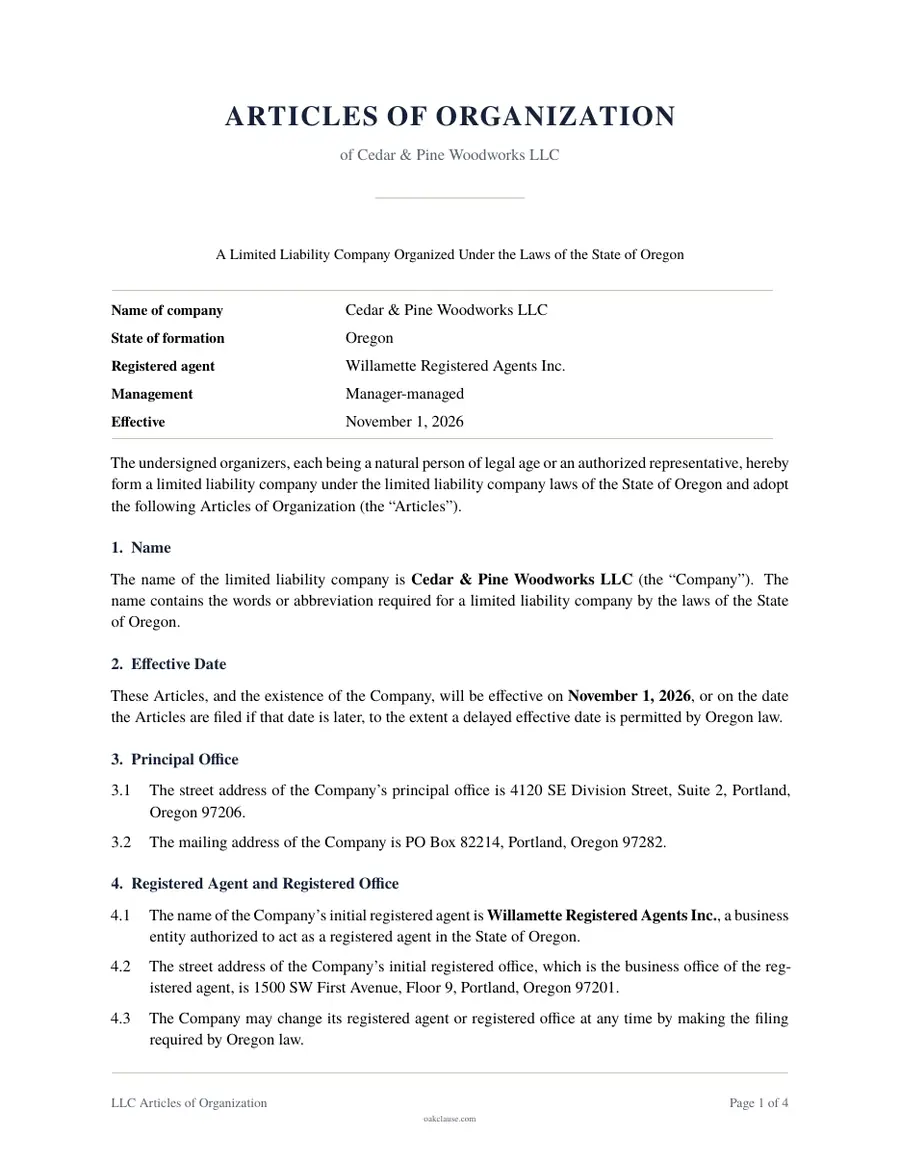
File articles of organization
The state filing that creates your LLC. Filing fees vary by state.
- 4
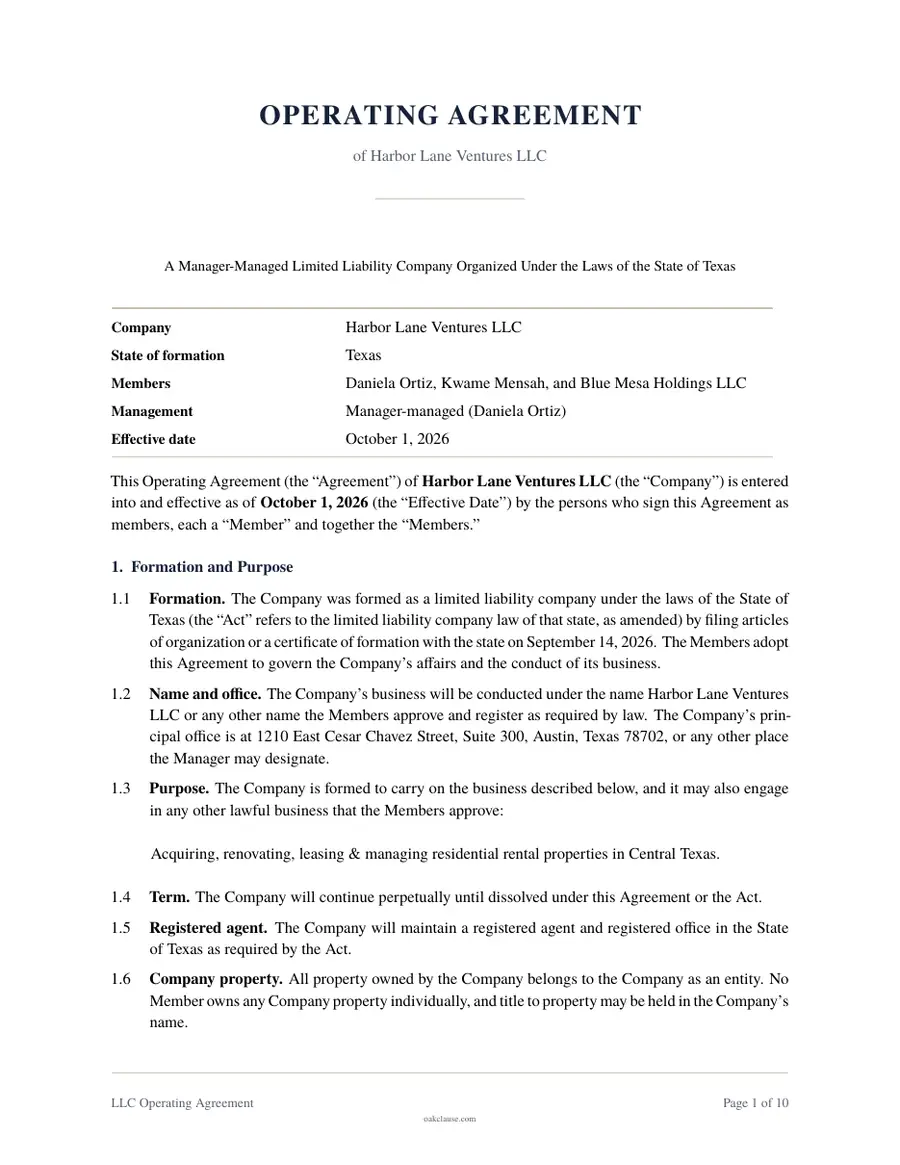
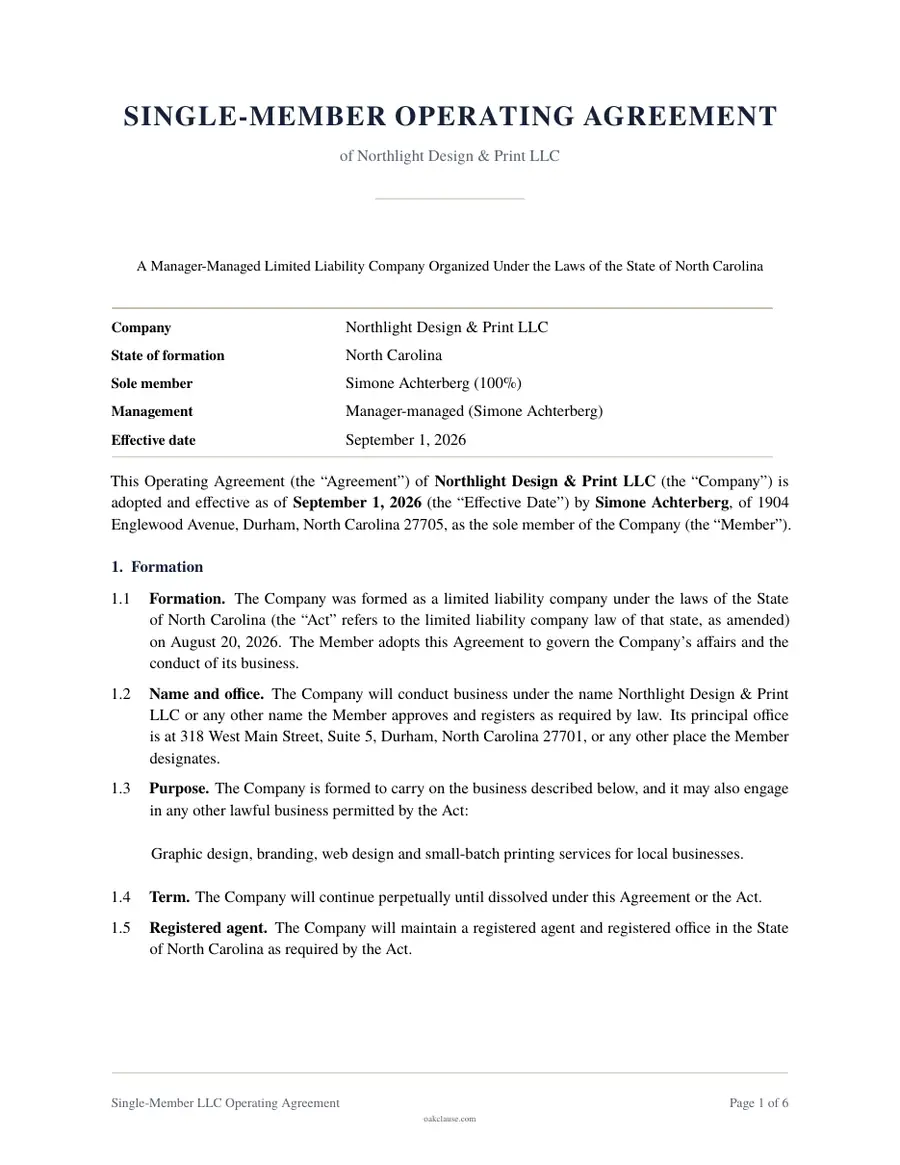
Sign an operating agreement
Sets out ownership, management and what happens if a member leaves. Even single-member LLCs benefit from one.
- 5
Get an EIN and stay compliant
Apply for a free Employer Identification Number from the IRS, and calendar your state's annual report deadlines.
Prefer to do it yourself?
Questions
How much does it cost to form an LLC?
State filing fees range from under $100 to several hundred dollars, and some states charge annual fees or taxes. We will confirm the fees for your state before you file.
Can I be my own registered agent?
In most states, yes, if you have a physical address in the state and are available during business hours. Many owners use a commercial agent for privacy and reliability.
Do I need an operating agreement?
Only a few states legally require one, but it is strongly recommended. It documents ownership, protects your liability shield and is often requested by banks.
Which state should I form my LLC in?
Most small businesses form in the state where they operate. Forming elsewhere usually means also registering as a foreign LLC in your home state and paying fees in both.