Demand Letter for Payment
Ask for money you are owed in a clear, firm letter that states the balance, explains where it comes from and sets a deadline to pay before you take further steps.
Includes 30 days of edits
- 5 to 20 minutes
- Print-ready PDF
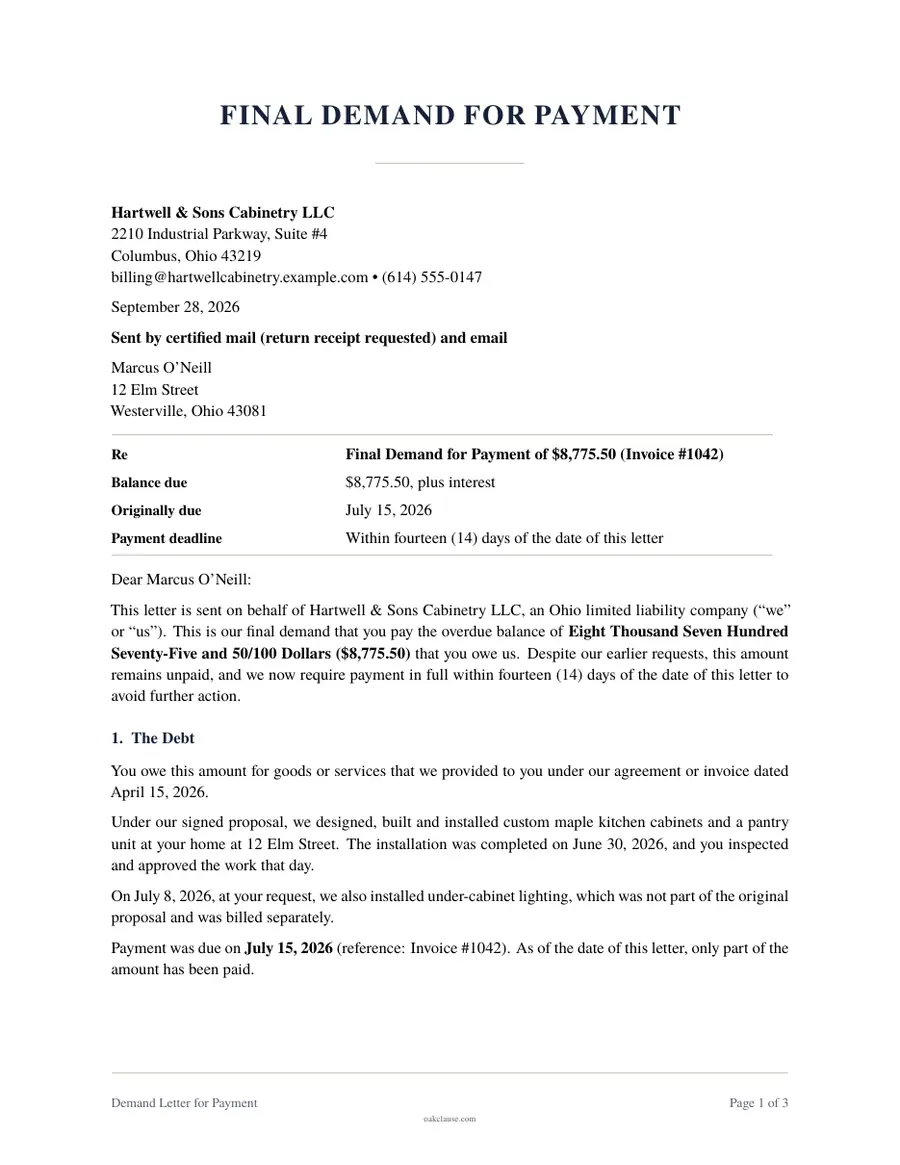
What is a Demand Letter for Payment?
A demand letter for payment is a formal written request that a person or business pay a specific amount of money owed to you. It identifies the debt, shows how the balance was calculated, explains how to pay and gives a deadline, and it describes what you may do if the money does not arrive.
Many unpaid bills are settled at this stage. A well-organized letter shows the other side that you are serious, that you have kept records and that you are prepared to pursue the claim. If payment still does not come, the letter becomes useful evidence: courts, including many small claims courts, expect a creditor to have asked for payment before filing, and some agreements and state rules require written notice before interest, fees or certain remedies can be claimed.
This letter works for unpaid invoices, personal and business loans, broken payment agreements, unpaid rent, returned checks, property damage and other money claims. You can itemize the charges, credit any partial payments, add contractual interest and late fees, offer a payment plan or a discounted settlement, and choose between a first request and a final notice before legal action.
When to use it
- A client or customer has not paid an invoice for work you completed or goods you delivered.
- A friend, relative or business borrowed money and has missed the agreed repayment date.
- A former tenant left owing rent or charges beyond what the security deposit covered.
- Someone damaged your car or property and has not paid for the repairs.
- A check you received was returned unpaid by the bank.
- You want a clear written record of your request before going to small claims court or hiring a collection agency.
What is included
- Creditor and debtor details, letter date and delivery method
- Reference line with the account, invoice or agreement number
- Explanation of where the debt comes from and when it was due
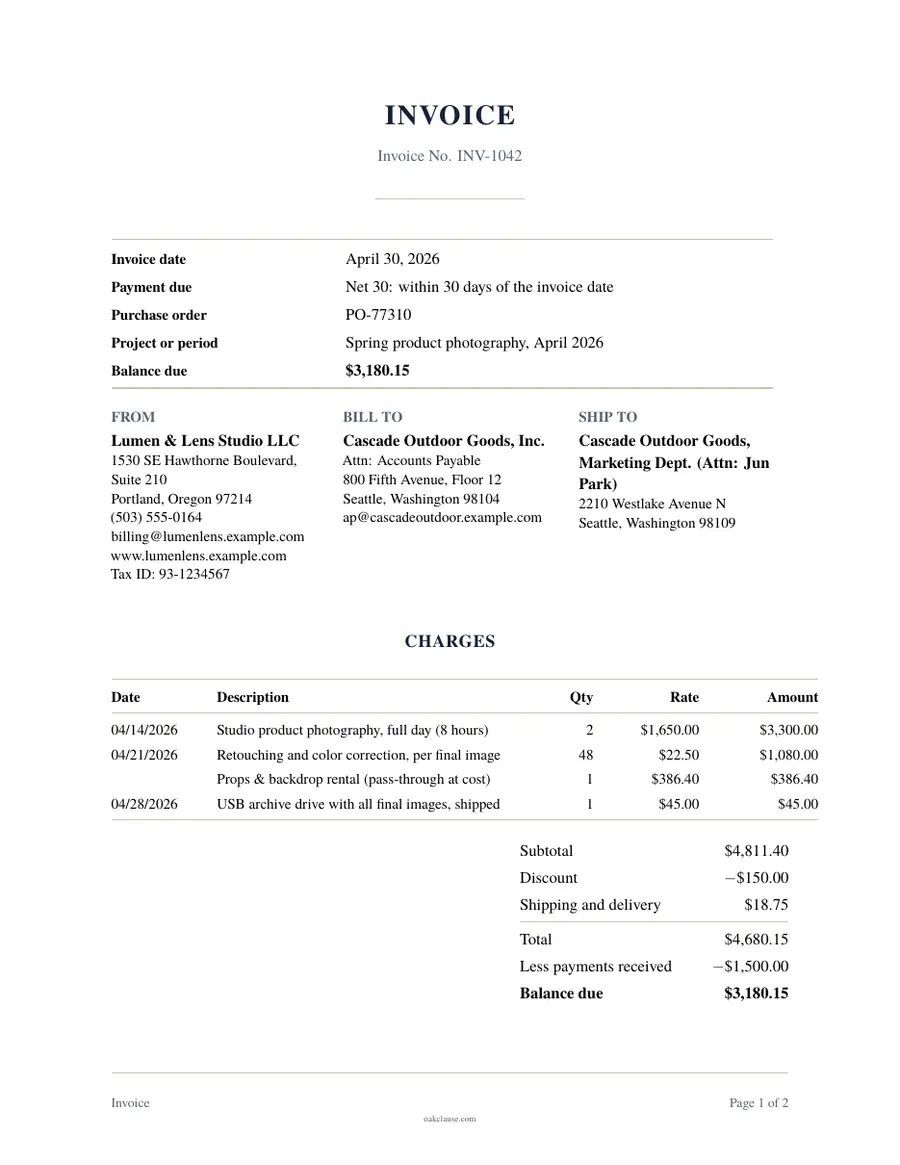
- Itemized list of charges with credit for partial payments
- Optional contractual interest, late fees and collection costs
- Record of earlier payment requests
- Clear payment deadline and accepted payment methods
- Optional payment plan or discounted settlement offer
- Next steps if unpaid, from small claims court to a collection agency
- Reservation of rights, enclosures list and signature
How to make your Demand Letter
Answer the questions
Tell us about the parties and the terms you want. Most documents take about 5 to 20 minutes.
Review the preview
Check the draft as you go and change any answer. The document updates instantly.
Download, sign and keep a copy
Download a print-ready PDF, sign it with the other parties, and give everyone a copy.
Frequently asked questions
What is a demand letter for payment?
It is a formal letter asking someone to pay money they owe you by a set date. It explains the debt, states the exact amount, tells the recipient how to pay and describes the steps you may take if they do not. It is often the last step before small claims court or a collection agency.
Is a demand letter legally required before suing?
It depends on the claim, the court and the state. Some small claims courts ask whether you requested payment before filing, some contracts require written notice before you can claim interest, fees or terminate, and some types of claims have specific notice rules. Even when it is not required, a demand letter shows a judge you tried to resolve the matter.
How long should I give the debtor to pay?
Many creditors allow roughly ten to thirty days, depending on the amount and the relationship. A first, friendly request often allows more time, while a final notice usually allows less. If your contract or state law sets a specific notice period, use at least that period.
Can I charge interest and late fees in a demand letter?
You can generally claim interest and fees that your agreement allows, and in many states you may also claim interest at a rate set by law on overdue amounts. Interest rates and fees are limited by state usury and consumer protection laws, so do not claim more than your agreement and the law permit.
Can I threaten to report the debt to credit bureaus?
Only mention actions you actually intend and are able to take. Most individuals and small businesses do not report to credit bureaus directly, but a collection agency may. Threatening something you cannot or will not do, or threatening criminal charges to pressure payment of a civil debt, can be unlawful in some states.
Does this letter work for debt collection agencies?
This letter is designed for creditors collecting their own debts, such as a business with an unpaid invoice or a person who made a loan. Third-party debt collectors collecting consumer debts must follow the federal Fair Debt Collection Practices Act and related rules, which require specific validation notices, and some states apply similar rules to original creditors as well.
How should I send a demand letter?
Use a method that proves delivery, such as certified mail with return receipt, a tracked courier or hand delivery. Many creditors also email a copy for speed. Keep a copy of the letter, the proof of delivery and any response, because you may need them in court.
What if the debtor offers to pay in installments?
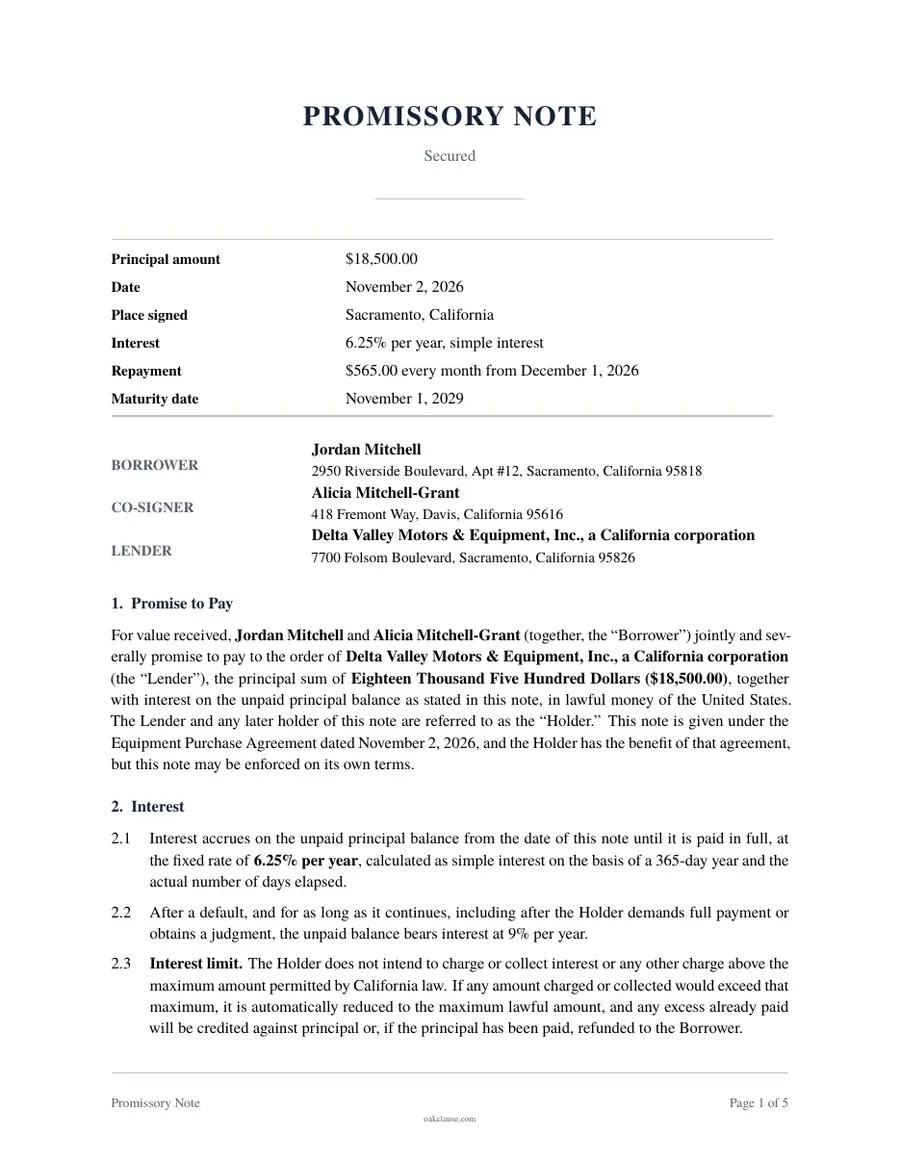
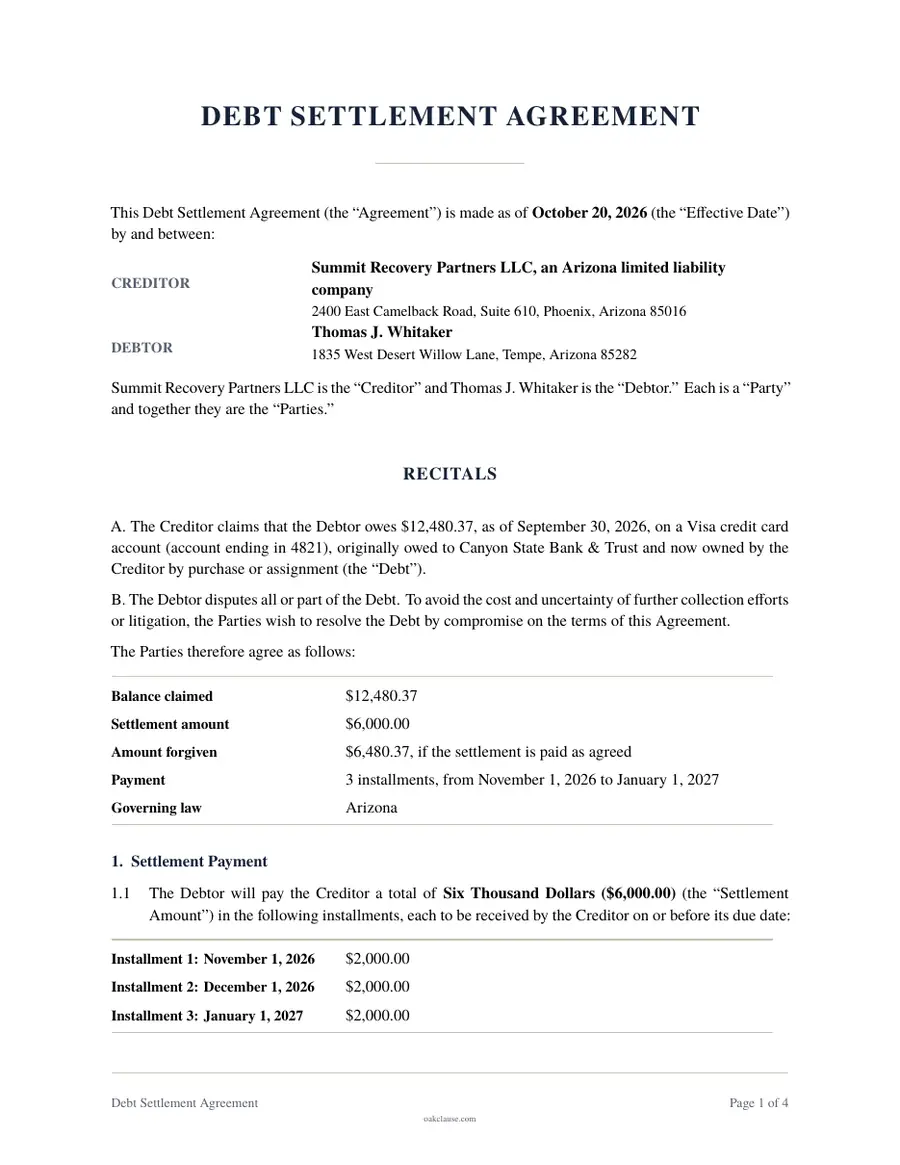
You can include a payment plan offer in the letter or negotiate one afterwards. If you agree to installments, put the arrangement in writing, for example in a promissory note or a debt settlement agreement, so the new terms and the consequences of missing a payment are clear.
Does sending a demand letter stop the statute of limitations?
Generally, no. A letter alone usually does not pause or extend the deadline to file a lawsuit, which varies by state and by the type of debt. If the debt is old or the deadline may be close, consider speaking with an attorney promptly.