What to know
Read the lease before you sign
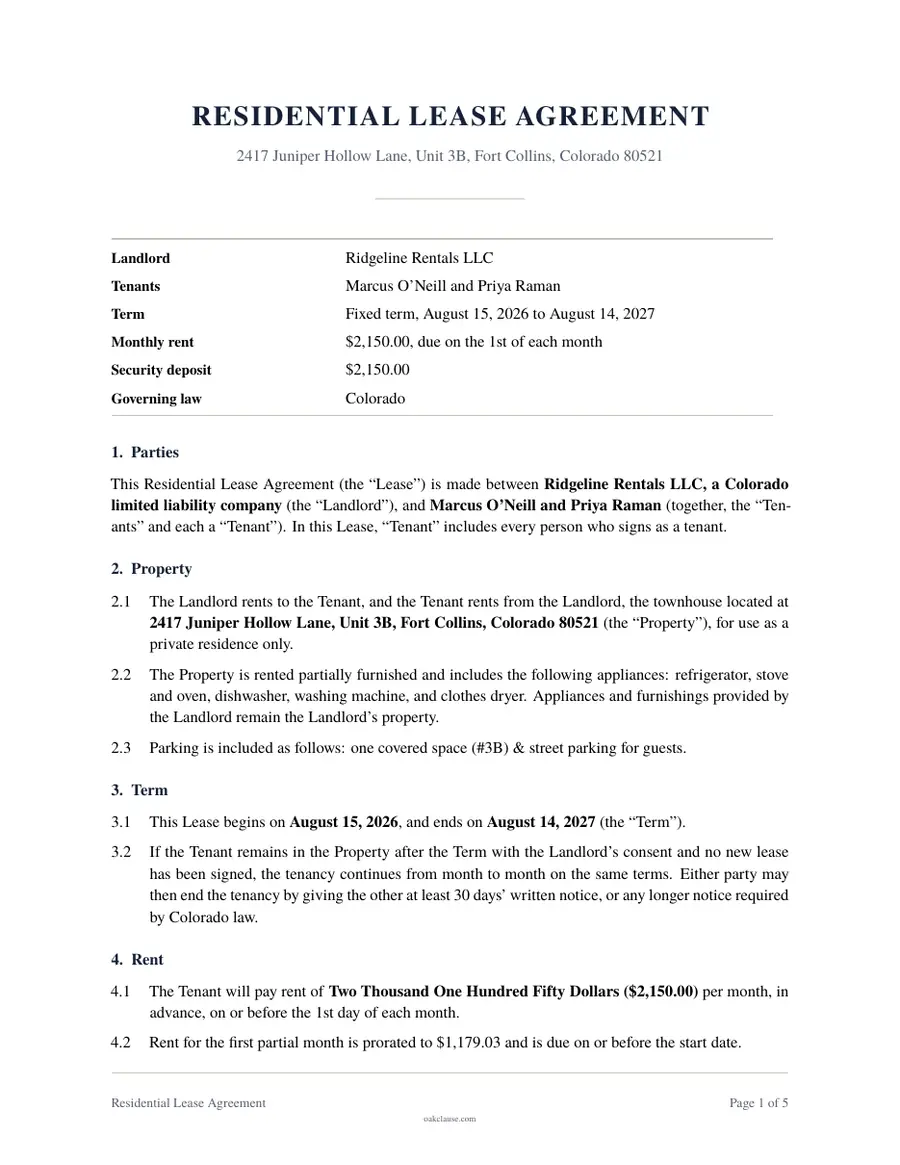
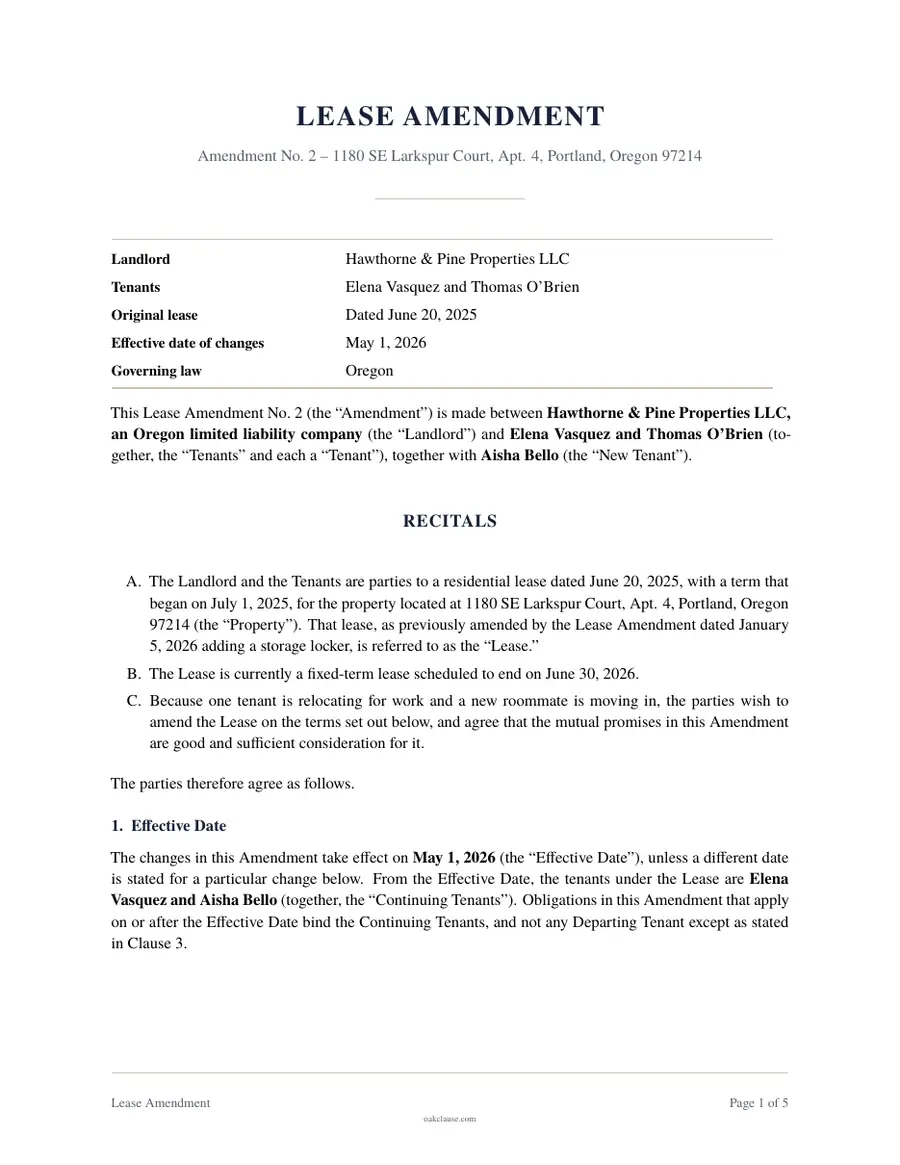
Your lease controls most of your day-to-day rights as a renter. Before signing, check the rent and due date, late fees, the deposit amount, whether pets or guests are restricted, who pays which utilities, and how much notice you must give before moving out. If a landlord makes a promise that is not in the lease, such as fresh paint or a parking space, ask for it to be added in writing.
Document the condition of the unit
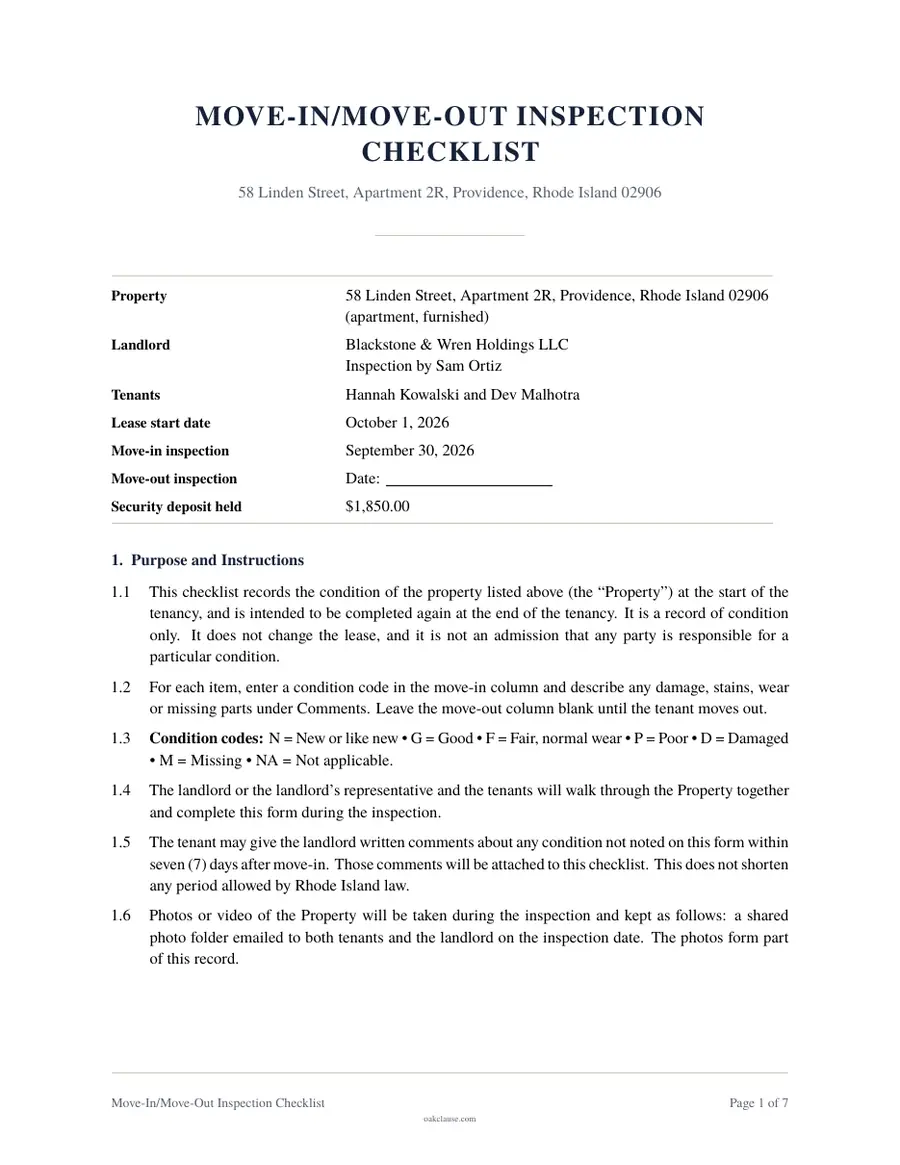
Walk through the rental with a move-in checklist and take dated photos of any damage. When you move out, that record helps you show which issues existed before you arrived, which is often the difference between getting your full deposit back or not.
Ask for repairs in writing
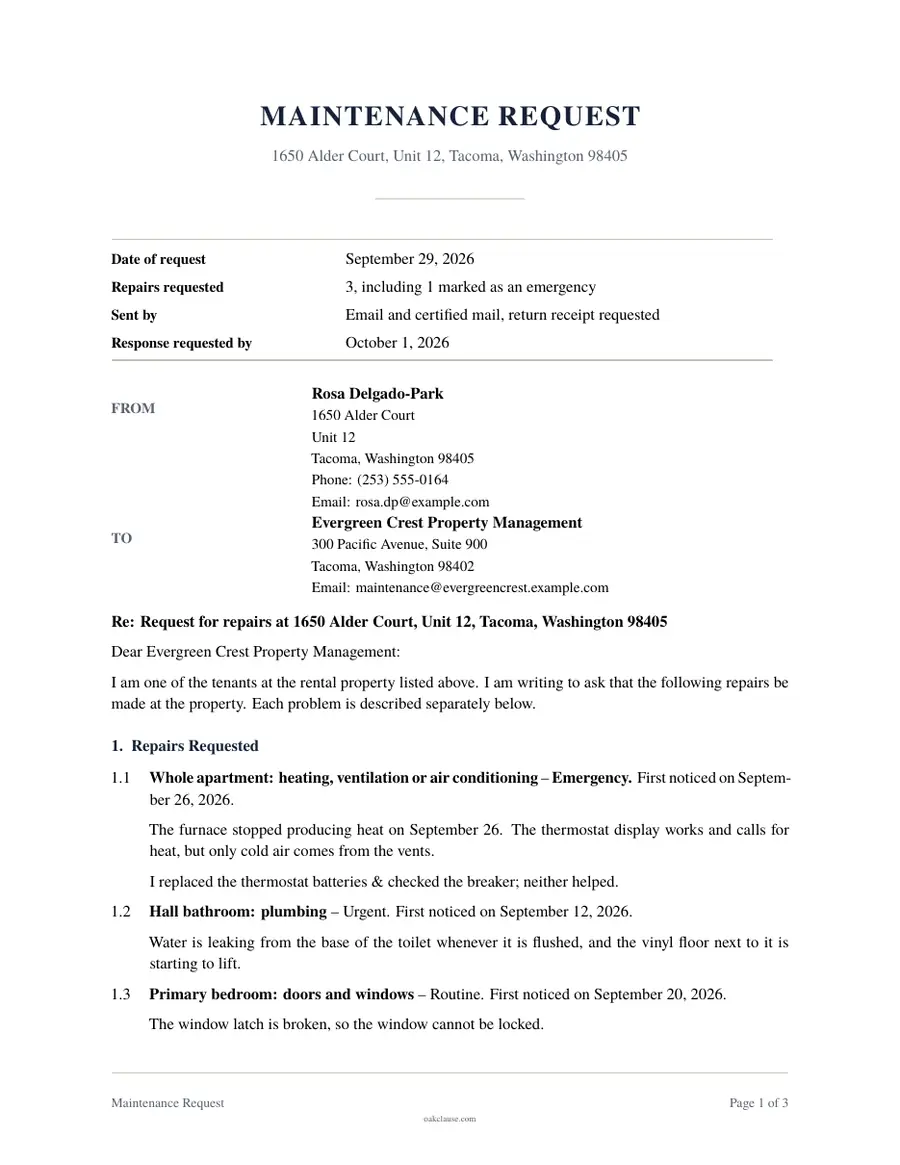
Most states require landlords to keep rentals habitable, which generally covers safe structure, working plumbing, heat, and hot water. A written maintenance request creates a dated record that you reported the problem. Some states allow additional remedies when a landlord ignores serious repair requests, but those remedies usually depend on giving proper written notice first, so keep copies of everything you send.
Sharing, subletting and moving on
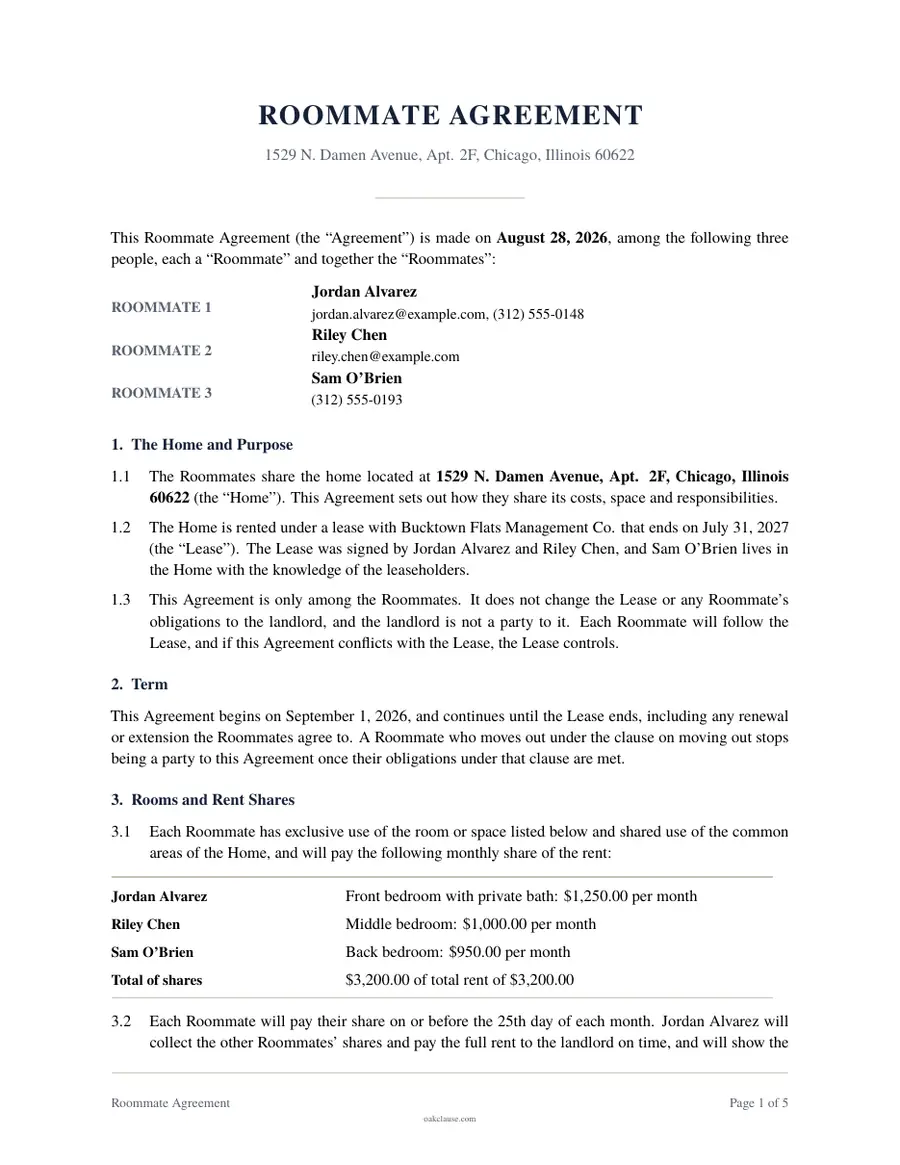
If you share a home, a roommate agreement sets expectations about rent shares, bills, chores and guests. It does not change what you owe the landlord, but it gives roommates a clear agreement between themselves.
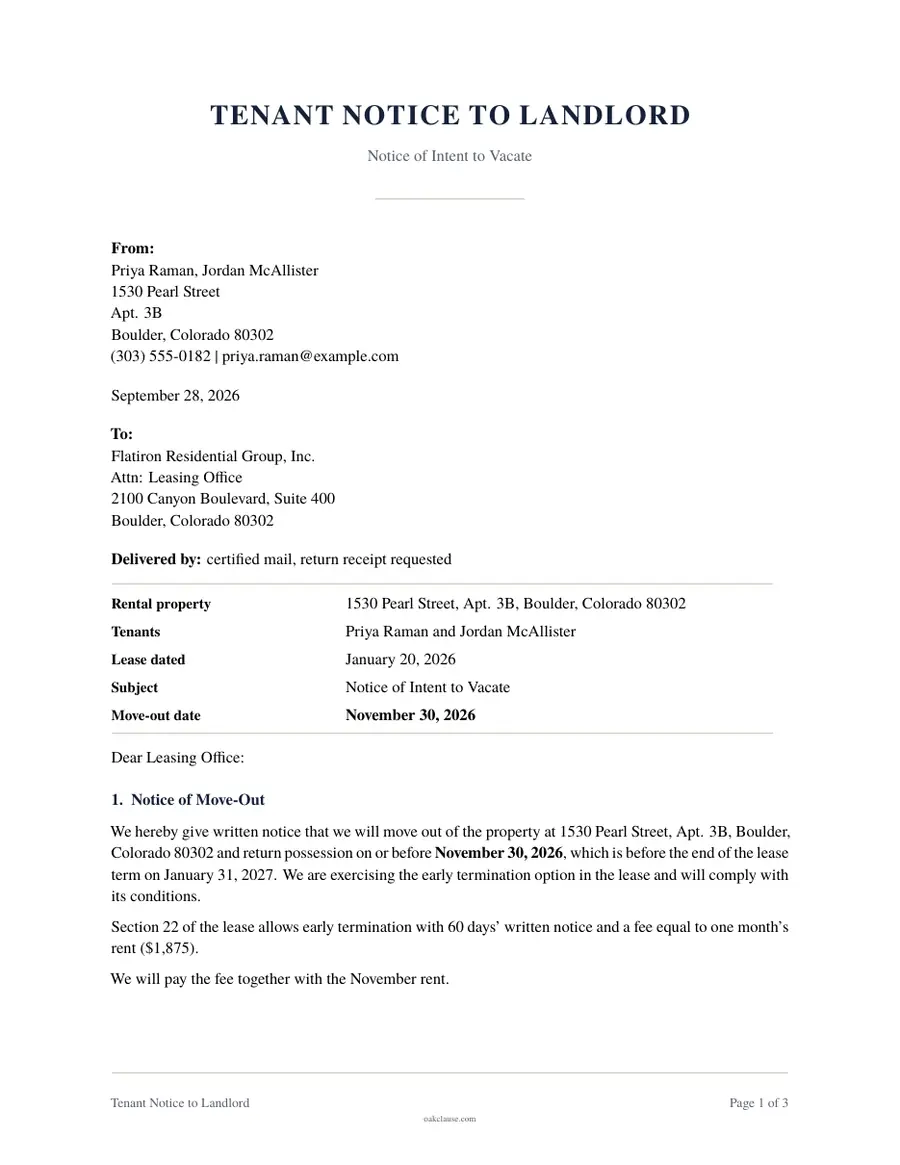
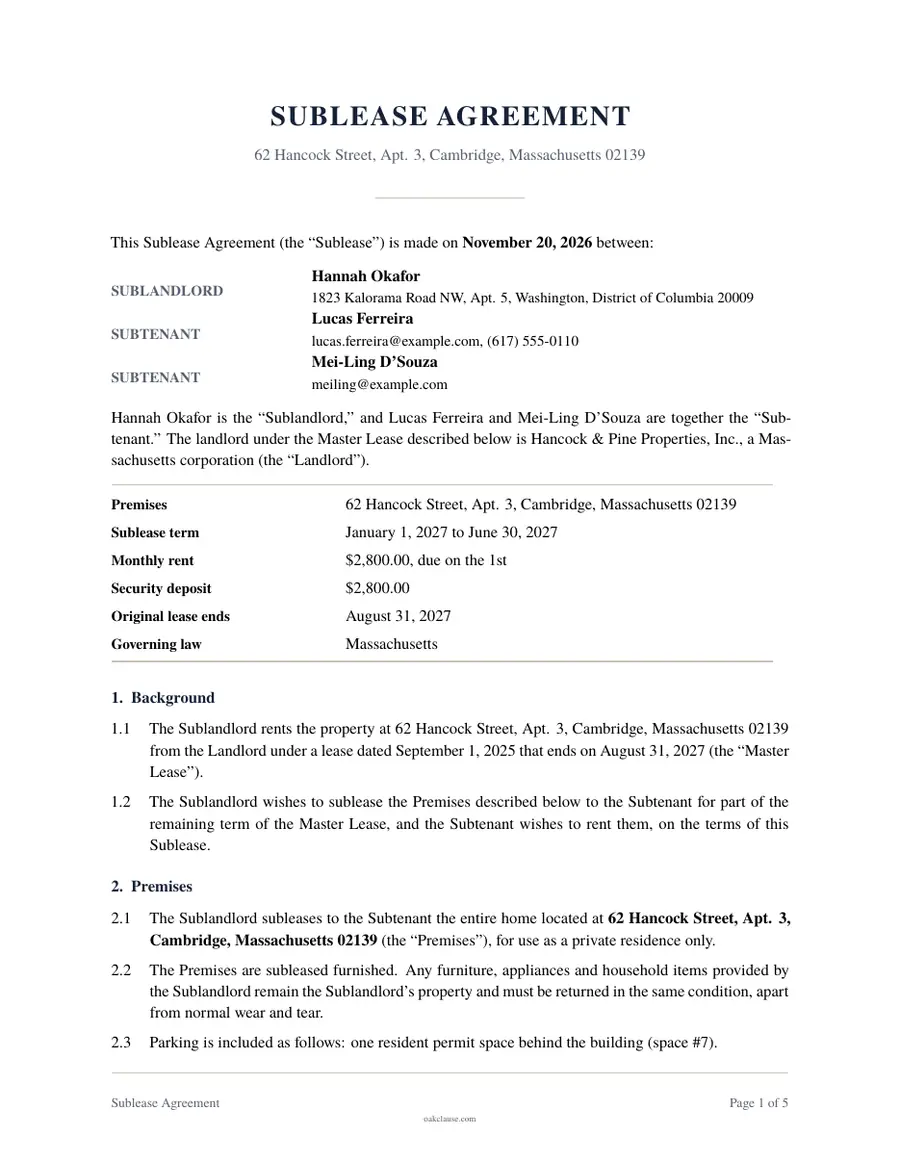
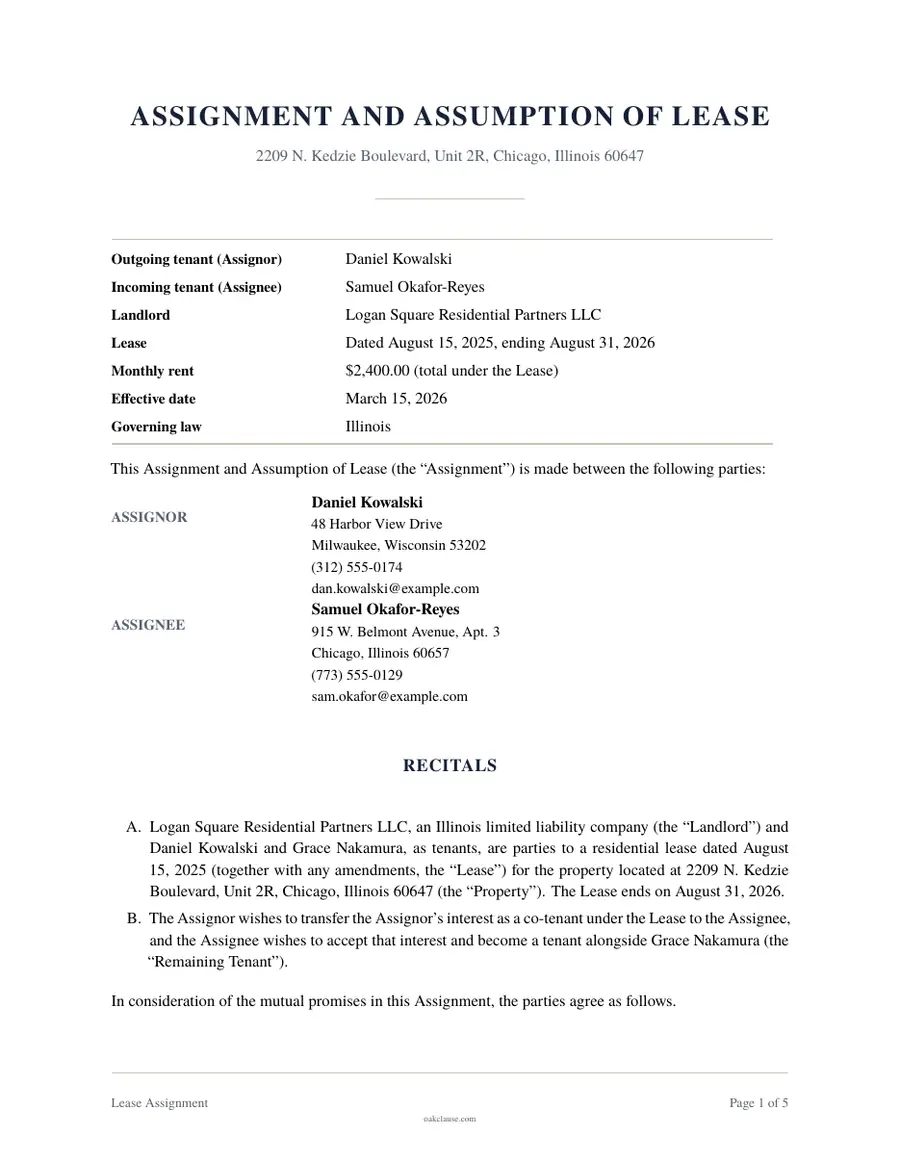
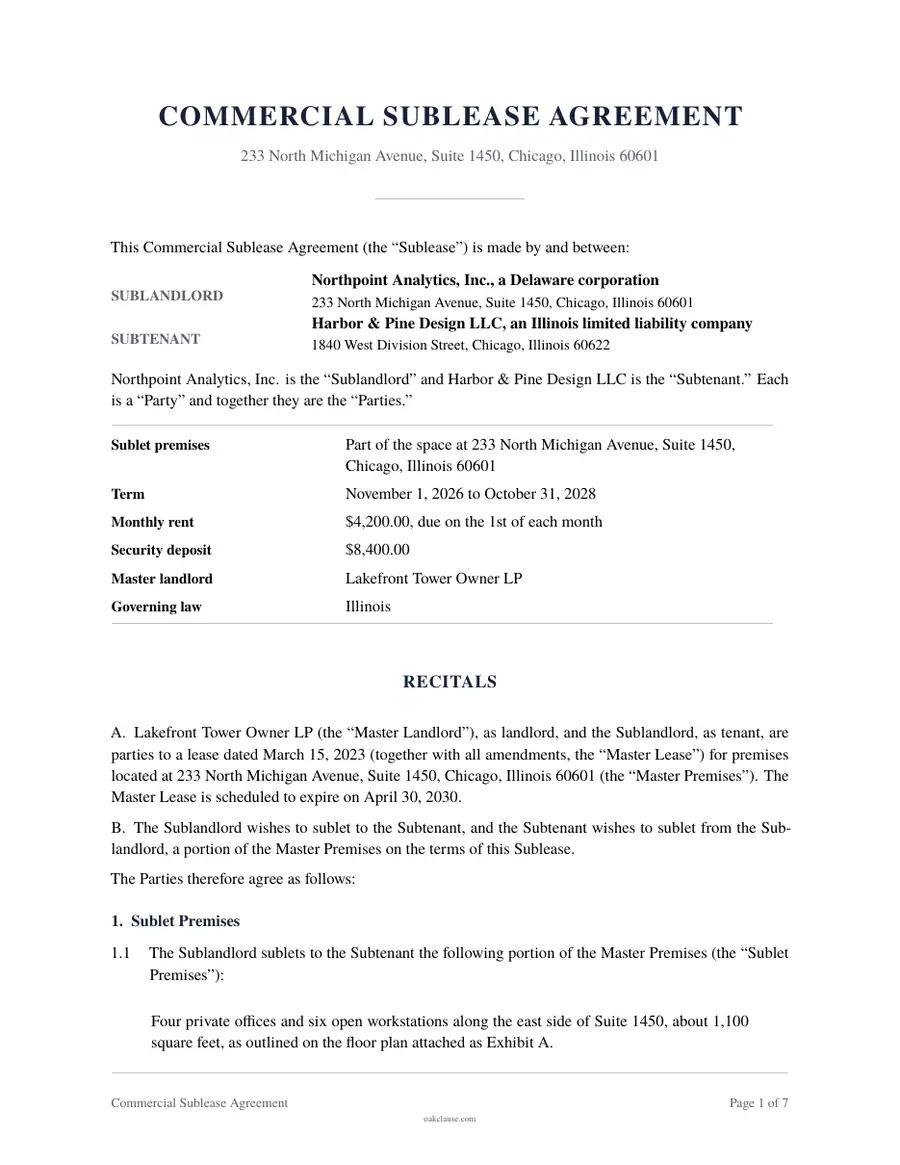
If you need to leave before the lease ends, a sublease or lease assignment may be an option. Many leases require the landlord's written consent first. When it is time to move out, give written notice within the period your lease and state law require, and ask the landlord where to send your forwarding address for the deposit.
Know where to get help
If you run into a dispute you cannot resolve directly, many cities and states have tenant rights offices, legal aid organizations and mediation programs that can explain local rules at little or no cost. Bring your lease, your written notices and your photos to any appointment.