What to know
What an executor does
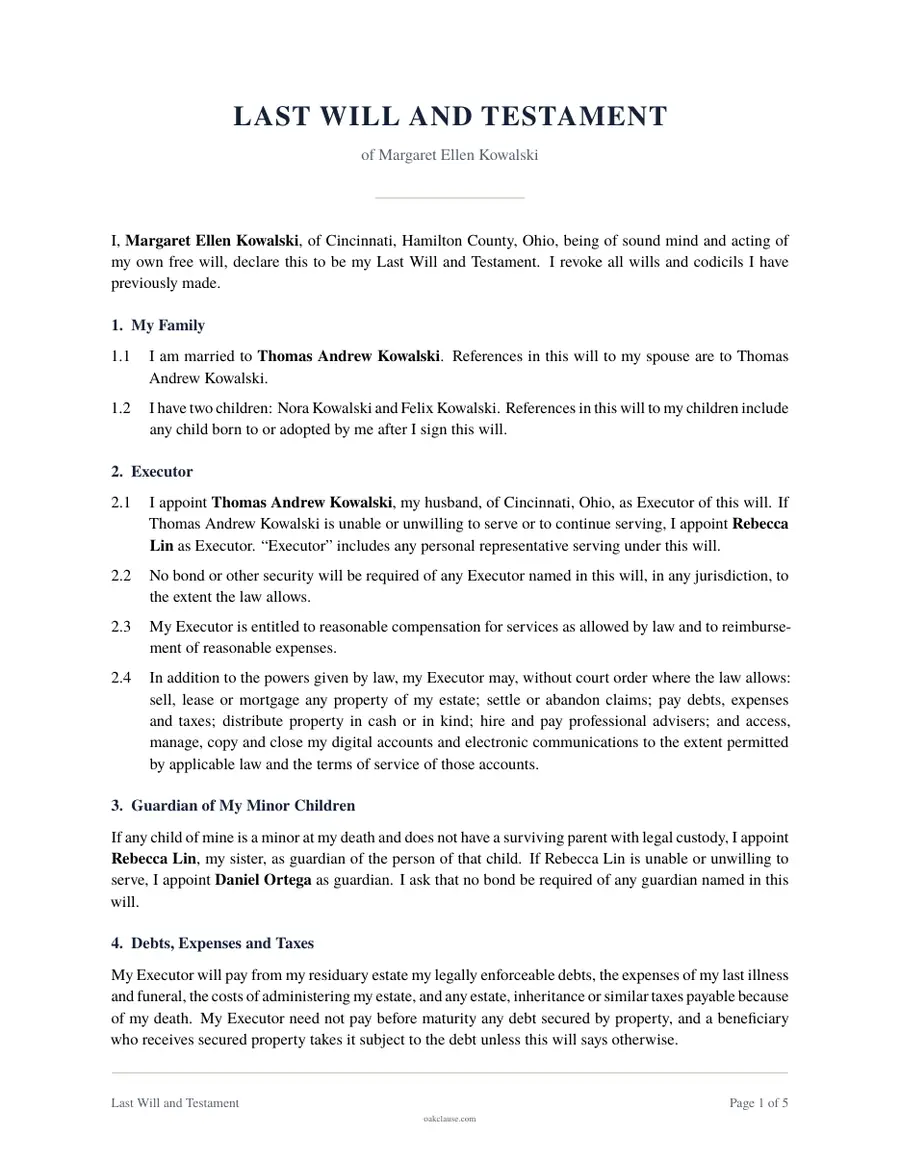
An executor, called a personal representative in some states, is the person responsible for settling an estate after someone dies. The job usually includes filing the will with the probate court, notifying beneficiaries and creditors, collecting and valuing assets, paying valid debts and taxes, and distributing what is left according to the will.
Executors are fiduciaries. They must act in the best interests of the estate and its beneficiaries, keep estate money separate from their own, and keep careful records. Many states allow executors to be paid reasonable compensation from the estate, and a will can address whether compensation is allowed.
Choosing an executor
Pick someone organized, trustworthy and willing to serve. The job can take many months. Some states impose extra requirements on executors who live out of state, such as appointing a local agent or posting a bond, so consider location too. Always name at least one alternate.
You can name co-executors, but they generally must cooperate on decisions, which can slow things down if they disagree.
Helping your executor in advance
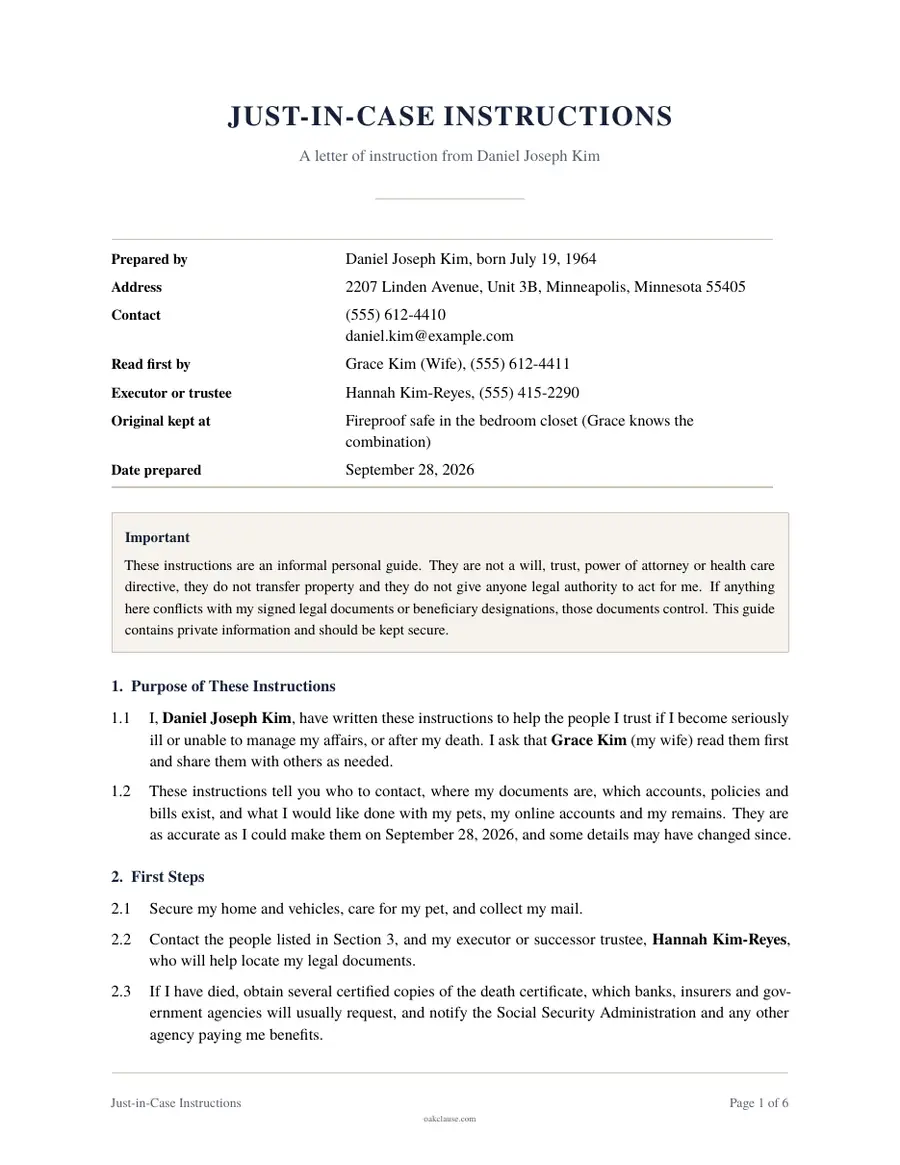
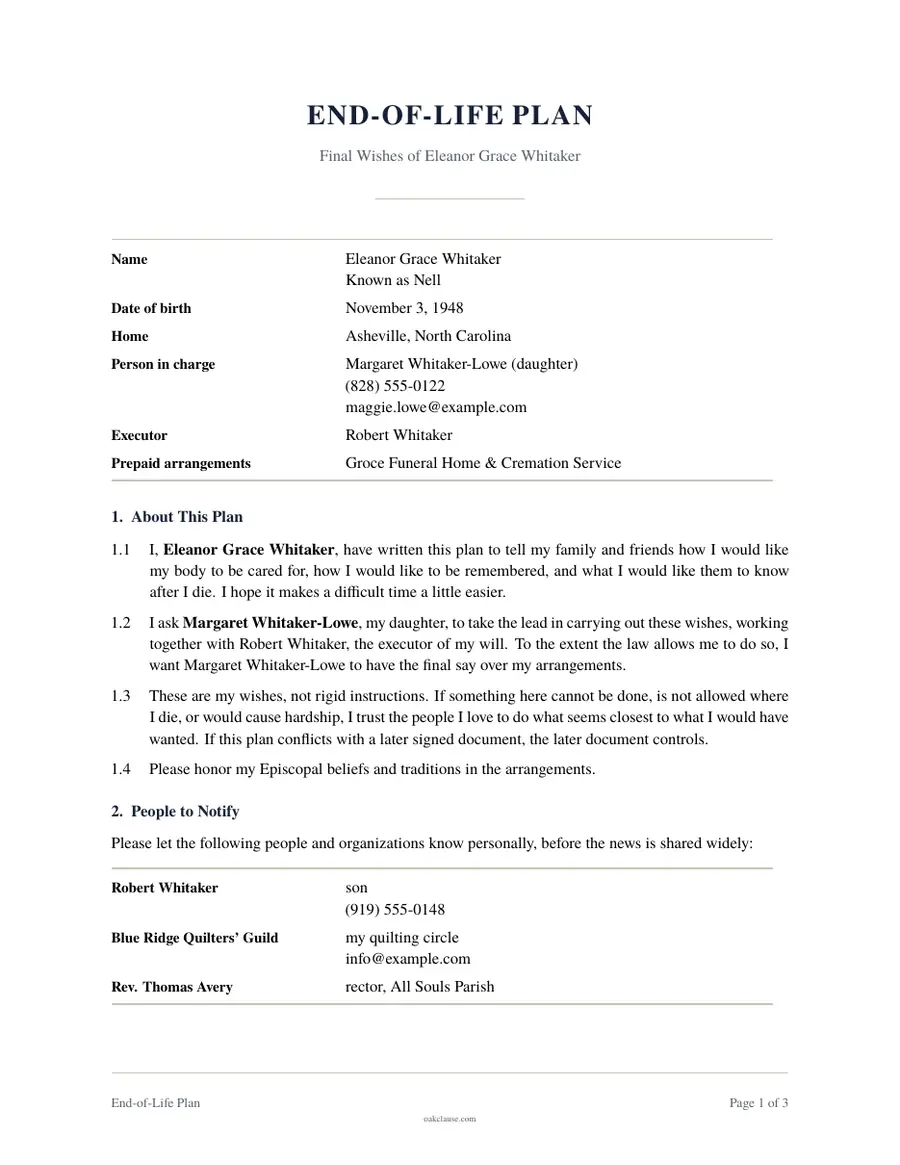
The most helpful thing you can do is leave clear information: where your original will is stored, a list of accounts and assets, digital account details, and contacts for your lawyer, accountant and financial advisers. A just-in-case instruction letter and an end-of-life plan give your executor a roadmap at a difficult time.
When there is no will
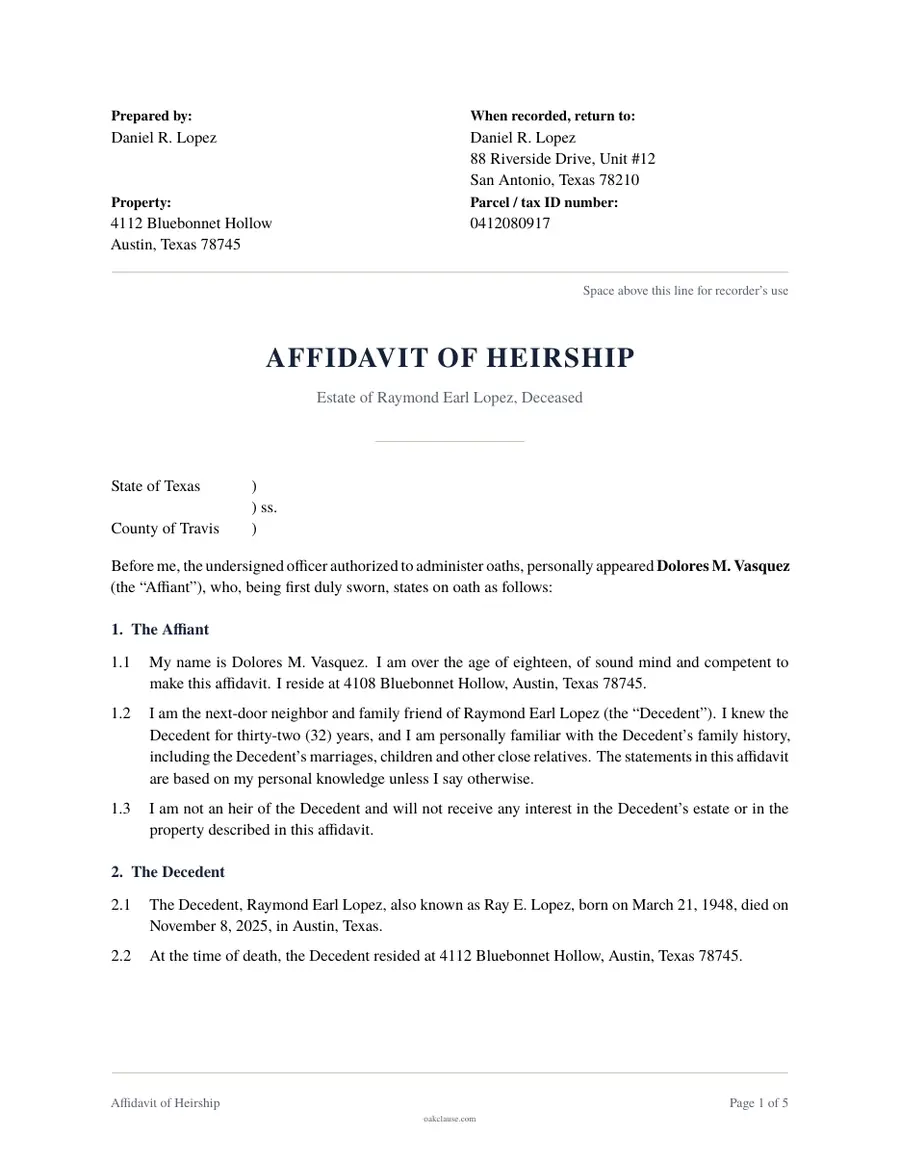
If someone dies without a will, state intestacy laws decide who inherits, and the court appoints an administrator to do the executor's job. For some small estates, states offer simplified procedures, such as a small estate affidavit, that let heirs collect property without full probate.
Executor timelines
Settling an estate rarely happens quickly. Creditors are usually given a set period to file claims, tax returns may be due months after death, and real estate can take time to sell. Executors should keep beneficiaries informed along the way and avoid distributing assets until debts and taxes have been dealt with.