What to know
Why written policies matter
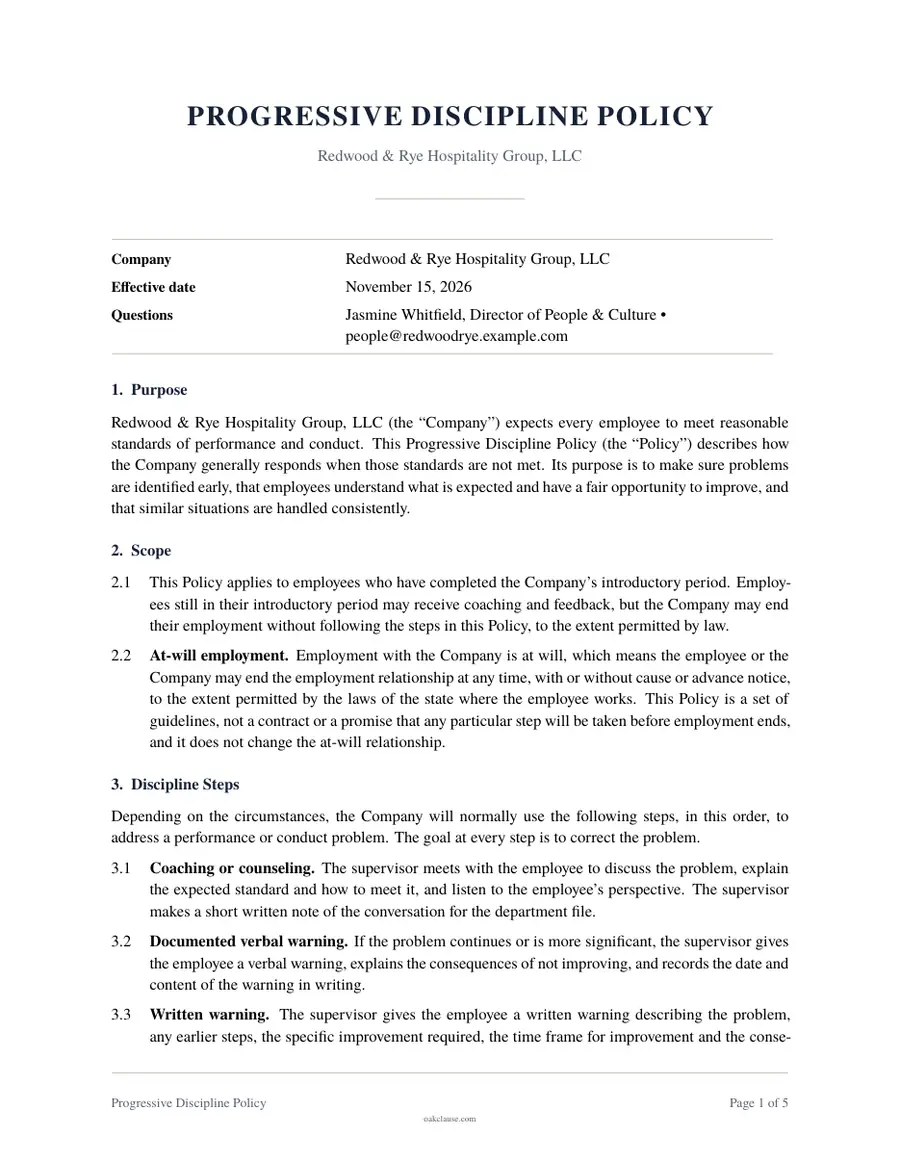
Written policies tell employees what to expect and how decisions are made. They also help you apply the same rules to everyone, which is the foundation of a fair workplace and an important defense if a decision is ever challenged.
The employee handbook
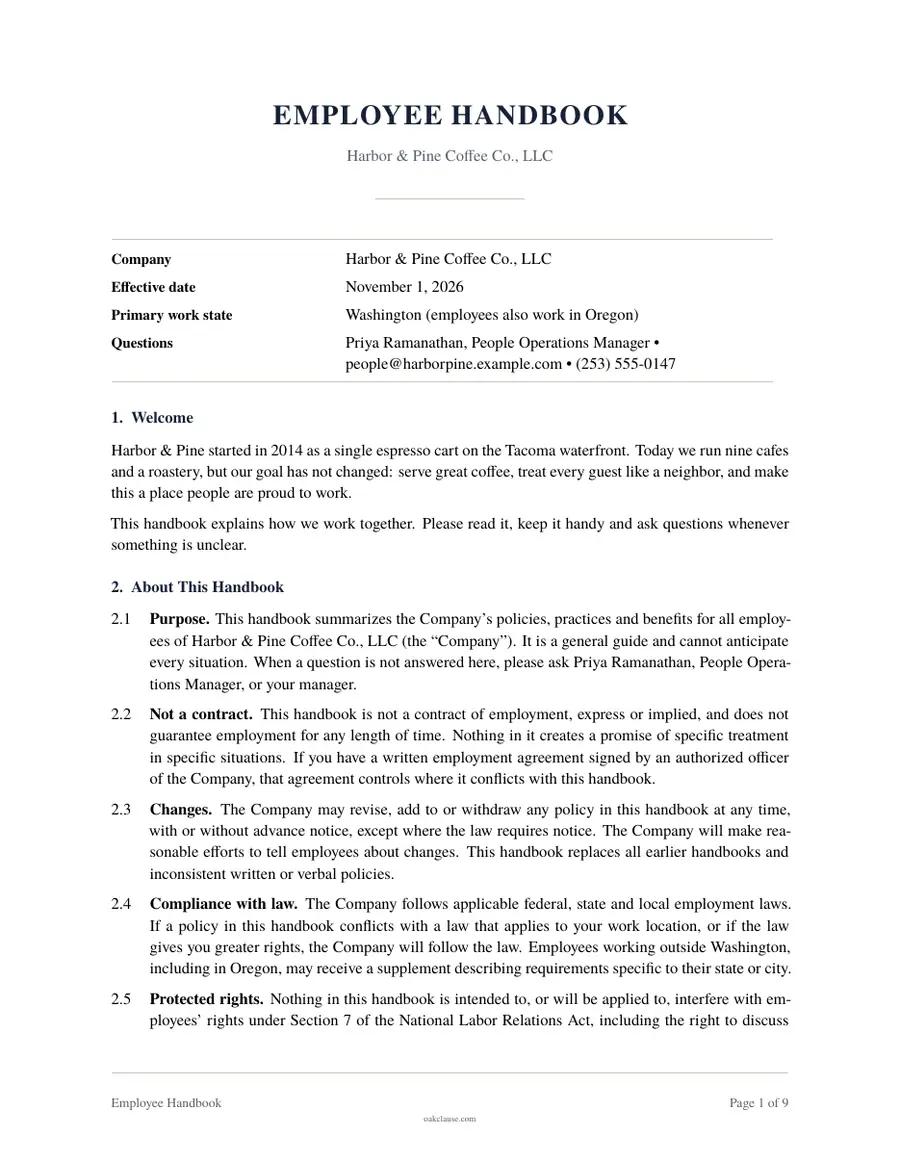
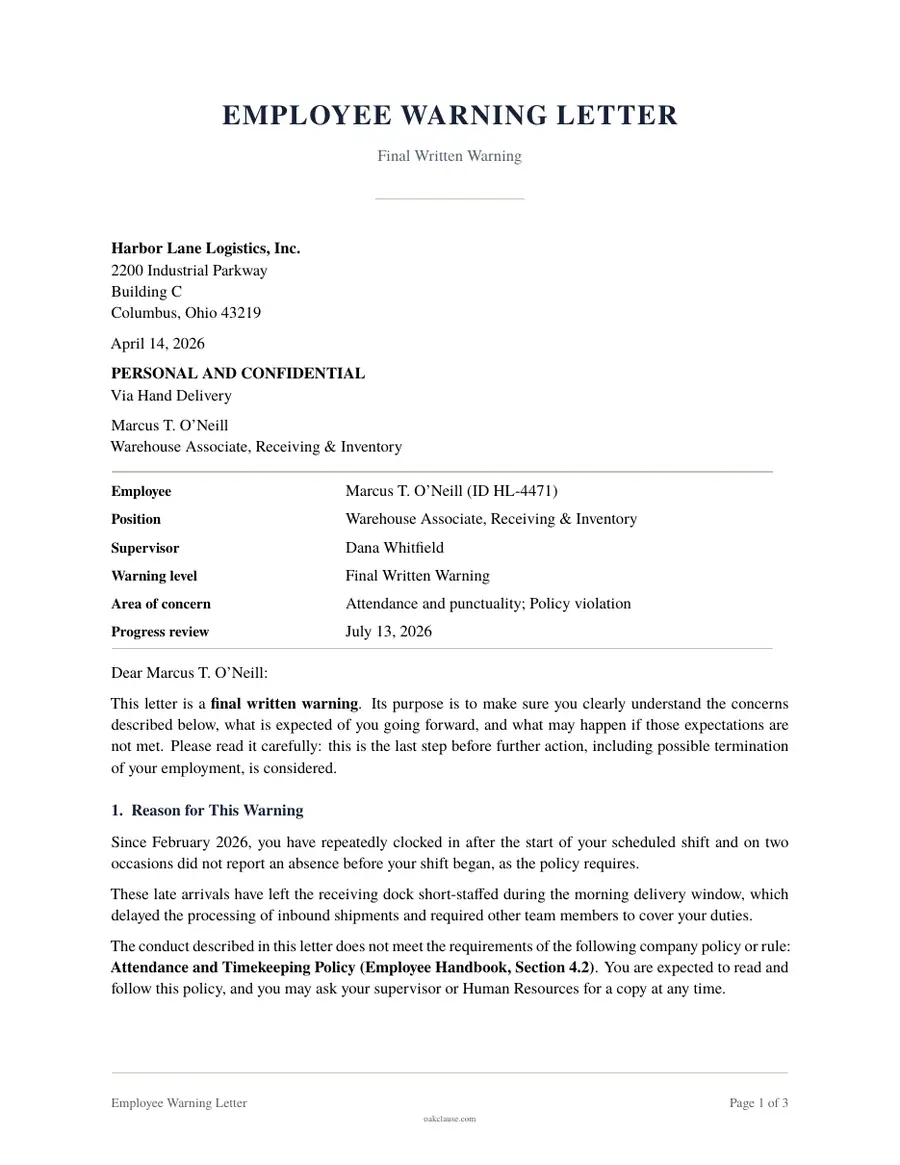
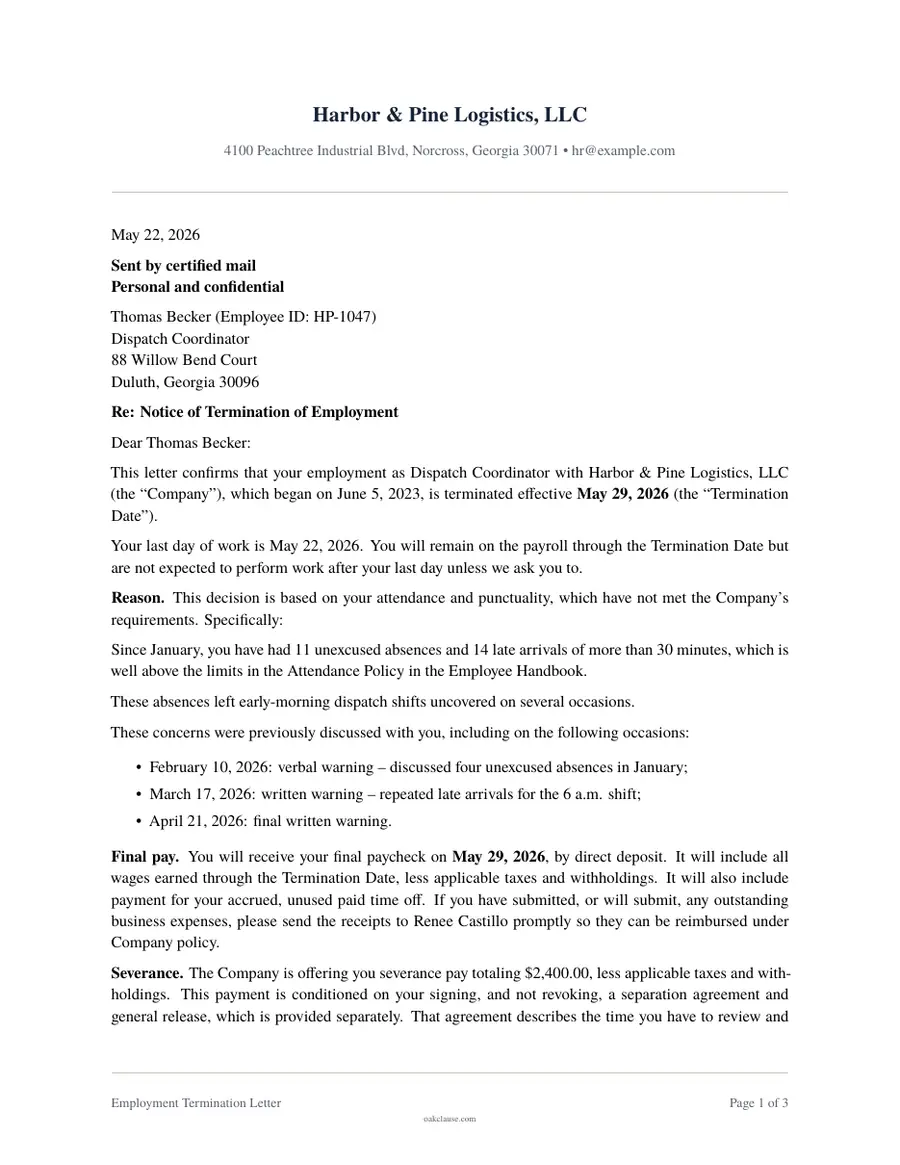
A handbook collects your core policies in one place: hours and pay practices, time off, conduct expectations, equal employment opportunity, anti-harassment, technology use and discipline. Most handbooks state that they are not a contract and that employment remains at will. Ask employees to sign an acknowledgment that they received it.
Some policies are required by law depending on your size and location, such as family and medical leave notices or state-specific paid sick leave rules. Review your handbook at least once a year.
Harassment and complaints
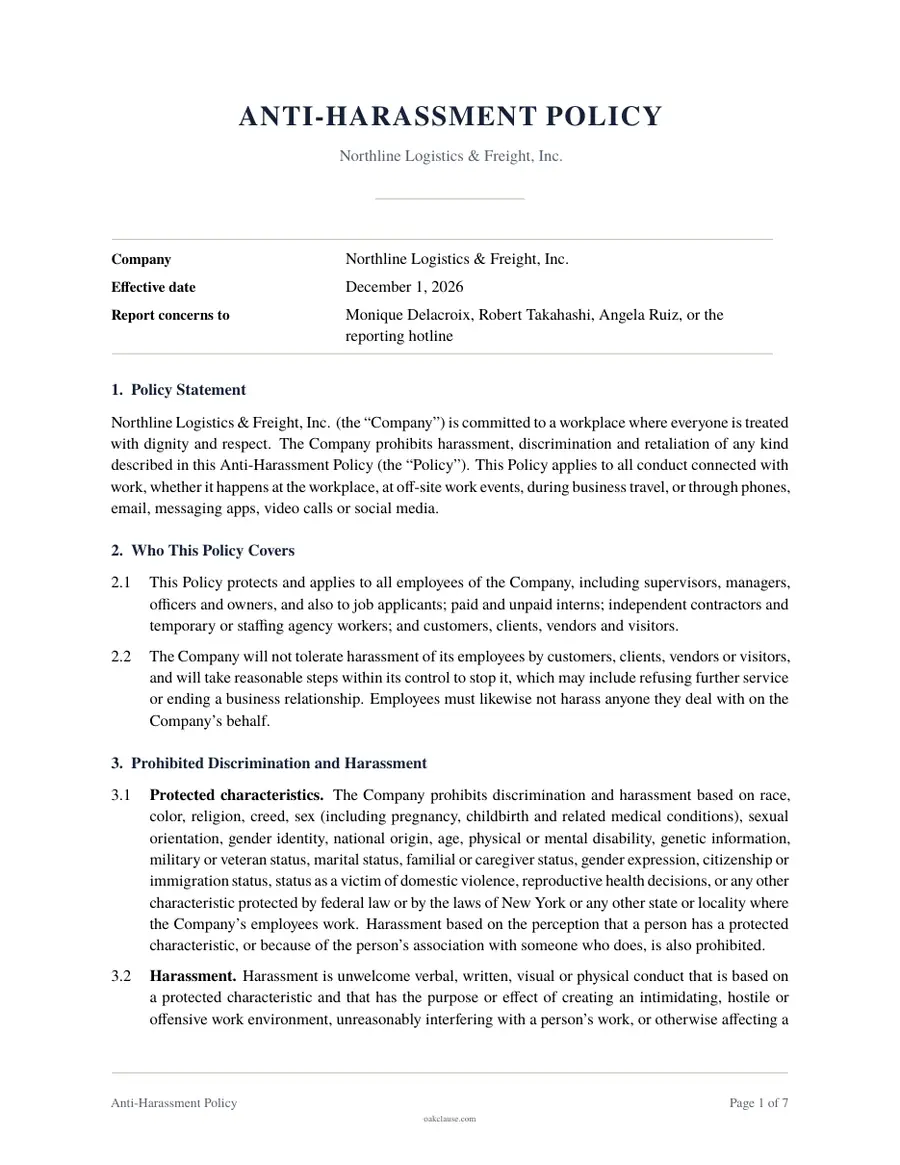
An anti-harassment policy should define prohibited conduct, give employees more than one way to report it, promise prompt investigation and prohibit retaliation. Several states require employers of certain sizes to provide harassment prevention training, so check local rules.
Remote work and technology
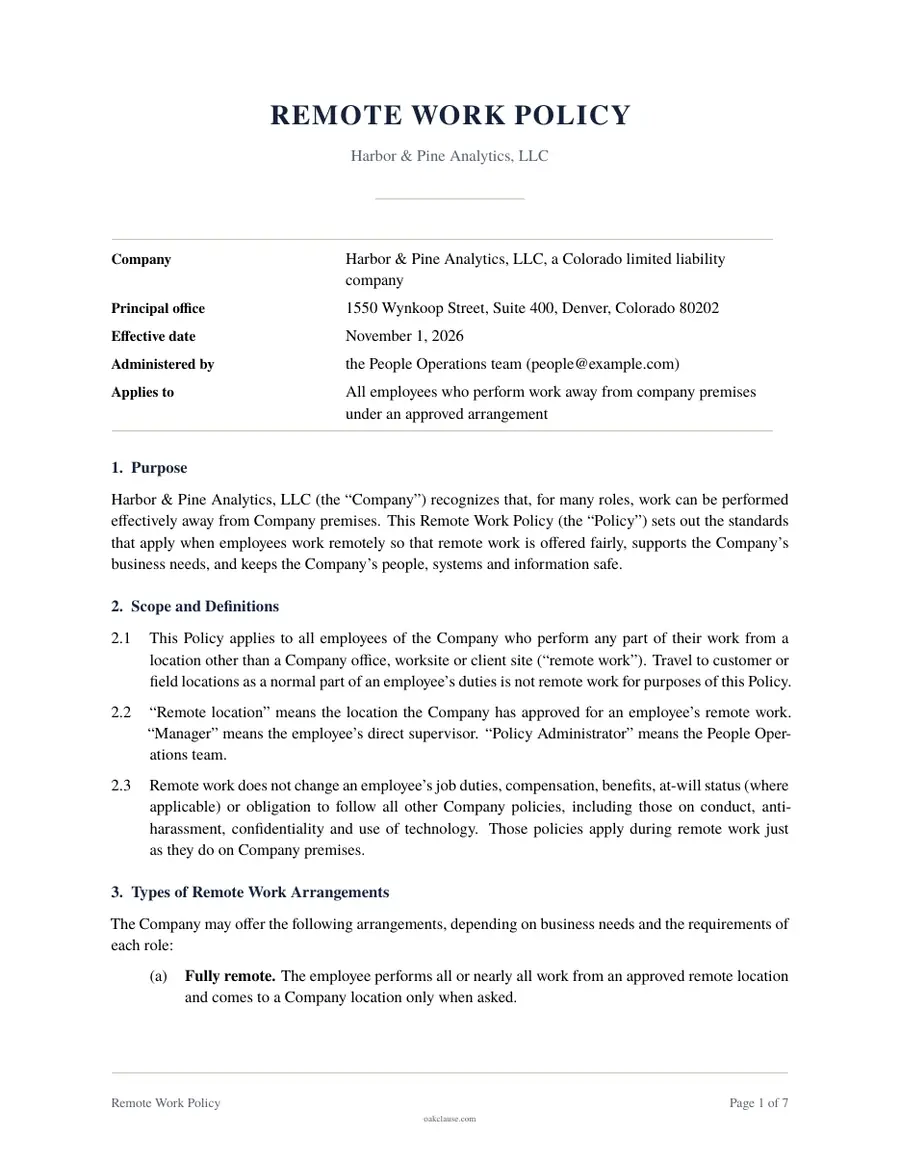
Remote and hybrid work raise questions about eligibility, expected hours, equipment, expense reimbursement and data security. A remote work policy answers them in advance. Some states require employers to reimburse necessary business expenses, which can include part of a home internet or phone bill.
Records and onboarding
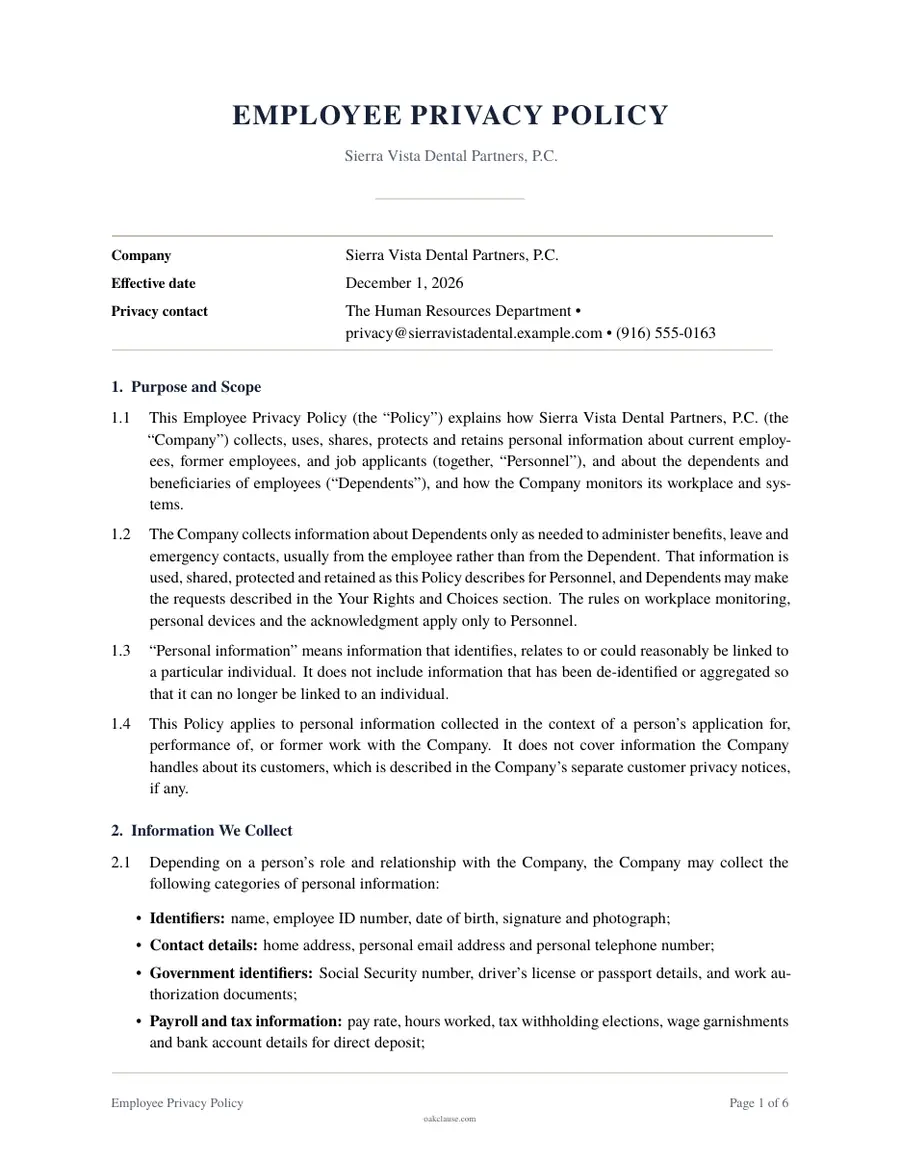
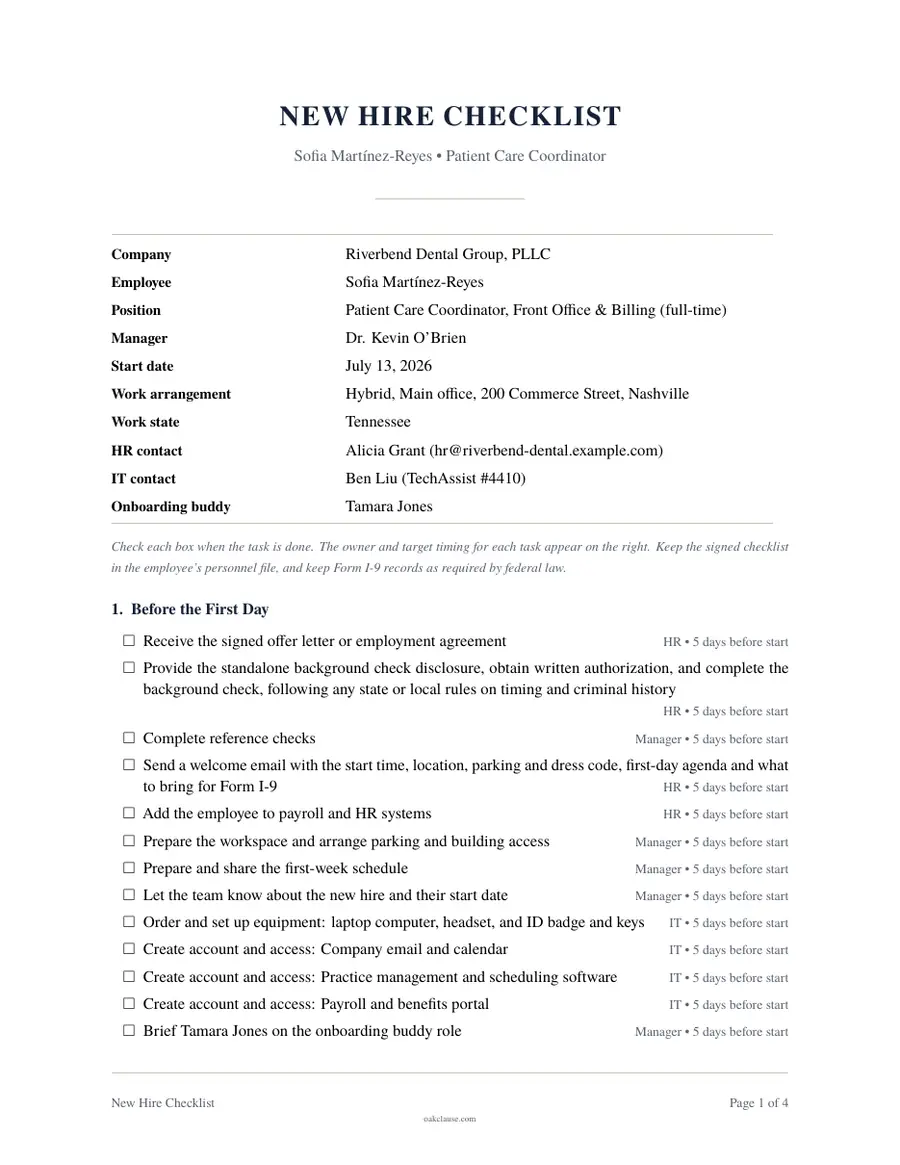
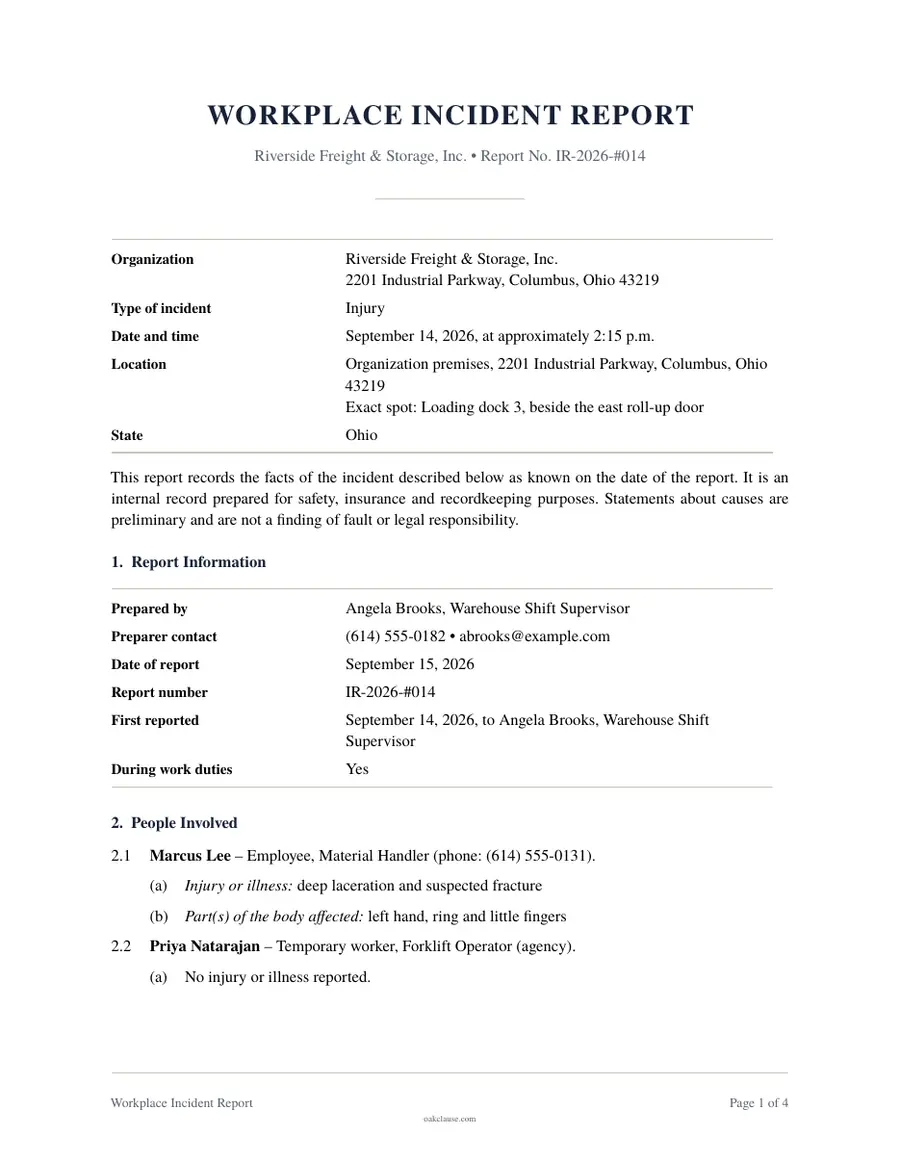
A new hire checklist keeps onboarding consistent. Incident reports capture the facts of workplace accidents quickly, which helps with workers' compensation claims and with any reporting obligations to workplace safety regulators.
Growing your team
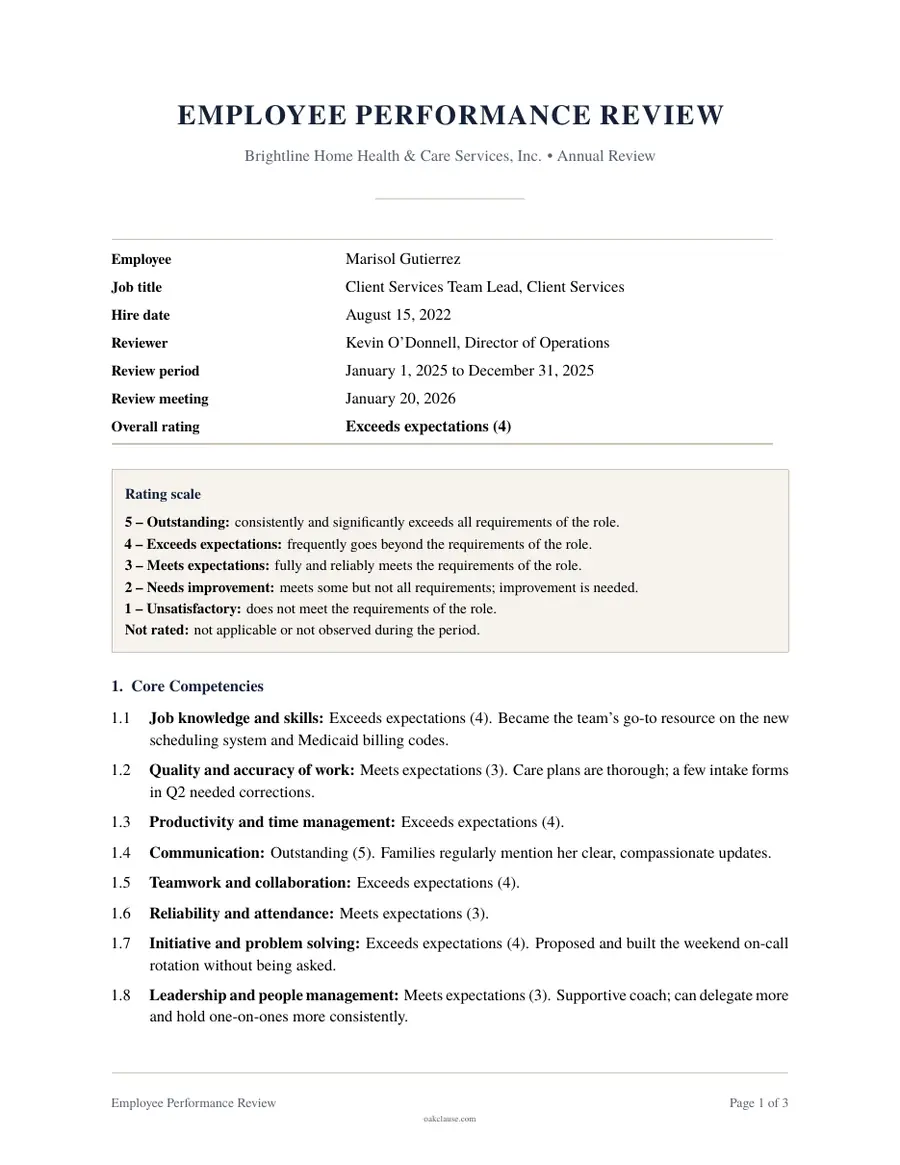
Some employment laws apply only once you reach a certain number of employees, and the thresholds differ between federal and state rules. As your headcount grows, revisit your policies to make sure they still fit. Training managers to apply policies consistently matters as much as the written policies themselves, because inconsistent enforcement undermines even a well-drafted handbook. Schedule a yearly review so policies keep pace with new laws and with how your team actually works.