Evicting a tenant is usually a last resort, and in every state it is a legal process with rules that must be followed precisely. A landlord who skips a step, uses the wrong notice or tries to remove a tenant without a court order can lose the case, delay the outcome by weeks or even owe the tenant damages. This guide walks through the general stages of a residential eviction so you know what to expect.
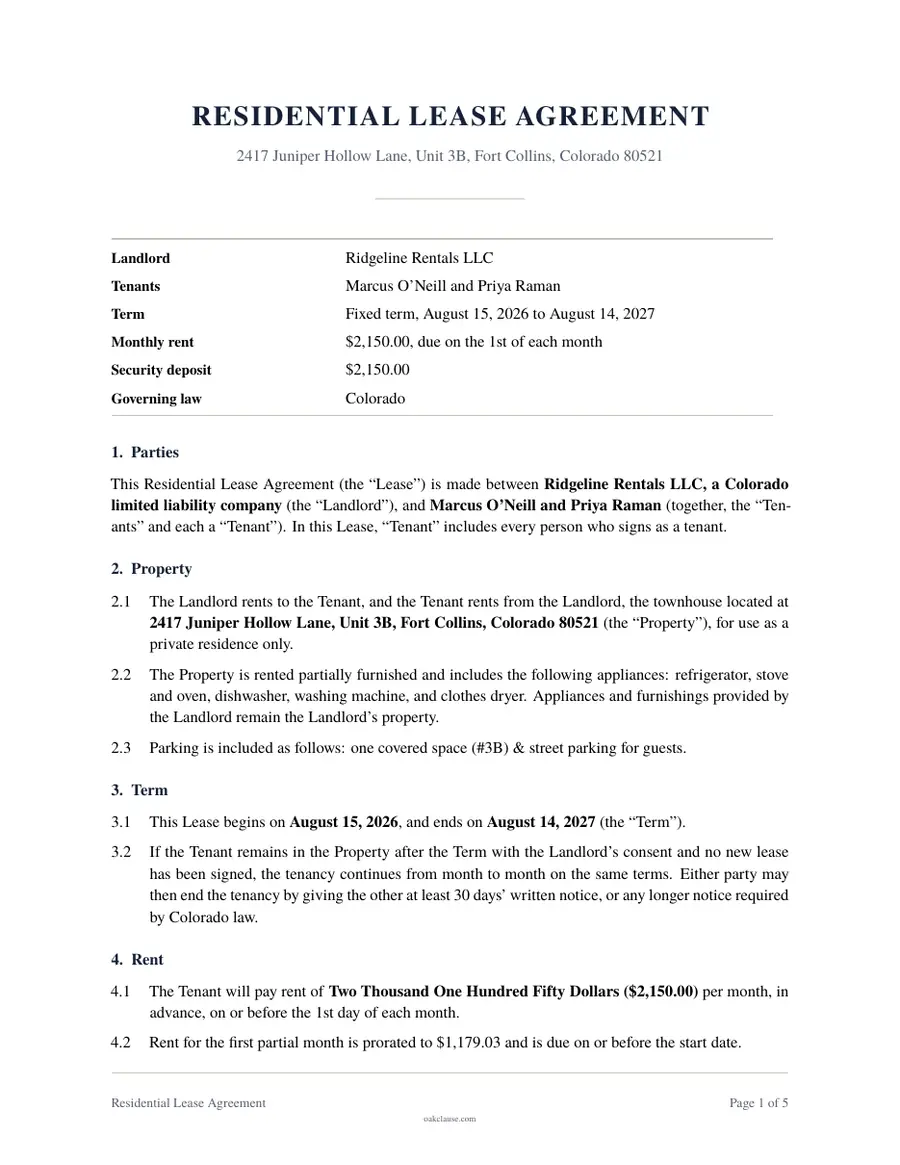
Start with the lease and the law
Eviction law is set mostly at the state level, and many cities and counties add their own rules. Some places require just cause for ending a tenancy, require relocation assistance in certain cases, or provide tenants with a right to counsel. Properties with federally backed mortgages or government housing assistance can be subject to additional notice requirements. Before taking action, check the lease, your state's landlord-tenant law and any local ordinances.
It is also worth asking whether eviction is the best route. A conversation, a payment plan or an agreement for the tenant to move out by a certain date (sometimes called cash for keys) can be faster and cheaper than going to court. Put any such agreement in writing.
Common grounds for eviction
Evictions generally fall into a few categories, each with its own notice requirements:
- Nonpayment of rent, the most common reason
- Violation of lease terms, such as unauthorized occupants, pets or nuisance behavior
- Illegal activity on the property
- Serious damage to the property
- Remaining after the lease has ended or after a valid notice ending a month-to-month tenancy
Step 1: Serve the right written notice
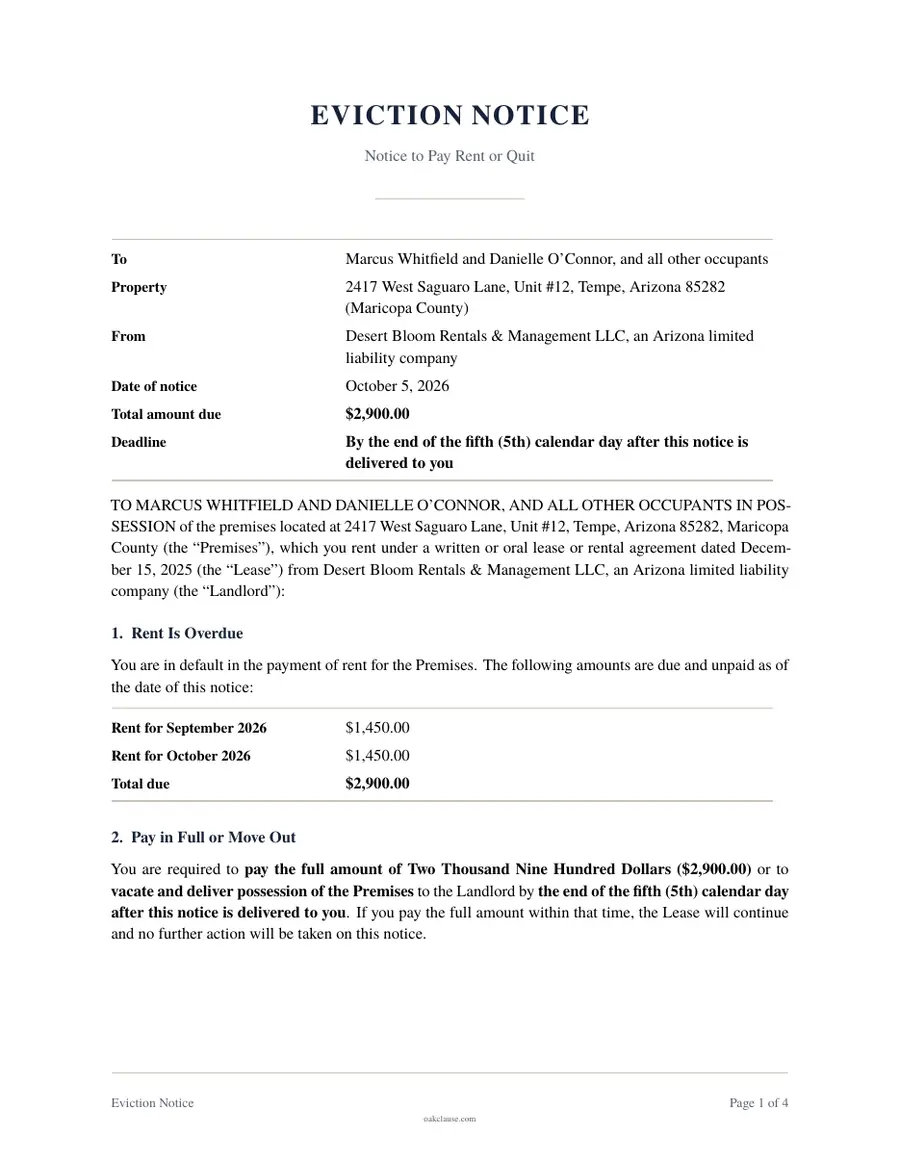
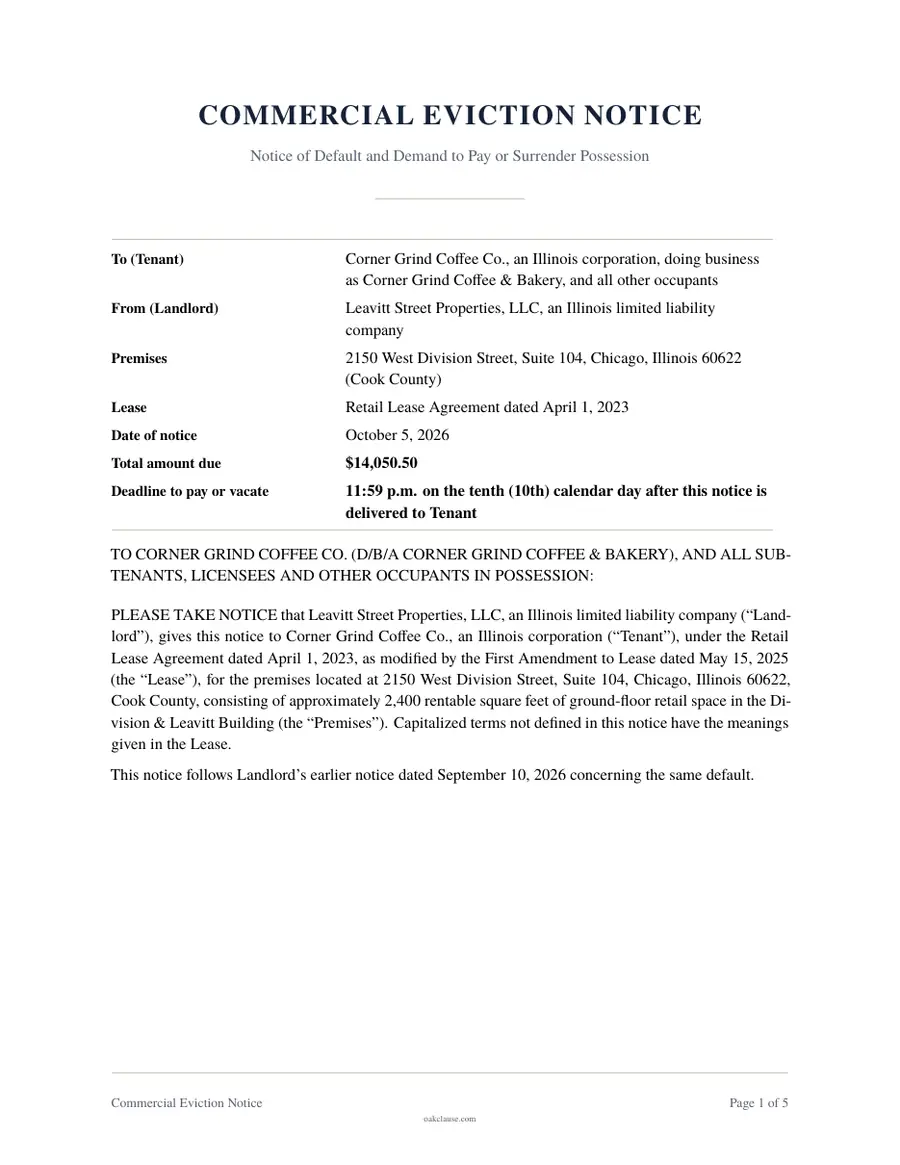
An eviction almost always begins with a written notice to the tenant. The type of notice, the time it gives the tenant and what it must say depend on the reason and the state. A notice for unpaid rent typically demands payment within a short period or the tenant must leave. A notice for a lease violation often gives the tenant a chance to fix the problem. Some serious violations allow an unconditional notice to vacate, and ending a month-to-month tenancy usually requires a longer notice.
Details matter. The notice usually must state the correct amount owed, which in many states may include only rent and not late fees or other charges, identify the property and tenants, and be delivered in a way state law allows, such as personal delivery, leaving it with an adult at the home, or posting and mailing. Keep a copy and a record of how and when it was served.
Step 2: File an eviction lawsuit
If the tenant does not pay, fix the problem or move out by the deadline, the landlord can file an eviction case, often called an unlawful detainer, summary possession or forcible entry and detainer action, in the appropriate local court. The filing typically includes a complaint, a copy of the lease, the notice and proof it was served, and a filing fee.
The tenant must then be formally served with the court papers, usually by a sheriff, marshal or professional process server, according to court rules. The landlord generally cannot serve the court papers personally.
Step 3: The tenant's response and the hearing
The tenant has a short period to respond, either by filing a written answer or by appearing in court, depending on the state. Eviction cases are usually handled faster than other civil cases. If the tenant does not respond or appear, the landlord may obtain a default judgment.
If the tenant contests the case, both sides present evidence at a hearing. Common tenant defenses include improper notice, acceptance of rent after the notice, failure to make required repairs, retaliation for complaints about conditions, and discrimination. Many courts encourage or require mediation before trial.
- Bring the lease and any amendments
- Bring the notice and proof of service
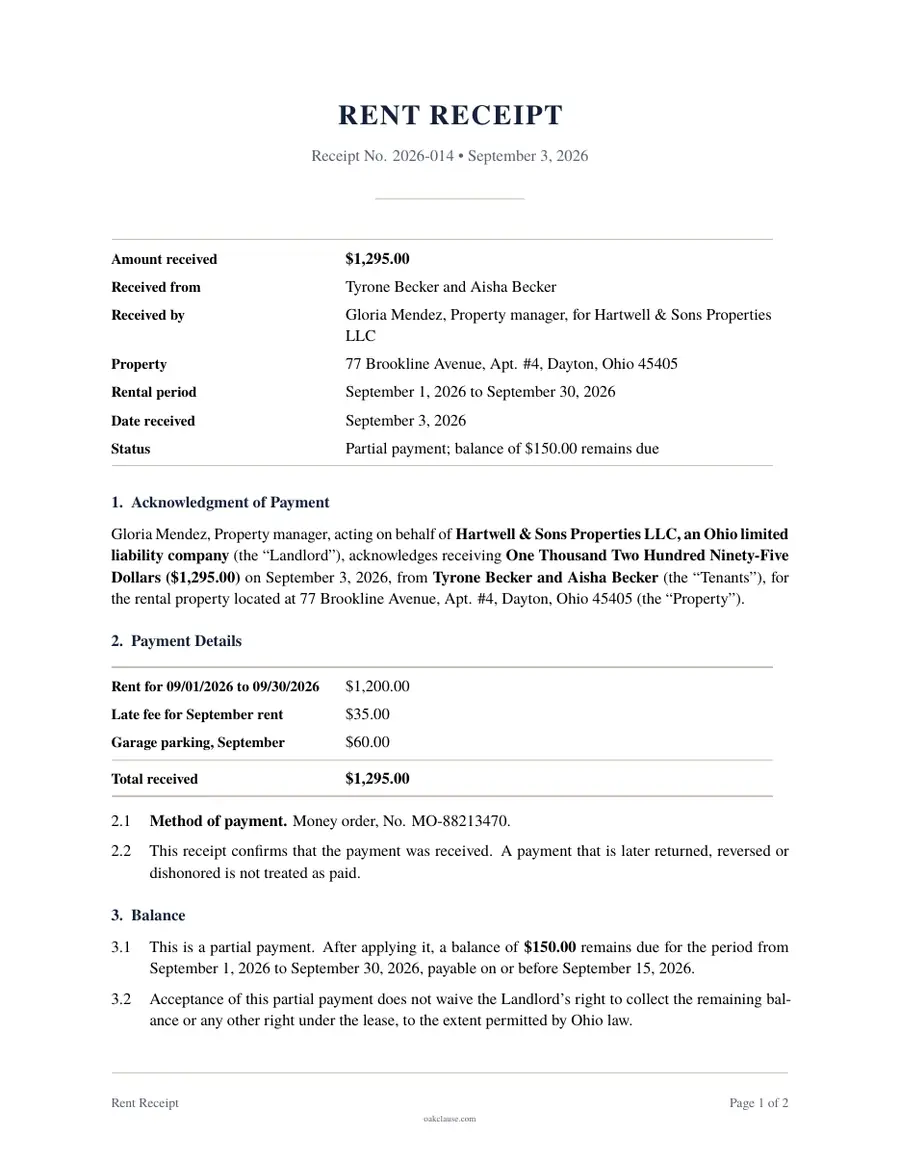
- Bring a rent ledger showing payments and amounts owed
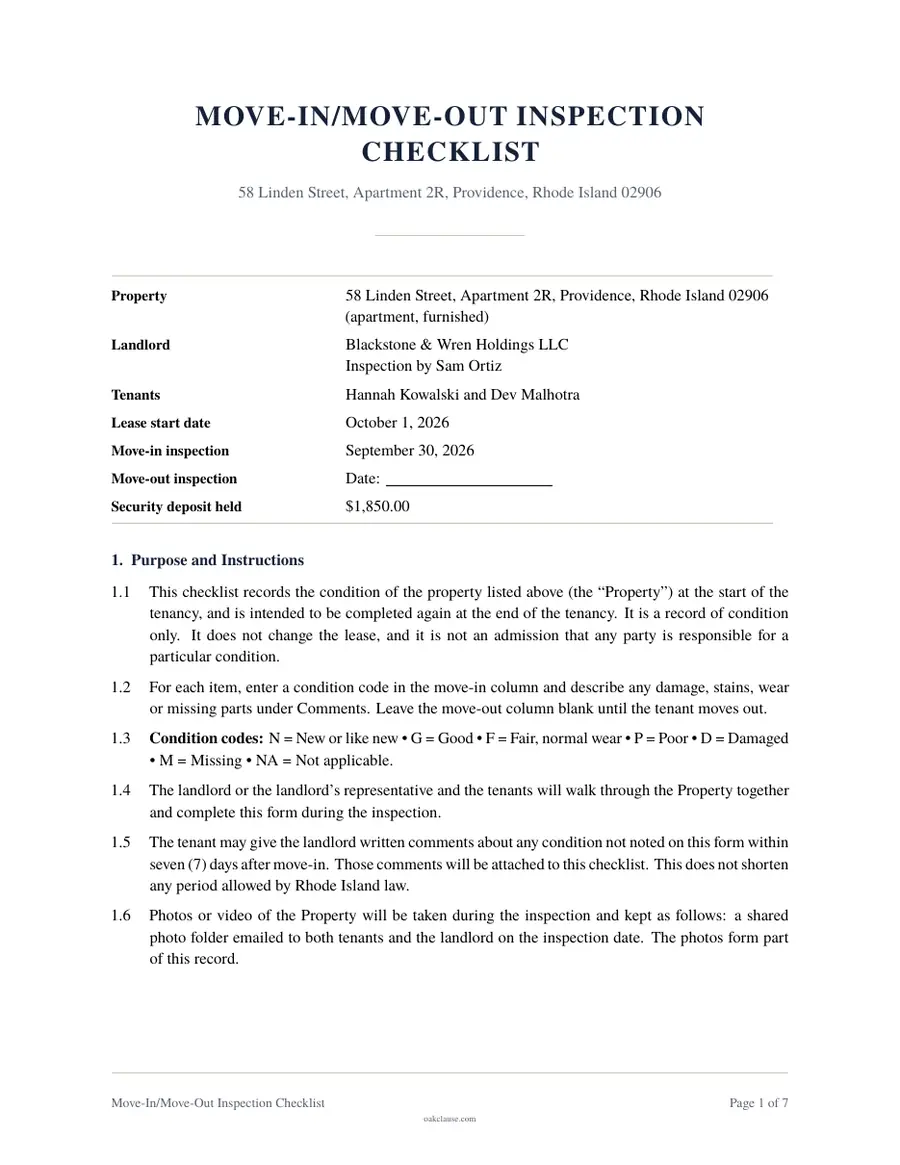
- Bring photos, inspection reports or communications supporting a violation
- Bring copies for the judge and the tenant
Step 4: Judgment and removal
If the landlord wins, the court enters a judgment for possession and may also award unpaid rent and costs. The tenant may be given a short period to move out voluntarily, and in some cases may appeal or ask for more time. If the tenant still does not leave, the landlord asks the court for a writ of possession or similar order. Only a law enforcement officer, such as a sheriff or marshal, can carry out the removal.
State law also governs what happens to belongings a tenant leaves behind, including notice requirements and how long the landlord must store them before disposal or sale.
What a landlord must never do
So-called self-help evictions are illegal in nearly every state. Even when the tenant owes rent, a landlord generally cannot take matters into their own hands. Doing so can expose the landlord to liability for damages, penalties and attorneys' fees, and may undermine an otherwise valid eviction case.
- Changing the locks or locking the tenant out
- Removing doors, windows or the tenant's belongings
- Shutting off water, power, heat or other utilities
- Threatening or harassing the tenant to make them leave
- Evicting in retaliation for complaints or because of a protected characteristic
Timelines and costs
An uncontested eviction can take a few weeks in some states and a few months in others; a contested case or an appeal can take longer. Costs include court and service fees, possibly attorney fees and the lost rent during the process. A money judgment for unpaid rent may be difficult to collect in practice.
Eviction checklist
Before and during the process, confirm that you have:
- Reviewed the lease, state law and local ordinances
- Considered a negotiated move-out or payment plan
- Used the correct notice type, timing and amount
- Served the notice properly and kept proof
- Filed in the right court with complete documents
- Arranged formal service of the court papers
- Prepared evidence for the hearing
- Left removal to law enforcement after a court order
- Followed state rules for abandoned property and the security deposit