Becoming a landlord can be a good way to earn income from a property, but it is also a business with legal duties. This checklist walks through the main steps, from preparing the home to handing over the keys.
1. Check that you are allowed to rent
Before advertising, confirm that nothing stops you from renting the property. Mortgage terms may require lender consent for rentals, homeowners' and condominium associations often restrict leasing or short-term rentals, and many cities require a rental registration, license or inspection before a tenant moves in.
2. Update your insurance
A standard homeowner's policy usually does not cover a home rented to others. Ask your insurer about a landlord or dwelling policy that covers the structure, loss of rental income and liability. Many landlords also require tenants to carry renters insurance for their own belongings and liability.
3. Make the home safe and habitable
Nearly every state requires rental homes to meet basic habitability standards, such as working plumbing, heat, hot water, electricity and secure doors and windows, along with local building and health codes. Test smoke and carbon monoxide detectors and fix safety hazards before showing the property.
If the home was built before 1978, federal law requires you to disclose known lead-based paint hazards and give tenants the federal lead safety pamphlet before they sign.
4. Set the rent and your screening criteria
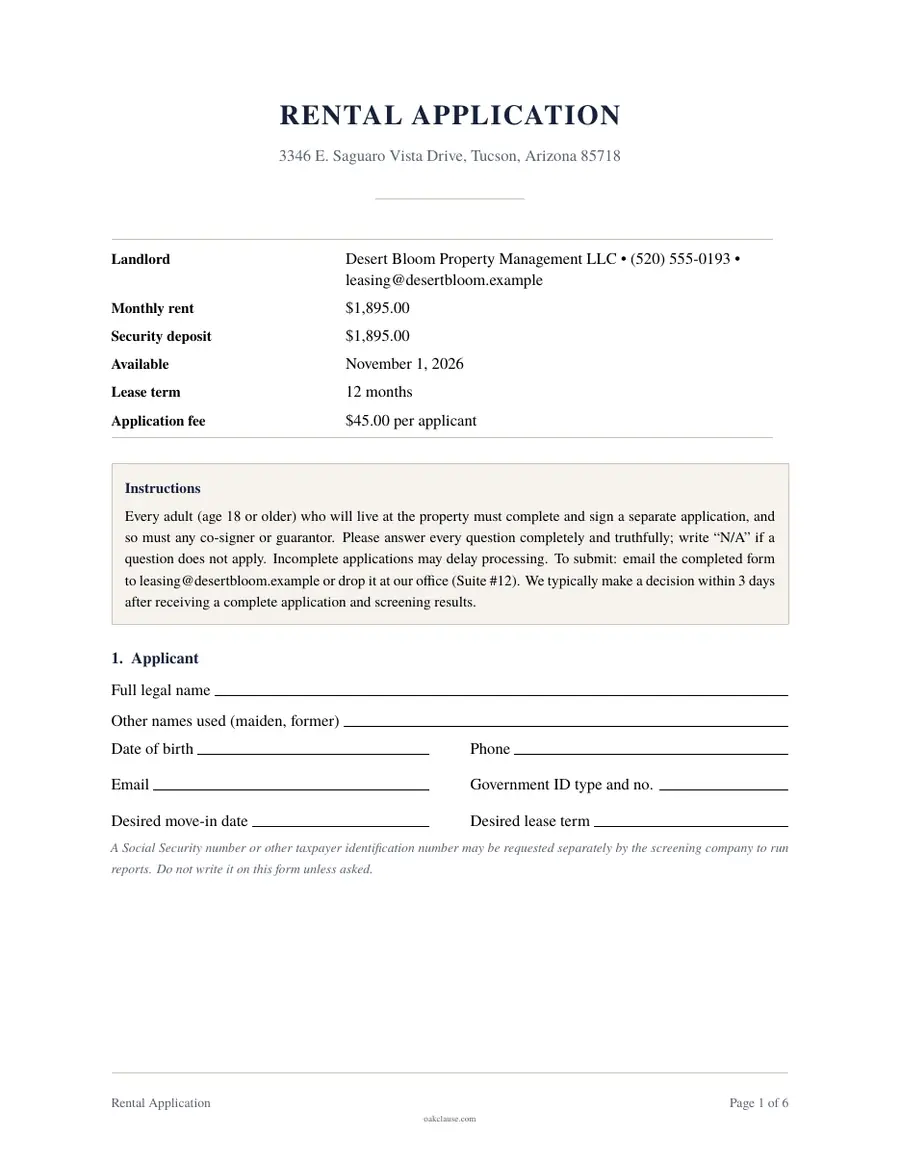
Look at comparable rentals nearby to set a realistic rent. Then decide your screening criteria in writing, such as minimum income relative to rent, rental history and credit standards, and apply them the same way to every applicant.
Fair housing laws prohibit discrimination based on race, color, national origin, religion, sex, familial status and disability, and many states and cities add protections, for example for source of income. Some places also limit application fees or how criminal history can be considered.
- Use a written rental application for every applicant
- Get written consent before running credit or background checks
- Keep notes on why each applicant was approved or declined
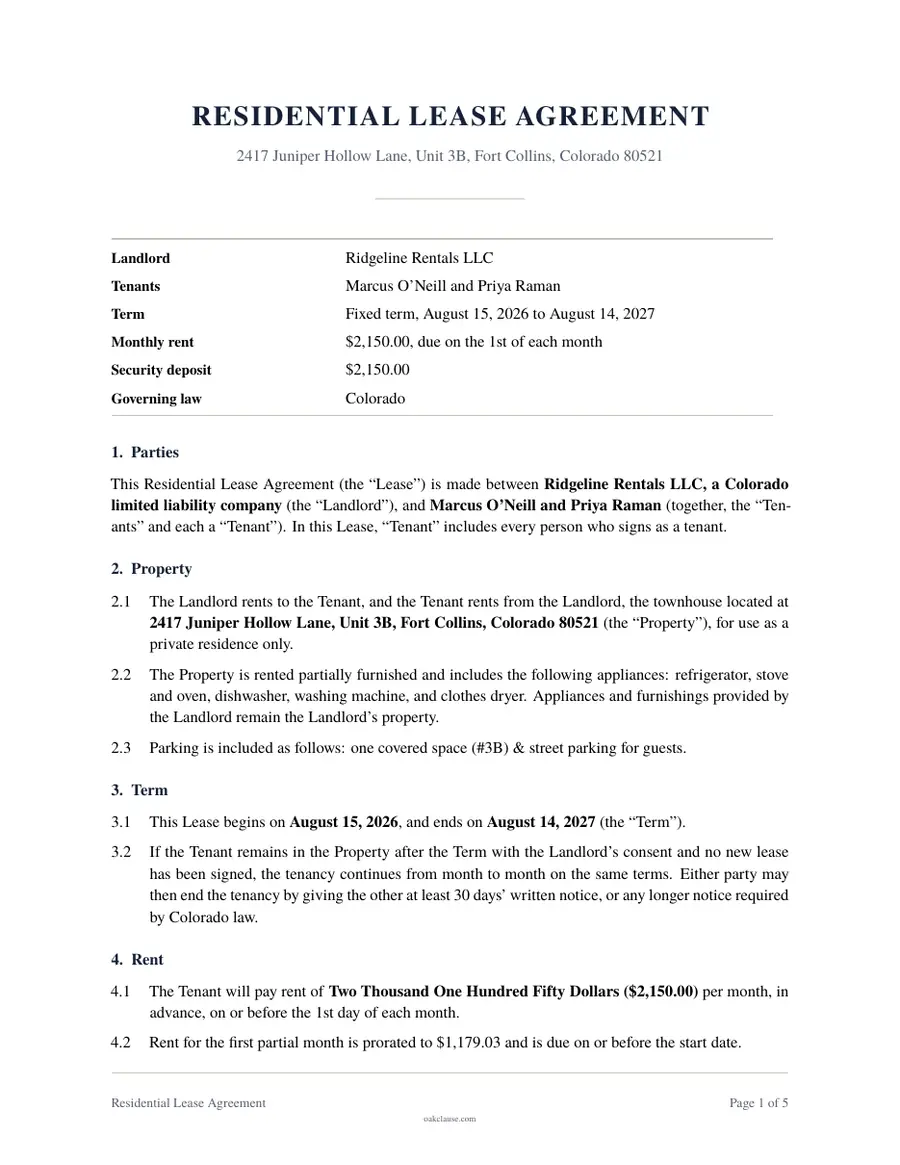
5. Put the lease in writing
A written lease protects both you and your tenant. It should cover the rent and due date, late fees, the security deposit, the length of the tenancy, who pays utilities, maintenance responsibilities, rules about pets, smoking and guests, and how either side can end the tenancy.
Landlord-tenant rules vary by state, so make sure the lease reflects the state where the property is located. Every adult who will live in the home should sign it.
6. Handle the security deposit correctly
Many states cap how much you can collect as a deposit, regulate where it is held, and require you to return it, minus itemized deductions, within a set period after the tenant moves out. Some require interest to be paid. Learn your state's rules before you collect any money.
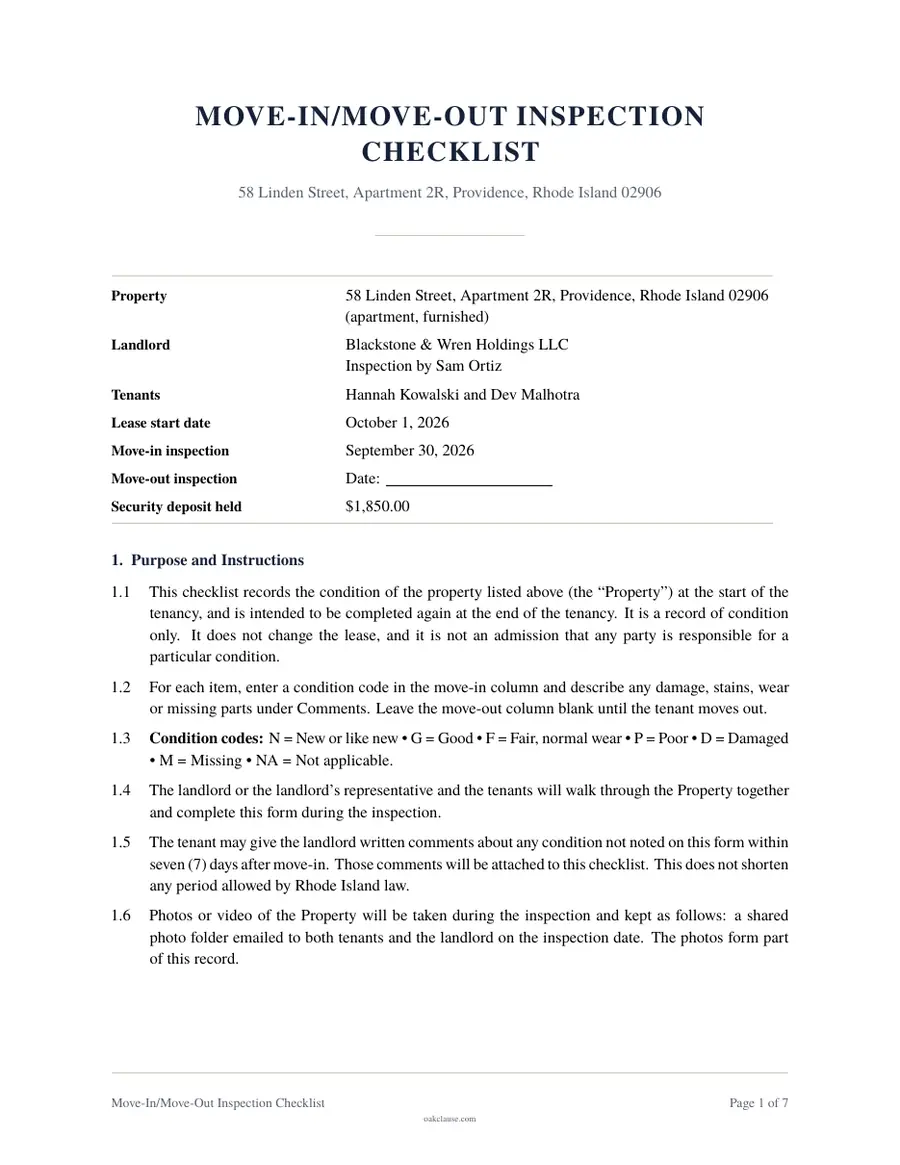
7. Document move-in
Walk through the home with your tenant using a move-in inspection checklist, note the condition of each room, and take dated photos. Both of you should sign the checklist. This record is your best evidence if you later need to deduct for damage beyond normal wear and tear.
8. Keep good records
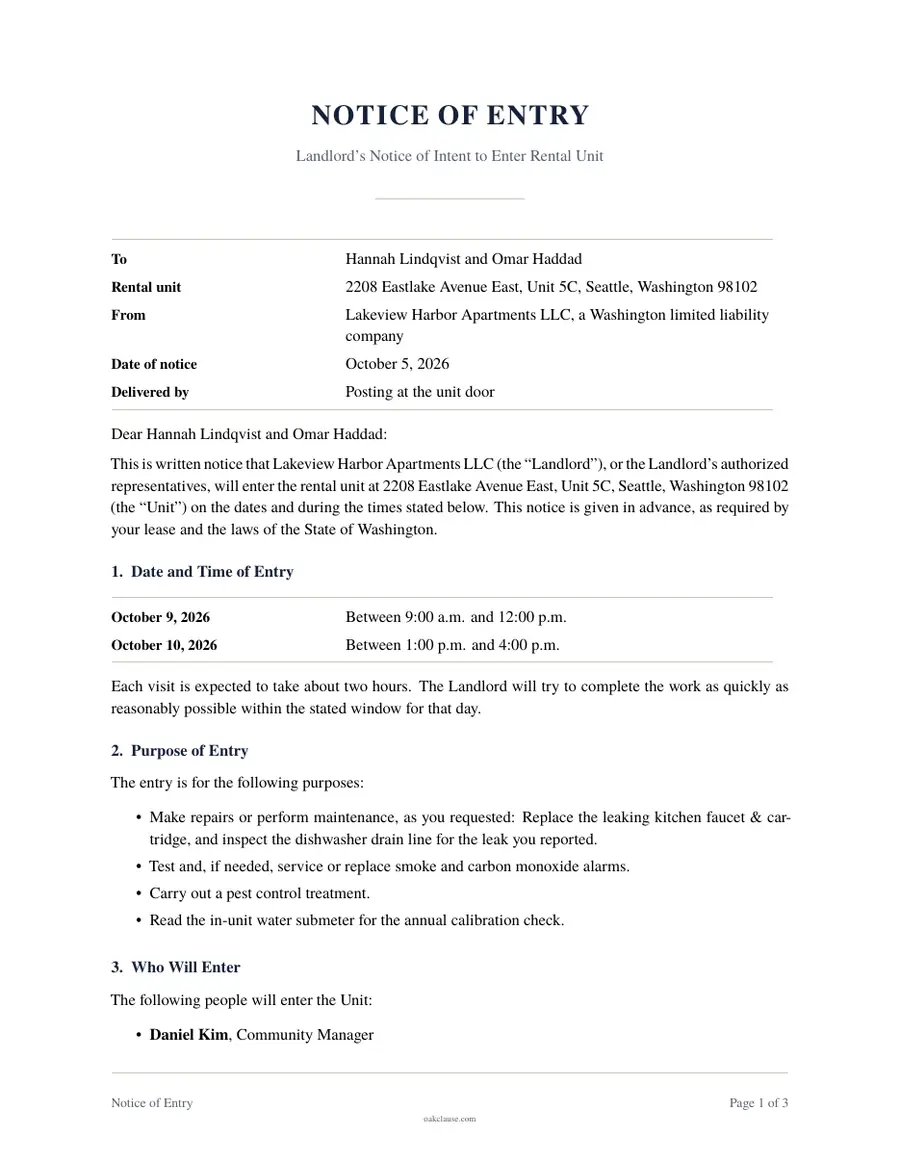
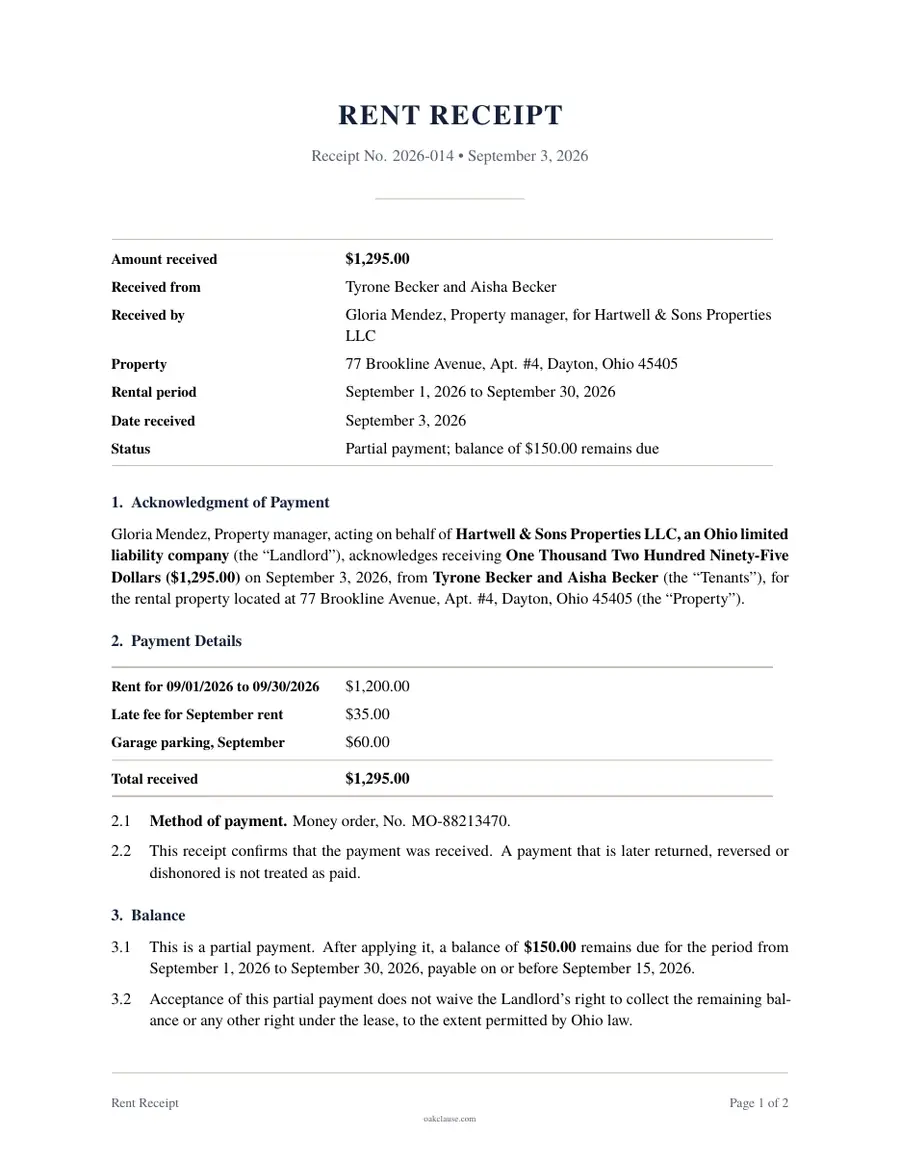
Track rent payments, repair requests and expenses from day one. Give receipts for cash payments, respond to repair requests promptly and in writing, and give proper notice before entering the home. Rental income and expenses also need to be reported on your tax return, so keep receipts organized throughout the year.