Rent-to-own arrangements let someone live in a home as a tenant now while securing the chance, or the obligation, to buy it later. They can help buyers who need time to save a down payment or improve their credit, and sellers who want steady income and a motivated occupant. They can also go badly for either side if the terms are vague. This guide explains the main structures and what to look for.
The two main structures
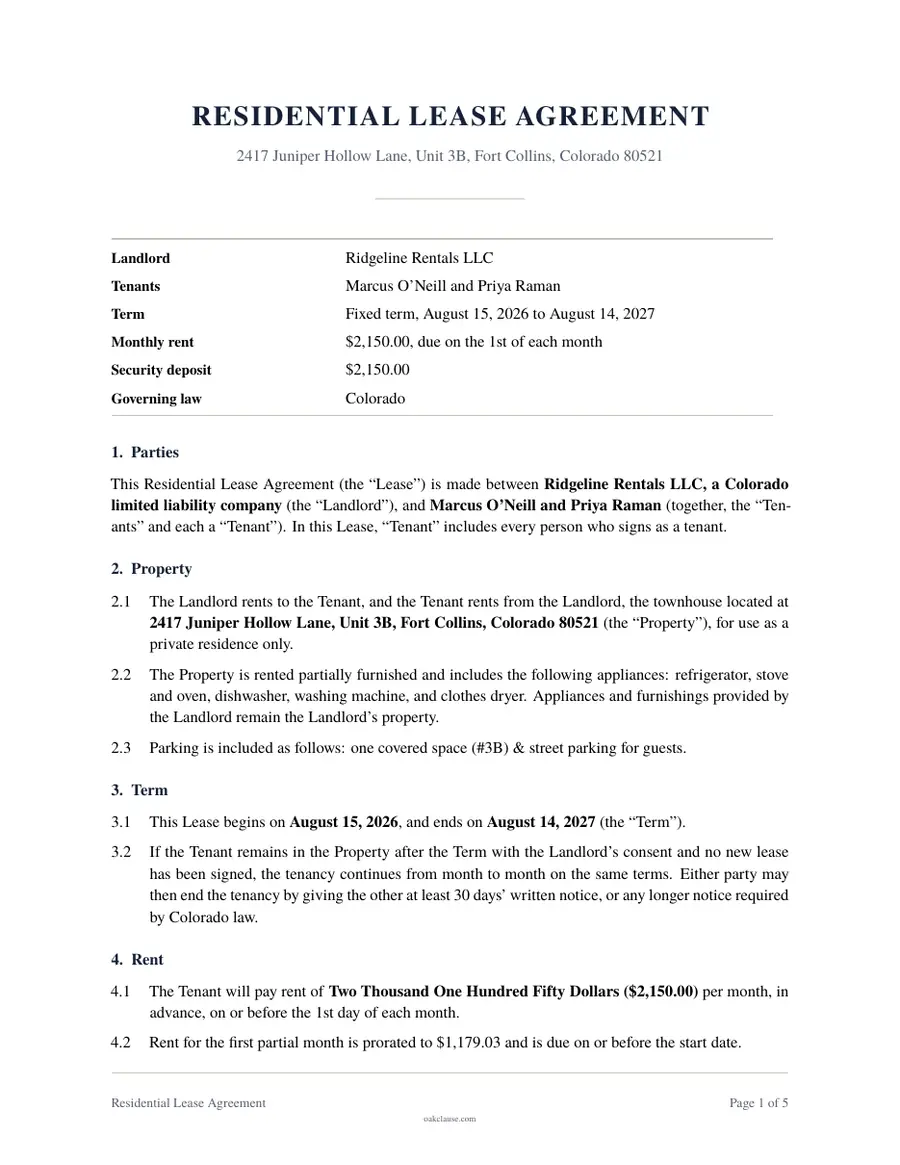
Rent-to-own is a marketing term rather than a legal one, and it covers a few different arrangements. The two most common pair a lease with a separate purchase right.
- Lease with an option to purchase: the tenant pays for the right, but not the obligation, to buy the home at an agreed price within a set period. If the tenant decides not to buy, they usually lose the option fee and any rent credits but owe nothing more.
- Lease-purchase agreement: the tenant commits to buying the home at the end of the lease. If they fail to close, they may be in breach of contract and face more serious consequences than losing an option fee.
How the money usually works
Rent-to-own deals involve a few payments beyond ordinary rent. Each should be described precisely in writing.
- Option fee: an upfront, usually non-refundable payment for the purchase right. It is often credited toward the price if the buyer completes the purchase.
- Monthly rent: frequently set above market rent, with the extra portion treated as a rent credit.
- Rent credits: the portion of each payment that will reduce the purchase price or count toward the down payment at closing, often only if every payment was made on time.
- Purchase price: either fixed when the agreement is signed or set by an appraisal near the time of purchase.
Potential advantages
For a buyer, rent-to-own can provide time to build savings and credit while living in the home they hope to own. A fixed price can protect against rising values, and living in the home first is a long, practical test of the house and neighborhood.
For a seller, the arrangement can produce income from a property that is slow to sell, attract occupants who have a reason to care for it, and in some cases defer the sale. The option fee provides compensation if the buyer walks away.
Risks to understand
Most problems arise because buyers expect to qualify for a mortgage later and then do not, or because the paperwork leaves key questions open.
- Losing the option fee and rent credits if the buyer cannot get financing in time
- Paying above-market rent for years without completing a purchase
- A seller who falls behind on their own mortgage, leading to foreclosure while the buyer lives in the home
- Liens, judgments or title problems that make the home impossible to sell as promised
- Unclear maintenance duties, leaving the tenant-buyer paying for major repairs on a home they do not own
- The home appraising below the fixed price, so a lender will not finance the full amount
- For sellers, a tenant who damages the property or a lengthy process to remove an occupant who neither buys nor leaves
How rent-to-own differs from a contract for deed
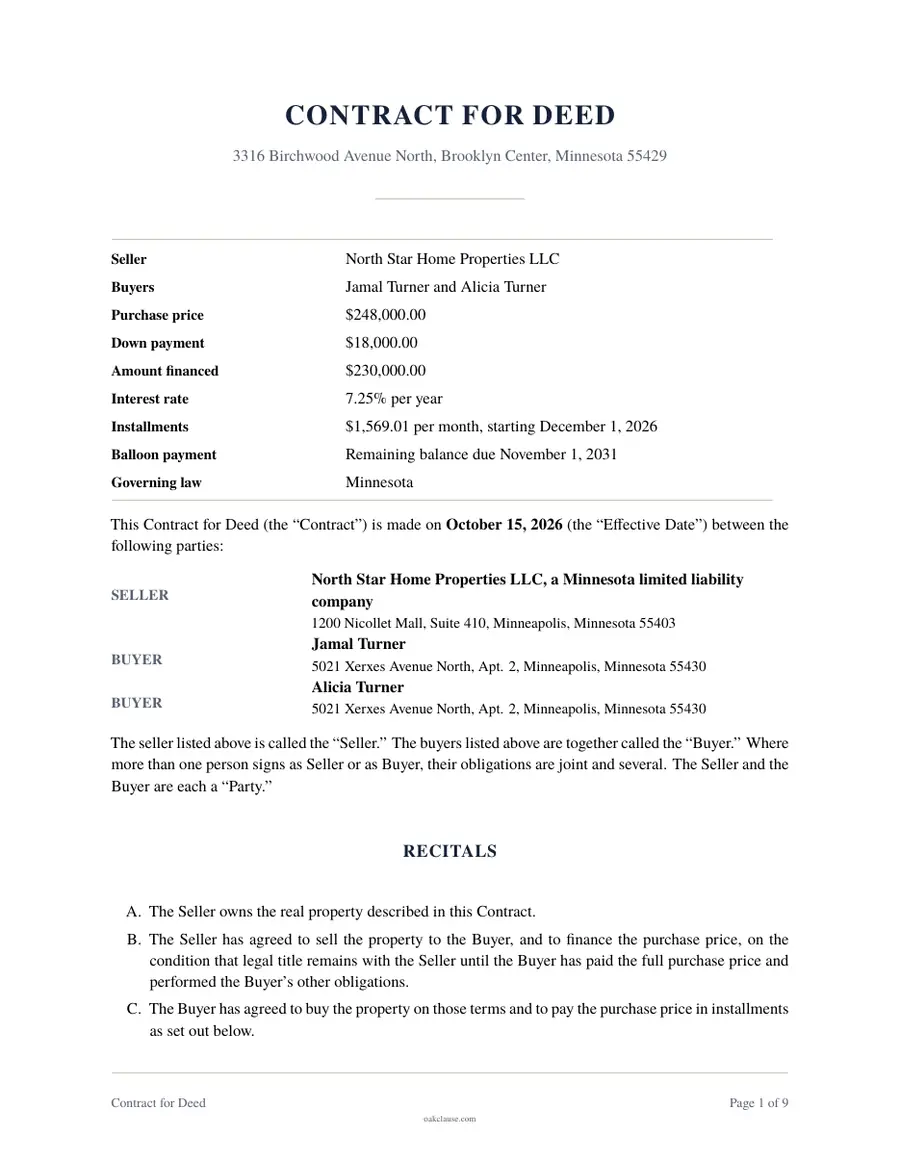
A contract for deed, also called a land contract or installment sale, is a form of seller financing rather than a lease. The buyer agrees to buy, takes possession and pays the purchase price to the seller in installments, while the seller keeps legal title until the final payment. The buyer usually takes on the responsibilities of ownership, such as taxes, insurance and repairs.
Because buyers under these contracts have sometimes lost everything after missing a payment, a number of states regulate them, for example by requiring disclosures, recording, or a formal process before the seller can cancel. Know which arrangement you are signing up for.
Due diligence for buyers
Treat a rent-to-own home as seriously as an outright purchase, because you may be investing a large amount of money in it.
- Get a professional home inspection before signing
- Order a title search to confirm the seller owns the home and check for liens
- Ask whether the seller has a mortgage and whether the lender allows the arrangement
- Check property tax and HOA payments are current
- Talk to a lender early about what you need to qualify by the purchase date
- Consider recording a memorandum of the option in the county land records, where permitted, to put others on notice of your rights
What the agreement should cover
Many deals use a residential lease plus a separate option or purchase agreement. Whatever the format, the terms should leave no doubt about the following points.
- Whether the buyer has an option or an obligation to buy
- The purchase price or how it will be determined
- The option period and the deadline and method for exercising the option
- The option fee and whether it is credited at closing
- The amount of rent credits and conditions for earning them
- Who pays for maintenance, repairs, property taxes, insurance and HOA dues
- What happens to the fee and credits if the buyer does not buy or defaults on rent
- What happens if the home is damaged or destroyed before closing
- Whether the seller can sell or refinance the property during the lease
- Required disclosures, such as lead-based paint for older homes
State rules and taxes
Landlord-tenant law applies to the lease portion, so tenant protections such as security deposit limits and eviction procedures generally still apply. Some states also treat long-term rent-to-own arrangements, especially those with large upfront fees, as sales subject to additional protections. The tax treatment of option fees and rent credits can be complex for both parties, so it is worth asking a tax professional how they will be reported.