Most travel checklists stop at passports and packing. But a long trip abroad is also a good moment to make sure that, if something unexpected happens, the people you trust can act for you, care for your family and find what they need. This checklist covers the legal and emergency preparation worth doing before you go.
Why prepare before you leave
Being thousands of miles away makes ordinary problems harder. A bill that needs paying, a property issue, a sick relative or a medical emergency of your own can be difficult to handle across time zones, especially if you are unreachable or unable to communicate. A few documents, prepared calmly in advance, allow someone at home to step in without needing a court's permission.
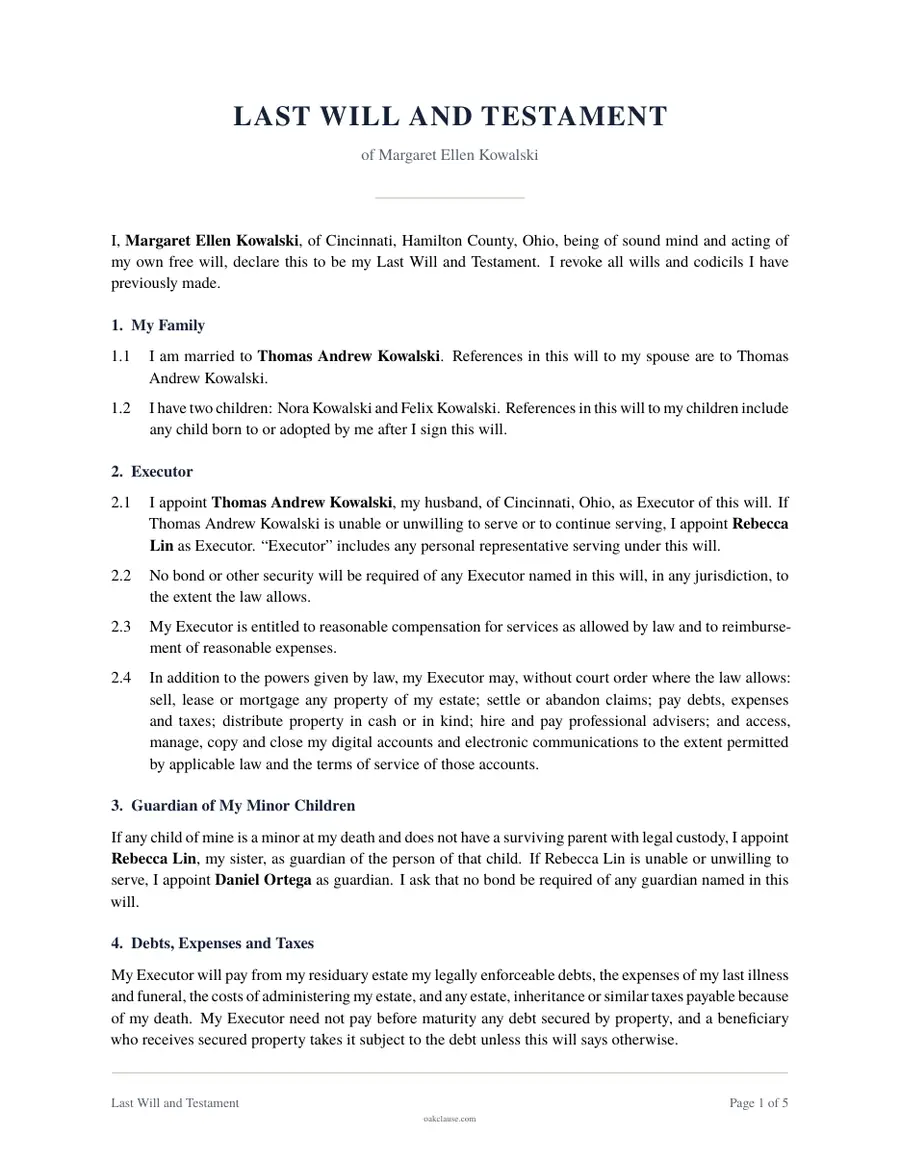
1. Make or update your will
A will states who receives your property and, for parents of minor children, whom you nominate as guardian. Without one, state law decides who inherits and a court chooses a guardian. If you already have a will, check that it still reflects your wishes, especially after a marriage, divorce, birth or move to another state.
Review beneficiary designations at the same time. Life insurance, retirement accounts and payable-on-death bank accounts pass to the named beneficiaries regardless of what your will says, so make sure those names are current. Tell your executor where the original will is kept.
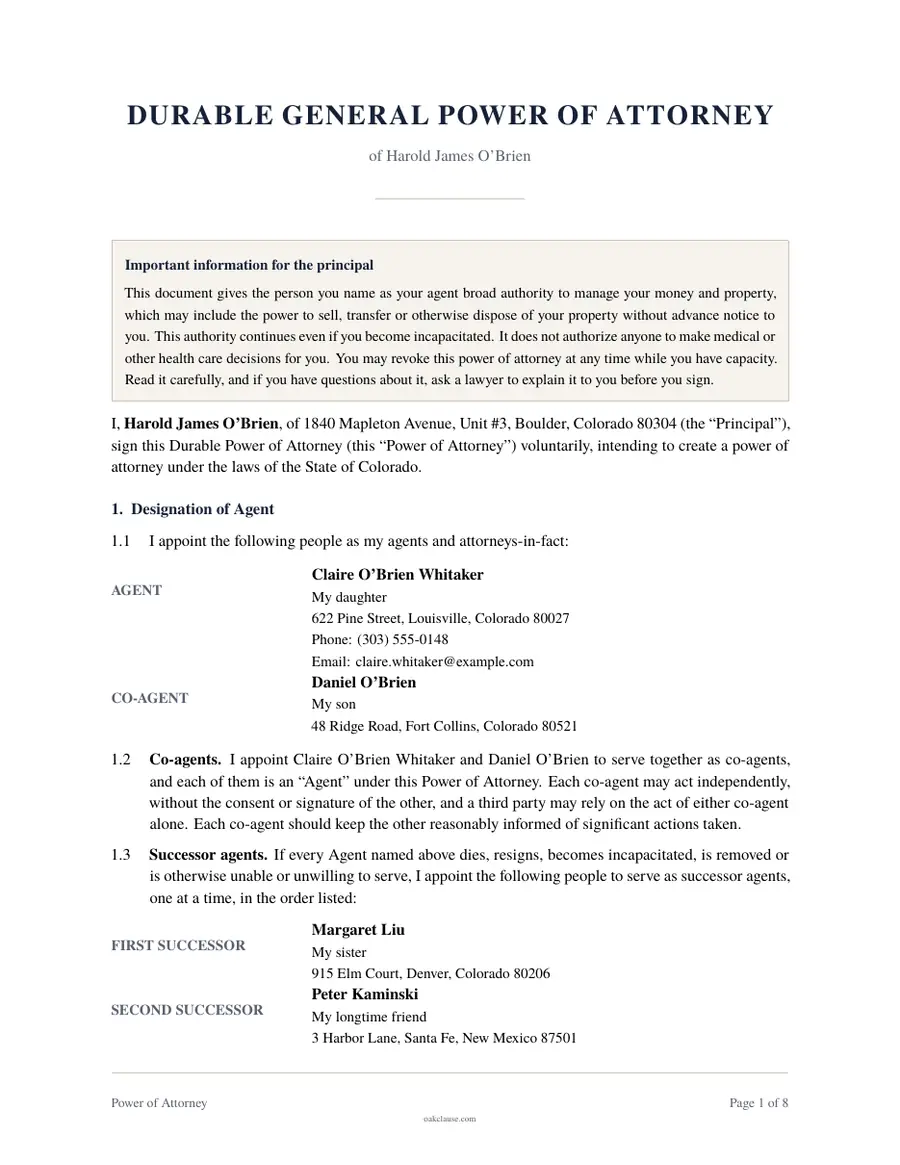
2. Sign a financial power of attorney
A durable financial power of attorney lets someone you choose handle your money and property: paying bills, managing accounts, dealing with tax authorities or signing documents for a property transaction. You can make it effective immediately or only if you become incapacitated, and you can limit it to particular tasks or a particular trip.
Banks and other institutions sometimes have their own forms or review requirements, so it can help to give your bank a copy before you leave. If you will be away for months, consider whether your agent needs authority over specific accounts, a business or real estate.
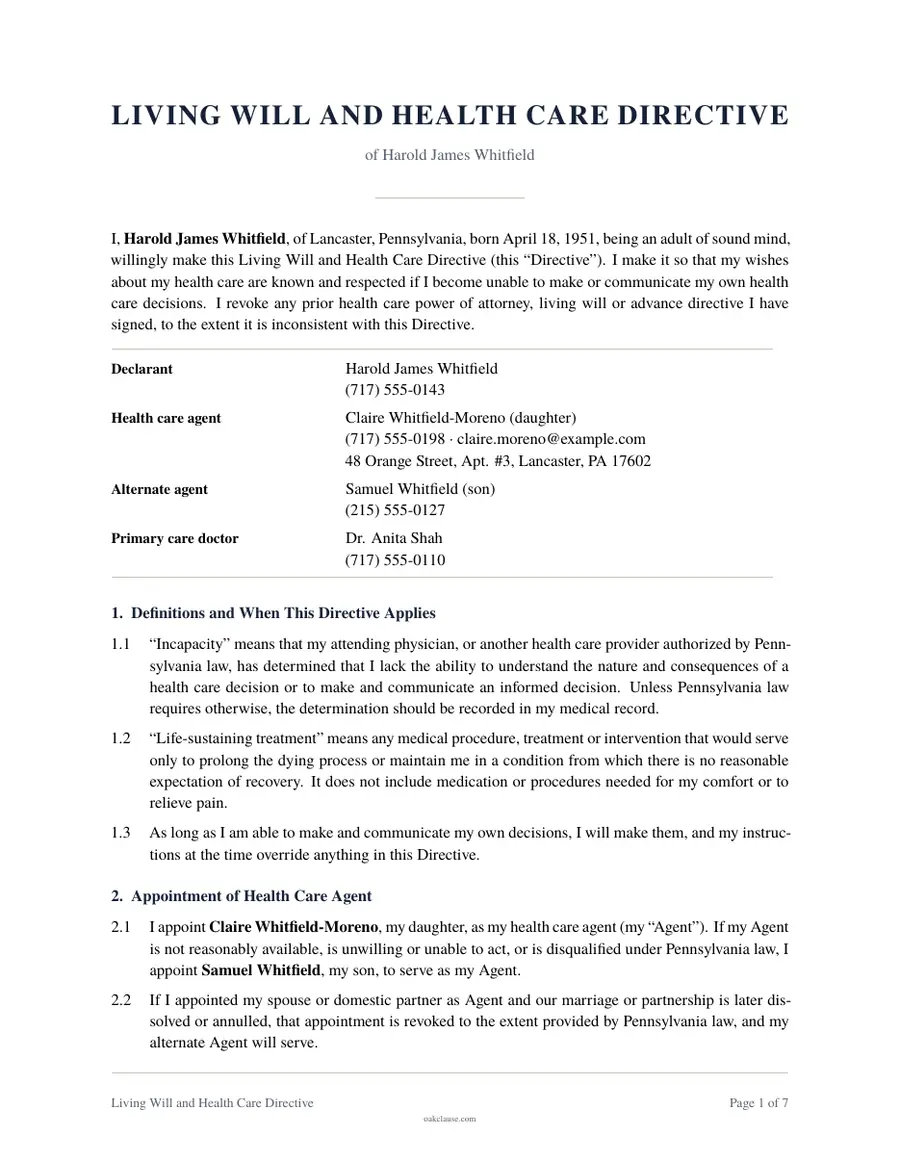
3. Put health care wishes in writing
A health care directive usually combines a living will, which records your wishes about life-sustaining treatment, with a health care power of attorney naming someone to make medical decisions if you cannot. Foreign hospitals may not be bound by a US document, but a clear written statement of your wishes and the name of your decision-maker can still guide doctors and your family.
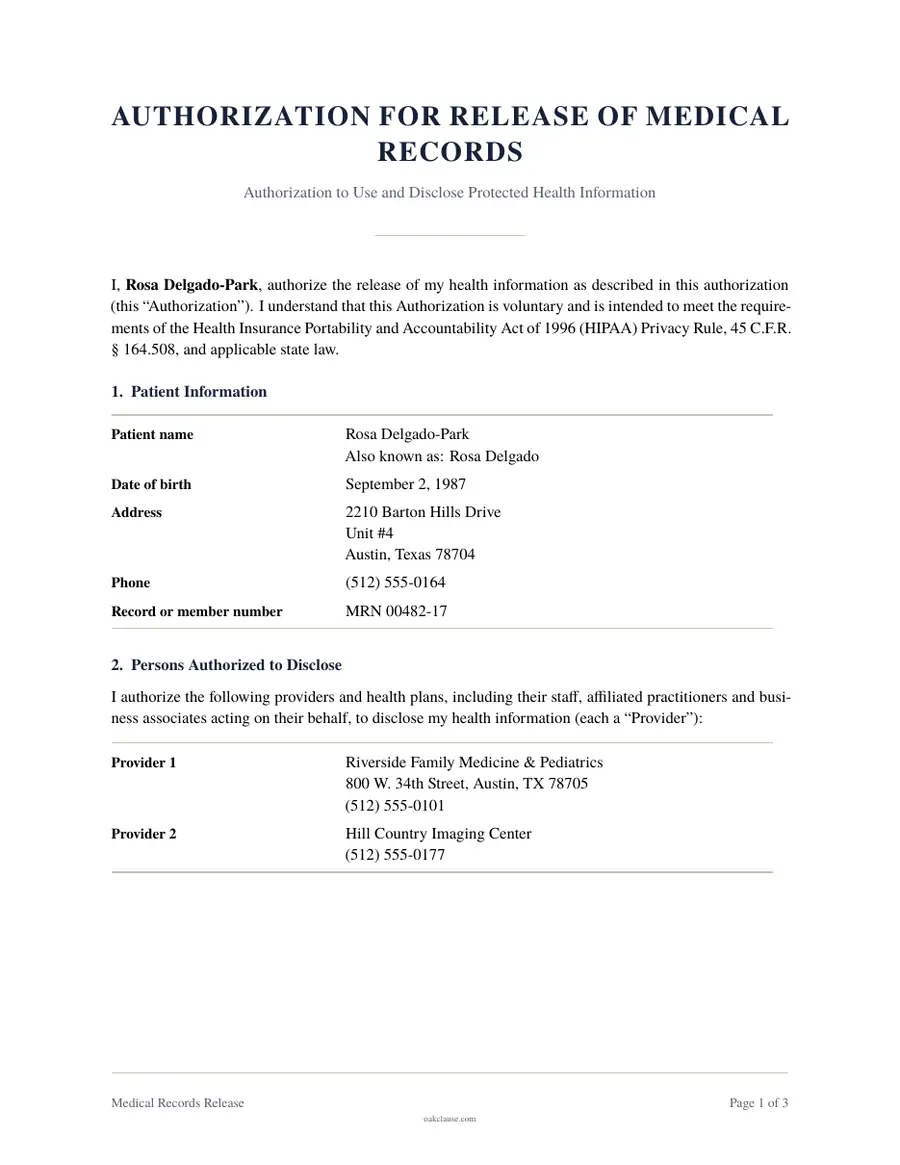
Carry copies, including a digital copy you can access from your phone, and make sure your health care agent knows your wishes. A signed medical records release lets your agent or family obtain information from your US doctors if needed.
4. Plan for children, dependents and pets
If your children are staying home with a relative or friend, give that caregiver a medical consent form and, for longer absences, consider a power of attorney for a child so they can deal with schools and doctors. Leave a list of routines, allergies, medications and emergency contacts. If your children travel with you but with only one parent, carry a consent letter from the other parent.
Make arrangements for anyone who depends on you, such as an elderly parent, and write down care instructions and veterinary details for pets.
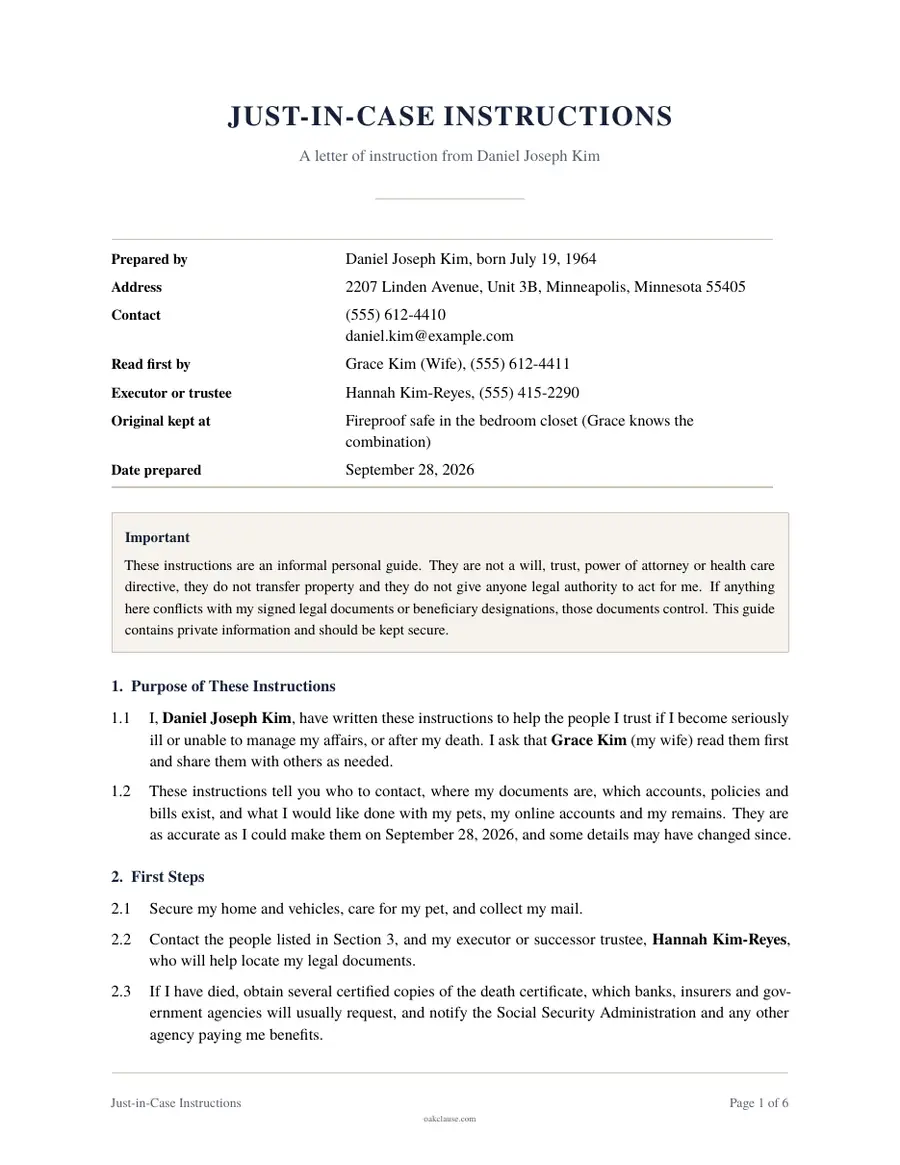
5. Prepare just-in-case instructions
Legal documents give people authority. Practical instructions tell them where to find things. A just-in-case file is a single place listing what someone would need to manage your affairs, and it is useful whether or not anything goes wrong.
- Where your will, powers of attorney and directives are kept
- Banks, investment accounts, insurance policies and advisors
- Recurring bills and how they are paid
- Property details: keys, alarm codes, utility providers and mortgage information
- How trusted people can access important digital accounts, without writing passwords in an unsecured place
- Contact details for your attorney, accountant, employer and doctor
6. Check insurance and medical coverage abroad
Many US health plans offer limited or no coverage outside the country, and Original Medicare generally does not cover care abroad except in narrow circumstances. Check your policy and consider travel medical insurance. Medical evacuation can be extremely expensive, so look specifically at whether evacuation and repatriation are covered.
Review trip cancellation coverage, coverage for valuables, and whether your auto insurance covers a rental car in the countries you will visit. Carry your insurance details and the insurer's international assistance number.
7. Travel documents and registrations
Confirm your passport is valid for at least six months beyond your return date, since many countries require that. Check entry, visa and vaccination requirements for each country, including transit stops. If you are visiting someone abroad, you may need an invitation letter for a visa application.
US citizens can enroll in the State Department's Smart Traveler Enrollment Program (STEP) to receive safety updates and make it easier for the nearest embassy or consulate to reach them in an emergency. Note the address and phone number of the embassy or consulate in each country you visit.
- Make photocopies and secure digital copies of your passport, visas and ID
- Keep copies separate from the originals
- Share your itinerary and copies with a trusted person at home
- Notify your bank and card issuers of travel if they ask you to
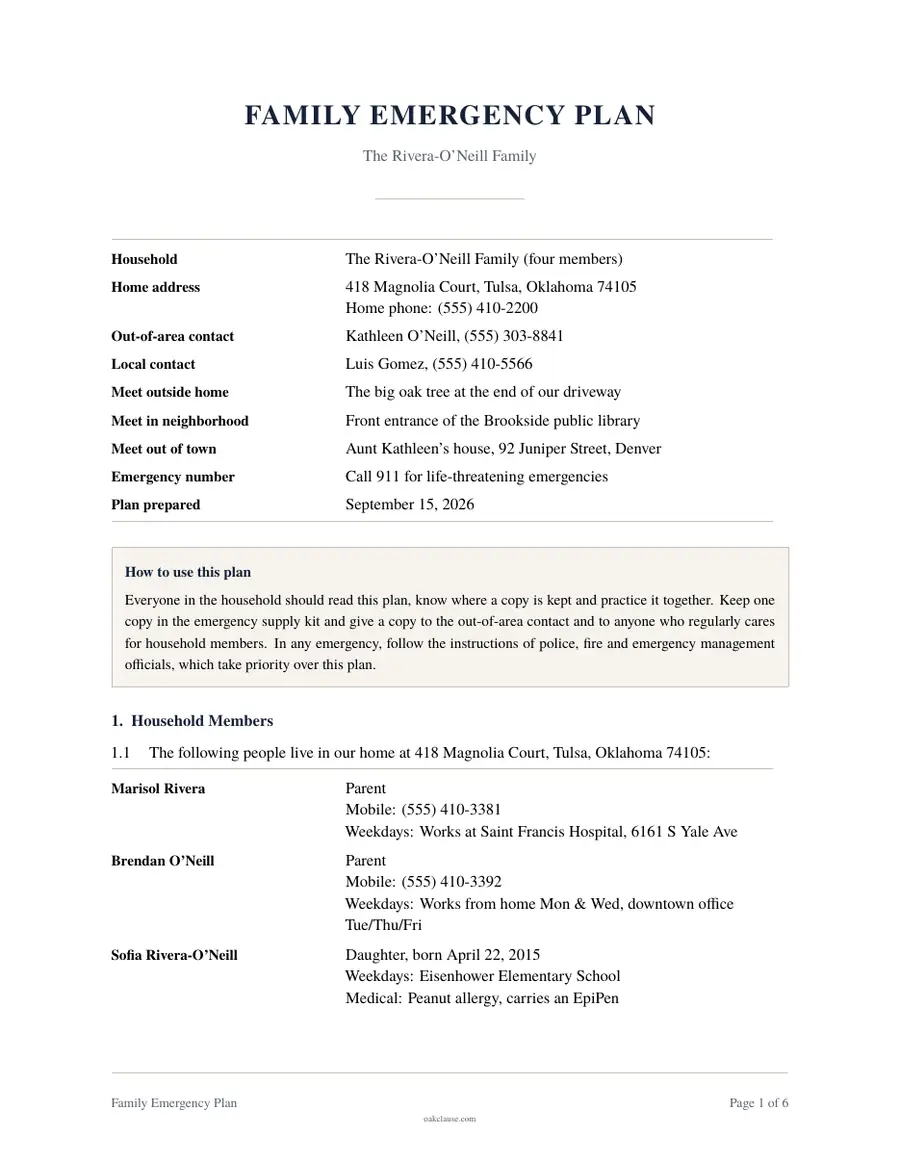
8. Create a family emergency plan
Agree on how you and your family will communicate if phones or the internet go down, who at home is the central contact, and what each person should do in a natural disaster or political emergency. Write the plan down and share it with everyone involved.
The pre-departure checklist
A few weeks before you leave, confirm that you have:
- A current will and up-to-date beneficiary designations
- A durable financial power of attorney, with copies given to your agent
- A health care directive and medical records release
- Consent forms or a power of attorney for children staying behind
- Just-in-case instructions in a known, secure place
- Travel medical and evacuation coverage
- A valid passport, visas and copies of key documents
- STEP enrollment and embassy contact details
- A written family emergency plan