Surveys regularly find that a majority of American adults do not have a will. When someone dies without one, they are said to die intestate, and the laws of their state decide who receives their property. Those rules follow a fixed formula that may or may not match what the person would have wanted. Here is how intestacy generally works and what you can do to stay in control.
What intestacy laws do
Every state has intestate succession laws that set out an order of inheritance for people who die without a valid will. The laws attempt to guess what a typical person would want, generally favoring a surviving spouse and close blood relatives. They apply only to property that would otherwise pass under a will, called the probate estate.
The details vary considerably from state to state. Some states have adopted rules based on the Uniform Probate Code, while others follow their own traditions, and community property states treat marital property differently. The descriptions below are general patterns, not the rule in any particular state.
Property that intestacy does not control
A great deal of property passes outside a will entirely, and intestacy laws do not change who receives it. These assets go directly to the named beneficiary or co-owner.
- Life insurance and annuities with a named beneficiary
- Retirement accounts such as 401(k)s and IRAs with a named beneficiary
- Payable-on-death bank accounts and transfer-on-death investment accounts
- Property owned jointly with a right of survivorship
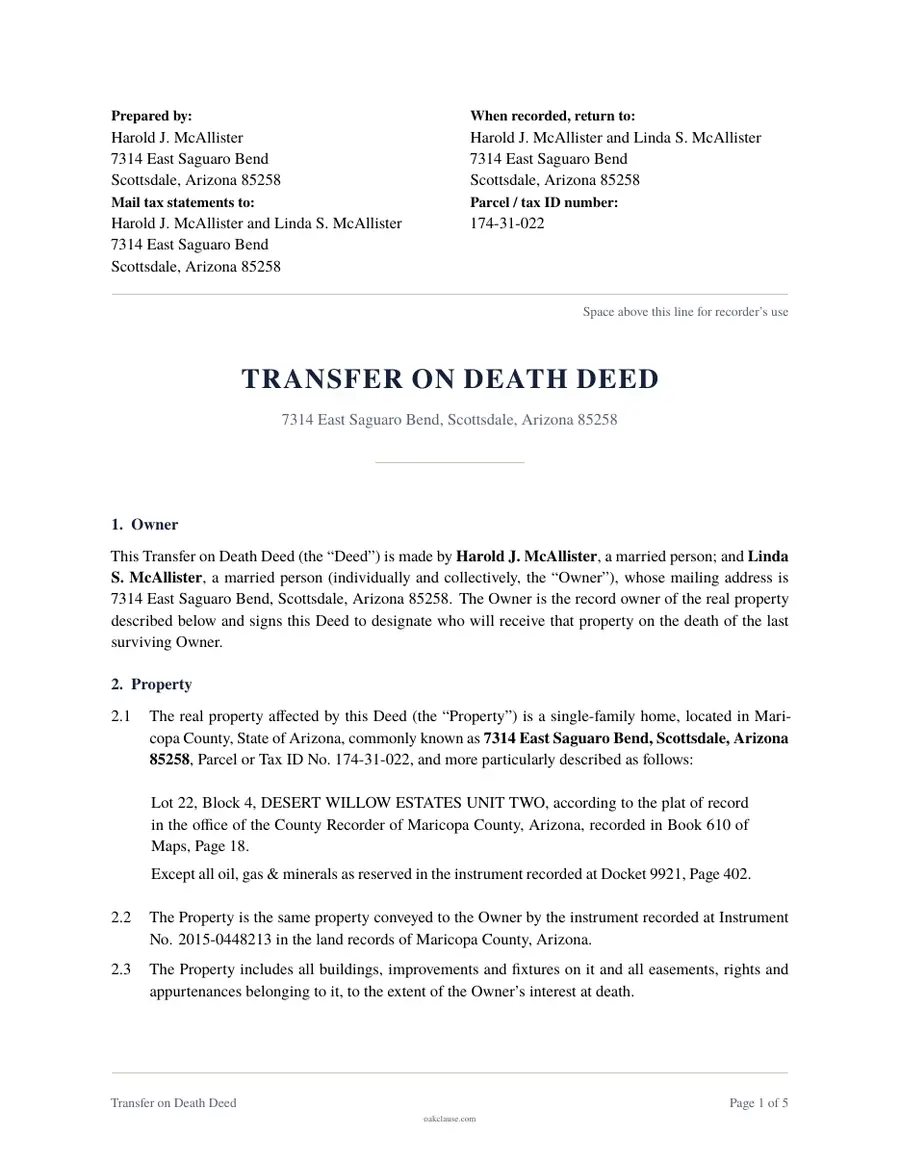
- Real estate passing under a transfer-on-death deed, where available
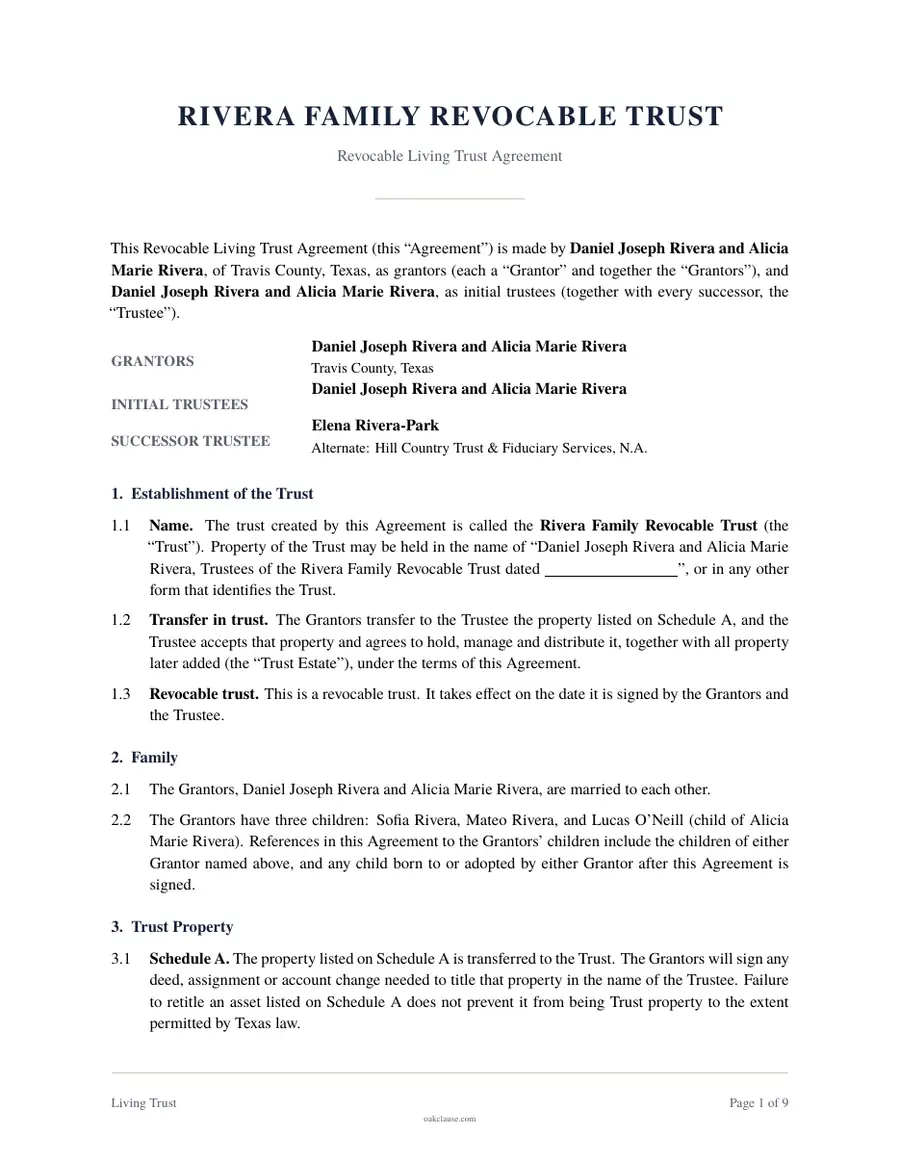
- Assets held in a living trust
The typical order of inheritance
While every state differs, intestacy laws commonly follow a pattern like this:
- Spouse and children: the surviving spouse often receives everything if all the children are also the spouse's children, or a share with the rest going to the children if not
- Spouse and parents: in some states, if there are no children, the spouse shares with the deceased's parents
- Children only: if there is no surviving spouse, the children typically share equally, with a deceased child's share often passing to that child's own children
- Parents: if there is no spouse or descendants, parents usually inherit
- Siblings and their descendants: next in line after parents in most states
- More distant relatives: grandparents, aunts, uncles and cousins, following state rules
- The state: if no qualifying relative can be found, the property generally passes to the state, which is called escheat
People who usually inherit nothing
Intestacy laws are built around marriage, blood and legal adoption. That means some of the people closest to you may receive nothing if you die without a will.
- Unmarried partners, no matter how long the relationship
- Stepchildren who were never legally adopted, in most states
- Close friends
- Charities and causes you supported
- Caregivers who are not relatives
Who manages the estate
Without a will naming an executor, a court appoints a personal representative, often called an administrator, to gather the assets, pay valid debts and taxes, and distribute what is left under the intestacy rules. State law sets a priority list, usually beginning with the surviving spouse and then adult children or other heirs. The person appointed may have to post a bond, which is a type of insurance that a will often waives.
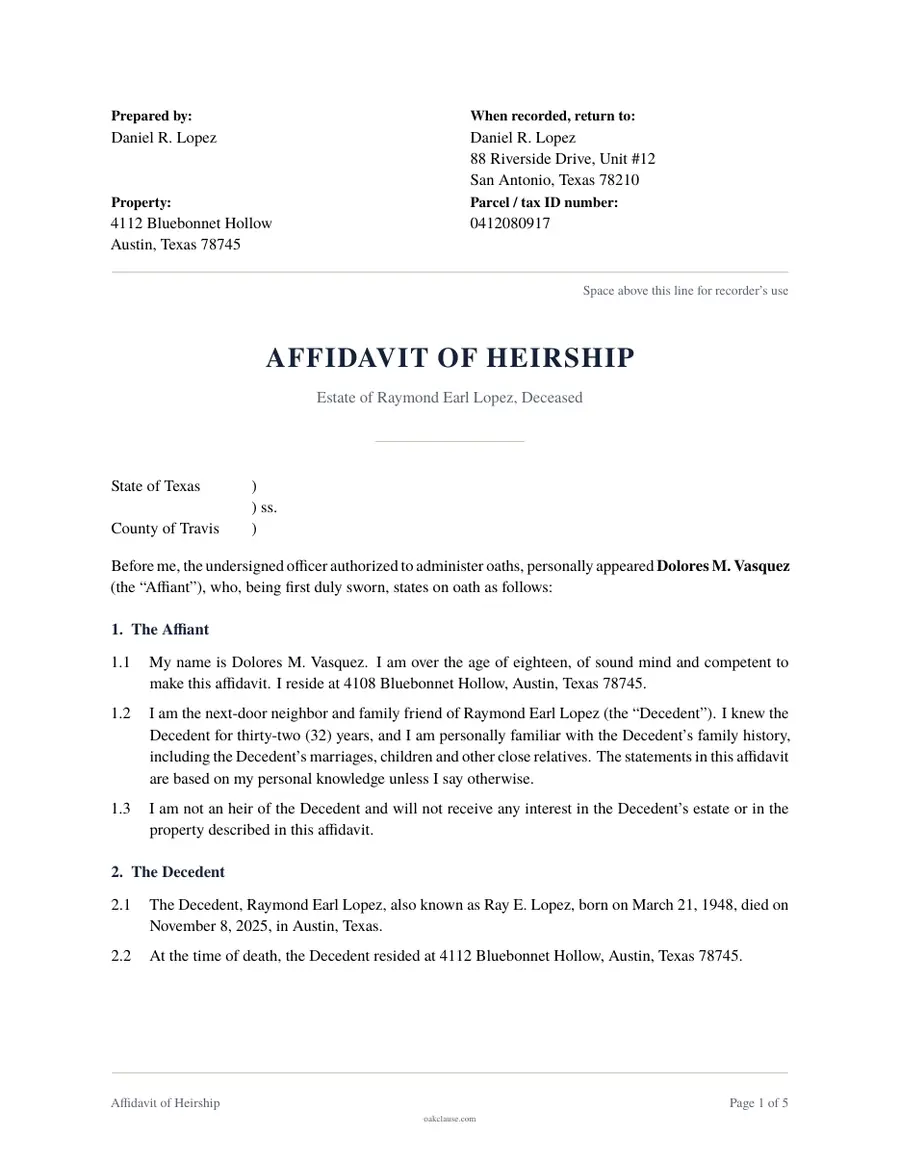
If family members disagree about who should serve, the court decides, which can add delay and expense. For small estates, many states offer simplified procedures, such as a sworn affidavit, that allow heirs to collect property without full probate. In some cases, an affidavit of heirship can help establish who the heirs are, particularly for real estate.
What happens to minor children
A will is the main way parents nominate a guardian for minor children. Without one, if no parent survives, a court chooses a guardian based on the child's best interests, possibly after relatives disagree in court. Courts generally give weight to a parent's nomination, so leaving no instruction means losing the chance to influence one of the most important decisions about your children.
Children's inheritances raise a separate issue. Minors generally cannot manage property themselves, so a court may need to appoint a conservator or guardian of the estate, with ongoing court supervision, and the child typically gains full control at the age of majority. A will or trust can instead name a trusted person to manage the money and set a later age for distribution.
Common problems intestacy can cause
Even in close families, dying without a will can lead to outcomes nobody intended.
- A surviving spouse having to share the family home with children or parents
- Co-ownership of property among relatives who cannot agree on what to do with it
- A long-term partner left with no rights to the shared home
- A business without a clear successor or authority to keep operating
- Personal items with sentimental value becoming a source of conflict
- Extra costs and delays from bonds, court supervision and disputes
How to stay in control
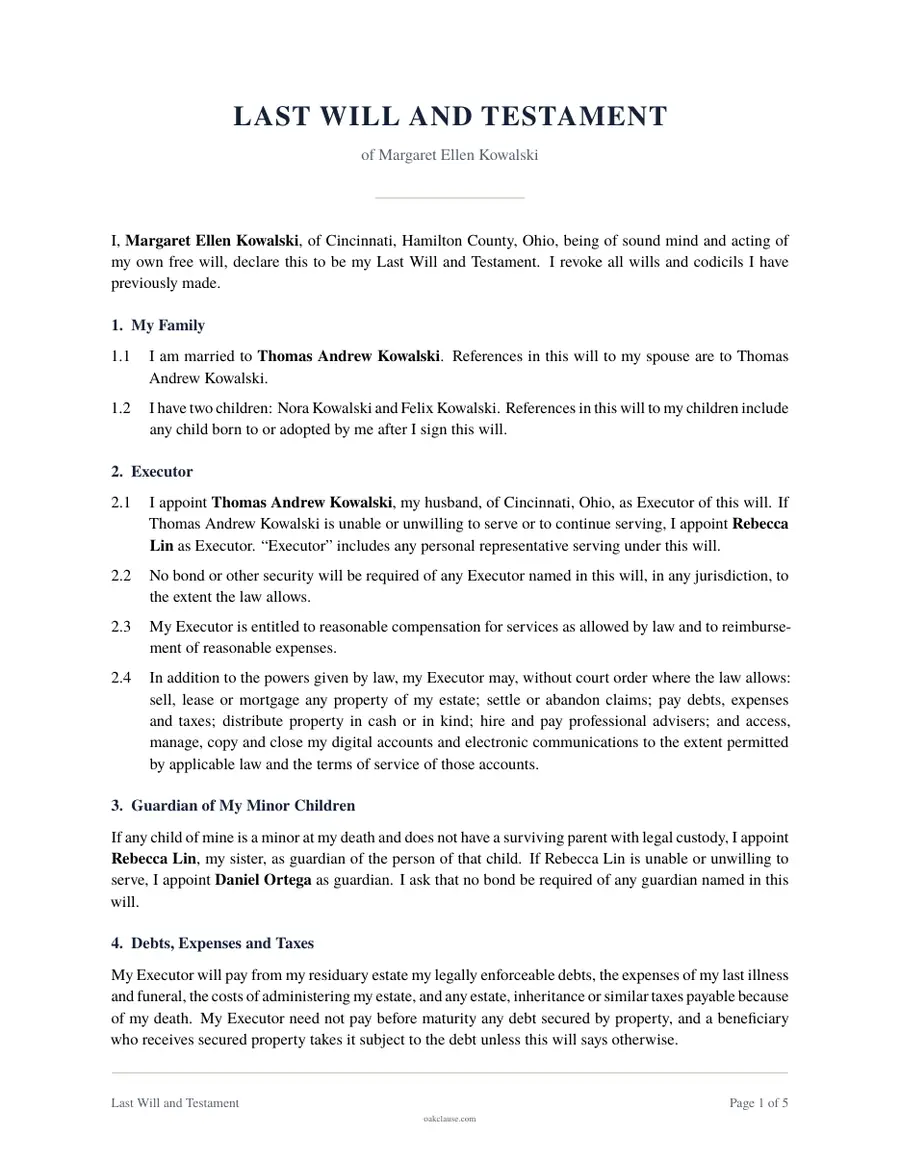
The good news is that avoiding intestacy is straightforward. A valid will lets you choose who inherits, name an executor and nominate a guardian for your children. Each state sets its own requirements for a valid will, usually including signing in front of witnesses, so follow the rules in your state.
- Write a will that names beneficiaries, an executor and guardians for minor children
- Review and update beneficiary designations on insurance and retirement accounts
- Consider a living trust or transfer-on-death deed to pass property outside probate
- Sign a financial power of attorney and health care directive for incapacity during your lifetime
- Leave clear instructions on where your documents and accounts can be found
- Review your plan after marriage, divorce, a birth, a death or a move to another state