Many married people assume everything will automatically pass to their spouse. Often much of it does, but not always, and there is more to an estate plan than who inherits. Here is how to approach planning together.
How property passes between spouses
Property can pass at death in several ways. Assets owned jointly with a right of survivorship go directly to the surviving owner. Accounts and policies with a named beneficiary, such as retirement accounts and life insurance, go to that beneficiary. Everything else passes under your will, or under your state's intestacy rules if you have no will.
Intestacy rules do not always give everything to a surviving spouse. In many states, a spouse shares the estate with children from another relationship or, in some cases, with the deceased spouse's parents. A will lets you decide.
Community property and common law states
A small number of states follow community property rules, under which most property acquired during the marriage belongs equally to both spouses. Each spouse can generally leave only their half by will. Most other states are common law property states, where ownership follows title, but surviving spouses are protected by an elective share that lets them claim a portion of the estate even if the will leaves them less.
If you have moved between states during your marriage, property acquired in one system may keep its character in the other, which is worth reviewing with a professional.
Separate wills, coordinated plans
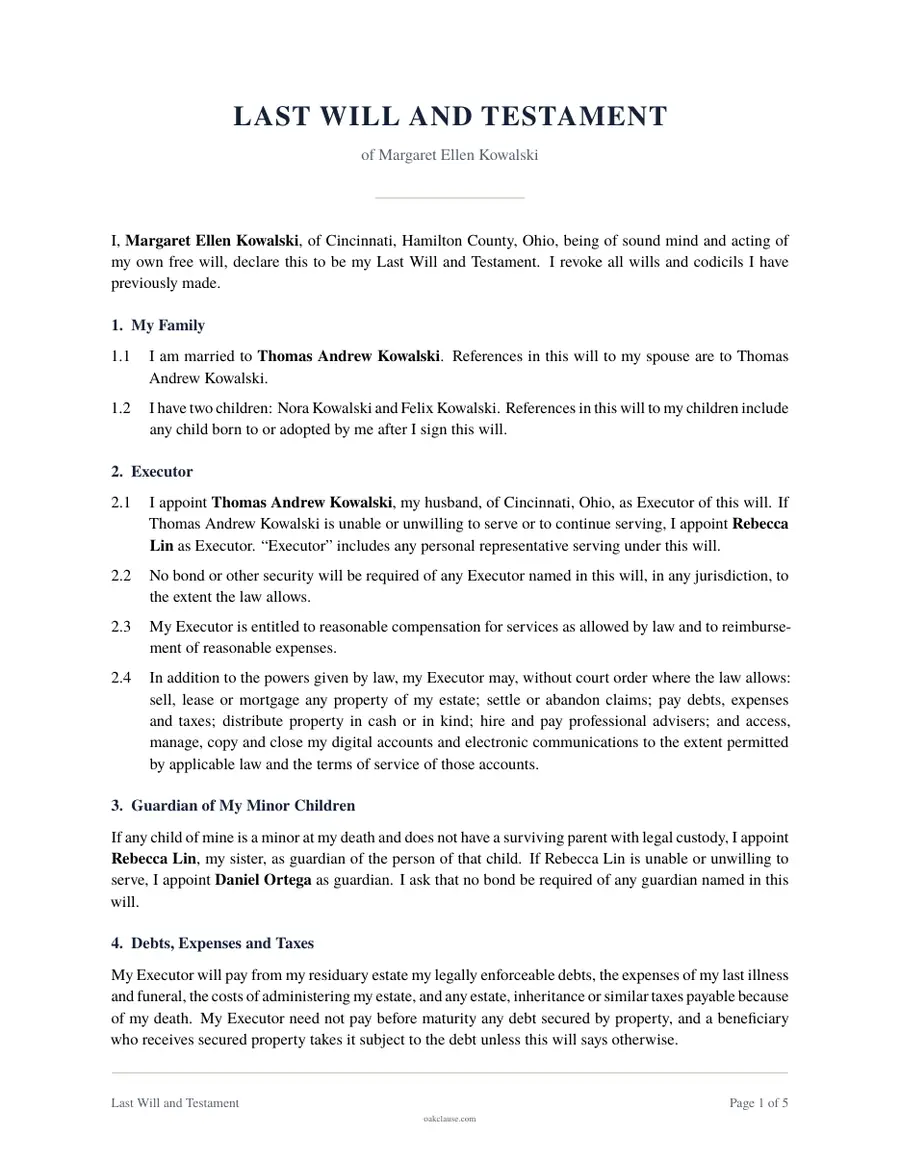
Most couples sign two separate wills that mirror each other: each leaves everything to the other, and then to their children or other beneficiaries if the spouse has already died. Separate wills keep each spouse free to update their own plan later.
Some states allow joint wills, but they can make changes difficult after the first spouse dies and are generally less flexible.
- Name each other as executor, with an alternate
- Name the same guardian for minor children in both wills
- Decide what happens if you die at the same time or close together
- Address children from previous relationships explicitly
Review beneficiary designations
Beneficiary designations override your will. Check retirement accounts, life insurance and bank accounts so they match your plan, and name contingent beneficiaries. Federal law generally gives spouses rights in many employer retirement plans, which can only be waived with the spouse's written consent.
Plan for incapacity as well as death
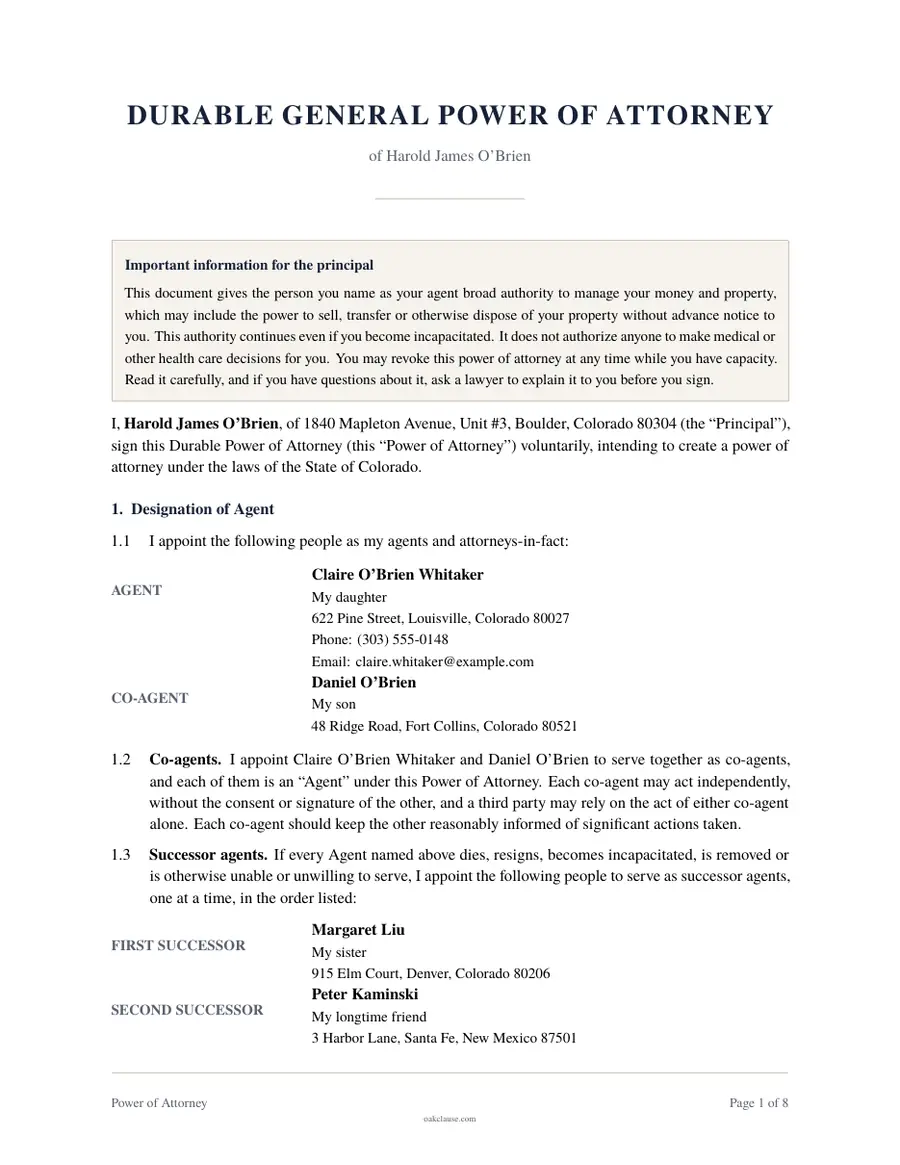
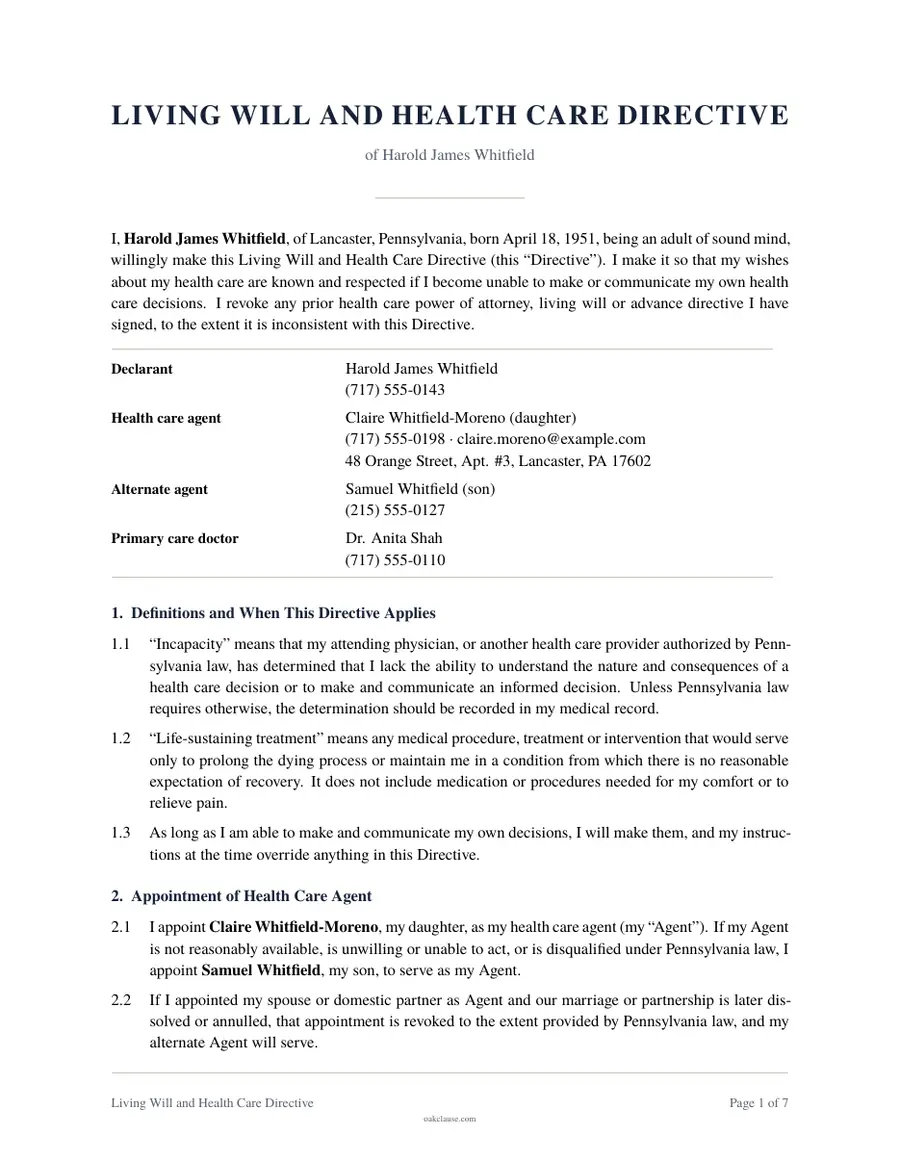
Being married does not automatically give your spouse authority over accounts in your name alone, or the legal right to make every medical decision for you. A durable power of attorney lets your spouse manage your finances if you cannot, and a health care directive names your spouse, or someone else, to make medical decisions and records your treatment wishes. Without them, your spouse might need to go to court.
Consider a living trust
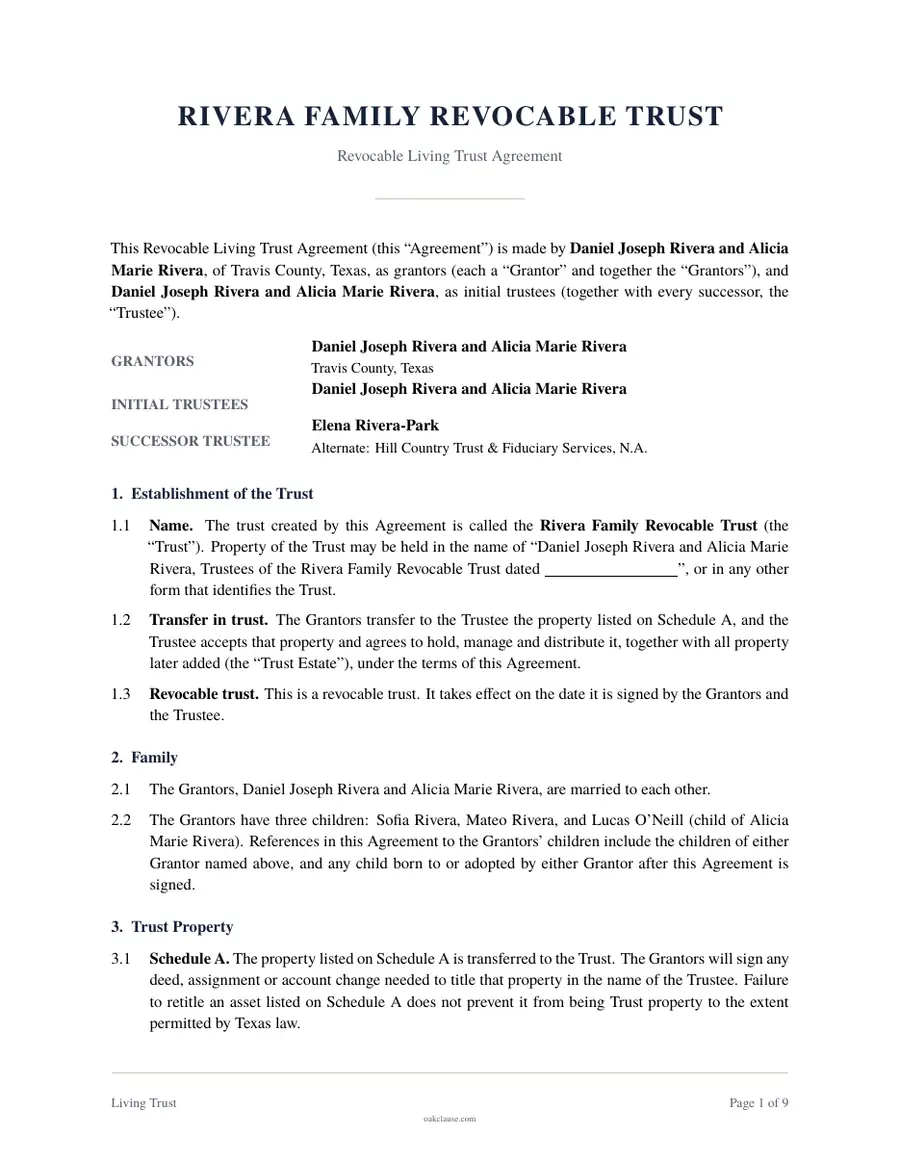
A revocable living trust can help married couples avoid probate, keep their affairs private and provide for management if one spouse becomes incapacitated. Couples may create a joint trust or separate trusts. Trusts take more work to set up because assets must be transferred into them, but they are worth considering if you own real estate in more than one state or want to avoid probate.
Keep the plan current
Revisit your plan after a birth or adoption, a move to another state, a major change in finances, or the death of a beneficiary or executor. In many states, a divorce automatically revokes provisions for a former spouse, but you should update your documents rather than rely on that rule.