Choosing a business structure is one of the first decisions a founder makes, and it affects taxes, paperwork, how the business is run and how easily it can raise money. For most small businesses that want liability protection, the choice comes down to a limited liability company (LLC) or a corporation. Both are created under state law and both can shield owners' personal assets, but they work differently in important ways.
What the two structures have in common
An LLC and a corporation are both separate legal entities. The business, not the owners, signs contracts, owns property and owes its debts. As a general rule, owners are not personally liable for the business's obligations beyond what they invested.
That protection is not absolute. Owners remain liable for their own wrongful acts and for debts they personally guarantee, which lenders and landlords often require of small businesses. Courts can also disregard the entity, sometimes called piercing the corporate veil, when owners mix personal and business funds, leave the business badly underfunded or ignore its separate existence. Keeping separate bank accounts and clean records matters under either structure.
How LLCs work
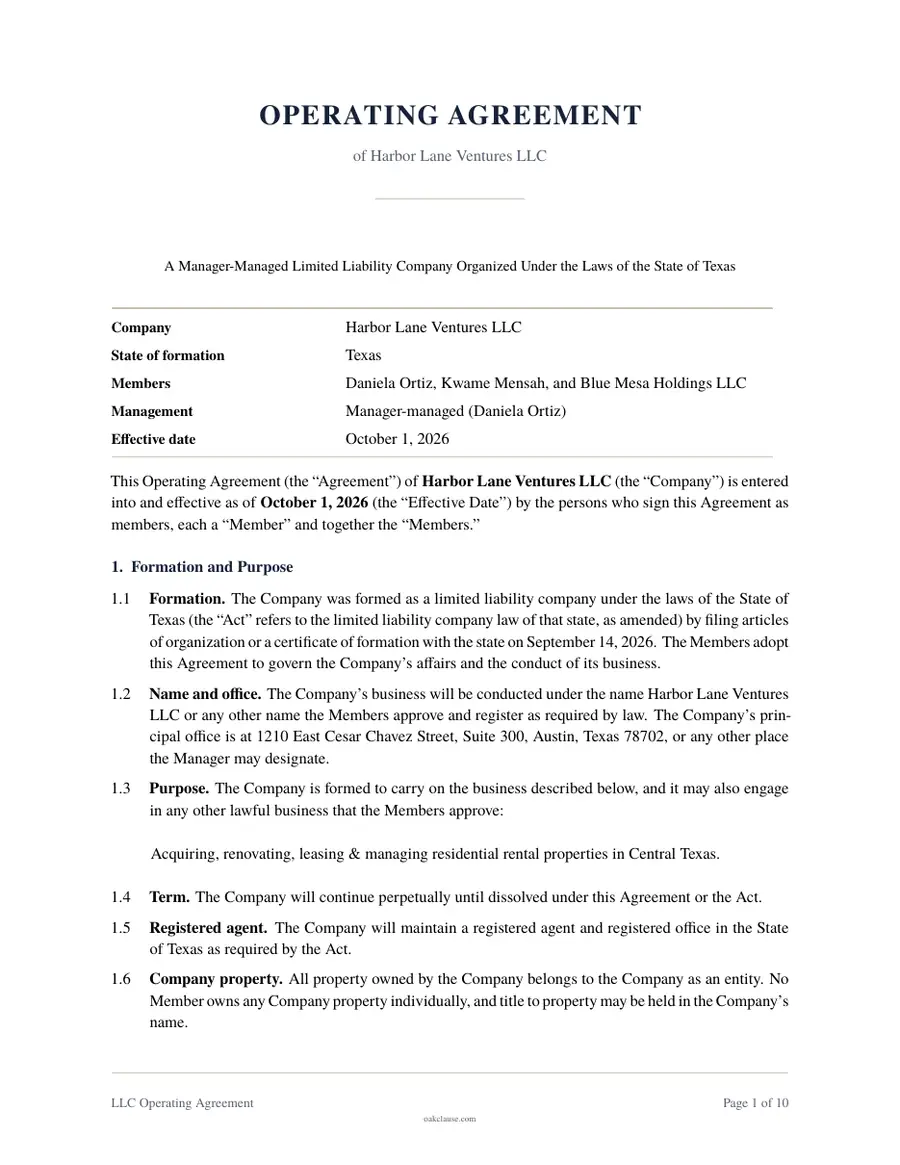
An LLC is formed by filing articles of organization, sometimes called a certificate of formation, with the state. Its owners are called members. The LLC's internal rules are set out in an operating agreement, which covers ownership percentages, how profits are shared, how decisions are made and what happens when a member leaves or dies. Not every state requires a written operating agreement, but having one is strongly advisable, including for single-member LLCs.
LLCs can be member-managed, where the owners run the business directly, or manager-managed, where designated managers run it. They are known for flexibility: profits do not have to be split in proportion to ownership, and there are fewer mandatory formalities than for corporations.
How corporations work
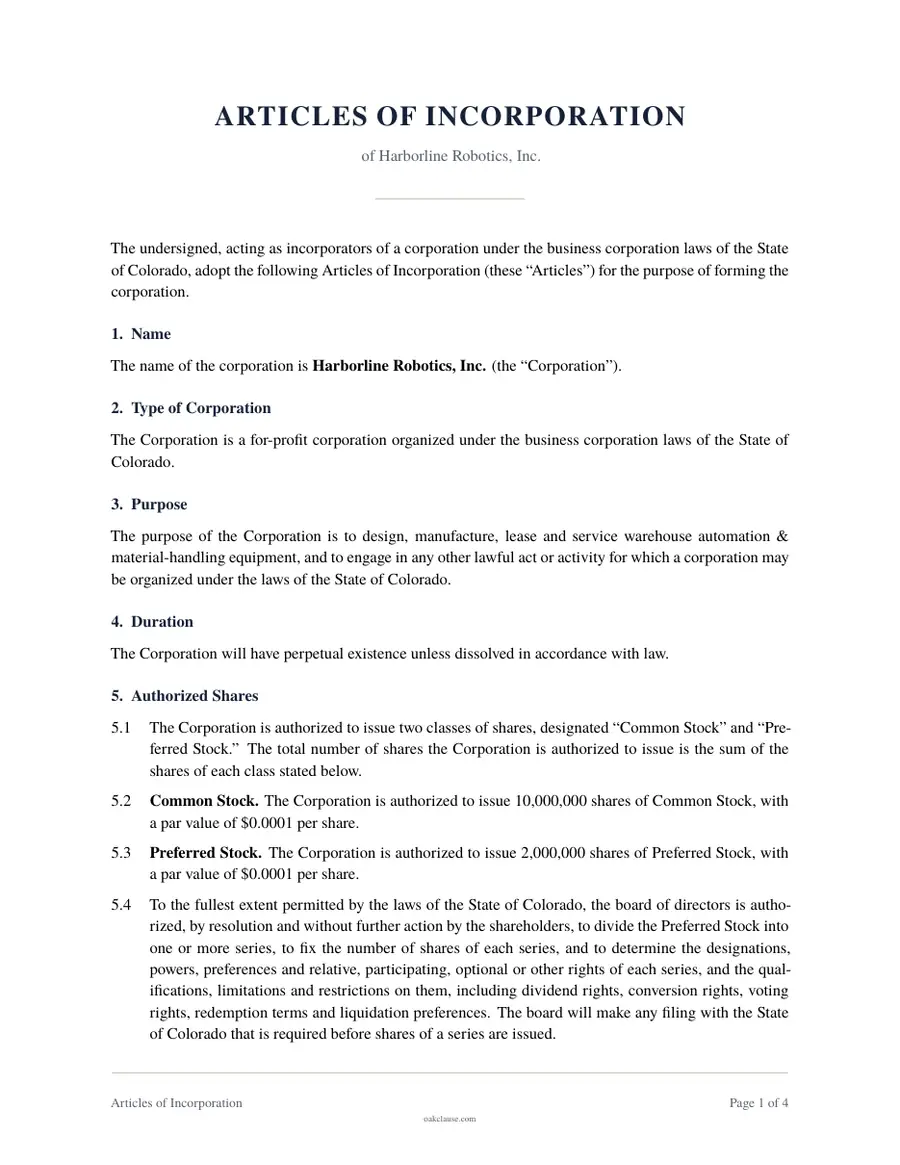
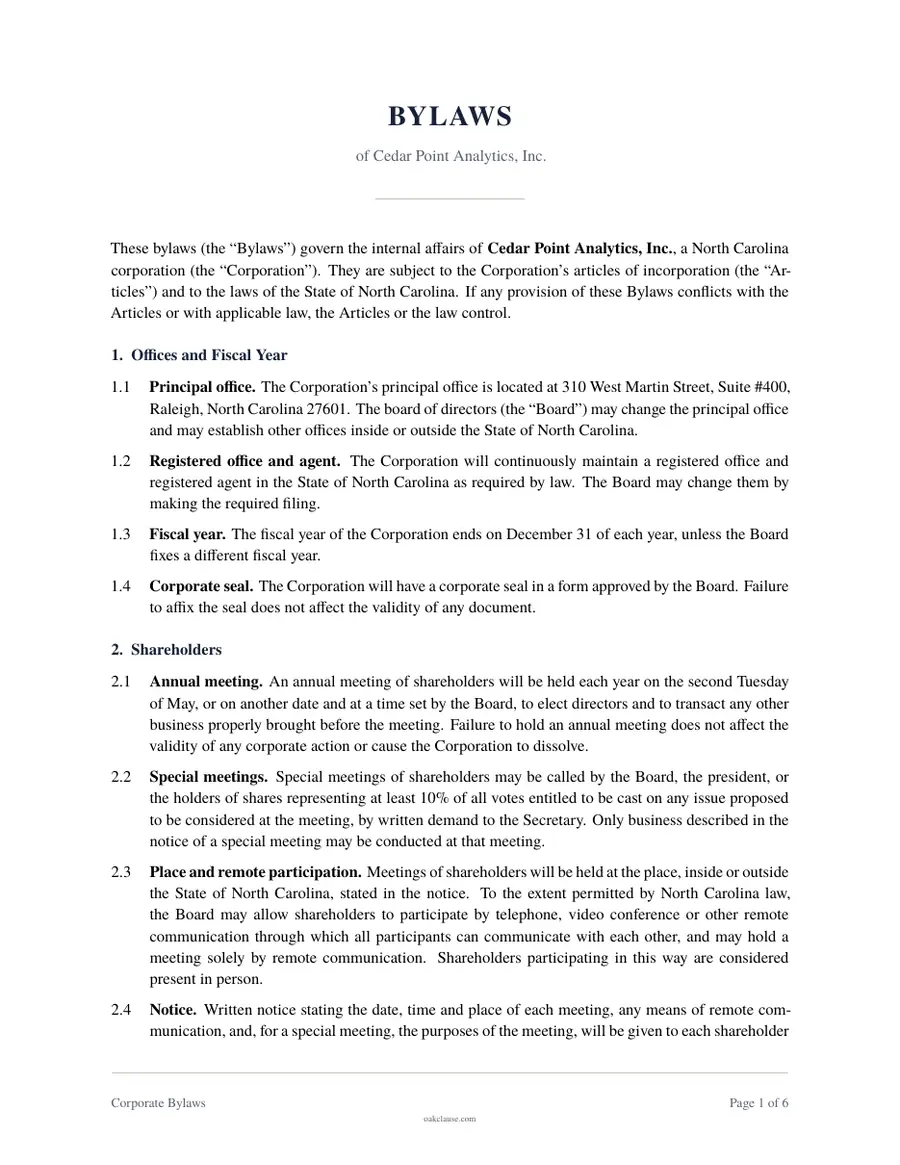
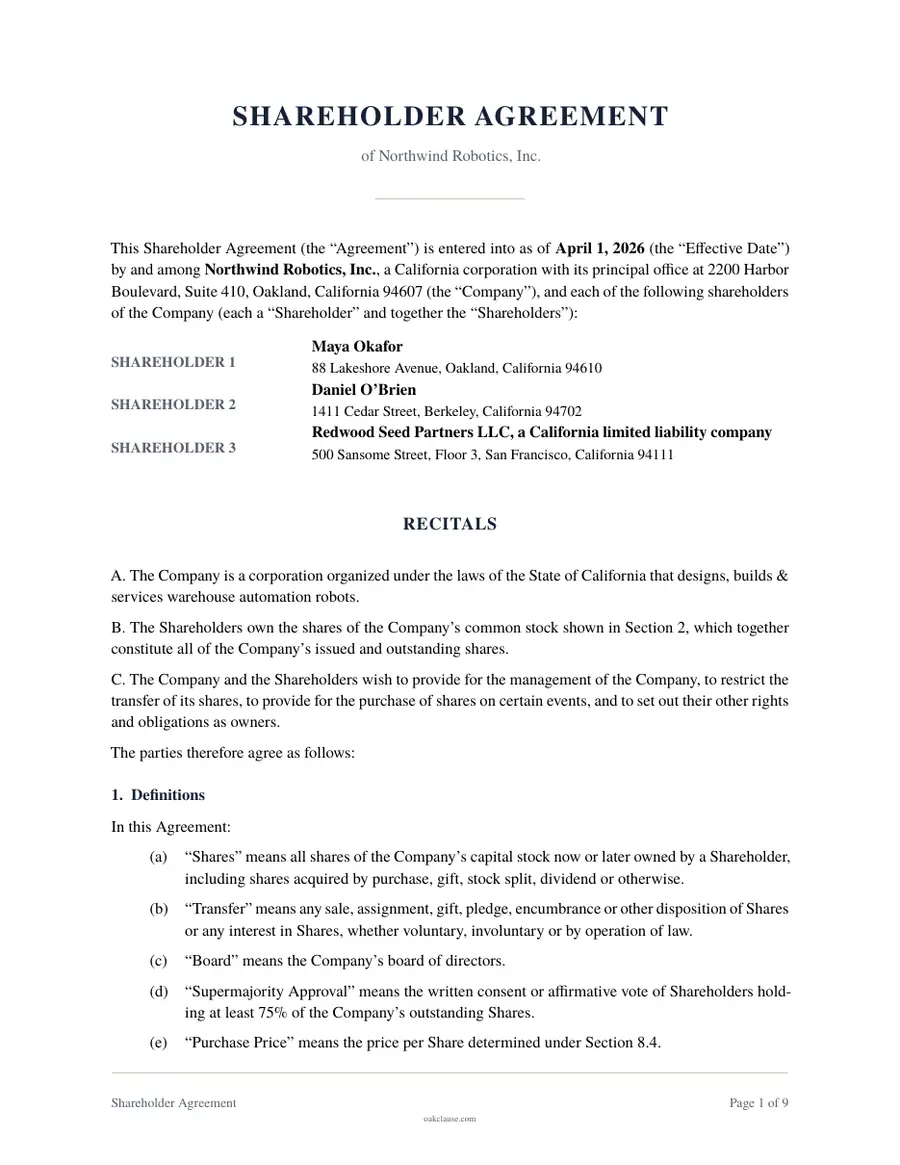
A corporation is formed by filing articles of incorporation, sometimes called a certificate of incorporation. Its owners are shareholders, who elect a board of directors. The board sets policy and appoints officers, such as a president and treasurer, to run daily operations. Bylaws set the internal rules, and many corporations also have a shareholder agreement covering share transfers and buyouts.
Corporations generally must follow more formalities: holding annual meetings of shareholders and directors or acting by written consent, keeping minutes and maintaining share records. In a small corporation, one person may be the sole shareholder, director and officer, but the roles still need to be documented.
Taxes: the biggest practical difference
By default, the IRS treats a single-member LLC as a disregarded entity, with income reported on the owner's personal return, and a multi-member LLC as a partnership. Profits pass through to the members and are taxed once, at their individual rates, whether or not the money is distributed. Members active in the business generally pay self-employment tax on their share of profits.
A corporation is taxed by default as a C corporation. It pays federal corporate income tax on its profits, and shareholders pay tax again on dividends they receive, which is often called double taxation. Salaries paid to owner-employees are deductible business expenses, and earnings kept in the business are taxed only at the corporate level until distributed.
Both structures have options. An eligible corporation, or an LLC, can elect S corporation status, which generally means profits pass through to the owners and are not taxed at the corporate level. S corporations have restrictions: a limit on the number of shareholders, generally only individuals who are US citizens or residents as shareholders, and only one class of stock. Owner-employees must also be paid reasonable salaries. An LLC can also elect to be taxed as a C corporation. State taxes and fees vary as well, and some states impose franchise or gross receipts taxes on both structures.
Raising money and bringing in partners
Corporations issue shares, a familiar and standardized form of ownership. They can create different classes of stock, such as preferred shares for investors, and grant stock options to employees. Venture capital investors typically expect a C corporation, often formed in Delaware, because their own structures and practices are built around it.
LLCs issue membership interests, which can be tailored but are less standardized. For a business funded by its owners, loans or a small number of partners, that flexibility is often an advantage. For a startup planning to raise outside equity, converting from an LLC to a corporation later is possible but adds cost and complexity.
Side-by-side comparison
The main differences at a glance:
- Formation document: articles of organization for an LLC; articles of incorporation for a corporation
- Governing document: operating agreement versus bylaws and often a shareholder agreement
- Management: members or managers versus board of directors and officers
- Default federal tax: pass-through for an LLC; C corporation tax for a corporation
- Formalities: generally lighter for LLCs; meetings, minutes and share records for corporations
- Ownership units: membership interests versus shares of stock
- Outside equity investors: often prefer corporations
- Profit allocation: flexible in an LLC; generally tied to share ownership in a corporation
Questions to help you decide
There is no single right answer. The best structure depends on your plans, income and state. Working through these questions with an accountant can clarify the choice:
- Do you plan to seek venture capital or issue stock options to employees?
- How much profit do you expect, and will you take it out or reinvest it?
- How many owners will there be, and will they all be US individuals?
- How much administrative work are you prepared to do each year?
- Do you want to divide profits differently from ownership percentages?
- What filing fees, annual reports and franchise taxes apply in your state?
Steps after you choose
Whichever structure you pick, the formation process is broadly similar:
- Check name availability with your state and reserve the name if needed
- Appoint a registered agent with an address in the state
- File the formation document and pay the state fee
- Adopt an operating agreement or bylaws and issue membership interests or shares
- Obtain an employer identification number (EIN) from the IRS
- Open a separate business bank account
- Obtain any local or state licenses and register for state taxes
- Calendar annual reports and other recurring filings