Whether someone who works for your business is an employee or an independent contractor is not a matter of preference or job title. It depends on the actual working relationship, and getting it wrong can be costly.
Why classification matters
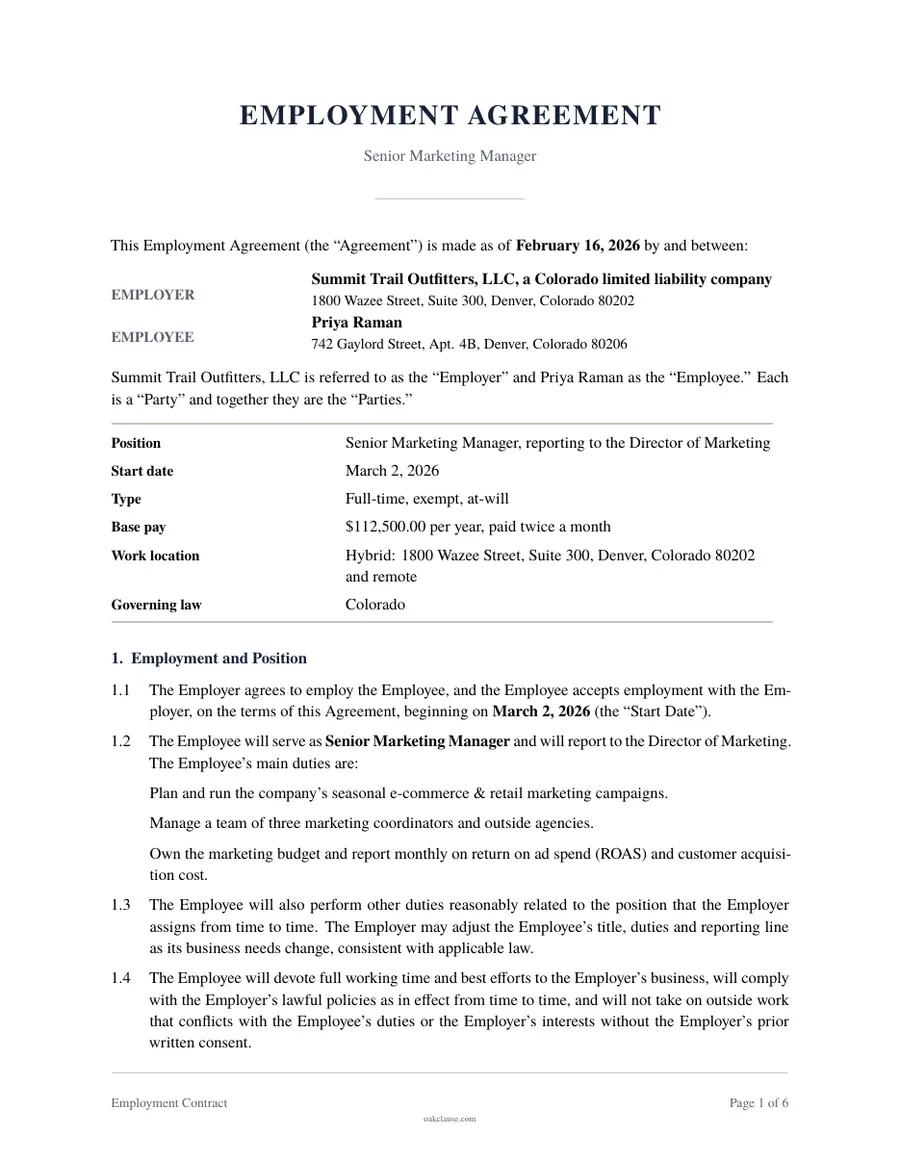
Employers must withhold income taxes, pay their share of Social Security and Medicare taxes, pay unemployment taxes, and follow wage and hour rules such as minimum wage and overtime for employees. Employees may also be covered by workers' compensation and be eligible for benefits. None of these obligations generally apply to independent contractors, who run their own businesses and handle their own taxes.
Because of that difference, agencies look closely at misclassification. A business that treats an employee as a contractor can owe back taxes, wages, interest and penalties.
The core question: who controls the work?
Different agencies use different tests, but they share a common thread: the more control a business has over how, when and where the work is done, the more likely the worker is an employee. The IRS groups the relevant evidence into three areas.
- Behavioral control: does the business direct how the work is done, provide detailed instructions or training, or set the schedule?
- Financial control: does the worker invest in their own tools, have unreimbursed expenses, offer services to others, and have the chance to make a profit or loss?
- Relationship: is there a written contract, are benefits provided, is the relationship expected to continue indefinitely, and is the work a key part of the business?
State tests can be stricter
Some states apply their own tests for wage, unemployment or workers' compensation purposes, and some are stricter than federal standards. A few states presume a worker is an employee unless the business can show that the worker is free from its control, performs work outside the usual course of the business, and is independently established in that trade. Check the rules in each state where your workers are based.
Signs a worker is likely a contractor
No single factor decides the question, but these facts usually point toward independent contractor status:
- They set their own hours and decide how to complete the work
- They use their own equipment and pay their own business expenses
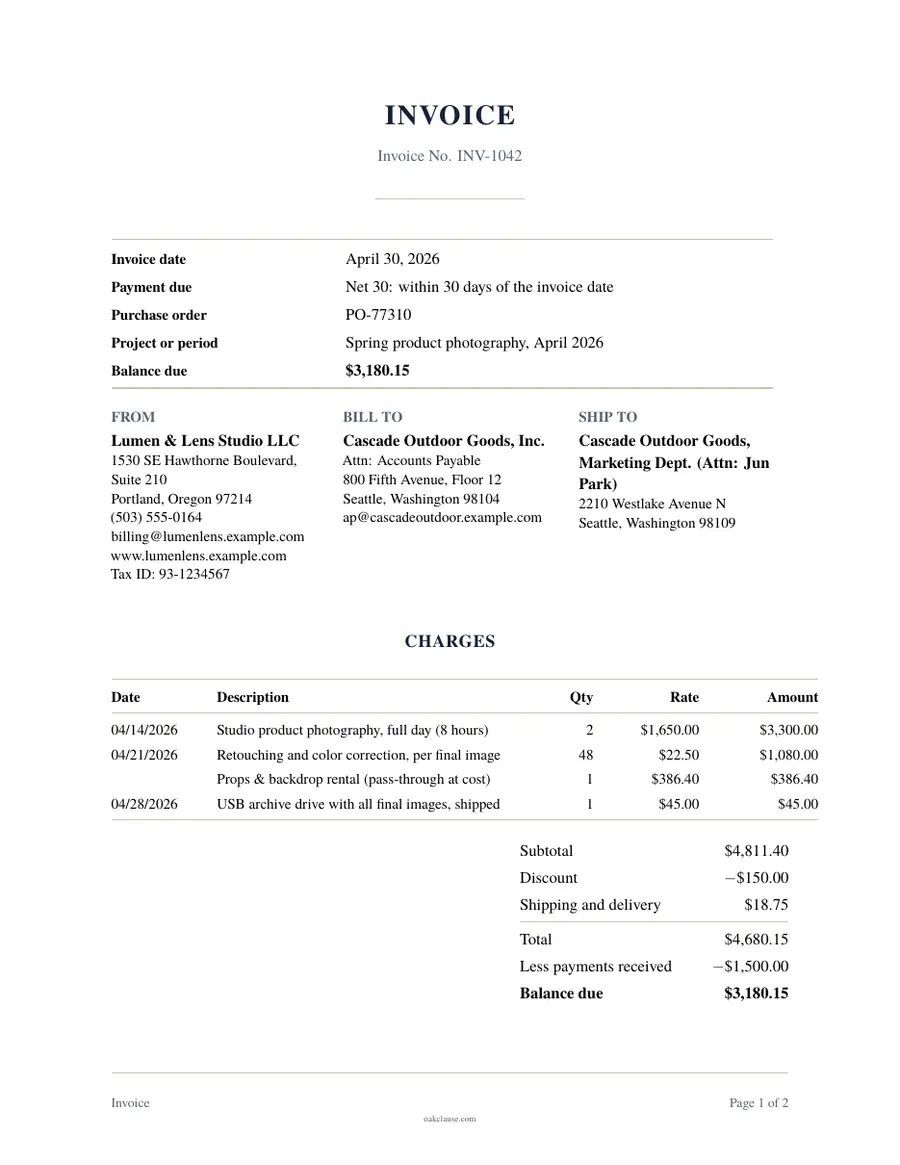
- They invoice for completed projects or deliverables rather than receiving regular wages
- They market their services to the public and work for other clients
- They can hire helpers or subcontract the work
Document the relationship
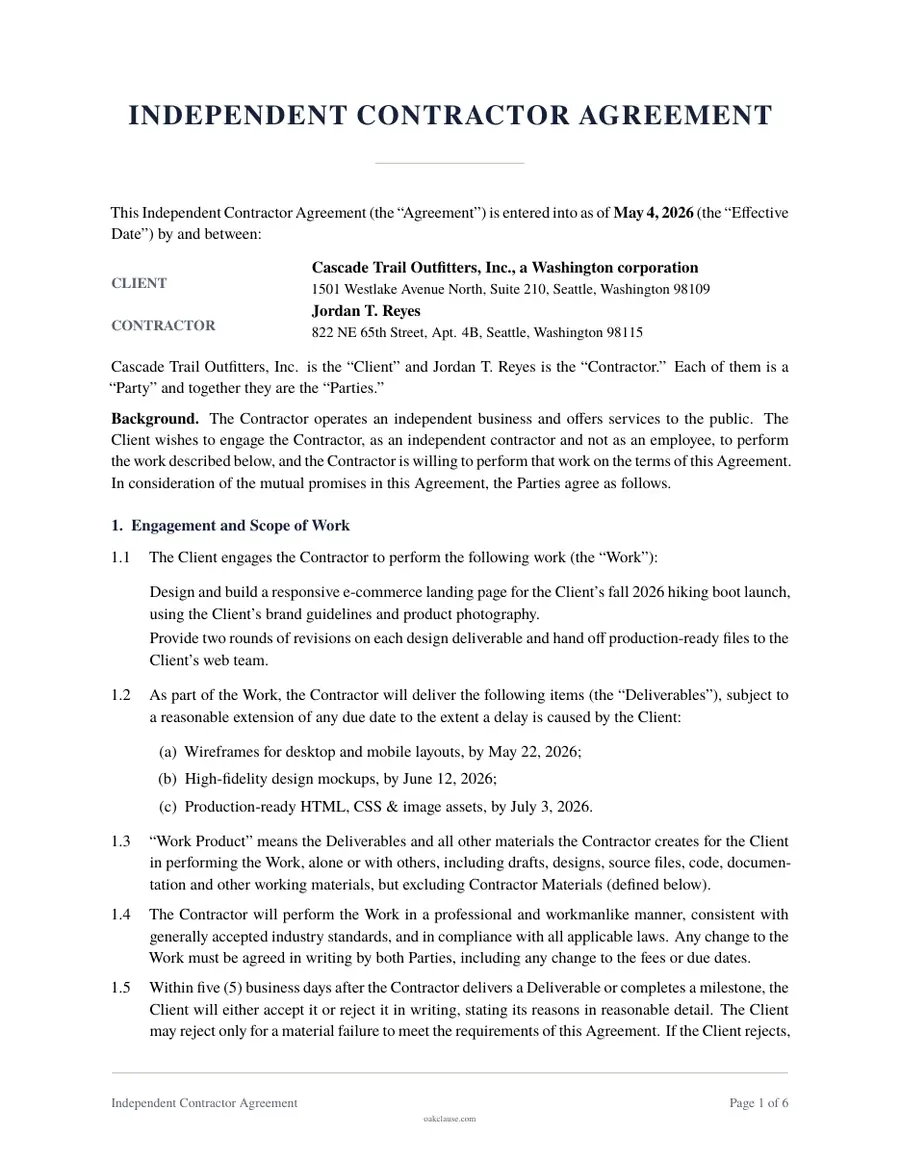
A written independent contractor agreement does not determine status by itself, because agencies look at what actually happens. It does record the parties' intentions and the terms that support contractor status: a defined scope of work, payment by project or milestone, the contractor's control over methods, responsibility for their own taxes and insurance, and ownership of the work product.
Collect a Form W-9 from contractors before paying them, and file the required information returns for payments that meet the reporting threshold.
If you are unsure
When the answer is unclear, err on the side of caution or get advice. The IRS offers a process for requesting a determination, and an employment attorney or accountant can review your arrangements. Reclassifying a worker going forward is usually far less expensive than defending a misclassification later.