New Mexico Residential Lease Agreement
Create a clear, state-aware lease for a house, apartment, condo or room.
Free with email
Final PDF after you confirm your email
- 5 to 20 minutes
- Print-ready PDF
- Tailored to New Mexico
New Mexico rules at a glance
Security deposits and landlord entry
- Security deposit limit
- 1 month's rent
- 1 month's rent for leases under 1 year; no cap for leases of 1 year or more
- Deposit return deadline
- 30 days
- 30 days after lease ends or tenant vacates, whichever is later
- Interest on deposits
- Required in some cases
- State law requires interest only in some situations, for example above a unit count or holding period
- Notice before landlord entry
- 24 hours
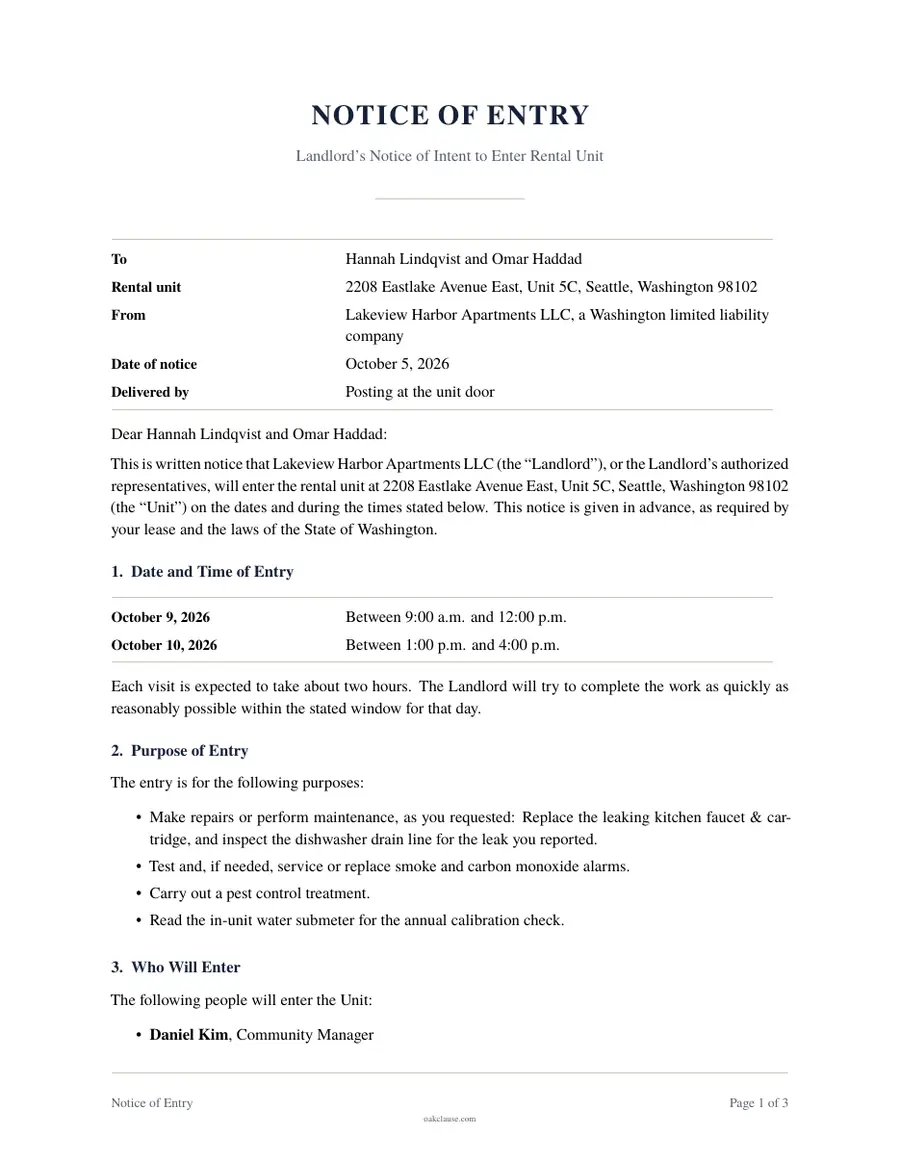
- 24 hours' written notice
New Mexico limits security deposits to 1 month's rent for leases under a year, requires interest if a deposit over 1 month is taken on a lease of a year or more, requires return within 30 days, and requires 24 hours' written notice before entry.
When you create this residential lease agreement for New Mexico, the questionnaire uses New Mexico as the governing law and adds wording that defers to New Mexico requirements where they apply.
General information, not legal advice. Laws change, and cities can add their own rules, so check the current statute before you rely on it.
What is a Residential Lease Agreement?
A residential lease agreement is a contract between a property owner (the landlord) and one or more people renting a home (the tenants). It sets out how long the tenancy lasts, how much rent is due and when, how the security deposit is handled, and what each side is responsible for while the tenant lives there.
A written lease protects both sides. Landlords get a clear record of the rules tenants agreed to follow, and tenants get certainty about their rent, their right to privacy and how they can end the tenancy. If a disagreement ever reaches a mediator or a court, the signed lease is usually the first document anyone asks to see.
Landlord-tenant law is set mostly by states, and some cities add their own rules. This lease asks for the property's state and includes wording that defers to that state's requirements on deposits, notices and entry, so it stays consistent with local law even where specific limits change.
When to use it
- You are renting out a house, apartment, condo, townhouse or room for residential use.
- You want a fixed-term lease (for example, one year) or a month-to-month rental agreement.
- You are a tenant and the landlord has asked you to propose terms in writing.
- You are renewing an existing tenancy and want to replace an outdated or informal agreement.
- Several roommates will sign directly with the landlord and share responsibility for the rent.
What is included
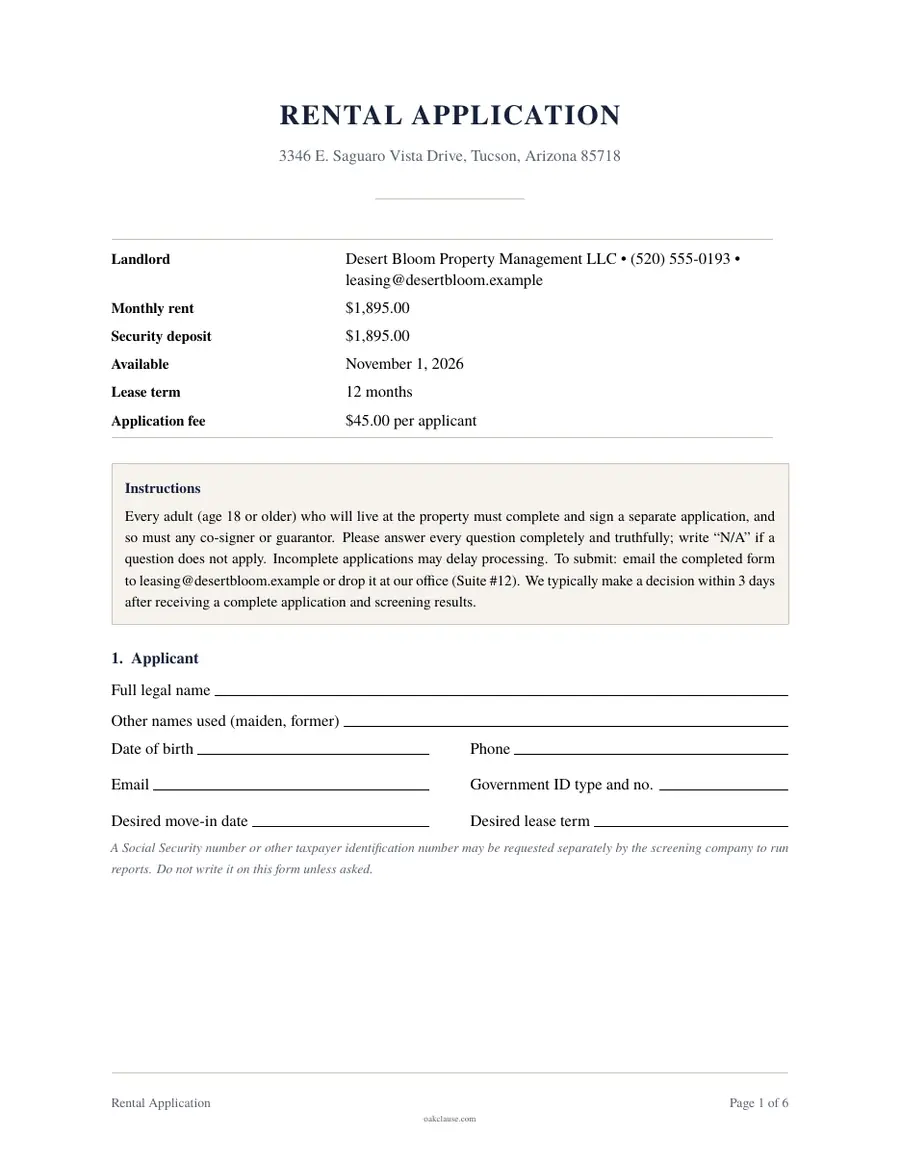
- Names of the landlord, every tenant and any other occupants
- Property address, type, furnishings, appliances and parking
- Fixed-term or month-to-month term, with renewal terms
- Rent amount, due date, payment methods and optional proration
- Late fee and returned payment terms
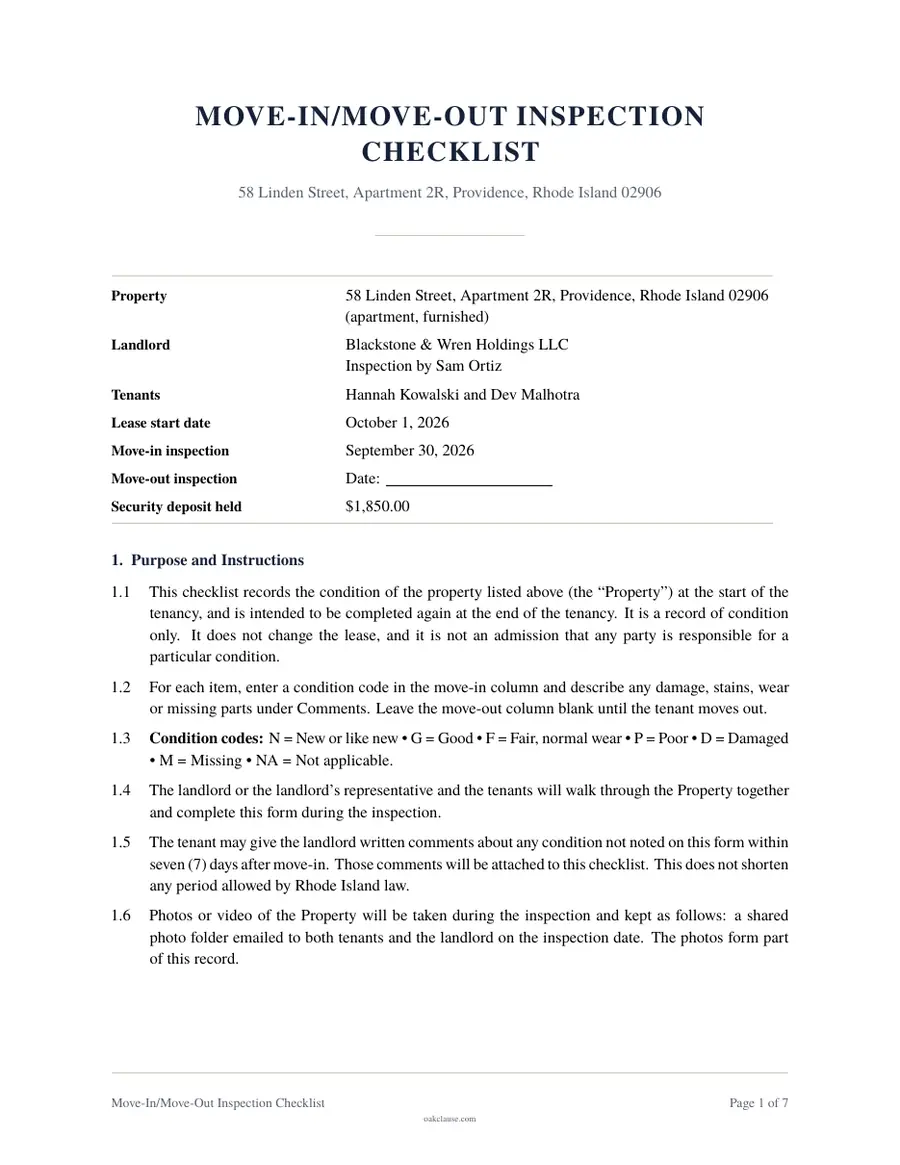
- Security deposit and pet deposit or pet rent
- Utilities, maintenance, yard care and snow removal responsibilities
- Rules on pets, smoking, guests, subletting and alterations
- Landlord entry, renters insurance and lead-based paint disclosure
- State law notice and signature blocks for the landlord and every tenant
How to make your Lease Agreement
Answer the questions
Tell us about the parties and the terms you want. Most documents take about 5 to 20 minutes.
Review the preview
Check the draft as you go and change any answer. The document updates instantly.
Download, sign and keep a copy
Download a print-ready PDF, sign it with the other parties, and give everyone a copy.
Lease Agreement in another state
Back to the general lease agreement page51 states shown
- ALAlabama
- AKAlaska
- AZArizona
- ARArkansas
- CACalifornia
- COColorado
- CTConnecticut
- DEDelaware
- DCDistrict of Columbia
- FLFlorida
- GAGeorgia
- HIHawaii
- IDIdaho
- ILIllinois
- INIndiana
- IAIowa
- KSKansas
- KYKentucky
- LALouisiana
- MEMaine
- MDMaryland
- MAMassachusetts
- MIMichigan
- MNMinnesota
- MSMississippi
- MOMissouri
- MTMontana
- NENebraska
- NVNevada
- NHNew Hampshire
- NJNew Jersey
- NMNew Mexico
- NYNew York
- NCNorth Carolina
- NDNorth Dakota
- OHOhio
- OKOklahoma
- OROregon
- PAPennsylvania
- RIRhode Island
- SCSouth Carolina
- SDSouth Dakota
- TNTennessee
- TXTexas
- UTUtah
- VTVermont
- VAVirginia
- WAWashington
- WVWest Virginia
- WIWisconsin
- WYWyoming
Frequently asked questions
How much can a landlord charge for a security deposit in New Mexico?
New Mexico limits security deposits to 1 month's rent for leases under 1 year; no cap for leases of 1 year or more.
How long does a landlord have to return a security deposit in New Mexico?
New Mexico rule: 30 days after lease ends or tenant vacates, whichever is later.
Does a landlord have to pay interest on a security deposit in New Mexico?
Only in some cases. New Mexico law requires interest only in certain situations, for example above a number of units or after the deposit is held for a set time. Check the statute for the details.
How much notice must a landlord give before entering a rental in New Mexico?
New Mexico rule: 24 hours' written notice.
Where do the New Mexico rules for residential leases come from?
They come from N.M. Stat. 47-8-18 Security deposits and N.M. Stat. 47-8-24 Access. We last checked them in October 2026. Laws change, so check the current statute before you rely on it.
What is the difference between a lease and a rental agreement?
People use the terms loosely, but a lease usually runs for a fixed term, such as twelve months, while a rental agreement often runs month to month until either side gives notice. This document handles both: choose a fixed term or month-to-month when you answer the questions.
Does a residential lease need to be notarized?
Most residential leases do not need to be notarized to be valid. Longer leases may have additional formalities in some states, and a lease that will be recorded with the county generally needs to be notarized, but that is uncommon for ordinary home rentals.
How much can a landlord charge for a security deposit?
It depends on the state. Some states cap deposits at a set number of months' rent, others set no limit, and several also regulate where the deposit is held and whether interest is owed. The lease does not invent a limit; it requires the deposit to be held and returned as the property's state law requires, so check your state's rule before choosing an amount.
Can I list more than one tenant?
Yes. You can add every adult who will sign the lease. Tenants who sign are jointly and severally liable, which means each of them is responsible for the full rent and for any damage, not just their own share.
Can a landlord enter the rental whenever they want?
No. Tenants have a right to privacy and quiet enjoyment. Most states require the landlord to give reasonable advance notice before entering for repairs, inspections or showings, except in an emergency. The lease requires notice as required by state law.
What disclosures should I attach to a lease?
For homes built before 1978, federal law requires landlords to disclose known lead-based paint hazards and give tenants the EPA pamphlet on lead safety. Many states and cities require additional disclosures, such as mold, flood risk, bed bugs or the name of the deposit bank. Attach any required forms when the lease is signed.
What happens when a fixed-term lease ends?
You decide. The lease can either convert to a month-to-month tenancy on the same terms or end on the last day unless both sides sign a new lease. Even when it ends, the landlord must follow state law to remove a tenant who stays.
Can I change the lease after it is signed?
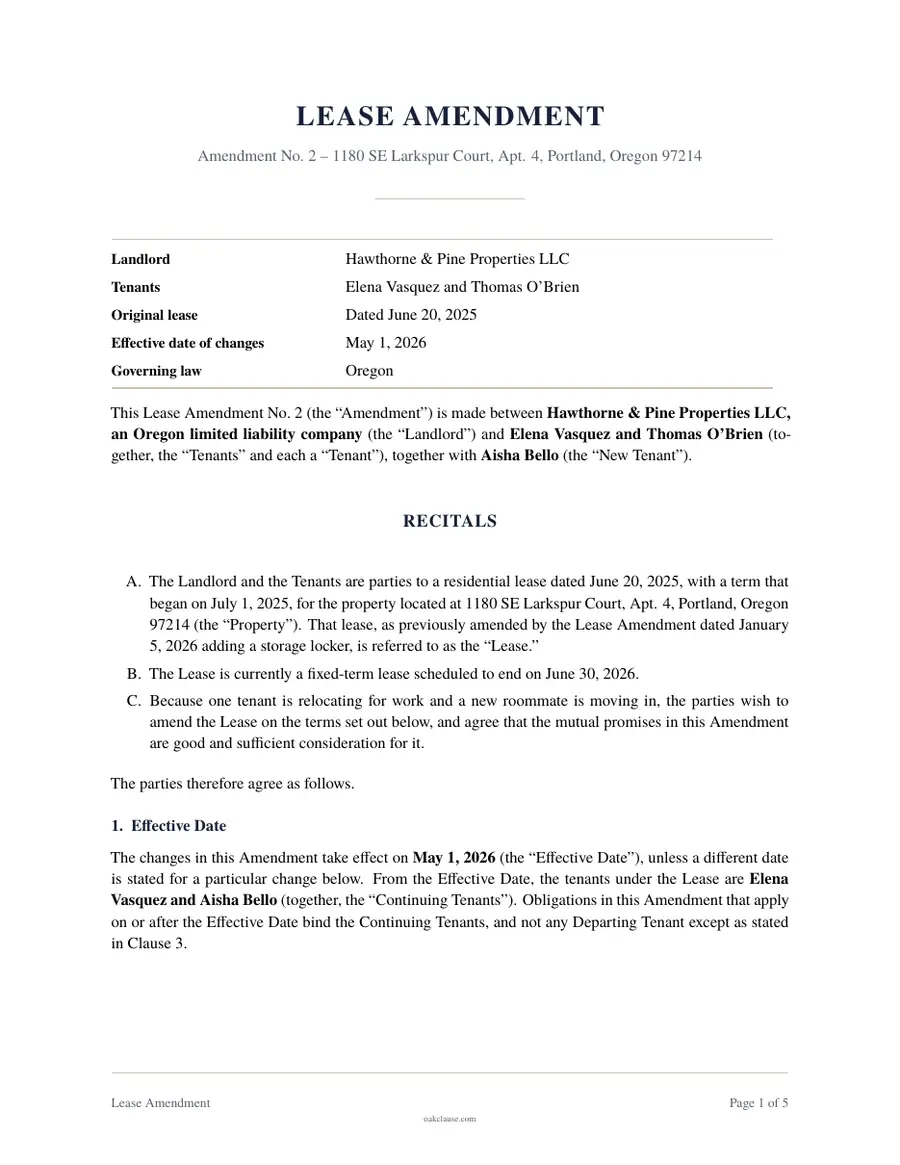
Yes, if both sides agree. Use a lease amendment that both the landlord and every tenant sign. A landlord cannot change the terms of a fixed-term lease on their own, and changes to a month-to-month agreement usually require advance written notice.
More New Mexico documents
Other documents people prepare for New Mexico, each with the state’s rules where we have checked them.
All New Mexico documents and rules