Referral Agreement
Put a referral or finder's fee arrangement in writing.
Includes 30 days of edits
- 5 to 20 minutes
- Print-ready PDF
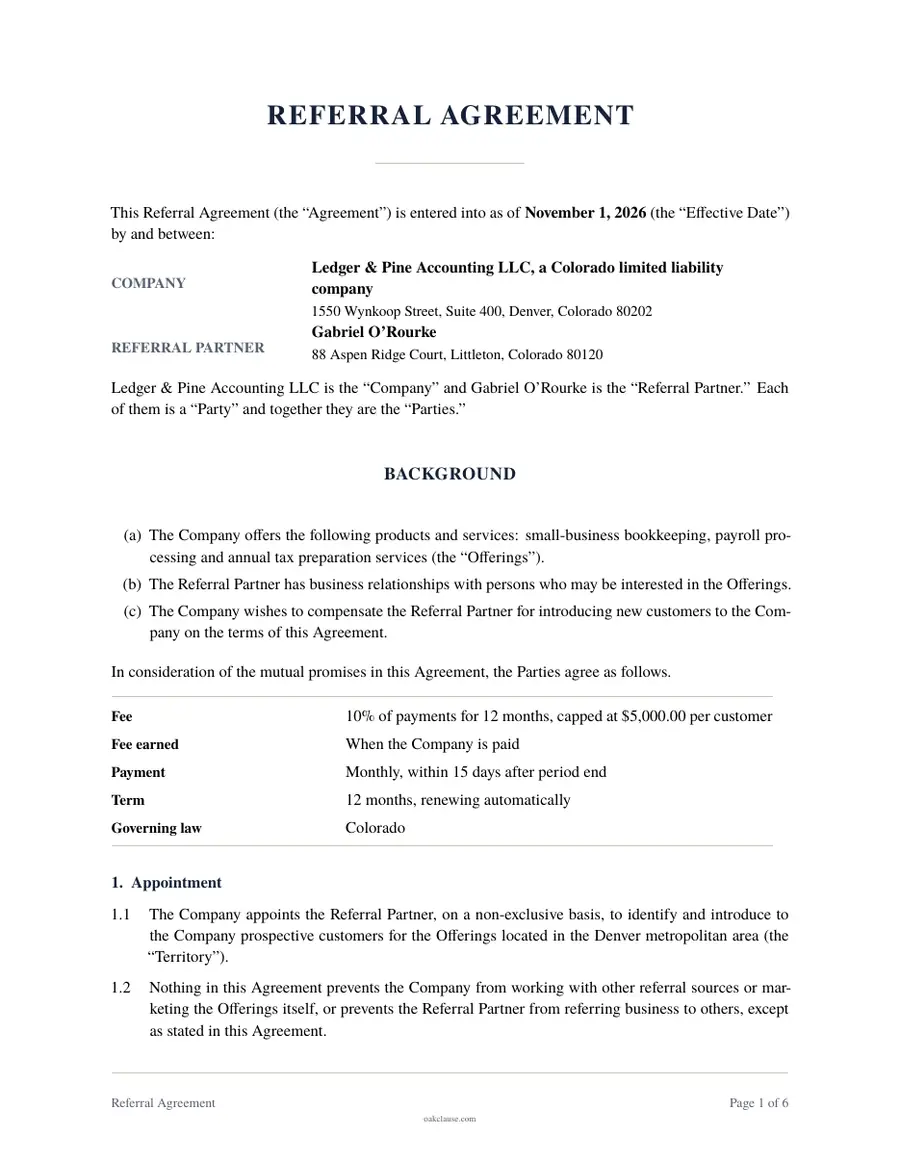
What is a Referral Agreement?
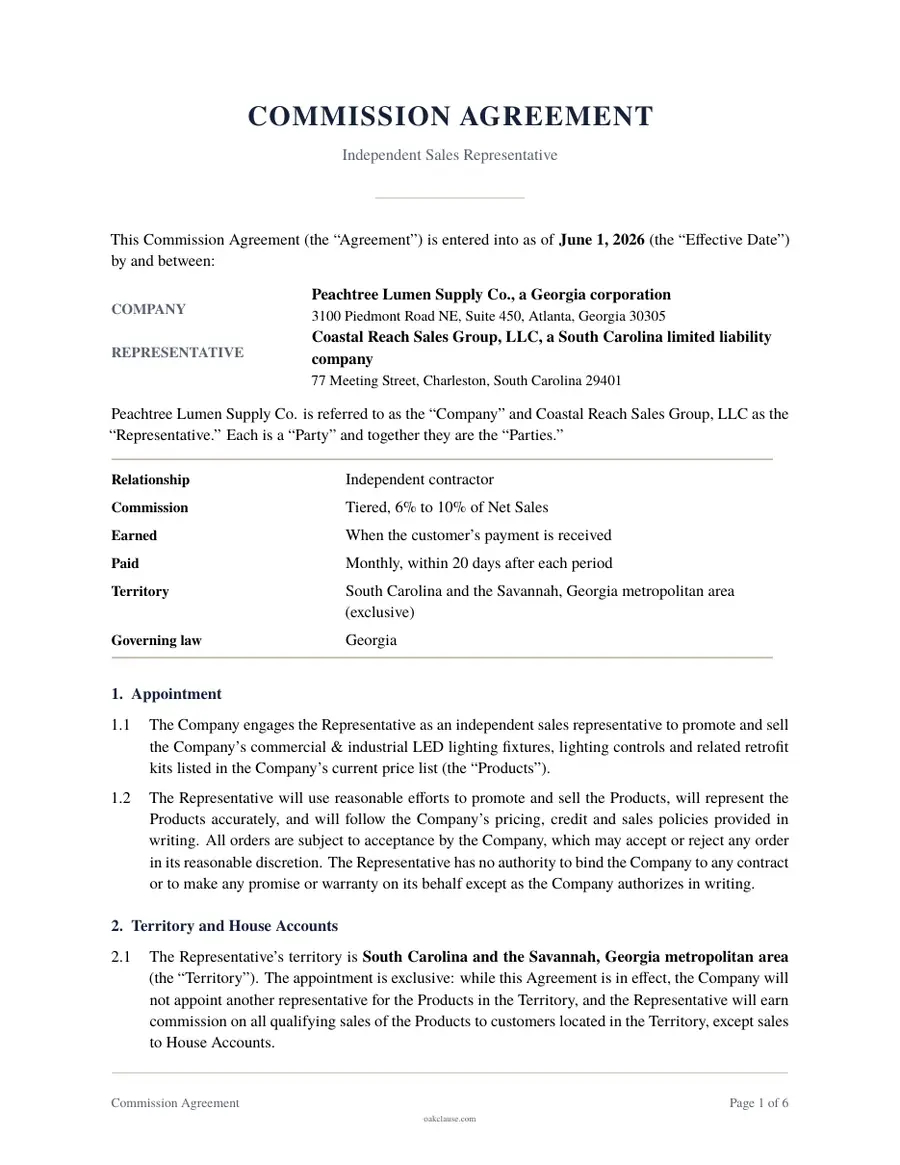
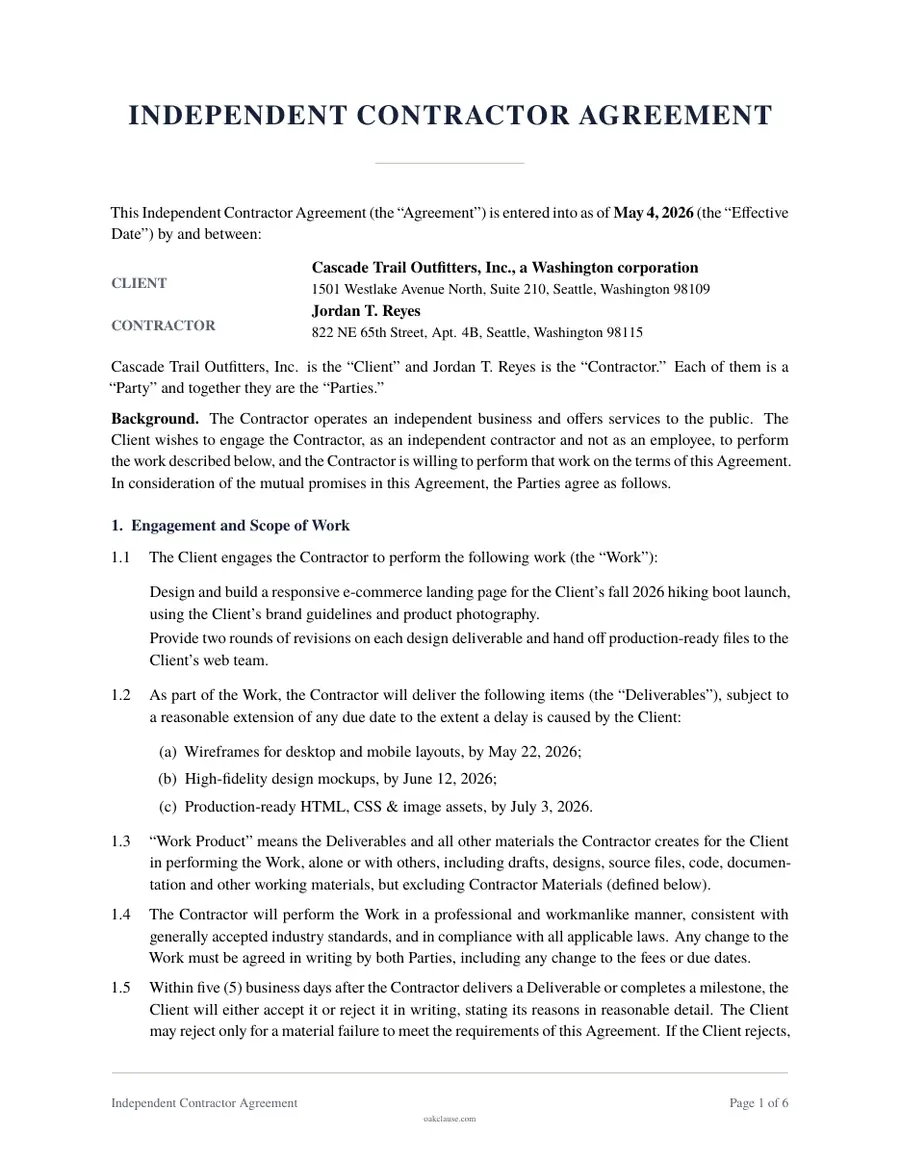
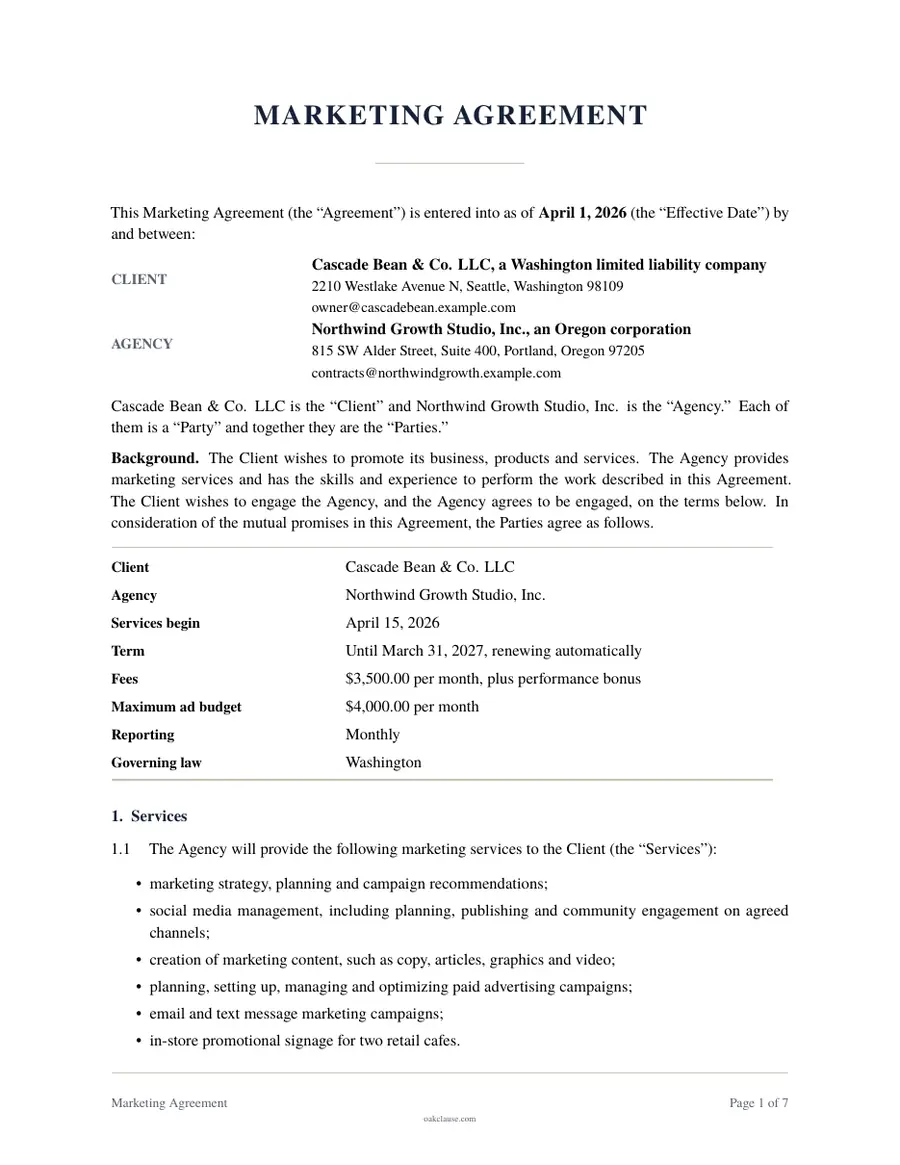
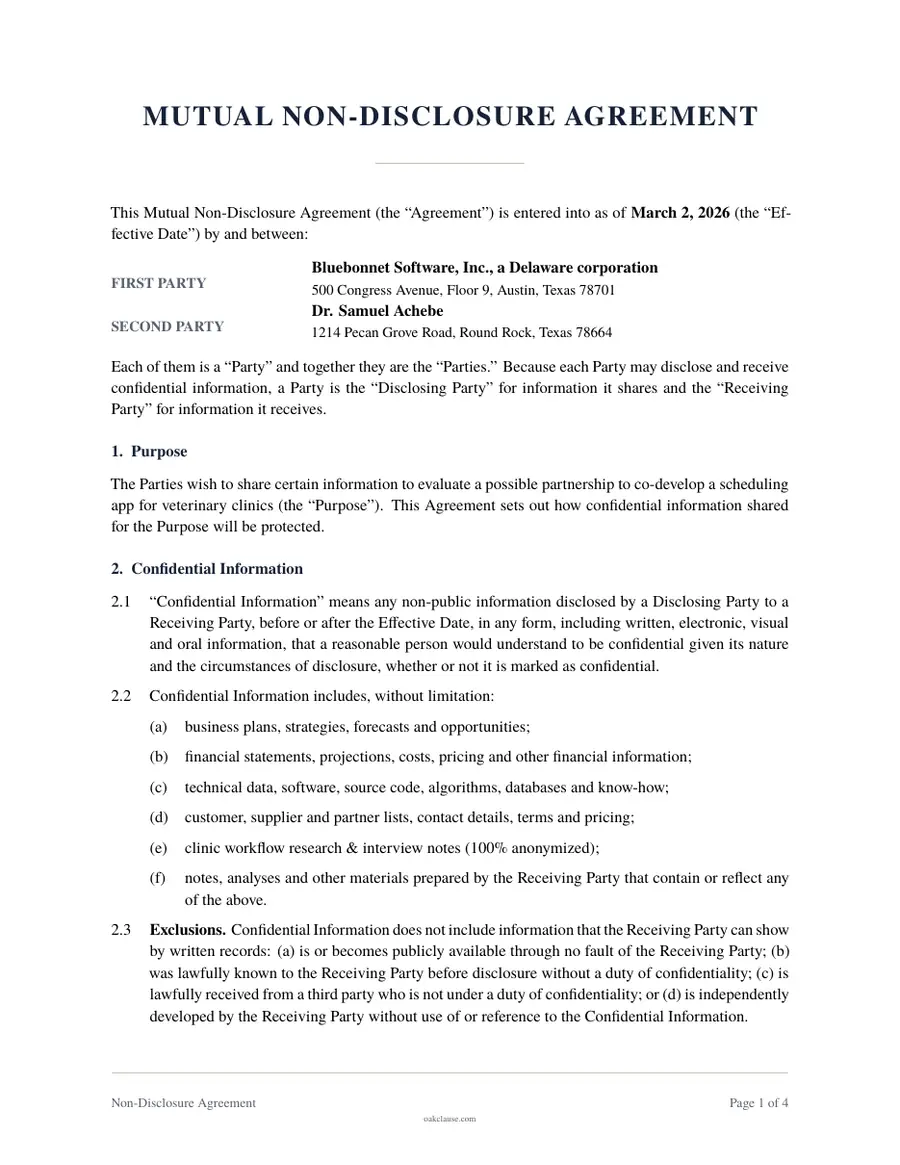
A referral agreement is a contract between a business and a person or company (the referral partner) who introduces new customers, clients or deals to that business. In return for the introduction, the business promises to pay a referral fee, sometimes called a finder's fee, once the referral turns into real business.
Most disputes over referral fees come from vague handshake deals: Was the customer already known to the business? Is the fee owed when the contract is signed or only once the customer pays? Does the fee continue on repeat orders? A written agreement answers those questions up front by defining a qualified referral, setting the fee formula, fixing the payment timeline and stating what happens to pending referrals if the relationship ends.
The agreement also makes clear that the referral partner is an independent contractor with no power to bind the business, and it can add confidentiality and non-circumvention protections. Referral fees are regulated in some industries, such as real estate, insurance, securities, legal services and healthcare, so the agreement includes a compliance clause and a reminder to check the rules that apply to your field.
When to use it
- You want to reward a partner, vendor or former client for sending new customers your way.
- You are a consultant, agency or freelancer who regularly refers work to another business and wants to be paid for it.
- You are setting up a formal referral or affiliate program with a few trusted partners.
- A finder is introducing you to a buyer, investor or strategic partner for a one-time deal.
- You already have an informal referral arrangement and want to document the fee before a large deal closes.
What is included
- Business and referral partner details, with business signers
- Background recitals and the products or services covered
- Definition of a qualified referral and how referrals are registered
- Flat, percentage or itemized fee schedule, with optional cap
- Payment timing, reports and refund adjustments
- Exclusivity, territory and existing-customer carve-outs
- Independent contractor status and industry compliance
- Optional confidentiality, non-circumvention and use of names
- Term, termination notice and fees on pending referrals
- Governing law, dispute resolution and signature blocks
How to make your Referral Agreement
Answer the questions
Tell us about the parties and the terms you want. Most documents take about 5 to 20 minutes.
Review the preview
Check the draft as you go and change any answer. The document updates instantly.
Download, sign and keep a copy
Download a print-ready PDF, sign it with the other parties, and give everyone a copy.
Frequently asked questions
What is the difference between a referral fee and a commission?
A referral fee rewards an introduction: the referral partner sends a prospect and the business does the selling. A commission usually pays a salesperson for actively selling, negotiating or closing deals. If the partner will be doing the selling, a sales commission agreement or independent contractor agreement may fit better.
When is a referral fee usually paid?
It depends on what the parties agree. Common choices are when the referred customer signs a contract, when the business receives the customer's first payment, or as a percentage of payments received over a set period. Paying only after the business has been paid protects the business from paying fees on deals that never produce revenue.
Are referral fees legal?
In most industries, yes. Some fields are tightly regulated: paying referral fees to unlicensed people can be prohibited in real estate, insurance, securities and legal services, and healthcare referrals face federal and state anti-kickback rules. Check the rules for your industry, and talk to an attorney if you work in a regulated field.
What happens if the referred customer was already talking to the business?
That is exactly the situation a written agreement should cover. This agreement lets you exclude existing customers and prospects the business was already in contact with, and lets the business confirm in writing which referrals it accepts so both sides know which customers qualify.
Does the referral partner keep earning fees after the agreement ends?
You choose. The agreement can pay fees on referrals made before termination that close within a set protection period afterward, or limit fees to deals completed before the end date. Spelling this out avoids the most common post-termination dispute.
Does the referral partner need to be an employee?
No. Referral partners are usually independent contractors, and this agreement says so. The business may need to collect a tax form from the partner and report fees paid during the year under federal tax rules, so keep good payment records.
What is a non-circumvention clause?
It is a promise that the business will not go around the referral partner to avoid paying the fee, for example by dealing directly with a referred customer through an affiliate. It protects the partner's right to be paid for introductions they made.
Does a referral agreement need to be notarized?
No. A referral agreement is valid once both parties sign it. Electronic signatures are generally accepted for this kind of business contract.