Kansas Hold Harmless Agreement
Decide in advance who bears the cost if something goes wrong.
Includes 30 days of edits
- 5 to 20 minutes
- Print-ready PDF
- Tailored to Kansas
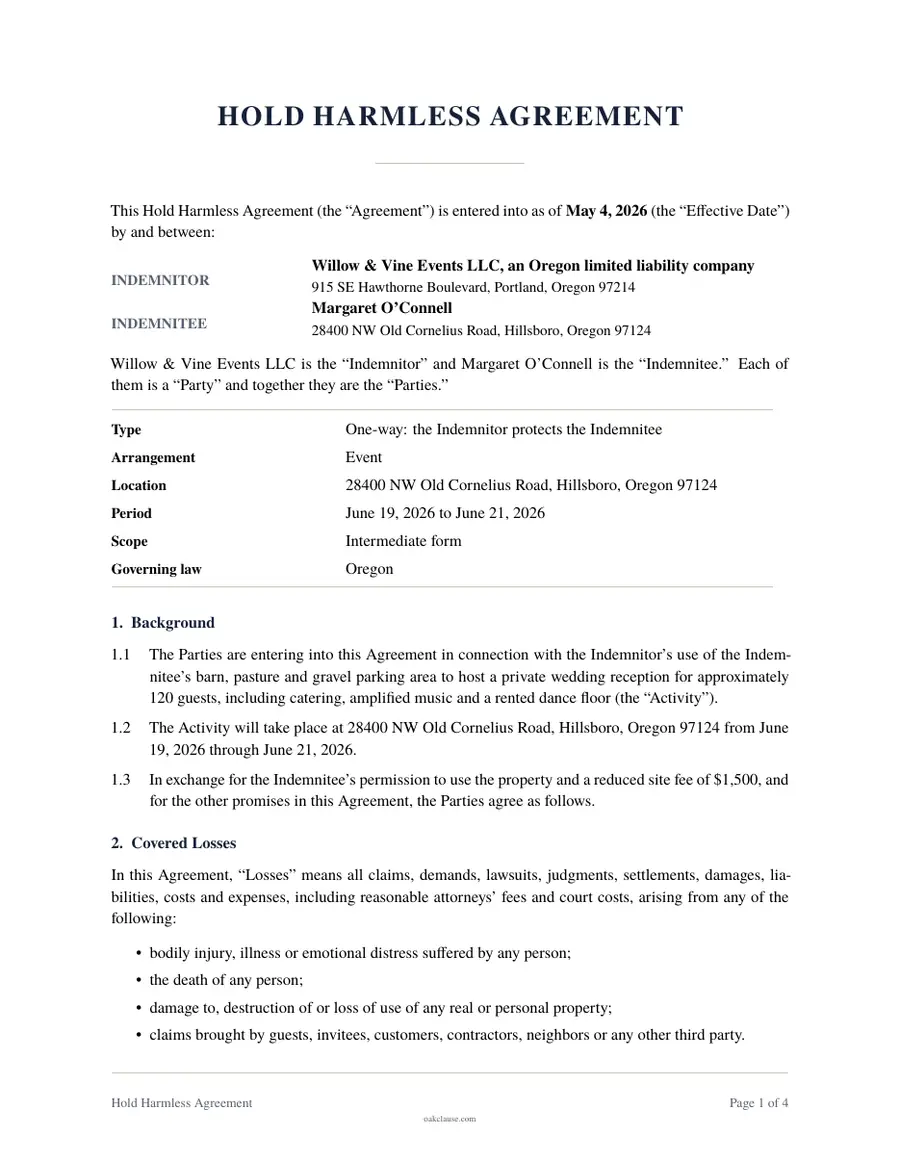
Hold Harmless Agreement rules in Kansas
Every state allows hold harmless agreements in some form, but the details vary widely. Many states limit or prohibit clauses that make one party responsible for the other party's own negligence, especially in construction contracts, and some require that such a shift of responsibility be stated clearly and conspicuously to be enforced. States also differ on whether protection can extend to gross negligence or intentional misconduct, on the duty to defend, and on how insurance requirements interact with the indemnity. This agreement always excludes the protected party's gross negligence and willful misconduct and applies the rest of its terms only to the extent permitted by the law of the state you choose.
When you create this document for Kansas, the questionnaire uses Kansas as the governing law and adds wording that defers to Kansas requirements where they apply. Laws change, so confirm current rules with official Kansas sources or a local attorney for anything critical.
What is a Hold Harmless Agreement?
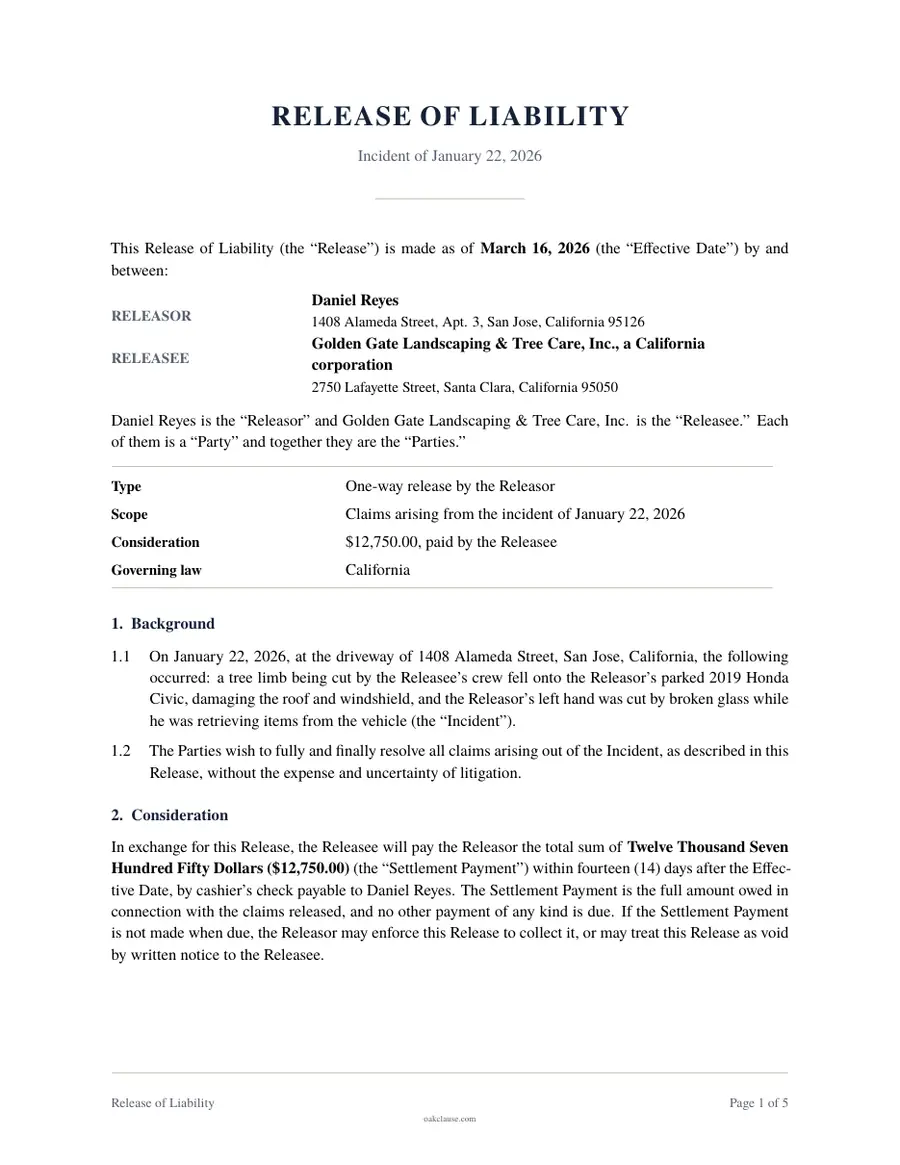
A hold harmless agreement, also called an indemnity or indemnification agreement, is a contract in which one party (the indemnitor) agrees to protect another party (the indemnitee) from losses, claims and legal costs connected to a particular activity. If someone is hurt or property is damaged and a claim is brought, the indemnitor takes responsibility for it instead of the indemnitee.
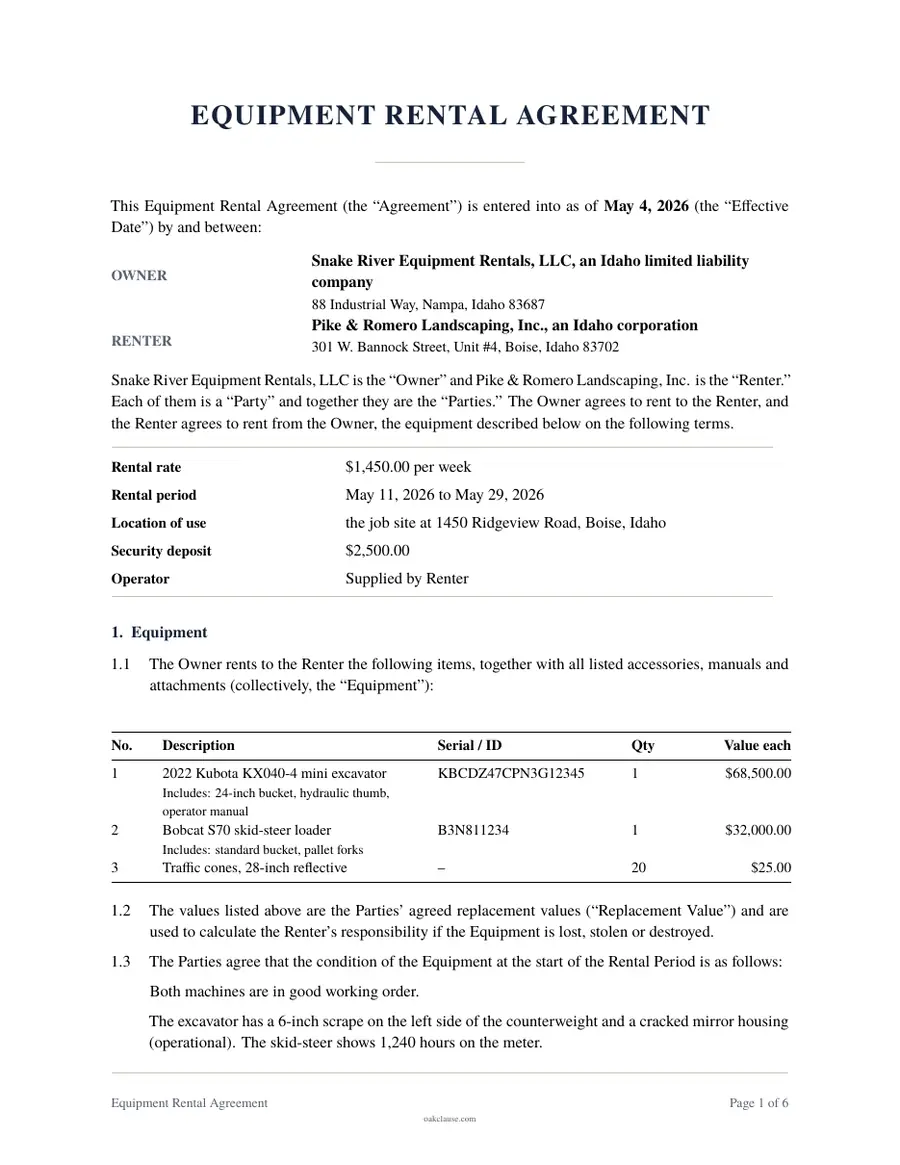
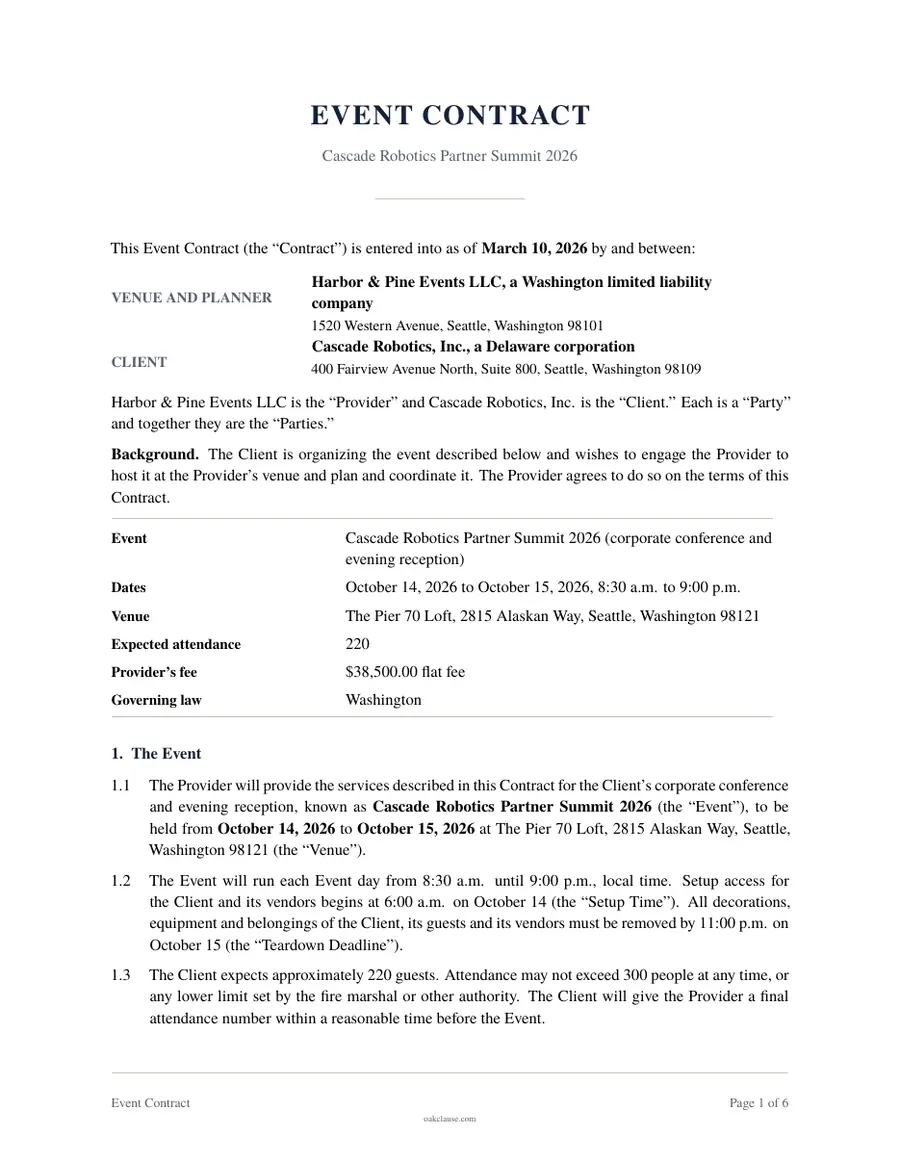
These agreements are common when one person lets another use their property, venue or equipment, or when a contractor performs work on someone else's premises. The agreement describes the activity, sets how broad the protection is, says whether the indemnitor must also pay for the indemnitee's legal defense, and can require insurance to back up the promise.
Hold harmless agreements can be one-way, where only one side gives protection, or mutual, where each side covers the losses caused by its own conduct. Courts look closely at these clauses, so clear and specific wording matters, and the agreement keeps its promises within the limits that the governing state's law allows.
When to use it
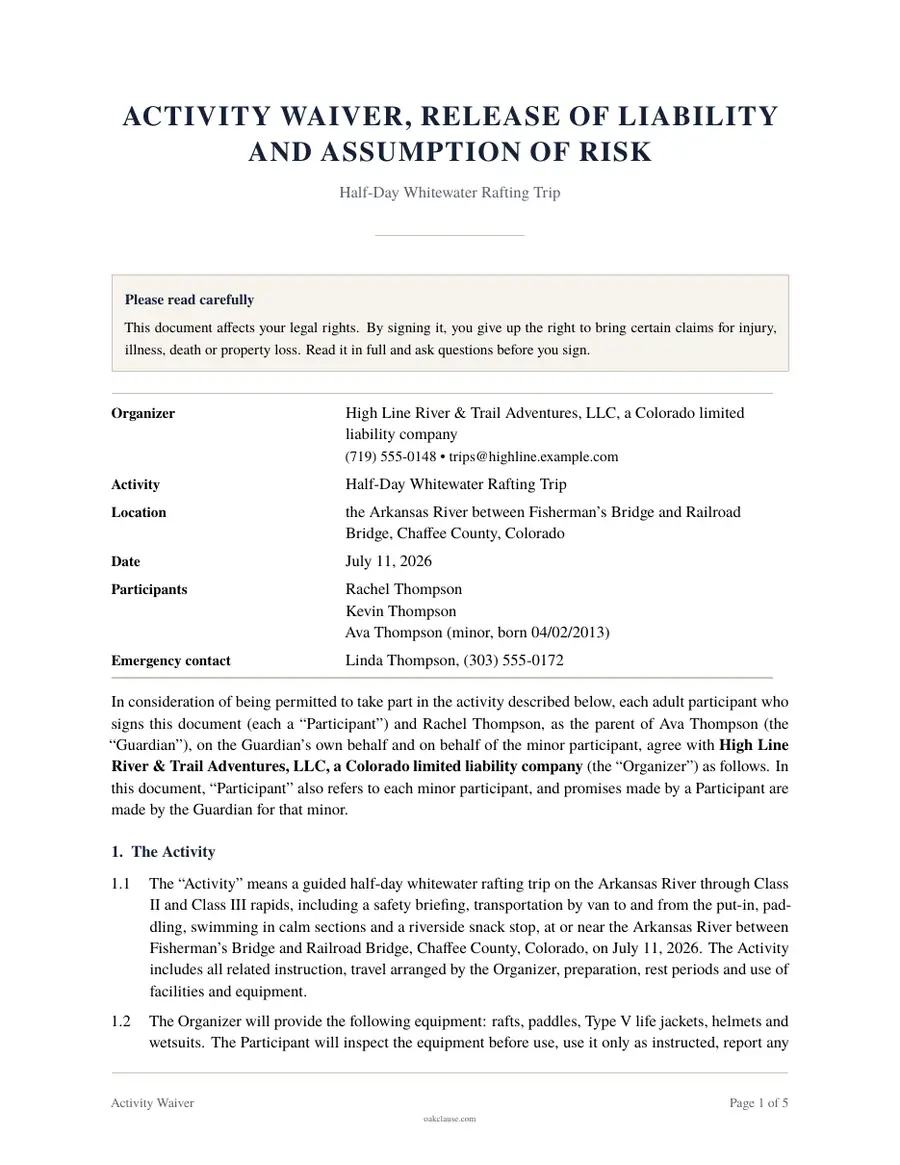
- You are letting someone use your land, building, pool, venue or vehicle for an event or project.
- A contractor or vendor will be working on your premises and you want them to bear the risk of their work.
- You are lending or renting out equipment and want the borrower to cover any injury or damage it causes.
- Two businesses are collaborating on an event and want each side to cover losses caused by its own people.
- A landlord, school, club or nonprofit is allowing an outside group to use its facilities.
What is included
- One-way or mutual structure with clearly defined indemnitor and indemnitee
- Description of the activity, location and time period covered
- Choice of broad, intermediate or limited scope of protection
- Types of claims covered, such as injury, property damage and third-party claims
- Optional duty to defend and procedure for handling claims
- Carve-out for the protected party's gross negligence or willful misconduct
- Optional insurance requirement with additional insured status
- Governing law, dispute resolution and signature blocks with optional notary
How to make your Hold Harmless Agreement
Answer the questions
Tell us about the parties and the terms you want. Most documents take about 5 to 20 minutes.
Review the preview
Check the draft as you go and change any answer. The document updates instantly.
Download, sign and keep a copy
Download a print-ready PDF, sign it with the other parties, and give everyone a copy.
Hold Harmless Agreement in another state
Back to the general hold harmless agreement page51 states shown
- ALAlabama
- AKAlaska
- AZArizona
- ARArkansas
- CACalifornia
- COColorado
- CTConnecticut
- DEDelaware
- DCDistrict of Columbia
- FLFlorida
- GAGeorgia
- HIHawaii
- IDIdaho
- ILIllinois
- INIndiana
- IAIowa
- KSKansas
- KYKentucky
- LALouisiana
- MEMaine
- MDMaryland
- MAMassachusetts
- MIMichigan
- MNMinnesota
- MSMississippi
- MOMissouri
- MTMontana
- NENebraska
- NVNevada
- NHNew Hampshire
- NJNew Jersey
- NMNew Mexico
- NYNew York
- NCNorth Carolina
- NDNorth Dakota
- OHOhio
- OKOklahoma
- OROregon
- PAPennsylvania
- RIRhode Island
- SCSouth Carolina
- SDSouth Dakota
- TNTennessee
- TXTexas
- UTUtah
- VTVermont
- VAVirginia
- WAWashington
- WVWest Virginia
- WIWisconsin
- WYWyoming
Frequently asked questions
What is the difference between hold harmless and indemnify?
In everyday use the terms are combined and mean much the same thing: the indemnitor will cover the other party's losses from certain claims. Some courts read "hold harmless" as also protecting against claims by the indemnitor itself, which is why agreements usually use both phrases together.
What is the difference between a one-way and a mutual hold harmless agreement?
In a one-way agreement only one party gives protection, often the party using property or doing the work. In a mutual agreement each party covers losses caused by its own acts and the acts of its people, which spreads risk based on fault.
What do broad, intermediate and limited forms mean?
A broad form makes the indemnitor responsible for covered claims even if the indemnitee was partly or entirely at fault. An intermediate form covers claims unless the indemnitee was solely at fault. A limited form covers only the share of a loss caused by the indemnitor. Broad forms face the most restrictions under state law.
What is a duty to defend?
A duty to defend requires the indemnitor to pay for the indemnitee's lawyers when a covered claim is brought, not just to reimburse a judgment or settlement at the end. It often matters as much as the indemnity itself, because legal fees can be substantial.
Is a hold harmless agreement the same as a release of liability?
No. A release is a promise not to sue the other party yourself. A hold harmless agreement is a promise to cover the other party if anyone, including third parties, brings a claim. The two are often used together, but they do different jobs.
Should I require insurance as well?
A promise to pay is only as good as the indemnitor's ability to pay. Requiring liability insurance, and naming the indemnitee as an additional insured, gives the protection real financial backing. This agreement lets you set a minimum coverage amount.
Does a hold harmless agreement need to be notarized?
Generally no. It becomes binding when both parties sign. A notary acknowledgment can still be added as extra evidence of who signed and when.
Can a hold harmless agreement protect against gross negligence?
In most states, a party cannot be protected from the consequences of its own gross negligence or intentional wrongdoing, and courts will not enforce clauses that try. This agreement excludes those situations so the rest of it is more likely to hold up.
More Kansas documents
Other documents people prepare for Kansas, each with the state’s rules where we have checked them.
All Kansas documents and rules