Flying with children takes more planning than flying alone, and paperwork is a big part of it. The documents you need depend on where you are going, how old your child is, and whether both parents are on the trip. Here is what families typically need for domestic and international flights, plus the practical details that make airport day go more smoothly.
Domestic flights: identification
The Transportation Security Administration does not require children under 18 to show identification when traveling with an adult companion within the United States. The adult needs acceptable ID, which since the REAL ID enforcement date means a REAL ID-compliant license, a passport or another accepted document.
Airlines are a separate matter. Many ask for proof of age for a lap infant, to confirm the child is under two, and some ask for proof of age for children traveling on youth fares or as unaccompanied minors. A copy of the birth certificate or the child's passport is usually enough. Check your airline's policy before you leave.
International flights: passports and visas
Every traveler, including a newborn, needs their own passport for international air travel. US passports for children under 16 are valid for five years, rather than the ten years adults get, so check expiration dates well before a trip. Many countries also require a passport to be valid for several months beyond your travel dates.
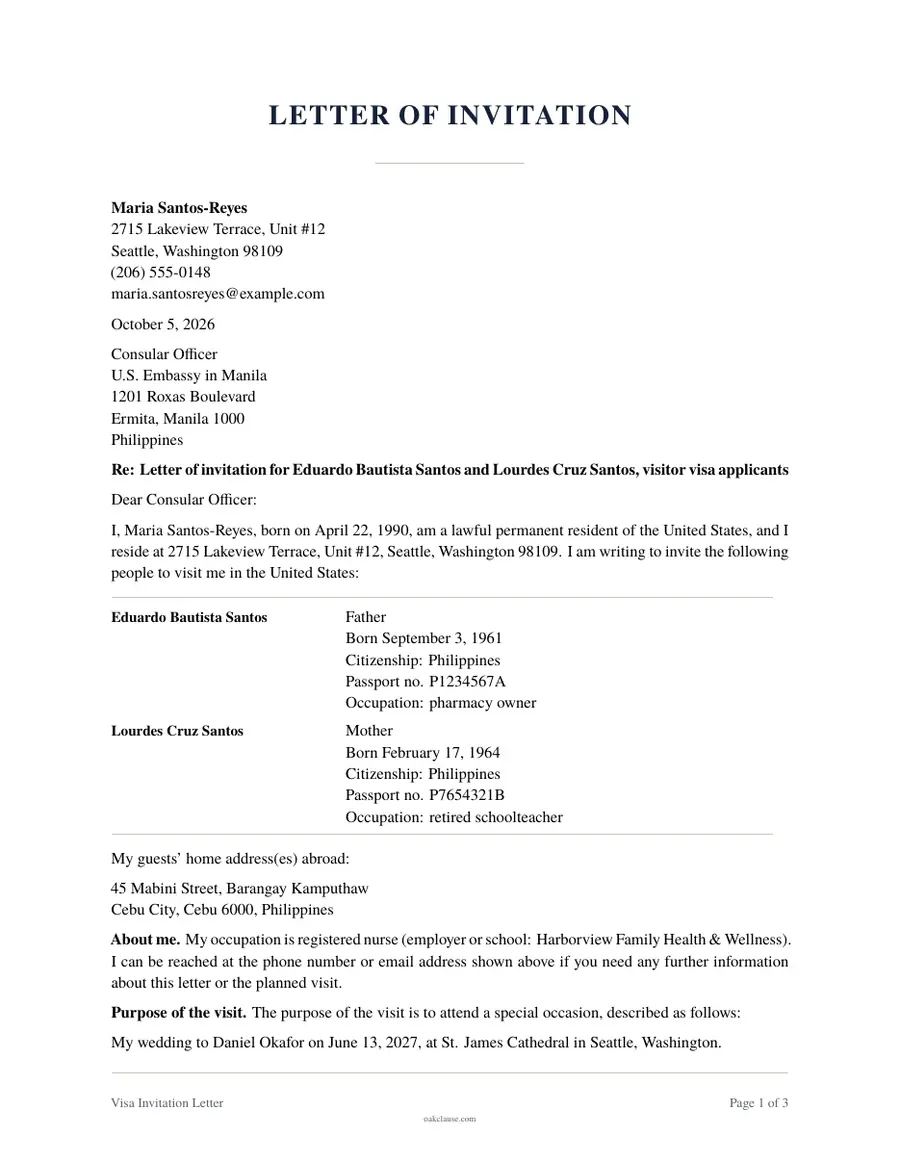
Applying for a child's passport generally requires the child to appear in person and both parents or guardians to consent, either by appearing together or by one parent providing a signed, notarized statement of consent from the other. A parent with sole custody can submit proof, such as a court order. Allow plenty of time, since processing times change throughout the year. Check whether your destination requires a visa or an electronic travel authorization for children as well as adults.
Traveling with only one parent, or with another adult
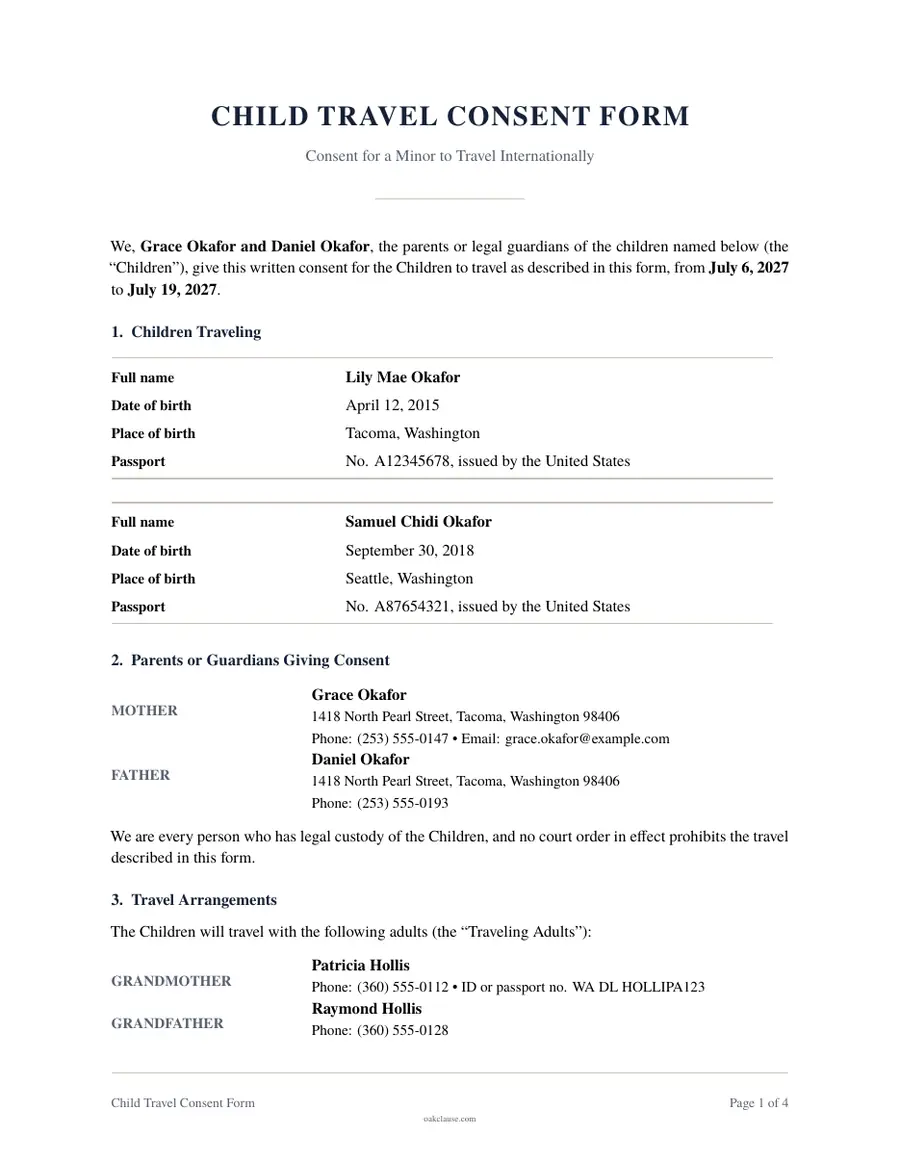
Child abduction concerns mean that airline staff and immigration officers may ask questions when a child travels without both parents. Some countries require a notarized consent letter from any parent who is not traveling; others simply recommend it. Canada, for example, advises travelers to carry a consent letter when a child travels with only one parent or with another adult, and several countries in Latin America and elsewhere have specific rules for minors entering or leaving.
A good consent letter names the child and both parents, identifies the accompanying adult, lists the destination and dates, includes contact information for the non-traveling parent and is signed and preferably notarized. Bring supporting documents that explain any differences in names or family situation.
- Notarized travel consent from the non-traveling parent
- A copy of the non-traveling parent's ID
- The child's birth certificate, especially if parent and child have different last names
- A custody order if one parent has sole custody or if the order limits travel
- A death certificate if a parent has died
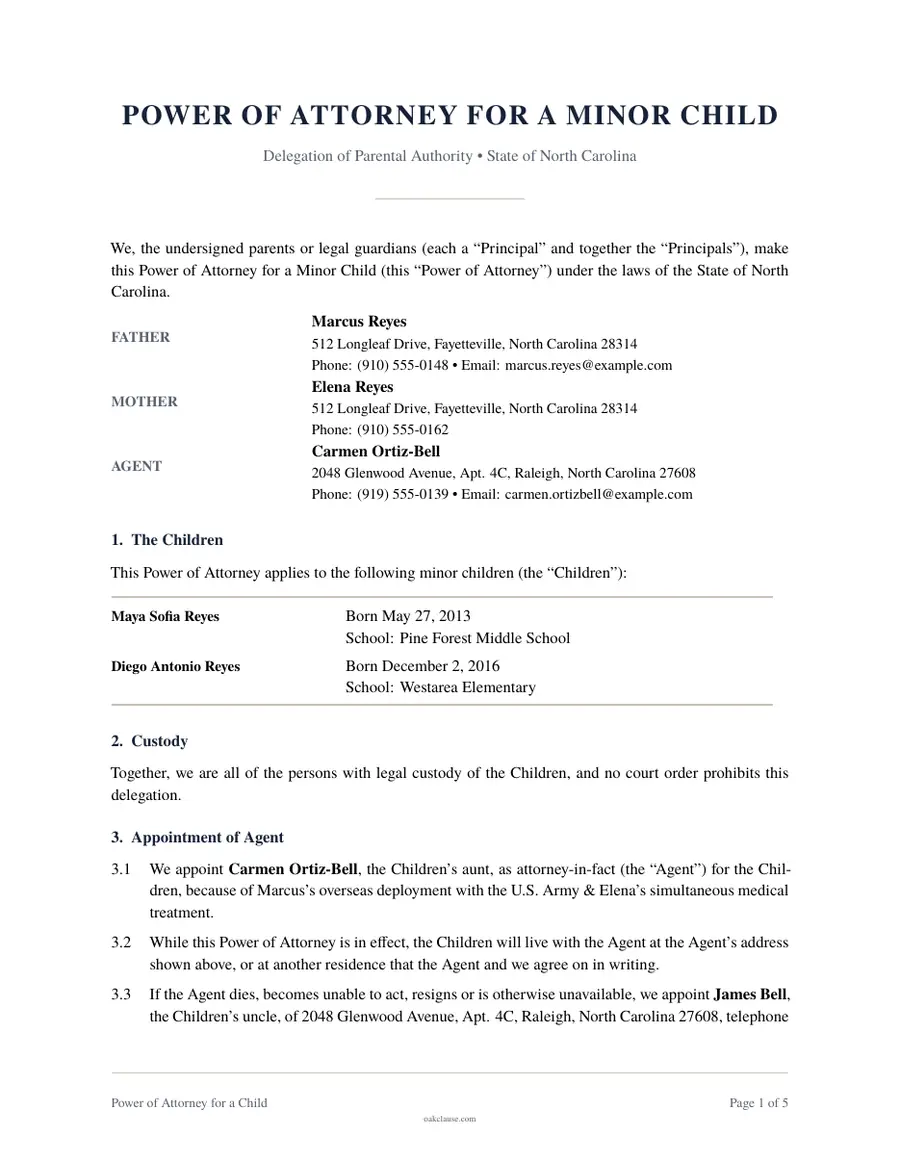
- Adoption or guardianship papers where relevant
Children flying alone
Each airline sets its own unaccompanied minor rules, including the ages covered, whether the service is mandatory or optional, which routes are allowed and the fee. Younger children are usually limited to nonstop or direct flights. Expect to provide the names, addresses and IDs of the adults dropping off and picking up the child, and plan to stay at the gate until the flight departs. The adult collecting the child will need to show ID that matches the form.
For an international trip, check both the airline's policy and the destination's entry requirements for unaccompanied minors, which may include a specific consent form.
Seats, lap infants and car seats
Most US airlines allow children under two to fly on an adult's lap on domestic flights, often for free. International lap infants usually pay a reduced fare plus taxes. The Federal Aviation Administration recommends that children ride in an approved child restraint in their own seat, because a lap is not a secure place during turbulence.
If you bring a car seat on board, look for a label stating that it is certified for use in motor vehicles and aircraft. Airlines generally require car seats to be placed in a window seat so they do not block other passengers, and not in an exit row. Booster seats are not approved for use during taxi, takeoff and landing, though they can usually be checked or carried on. The FAA also approves a harness-style device for children in a certain weight range.
Security screening
Children generally go through standard screening, though TSA uses modified procedures for younger children, who usually do not need to remove their shoes. Strollers and car seats must go through the X-ray machine if they fit, or be inspected by hand.
Formula, breast milk, juice and baby food for infants and toddlers are allowed in reasonable quantities above the usual liquids limit. Remove them from your bag and tell the officer at the start of screening. Ice packs and freezer packs used to keep them cold are also generally allowed.
Health and medical paperwork
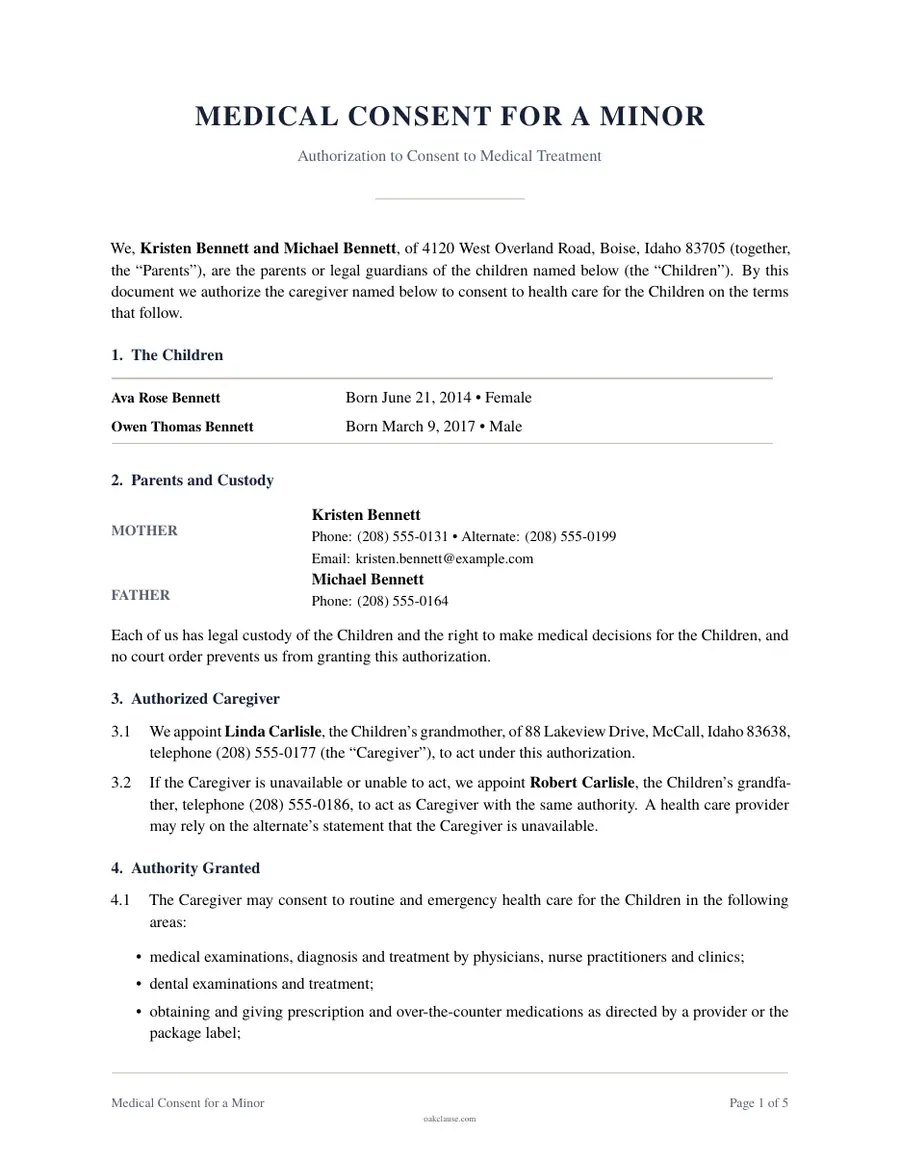
Pack enough of any medications your child takes for the trip plus a few days' extra, in carry-on bags and in their original labeled containers. If your child has a medical condition, carry a short summary from the child's doctor. When the child is traveling with someone other than a parent, give that adult a signed medical consent along with copies of insurance cards.
For international trips, check whether your health insurance covers care abroad and look at the destination's vaccination recommendations. Some countries require proof of certain vaccinations for entry.
Document checklist
Keep these together in a folder, with photos stored on your phone:
- Adult's REAL ID or passport
- Child's passport for international trips, with any visa or travel authorization
- Birth certificate or other proof of age for lap infants and youth fares
- Notarized consent from any parent who is not traveling
- Custody order, guardianship papers or death certificate if relevant
- Medical consent form if the child travels without a parent
- Insurance cards and a list of medications and allergies
- Unaccompanied minor forms and pick-up adult details if the child flies alone