Pennsylvania Satisfaction of Mortgage
Clear a paid-off mortgage from the public record.
Includes 30 days of edits
- 5 to 20 minutes
- Print-ready PDF
- Tailored to Pennsylvania
Satisfaction of Mortgage rules in Pennsylvania
Each state sets its own rules for releasing a paid mortgage, including how soon after payoff the lender must deliver or record the satisfaction, whether the borrower can recover damages if the lender fails to do so, who may sign for a business holder, and what the county recorder requires for formatting, witnesses and acknowledgment. Some states call the document a release or discharge and a few use a marginal notation on the original record. This form asks for the property's state and county and states that the release is given under that state's law, without listing specific deadlines or penalties. Check the county recorder's requirements before recording. If the loan was secured by a deed of trust rather than a mortgage, the release is usually a reconveyance signed by the trustee instead.
When you create this document for Pennsylvania, the questionnaire uses Pennsylvania as the governing law and adds wording that defers to Pennsylvania requirements where they apply. Laws change, so confirm current rules with official Pennsylvania sources or a local attorney for anything critical.
What is a Satisfaction of Mortgage?
A satisfaction of mortgage, also called a mortgage release or discharge of mortgage, is a short document signed by the lender (or whoever now holds the mortgage) confirming that the loan secured by a mortgage has been paid and that the lender no longer has any claim against the property. Once it is recorded with the county where the property is located, the mortgage stops appearing as an open lien on the title.
Paying off a loan does not, by itself, remove the mortgage from the land records. Until a satisfaction is recorded, the old mortgage can show up in title searches and delay a sale or refinance. Banks usually handle this automatically, but private lenders, family members and sellers who financed a sale often need to prepare the document themselves.
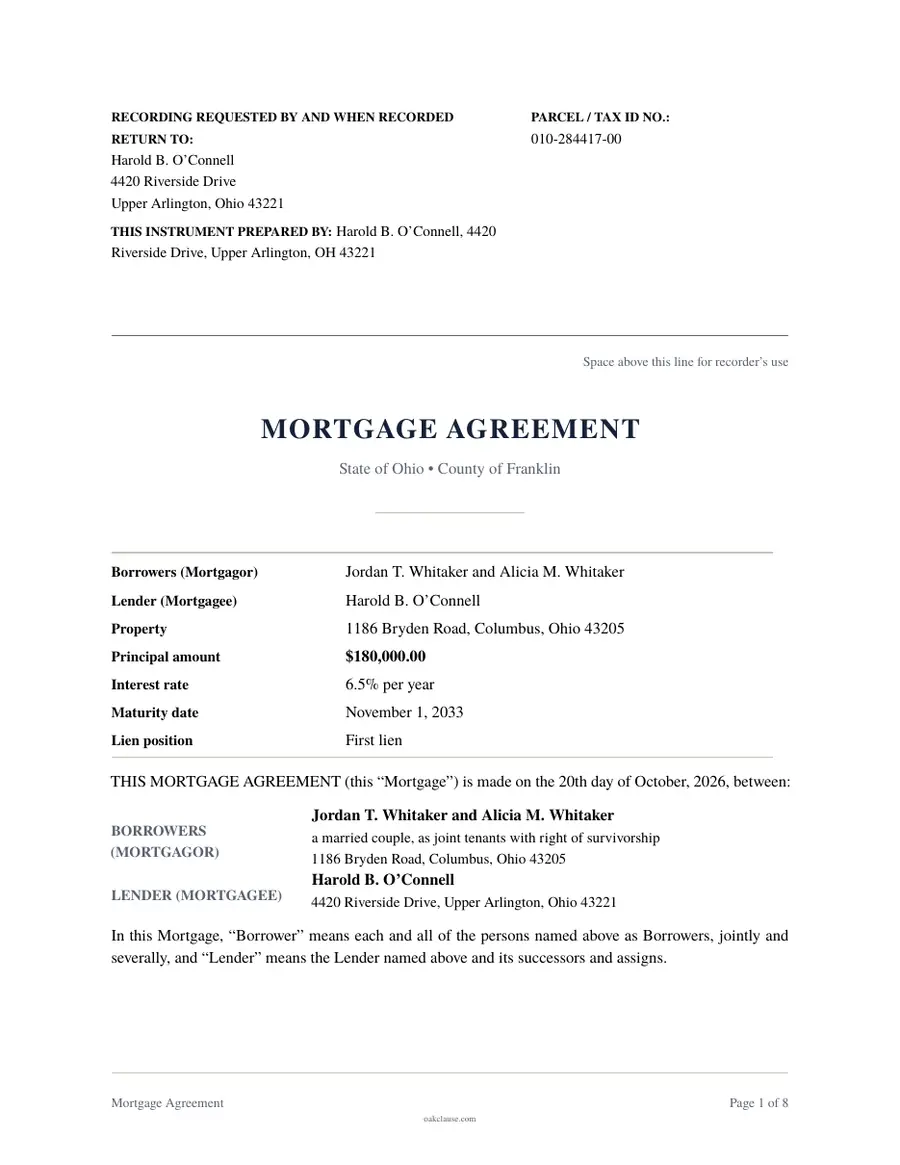
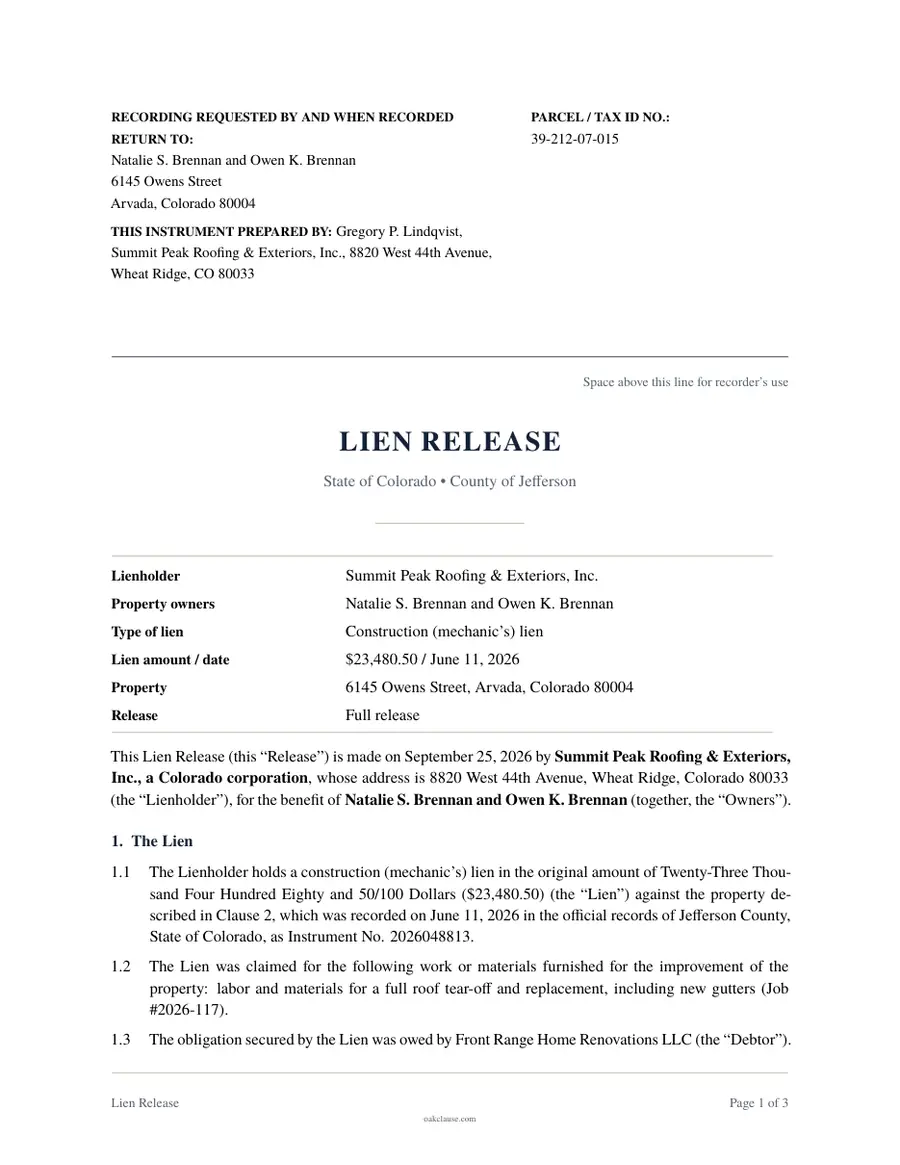
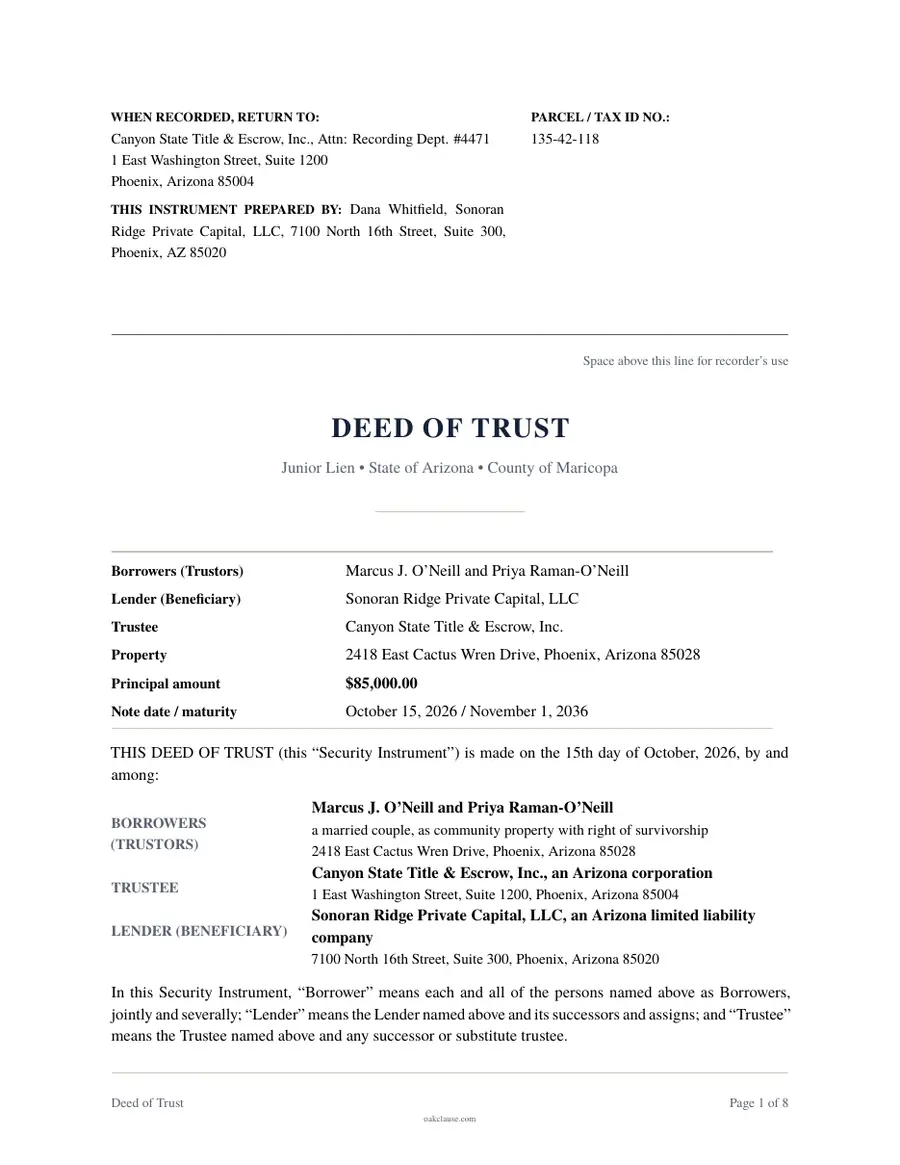
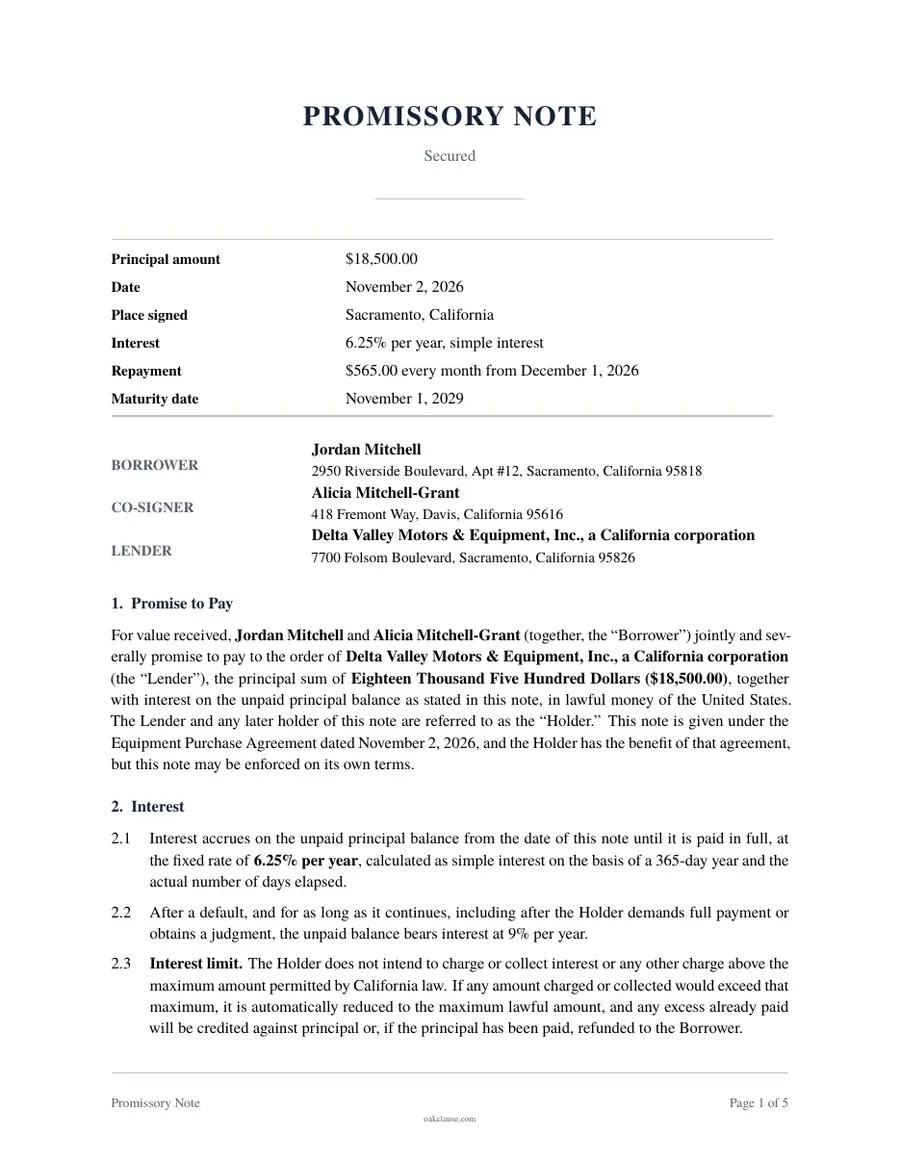
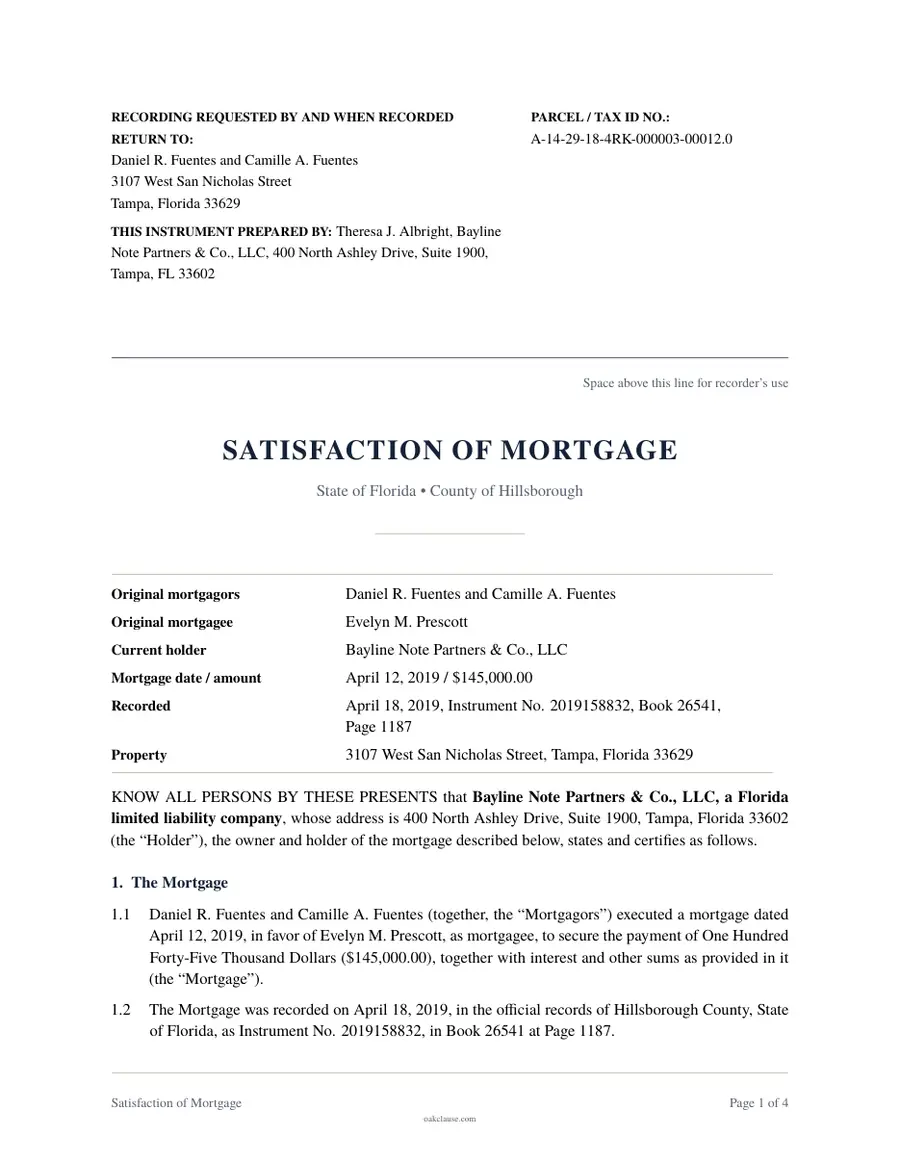
This form identifies the original mortgage by its date, parties, amount and recording information, traces any assignments to the current holder, states that the debt has been satisfied, and directs the county recorder to cancel or note the release of the mortgage. It includes signature lines for the holder, optional witness lines and a notary acknowledgment.
When to use it
- A private or family loan secured by a mortgage has been paid in full and the lender needs to release the lien.
- You financed the sale of your property, the buyer has finished paying, and you need to clear the title.
- A title search turned up an old mortgage that was paid years ago but never released.
- You bought a mortgage through an assignment and the borrower has now paid you off.
- The parties agreed to accept a settlement in full satisfaction of a mortgage debt and the lender must release the lien.
What is included
- Recorder's header with preparer, return address and parcel number
- Identification of the original mortgage, parties, amount and date
- Recording reference by instrument number or book and page
- Chain of assignments to the current holder
- Statement that the debt is paid or otherwise satisfied
- Release of the lien and direction to cancel the mortgage of record
- Optional return of the canceled promissory note
- Signature for an individual or business holder
- Optional witness lines and notary acknowledgment
How to make your Satisfaction of Mortgage
Answer the questions
Tell us about the parties and the terms you want. Most documents take about 5 to 20 minutes.
Review the preview
Check the draft as you go and change any answer. The document updates instantly.
Download, sign and keep a copy
Download a print-ready PDF, sign it with the other parties, and give everyone a copy.
Satisfaction of Mortgage in another state
Back to the general satisfaction of mortgage page51 states shown
- ALAlabama
- AKAlaska
- AZArizona
- ARArkansas
- CACalifornia
- COColorado
- CTConnecticut
- DEDelaware
- DCDistrict of Columbia
- FLFlorida
- GAGeorgia
- HIHawaii
- IDIdaho
- ILIllinois
- INIndiana
- IAIowa
- KSKansas
- KYKentucky
- LALouisiana
- MEMaine
- MDMaryland
- MAMassachusetts
- MIMichigan
- MNMinnesota
- MSMississippi
- MOMissouri
- MTMontana
- NENebraska
- NVNevada
- NHNew Hampshire
- NJNew Jersey
- NMNew Mexico
- NYNew York
- NCNorth Carolina
- NDNorth Dakota
- OHOhio
- OKOklahoma
- OROregon
- PAPennsylvania
- RIRhode Island
- SCSouth Carolina
- SDSouth Dakota
- TNTennessee
- TXTexas
- UTUtah
- VTVermont
- VAVirginia
- WAWashington
- WVWest Virginia
- WIWisconsin
- WYWyoming
Frequently asked questions
Who signs a satisfaction of mortgage?
The current holder of the mortgage signs it. That is the original lender unless the mortgage was assigned, in which case the most recent assignee signs. For a business holder, an officer or authorized agent signs on its behalf. The borrower does not need to sign.
Does a satisfaction of mortgage need to be notarized?
Almost always. County recorders generally require the holder's signature to be acknowledged before a notary public before they will record the document, and a few states also require witnesses. This form includes a notary acknowledgment and optional witness lines.
Who records the satisfaction, and where?
It is recorded in the land records of the county where the property is located, usually at the county recorder, register of deeds or clerk's office. State law often makes the lender responsible for recording or delivering it, but in private loans the parties frequently agree that the borrower will record it.
How long does a lender have to release a paid-off mortgage?
It depends on the state. Most states set a deadline after payoff for the lender to record or deliver the release, and some allow the borrower to recover damages or penalties if the lender misses it. Check your state's rule if a lender is slow to act.
What information do I need from the original mortgage?
You need the names of the original borrowers and lender, the date and amount of the mortgage, and its recording information, such as the instrument or document number, or the book and page, and the recording date. You can find these on the recorded mortgage or by searching the county's land records.
What if the mortgage was transferred to a different lender?
List each assignment in the order it occurred so the record shows how the current holder obtained the mortgage. If an assignment was never recorded, many recorders require it to be recorded first, or the satisfaction to explain the transfer.
Is a satisfaction of mortgage the same as a deed of reconveyance?
They do the same job for different instruments. A satisfaction releases a mortgage, which has two parties. A deed of reconveyance releases a deed of trust, where a trustee holds title and must reconvey it to the borrower once the loan is paid.
Should the borrower get the original promissory note back?
It is common for the lender to mark the note paid or canceled and return it to the borrower with the satisfaction. That gives the borrower proof that the debt is gone. This form lets you state that the canceled note is being returned.
More Pennsylvania documents
Other documents people prepare for Pennsylvania, each with the state’s rules where we have checked them.
All Pennsylvania documents and rules