Personal Guarantee
Back up a loan, lease or credit account with one or more people's personal promise to pay.
Includes 30 days of edits
- 5 to 20 minutes
- Print-ready PDF
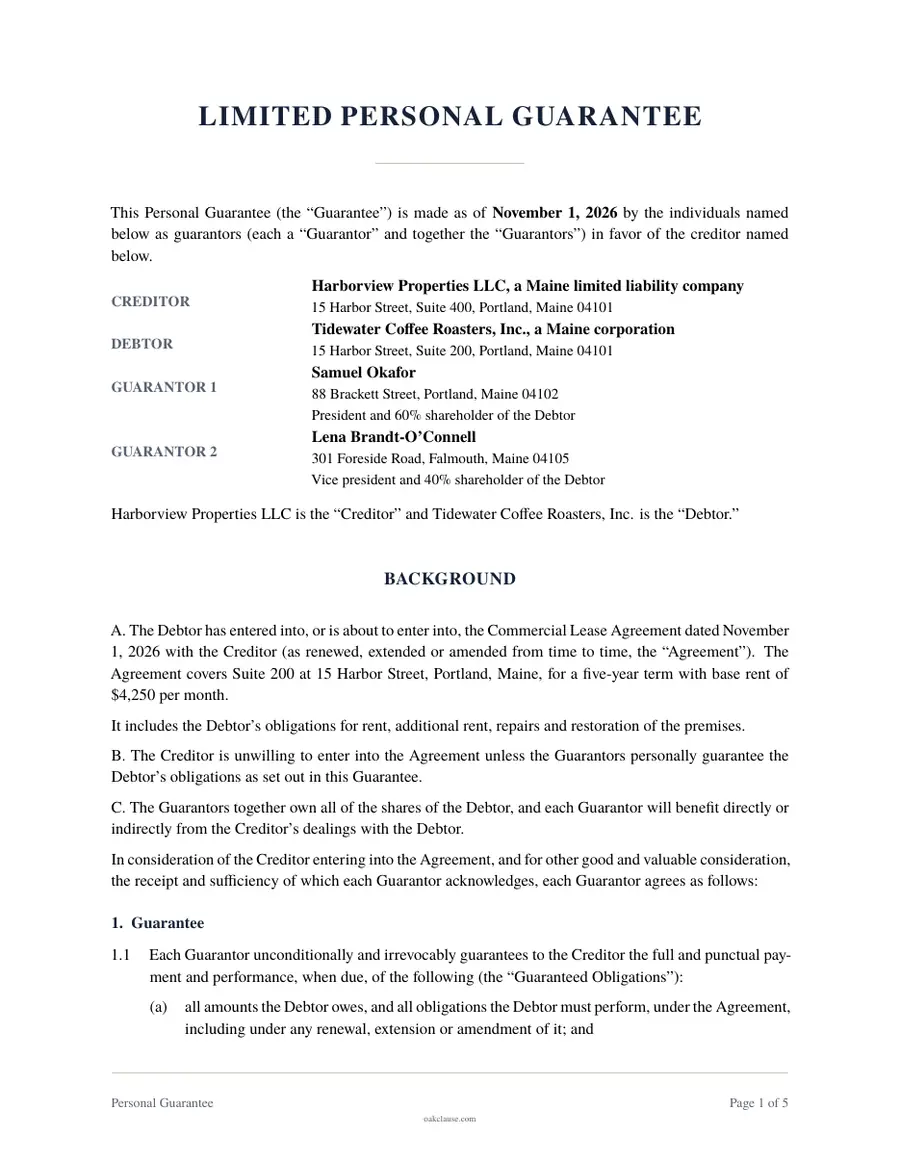
What is a Personal Guarantee?
A personal guarantee is a written promise by an individual (the guarantor) to pay another person's or company's debt, or perform their obligations, if they fail to do so. The person or business owed the money (the creditor) can then look to the guarantor's personal assets, not just to the original debtor.
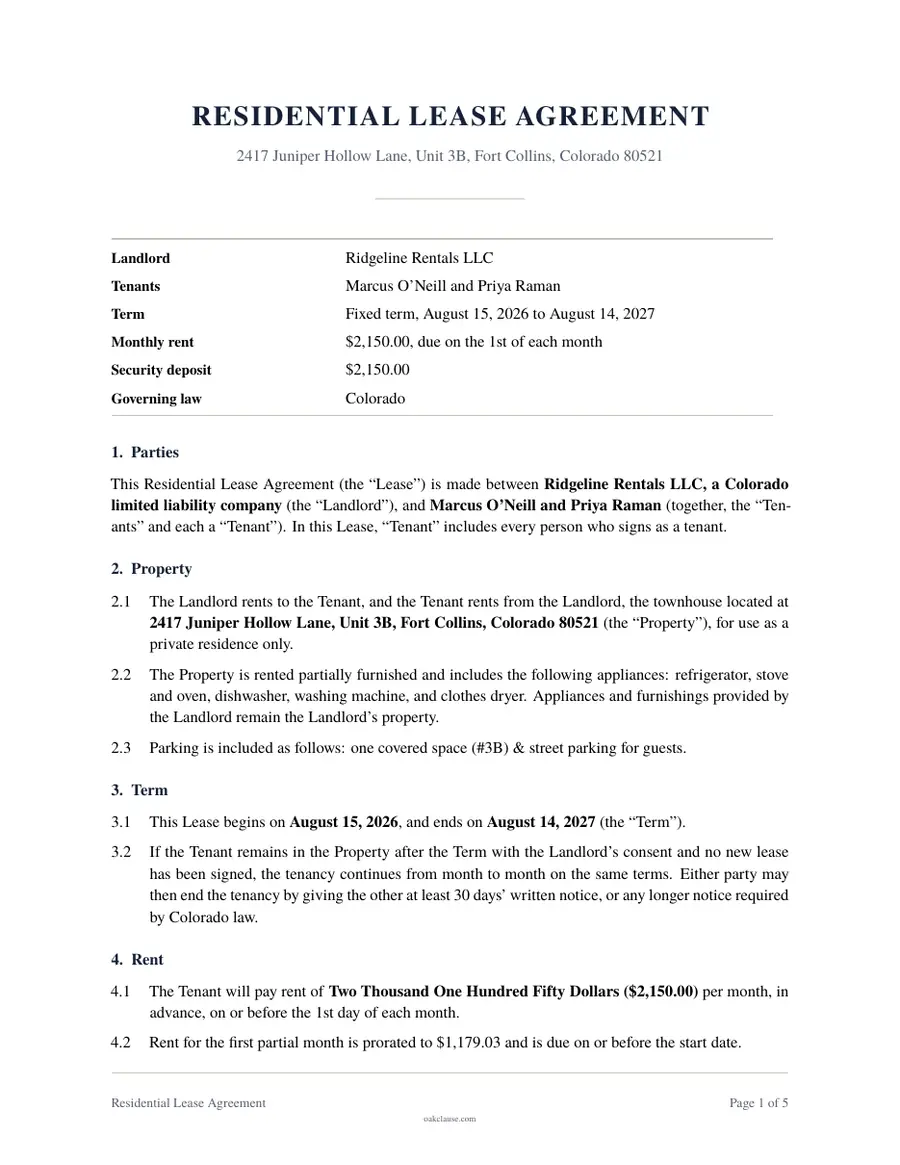
Guarantees are common whenever a creditor is asked to take a risk on a borrower with a short track record. Landlords often ask a business owner to guarantee a commercial lease, lenders ask owners to guarantee a company loan, suppliers ask for a guarantee before extending trade credit, and parents sometimes guarantee a young adult's apartment lease.
Because a guarantee can put a person's savings and property at risk, its terms matter. This document lets you decide whether the guarantee is unlimited or capped at a dollar amount, whether it covers only one obligation or future ones too, whether the creditor must pursue the debtor first, and how and when the guarantee ends. Signing it should never be treated as a formality.
When to use it
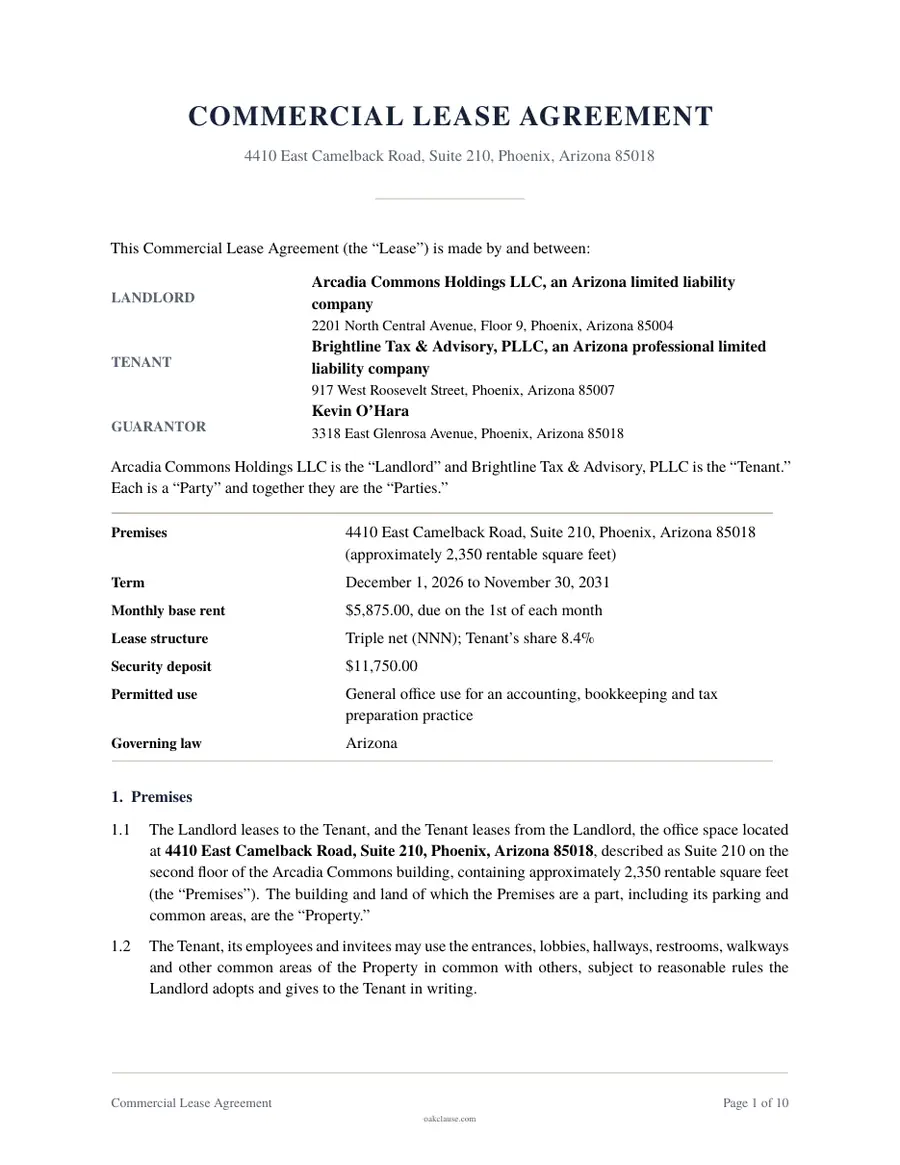
- A landlord requires a business owner or relative to guarantee a lease.
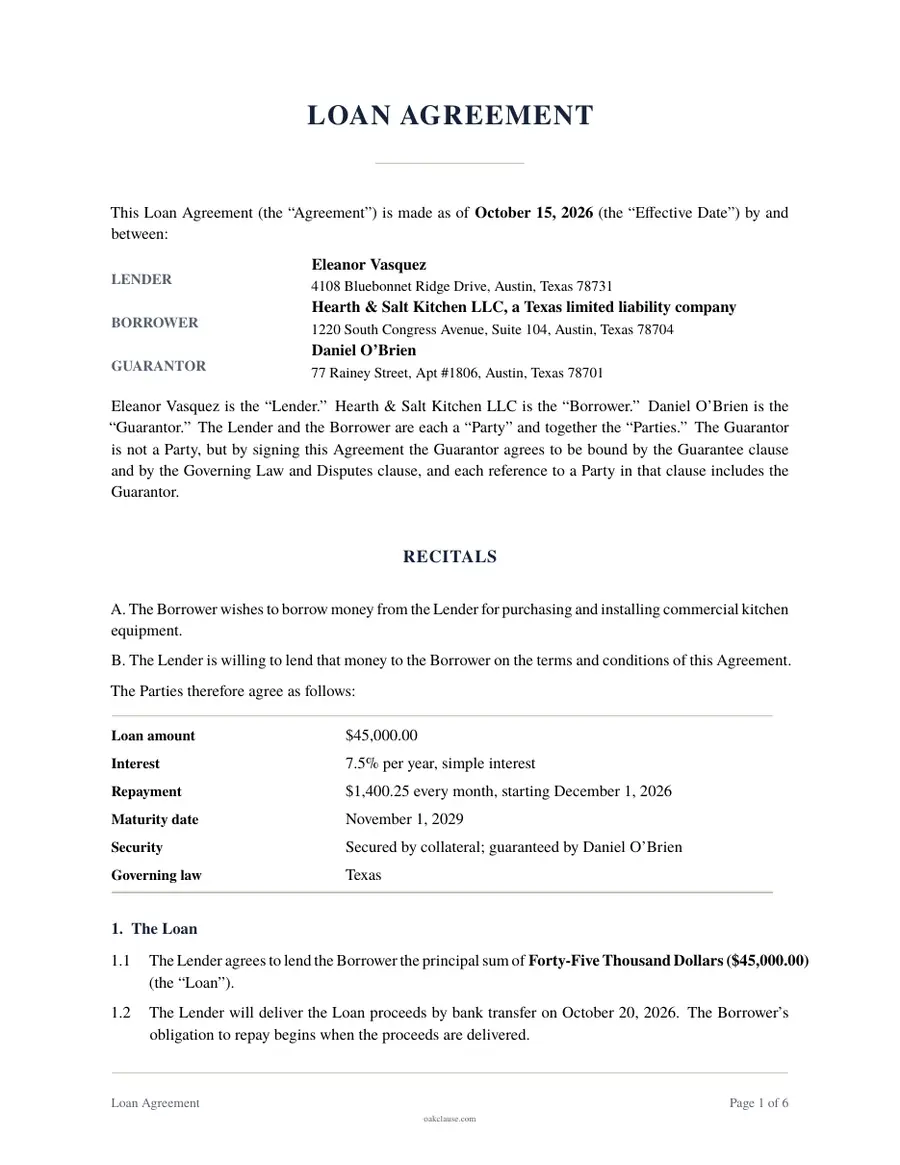
- A lender asks the owners of a small company to personally back a business loan.
- A supplier will extend credit terms only if an owner signs a guarantee.
- You are lending money and want a second person responsible if the borrower does not pay.
- Several people will share responsibility for guaranteeing the same obligation.
What is included
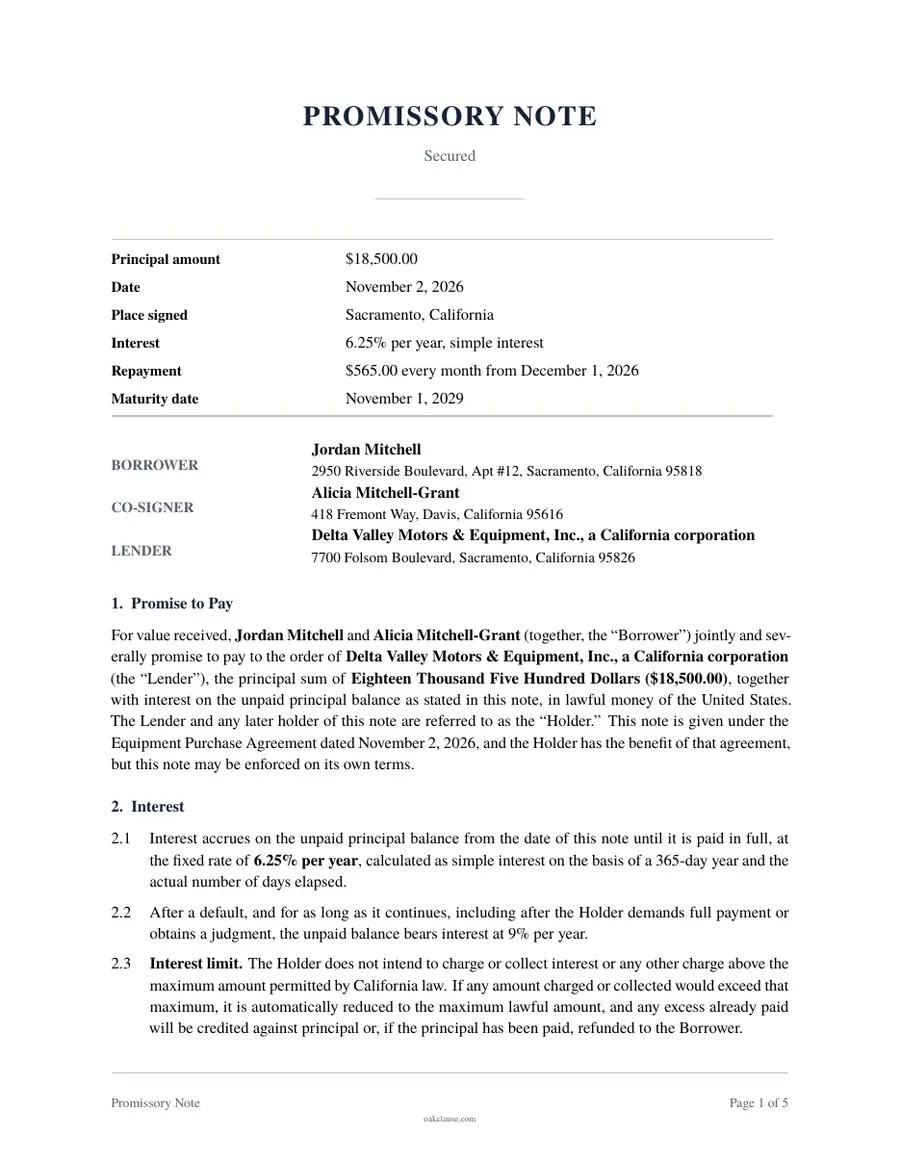
- Creditor, debtor and one or more guarantors
- Description of the guaranteed loan, lease, account or contract
- Unlimited guarantee or a maximum dollar limit
- Guarantee of payment or guarantee of collection
- Coverage of a single obligation or continuing future obligations
- Duration and the guarantor's right to end future coverage
- Waivers, consent to changes and subordination of guarantor claims
- Optional financial reporting by the guarantor
- Optional spousal acknowledgment
- Governing law, dispute resolution and notary acknowledgment
How to make your Personal Guarantee
Answer the questions
Tell us about the parties and the terms you want. Most documents take about 5 to 20 minutes.
Review the preview
Check the draft as you go and change any answer. The document updates instantly.
Download, sign and keep a copy
Download a print-ready PDF, sign it with the other parties, and give everyone a copy.
Frequently asked questions
What does it mean to personally guarantee a debt?
It means you promise to pay someone else's debt if they do not. If the debtor defaults, the creditor can demand payment from you and, if necessary, sue you and collect from your personal assets, even if the debt belongs to a company you own.
What is the difference between a guarantee of payment and a guarantee of collection?
With a guarantee of payment, the creditor can come straight to the guarantor as soon as the debtor defaults. With a guarantee of collection, the creditor must first try to collect from the debtor, for example by suing, and can pursue the guarantor only for what it could not recover. Creditors usually ask for a guarantee of payment.
Can I limit how much I am guaranteeing?
Yes, if the creditor agrees. A limited guarantee caps the guarantor's responsibility at a set dollar amount. An unlimited guarantee covers the whole debt plus interest and collection costs. This document lets you choose either option.
What is a continuing guarantee?
A continuing guarantee covers not only the current debt but also future loans, renewals and credit extended to the debtor until the guarantee is ended. It is common for credit accounts and lines of credit. A guarantee limited to a single obligation ends when that obligation is paid.
Can a guarantor cancel a personal guarantee?
It depends on the terms. Many continuing guarantees allow the guarantor to stop coverage of future debts by written notice, but the guarantor usually stays responsible for anything already owed when the notice takes effect. A guarantee of a single loan generally cannot be cancelled until the loan is paid.
Does a personal guarantee need to be notarized?
Generally not, although some creditors ask for notarization as proof that the guarantor really signed. Guarantees should always be in writing, because most states require a promise to pay another person's debt to be in a signed writing to be enforceable.
Does my spouse need to sign my guarantee?
Not usually, but rules on marital property differ by state, and in community property states a creditor may want the spouse's acknowledgment before relying on shared assets. Federal lending rules also limit when a lender may require a spouse to sign. This document includes an optional spousal acknowledgment you can use when it is appropriate.
What happens if there is more than one guarantor?
Unless the guarantee says otherwise, each guarantor is usually responsible for the full guaranteed amount, not just a share. The creditor can collect from any of them. Guarantors who pay more than their share may have rights against the others.